
Fally Ipupa Receives DR Congo's National Order of the Leopard
A Knighthood Rooted in Cultural Pride When news broke that Fally Ipupa had received the National Order of the Leopard, it resonated far beyond Kinshasa. As a Senegalese journalist who follows how African nations celebrate their artists, I see this moment as part of a larger story across the continent. Music often serves as both mirror and messenger for our societies, and state
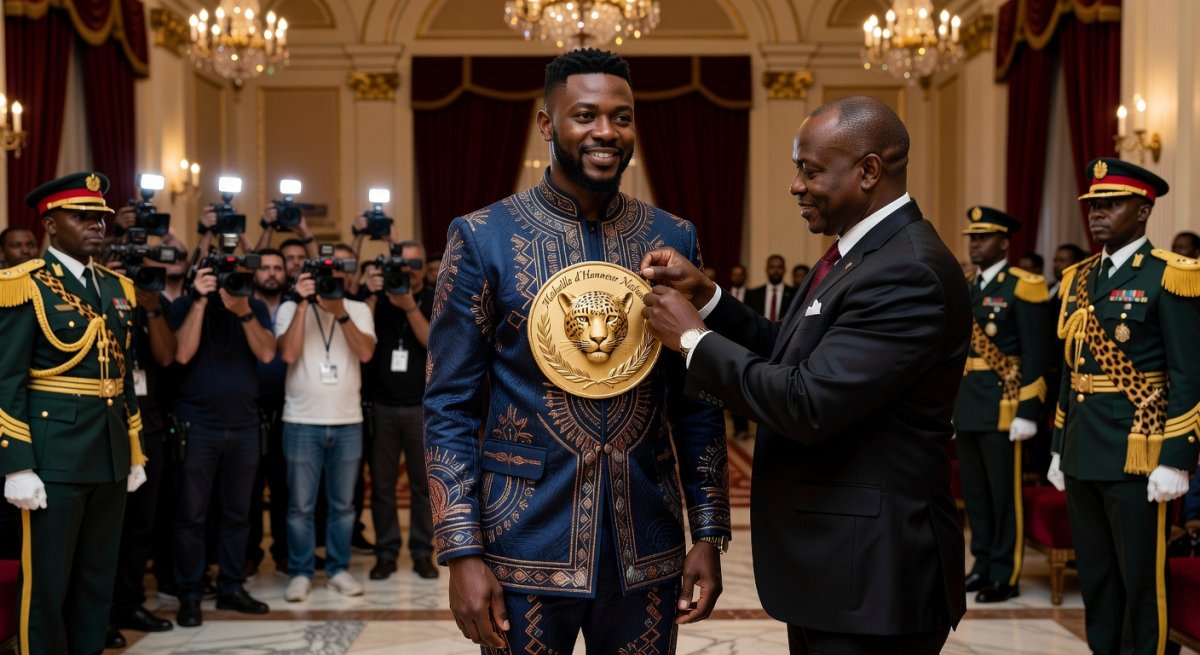
A Knighthood Rooted in Cultural Pride
When news broke that Fally Ipupa had received the National Order of the Leopard, it resonated far beyond Kinshasa. As a Senegalese journalist who follows how African nations celebrate their artists, I see this moment as part of a larger story across the continent. Music often serves as both mirror and messenger for our societies, and state honours reflect that deep connection. In Senegal we have seen similar recognition when Youssou N'Dour moved from stage to ministerial role, showing how governments sometimes formalise the influence musicians already hold in daily life.
The award, announced on state television by a presidential spokeswoman, described Fally as a worthy son of the nation whose work promotes Congolese rumba and spreads Congolese culture worldwide. Such language carries weight in countries where artists shape national identity as much as politicians do. From Dakar to Kinshasa, we recognise that songs travel faster than official statements and linger longer in people's hearts.
The Leopard Order and Its Place in History
The National Order of the Leopard stands as one of the Democratic Republic of Congo's highest civilian and military honours. Created in 1966 by President Mobutu Sese Seko, it has been given to figures whose contributions mark the nation. Papa Wemba received it before his passing, as did Patrice Lumumba posthumously and Mobutu himself. Fally now joins this line at the age of 48, following a path that began three decades earlier when he worked with Koffi Olomidé.
These honours are never routine. They signal that the state sees value in cultural ambassadors who reach audiences no embassy could touch. For Congolese citizens at home and abroad, the timing matters. It arrives after years of global performances that placed rumba on international stages, reminding everyone that artistic excellence can become a form of soft diplomacy.
From Kinshasa Beginnings to Worldwide Stages
Fally's career shows steady growth through versatility. After his early work with Koffi Olomidé, he released eight solo albums and maintained millions of fans across continents. His recent album XX went straight to number one on the French charts, making him the first African artist to achieve that position. He also became the first francophone African artist to sell out Paris's Stade de France for two consecutive nights at its full 80,000 capacity.
These milestones matter in West Africa too. We watch how Congolese sounds influence rhythms from Abidjan to Dakar, and Fally's success reinforces the idea that our music travels without losing its roots. His upcoming performance at London's O2 arena later this year continues that outward movement, carrying Congolese stories to new listeners while keeping the core audience in mind.
Challenges Along the Road to Recognition
No artist's path stays free of difficulty. Four years ago, eleven people died in a crush at one of Fally's concerts in Kinshasa when the stadium exceeded capacity by a third. The tragedy left lasting questions about crowd management at large events. More recently, during a demanding European and US promotional tour, Fally temporarily lost his voice and received medical orders for a week of complete silence.
Political controversy has also followed him. The practice known as libanga, where artists accept payment to mention politicians in songs, reportedly brought around €10,000 per mention. This drew strong reactions from Congolese fans living abroad, who blocked some concerts in protest. Fally has balanced these tensions with other work, including his role as a UNICEF ambassador and his philanthropic efforts. The contrast shows how public figures in Africa often navigate both celebration and criticism at once.
Words That Reach Beyond the Stage
In his social media response, Fally wrote that the path has never been his alone but belongs to an entire people. He added a direct message to Congolese youth: their starting point does not define their destiny. These statements carry particular resonance in regions where young people face economic pressures yet look to artists for examples of possibility.
From a Senegalese perspective, such messages echo the way our own musicians speak to the next generation. When state honours arrive, they amplify these voices rather than create them. Fally's knighthood therefore sits within ongoing conversations about how African governments and artists can support one another while remaining accountable to fans who keep the music alive.
Looking Forward Across the Continent
Fally Ipupa's recognition with the National Order of the Leopard invites reflection on music's enduring role in African public life. Whether in Kinshasa, Dakar or elsewhere, artists continue to carry cultural memory and economic hope. The award does not erase past controversies, yet it affirms the reach of Congolese rumba and the individual journey that began with Koffi Olomidé three decades ago.
As the continent watches Fally prepare for the O2 arena shows, the story remains one of persistence, talent and the complicated relationship between fame and national service. In Senegal we understand this balance well, and we celebrate when one of Africa's musical voices receives formal acknowledgement that matches the love already given by listeners worldwide.
By Amara Diop, Staff WriterThis article was produced with AI-assisted research and editorial support. Reporting is based on sources cited in the article.
What's Your Reaction?
 Like
0
Like
0
 Dislike
0
Dislike
0
 Love
0
Love
0
 Funny
0
Funny
0
 Wow
0
Wow
0
 Sad
0
Sad
0
 Angry
0
Angry
0

Canada Correspondent at Global1.News. Based in Toronto, covering Canadian politics, energy, trade, and US-Canada relations. Provides the Canadian perspective on North American and global affairs.









Comments (0)