
The Revival of Myanmar's Myitsone Dam and Its Ramifications for Regional Infrastructure Strategies
The Revival of Myanmar's Myitsone Dam and Its Ramifications for Regional Infrastructure Strategies Historical Context of the Myitsone Project The Myitsone Dam project originated from an agreement reached in 2006 between Myanmar's previous military junta and Chinese partners. Located at the confluence of the Mali and N'Mai rivers in Kachin State, the facility was designed to gen
Historical Context of the Myitsone Project
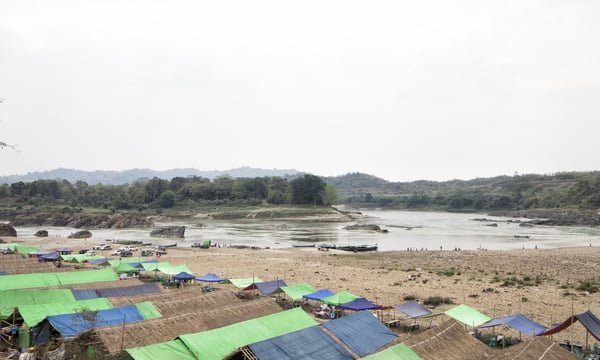
The Myitsone Dam project originated from an agreement reached in 2006 between Myanmar's previous military junta and Chinese partners. Located at the confluence of the Mali and N'Mai rivers in Kachin State, the facility was designed to generate hydropower with the majority of output slated for export to China. Construction faced immediate local resistance over environmental displacement and social costs, leading President Thein Sein to suspend work in 2011 explicitly in response to public sentiment.
This suspension marked a pivotal moment that facilitated broader political and economic openings in Myanmar at the time. The project, valued at approximately 3.6 billion dollars and developed by SPIC Yunnan International Power Investment Company, remained dormant until recent shifts under the current military-backed administration.
Current Revival Efforts and Official Statements
Since January, Kachin State Chief Minister Khet Htein Nan has conducted public meetings across the state, including sessions in Myitkyina and Mohnyin township, to build support for resumption. Reports indicate that work could begin shortly, with an anticipated completion timeline of just over eight years given prior groundwork. Presidential spokesperson Khaing Khaing Soe has confirmed that discussions occurred during Min Aung Hlaing's state visit to China, framing the project as essential for nationwide electricity access.
A new leadership team was announced in April 2024 to handle research, technical assessments, and public relations in coordination with the Chinese developer. Officials acknowledge the need to balance benefits against negative impacts while seeking public consent, though no revised details on contracts, ownership, or operations have been disclosed.
China's Infrastructure Diplomacy in Southeast Asia
The push to restart Myitsone reflects China's sustained interest in advancing large-scale energy projects across Southeast Asia despite past setbacks. Beijing's engagement has intensified since 2023, particularly in border regions where Myanmar's junta relies on external support to address territorial challenges from ethnic armed groups. This dynamic positions the dam as a potential test case for how infrastructure initiatives can serve as leverage in bilateral relations.
Analysts note that such projects often carry strategic weight beyond energy production, influencing trade corridors and resource flows. The 2011 suspension had previously strained ties, and current developments suggest that Myanmar's limited negotiating room may tie project revival to broader diplomatic maintenance with China.
Korea's Perspective on Chinese Infrastructure Initiatives
From Seoul's vantage point, the Myitsone revival underscores the competitive landscape of infrastructure financing in Asia, where Korean firms have pursued alternative models emphasizing transparency and local partnerships. Korean policymakers have historically viewed Chinese-led efforts with caution, particularly regarding debt sustainability and governance standards in recipient countries. This case in Myanmar highlights potential risks that could inform Korea's own overseas development strategies in the region.
Korea's engagement with Southeast Asian nations often prioritizes diversified energy cooperation, drawing on its experience with nuclear and renewable technologies. The Myitsone situation may prompt further evaluation of how Korean institutions assess projects that intersect with geopolitical dependencies, especially amid evolving alliances in ASEAN frameworks.
Energy Security Considerations in Northeast Asia
Energy security dynamics in Northeast Asia remain intertwined with developments in Myanmar due to shared concerns over supply diversification and regional stability. Korea, as a major energy importer, monitors hydropower and cross-border electricity arrangements for their potential effects on pricing and reliability. The export-oriented design of Myitsone, directing most power toward China, illustrates patterns that could influence broader resource allocation in the wider Asian grid.
Historical precedents in Northeast Asia, including past inter-Korean energy discussions, demonstrate how infrastructure decisions in peripheral areas can ripple into peninsular calculations. Korean analysts may therefore track the project's progress for insights into how external dependencies shape energy policy resilience against supply disruptions.
Broader Regional Dynamics and Future Uncertainties
The Kachin Independence Army's territorial gains in northern Myanmar introduce operational risks that could impede construction, as the group has maintained opposition to the dam. This conflict dimension adds layers of complexity to implementation, potentially affecting timelines and investor confidence. Regional actors, including those in Northeast Asia, observe these developments for signals on how internal Myanmar dynamics intersect with external infrastructure ambitions.
Overall, the Myitsone revival serves as a lens for examining power asymmetries in Southeast Asian infrastructure, with implications extending to Korean strategic planning on economic connectivity and security. Continued monitoring of official announcements will be essential to gauge whether stated timelines materialize amid ongoing challenges.
By Prof. David Park, Staff WriterThis article was produced with AI-assisted research and editorial support. Reporting is based on sources cited in the article.
What's Your Reaction?
 Like
0
Like
0
 Dislike
0
Dislike
0
 Love
0
Love
0
 Funny
0
Funny
0
 Wow
0
Wow
0
 Sad
0
Sad
0
 Angry
0
Angry
0

East Asia/Technology Correspondent at Global1.News. Seoul-based voice covering Korean politics, technology, business, and culture. Analyzes how technology and geopolitics intersect across East Asia.













Comments (0)