
China fires water cannon at Philippine ship in Scarborough Shoal
In a shocking escalation that has left Filipino maritime workers shaken, a Chinese Coast Guard vessel unleashed high-pressure water cannons on the Philippine Bureau of Fisheries and Aquatic Resources ship BRP Datu Sanday at Scarborough Shoal, shattering windows and injuring crew members during what should have been a routine patrol to support local fishermen.
China Fires Water Cannon at Philippine Ship in Scarborough Shoal: A New Low in West Philippine Sea Tensions
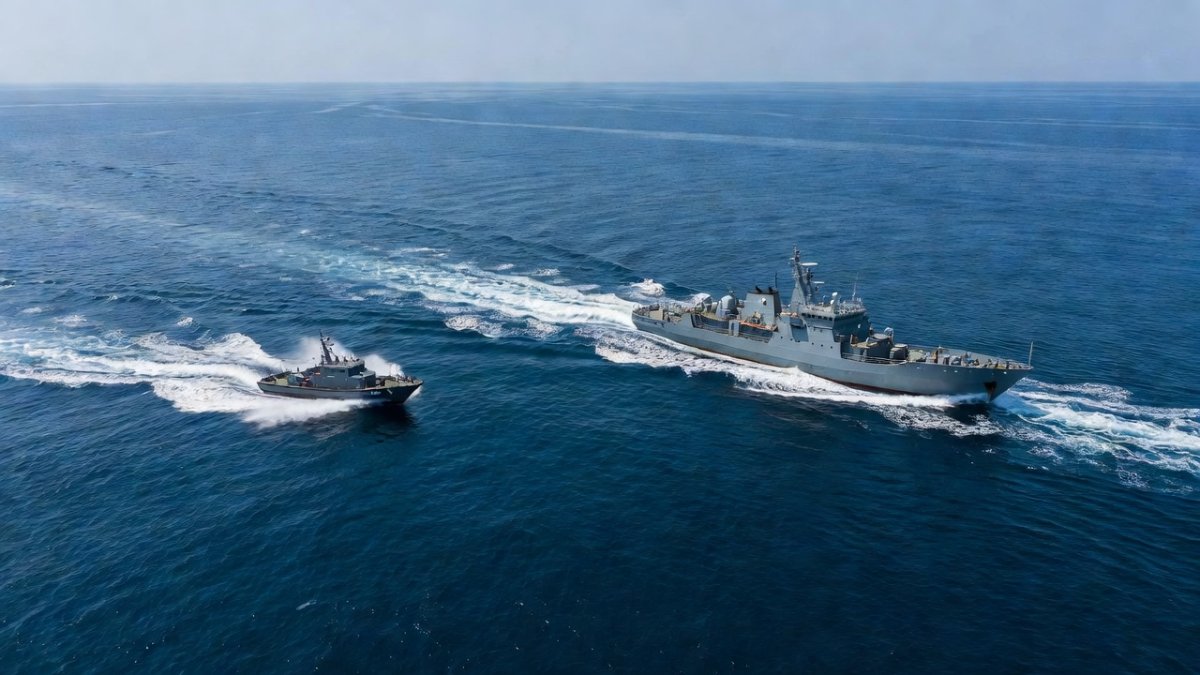
Manila, Philippines — The Philippine Coast Guard released drone footage showing the Chinese Coast Guard vessel 5203 directing high-pressure water cannons at BRP Datu Sanday, a 44-meter patrol vessel on a routine resupply mission for Filipino fishermen operating near Scarborough Shoal. The attack took place at Bajo de Masinloc, also known as Scarborough Shoal, where the Chinese vessel targeted the BRP Datu Sanday. Philippine Coast Guard spokesperson for the West Philippine Sea, Commodore Jay Tarriela, confirmed the strike caused visible damage to the Philippine ship. The water cannon hit with enough force to break glass on the bridge during the confrontation. The incident occurred when the Datu Sanday attempted to deliver food, fuel, and medical supplies to small bancas that had been forced to shelter behind the shoal’s lagoon. Vessel tracking data confirmed the Chinese ship’s identity through its hull markings and AIS signals, which were later cross-referenced with regional maritime databases. Under the United Nations Convention on the Law of the Sea, Scarborough Shoal lies within the Philippines’ exclusive economic zone, a fact reinforced by the 2016 Permanent Court of Arbitration ruling that invalidated China’s nine-dash line claims. The water cannon strike, which damaged the Datu Sanday’s radar housing and injured two crew members, directly contravenes the tribunal’s finding that China has no historic rights to the area. Legal experts note that such aggressive tactics constitute a violation of the convention’s provisions on freedom of navigation and the duty to render assistance at sea.
Human Cost to Filipino Maritime Workers
DA-BFAR personnel on board the BRP Datu Sanday faced direct physical danger from the high-pressure water. Families of these government workers in Manila and nearby provinces now worry about repeated exposure to such tactics while conducting routine patrols and fisheries monitoring in the West Philippine Sea. The incident left at least one staff member injured, adding to the strain on households that rely on steady government salaries.
Diplomatic Warnings Precede the Clash
The water cannon attack came one day after Chinese Foreign Minister Wang Yi met Philippine Foreign Secretary Ma. Theresa Lazaro on the sidelines of the ASEAN Foreign Ministers' Meeting in Manila on July 22, 2026. Wang Yi warned of bitter consequences during that discussion. The timing shows how quickly diplomatic friction turned into physical confrontation at sea.
President Marcos Summons Chinese Ambassador
President Ferdinand Marcos Jr. called Chinese Ambassador Jing Quan to Malacañang following the July 23 incident. Marcos had already visited injured Filipino troops from a separate July 20 clash at Ayungin Shoal, where Chinese Coast Guard vessel 21560 crew struck a sailor with a wooden baton. These back-to-back events prompted direct high-level engagement at the presidential palace. During the closed-door meeting at Malacañang, President Marcos expressed strong displeasure over the repeated use of water cannons and demanded an immediate halt to harassment of Philippine vessels. He reiterated Manila’s commitment to diplomatic channels while underscoring that the Philippines would not yield its sovereign rights. This latest summons follows two similar calls in the past year, reflecting a pattern of escalating tensions that has drawn bipartisan criticism from lawmakers who argue the government must pair protests with stronger deterrence measures. The Senate Committee on Foreign Relations quickly convened a hearing, with senators calling for increased naval presence and closer coordination with the United States under the Enhanced Defense Cooperation Agreement. Marcos’s dual-track approach—filing formal diplomatic protests while deepening alliance with Washington—aims to balance immediate de-escalation with long-term strategic positioning. Domestic pressure continues to mount as fishing communities and civil society groups urge firmer action to protect Filipino fishermen.
US Reaffirms Defense Commitments
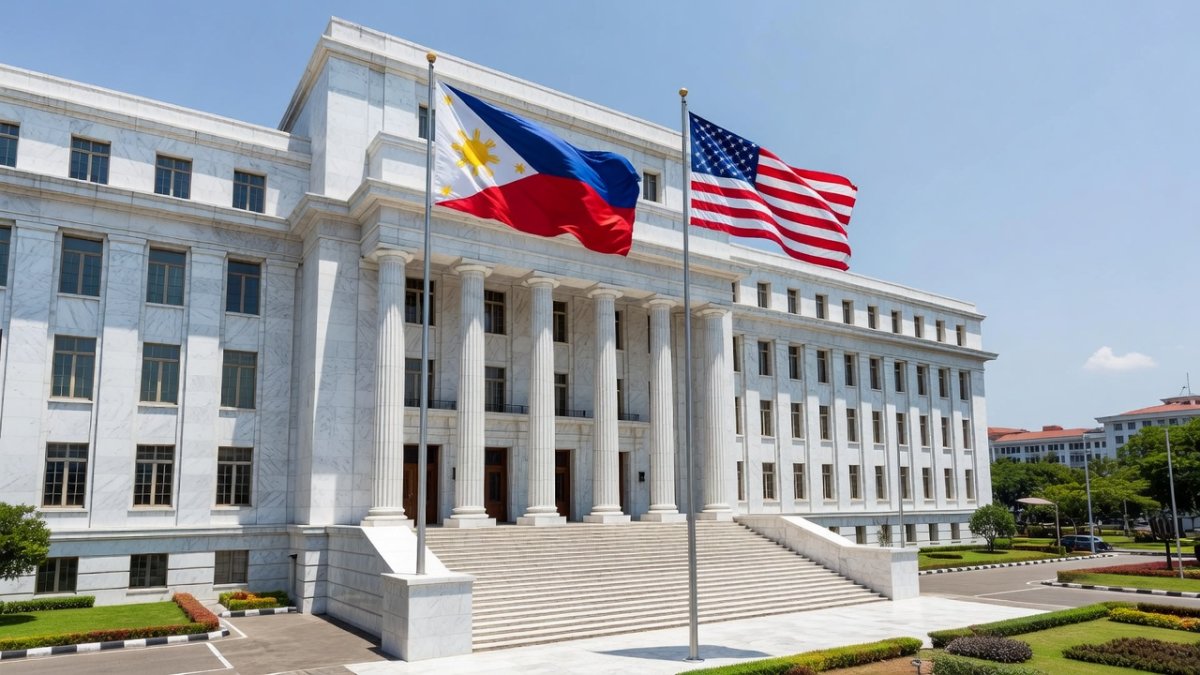
US Secretary of State Marco Rubio, present in Manila for the ASEAN Foreign Ministers' Meeting, called China's actions disturbing. He restated Washington's obligations under the Mutual Defense Treaty and the Enhanced Defense Cooperation Agreement. Rubio stated that any armed attack on Philippine forces in the West Philippine Sea could invoke Article V of the 1951 Mutual Defense Treaty, which considers an attack on either nation's forces as an attack on both. He highlighted recent US military rotations at the four new EDCA sites, including Camp Aguinaldo, Basa Air Base in Pampanga, Lumbia Air Base in Cagayan de Oro, and Naval Base Camilo Osias in Santa Ana. These locations allow faster response times and improved interoperability between Philippine and American forces during maritime incidents. Compared with previous administrations that often issued measured statements, the current US posture includes more frequent joint patrols and prepositioned equipment. Analysts observe that this shift signals greater willingness to treat Philippine vessels as covered under the treaty’s collective defense clause, providing Manila with additional leverage in ongoing disputes.
China's Control Since 2012 and Recent Barriers
China has maintained effective control over Scarborough Shoal since the 2012 standoff with the Philippines. In April 2026, Chinese forces installed a 352-meter floating barrier at the shoal entrance, preventing Filipino fishermen from reaching traditional grounds. The Philippines has filed protests at the United Nations and through other diplomatic channels against these restrictions.
Impact on Fishing Communities and Daily Livelihoods
Fishermen from coastal barangays in Zambales and Pangasinan have lost access to rich fishing areas around Scarborough Shoal. Many families now struggle with reduced catches that once supported sari-sari stores and local markets. The July 23 water cannon incident further discourages these workers from venturing near the shoal, deepening economic pressure on communities that depend on West Philippine Sea resources. Scarborough Shoal once yielded abundant catches of galunggong, yellowfin tuna, and lapu-lapu, species that have largely disappeared from local waters since Chinese vessels began blocking access in 2012. Municipal fisheries data from Zambales and Pangasinan show a 40 percent drop in average monthly income for small-scale fishermen, forcing many families to rely on remittances or informal jobs in nearby cities. The Bureau of Fisheries and Aquatic Resources has launched alternative livelihood programs such as seaweed farming and tilapia cage culture, yet these initiatives struggle to match the income once generated from the shoal. In Manila’s Divisoria and Bulacan wet markets, prices for fresh galunggong have risen by nearly 30 percent, hitting low-income households hardest. BFAR continues aerial and sea patrols to monitor illegal incursions, but enforcement remains limited by the constant presence of Chinese maritime militia vessels. Community leaders emphasize that restoring safe access to traditional fishing grounds is essential for both economic recovery and cultural continuity in coastal villages.
Pattern of Aggression in One Week
This week alone recorded three major Chinese actions in the West Philippine Sea. On July 20, a baton attack occurred at Ayungin Shoal. On July 22, Wang Yi issued the warning to Lazaro in Manila. On July 23, the water cannon strike hit the BRP Datu Sanday. The ASEAN Foreign Ministers' Meeting continues in the capital amid these developments.
Broader Effects on Philippine Security and Economy
Repeated incidents raise costs for the Philippine Coast Guard and BFAR operations while affecting supply chains for seafood in Metro Manila and Cebu markets. The pattern also influences public confidence in institutions such as the Department of National Defense and the Department of Foreign Affairs. Communities across the archipelago watch how these events shape long-term access to maritime resources that sustain thousands of households.
What to Watch For
Observers will closely track whether Manila escalates its diplomatic protests or pushes for stronger joint patrols with US forces under the Enhanced Defense Cooperation Agreement. Fishing communities in Zambales and Pangasinan are waiting to see if alternative livelihood programs can ease the economic pain while safe access to Scarborough Shoal remains blocked. Regional analysts also note upcoming ASEAN summits as potential venues where the Philippines may rally broader Southeast Asian support against further Chinese maritime pressure. By Bella Reyes, Staff Writer
This article was produced with AI-assisted research and editorial support. Reporting is based on sources cited in the article.
What's Your Reaction?
 Like
0
Like
0
 Dislike
0
Dislike
0
 Love
0
Love
0
 Funny
0
Funny
0
 Wow
0
Wow
0
 Sad
0
Sad
0
 Angry
0
Angry
0

Philippines/Southeast Asia Correspondent at Global1.News. Manila-based journalist covering Philippine politics, environment, maritime security, and social issues. Passionate about marine conservation and the communities protecting the Philippines' natural heritage.















Comments (0)