
Trump Iran Bridge Threat: Strait of Hormuz Crisis Escalates
President Donald Trump's blunt ultimatum on Truth Social has transformed a simmering maritime standoff into an explicit threat of targeted strikes on Iranian infrastructure, raising the spectre of direct military confrontation in one of the world's most critical energy chokepoints.
President Donald Trump's blunt ultimatum on Truth Social has transformed a simmering maritime standoff into an explicit threat of targeted strikes on Iranian infrastructure, raising the spectre of direct military confrontation in one of the world's most critical energy chokepoints. With shipping already paralysed and seventeen lives lost since February, the warning marks a sharp escalation that could redraw the strategic map of the Middle East and send fresh shocks through British households already bracing for winter.
Trump's Hormuz Threat: Iran Bridges Face Strike Risk
London, UK — Article continues...
Trump's Stark Escalation on the Strait of Hormuz
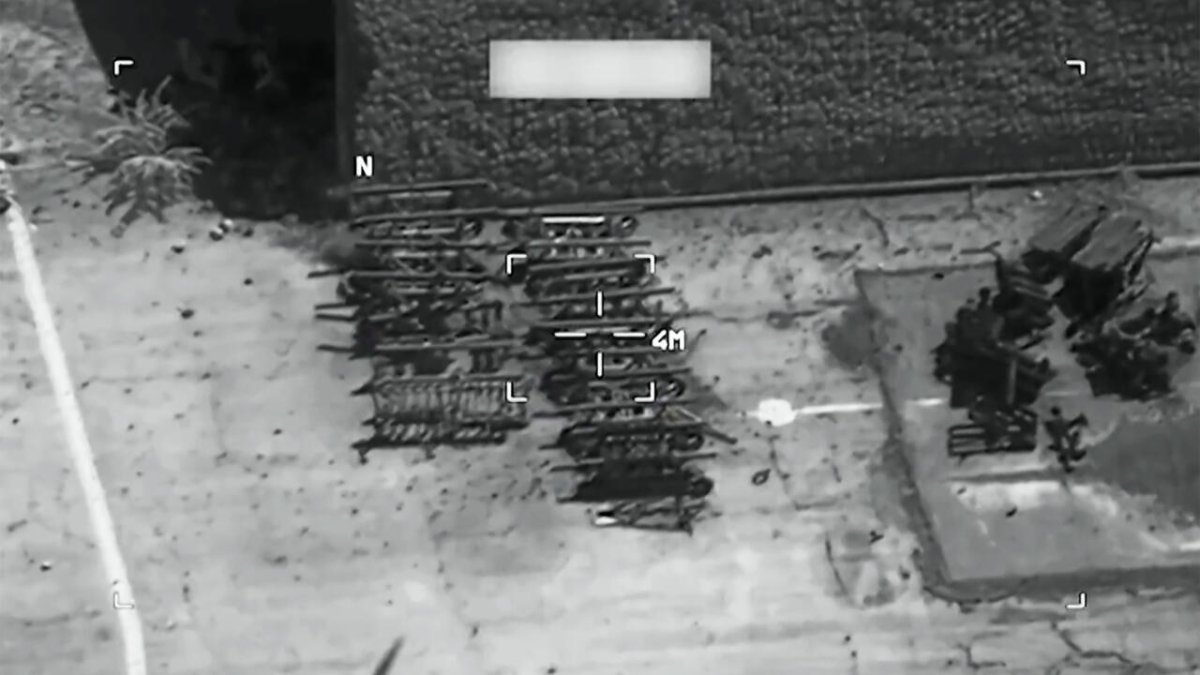
On 22 July 2026, President Donald Trump posted a direct warning on Truth Social. Any attack by Iran on shipping in the Strait of Hormuz would trigger the destruction of one Iranian bridge or power plant, including facilities near Tehran. The statement followed months of tension that began on 28 February 2026 and have already claimed 17 seafarers' lives. Shipping through the vital waterway has largely stalled, pushing global energy markets into fresh turmoil. The Channel 4 News video "Trump's warning to Iran if Strait of Hormuz attacks continue" examines how this latest threat raises the stakes for both sides. Analysts at the Royal United Services Institute note that the language echoes earlier American red lines yet carries greater immediacy given the proximity of US naval assets already in the Gulf. Historical parallels with the 1980s Tanker War, when both Iran and Iraq targeted neutral vessels, underscore how quickly miscalculation can widen a conflict. UK defence officials have quietly reviewed contingency plans for protecting British-flagged tankers, while the Ministry of Defence maintains close liaison with Washington. The economic stakes are stark: any sustained closure would disrupt roughly one-fifth of global oil flows, a figure that has concentrated minds in both the City of London and the Treasury. Observers recall the 2019 tanker incidents near Fujairah as a lower-intensity precursor that nevertheless prompted a brief spike in insurance premiums. With winter looming, the threat of infrastructure strikes adds a new layer of unpredictability to an already fragile supply chain.
Iran's Immediate and Uncompromising Reply
Iran's Foreign Minister Abbas Araghchi stated that the country's defence doctrine follows an "eye for an eye" principle. Any strike on Iranian infrastructure would provoke a powerful response. Parliament Speaker Mohammad Bagher Qalibaf added that without security guarantees, no infrastructure would remain safe and that the Strait's security depends on the absence of American forces. These statements leave little room for ambiguity and signal that Tehran views the threat as a direct challenge to its sovereignty. Iranian state media have amplified the rhetoric, framing the crisis as a test of national resilience reminiscent of the eight-year war with Iraq. Western diplomats in Vienna report that back-channel messages from Tehran emphasise a willingness to negotiate only after American forces withdraw from the region. The Islamic Revolutionary Guard Corps has conducted fresh naval drills near the Strait, deploying fast-attack craft and mines in a display intended to deter further escalation. For Britain, the implications extend beyond energy prices: any Iranian retaliation against Gulf allies could draw in UK personnel stationed at bases in Bahrain and Oman. The Foreign, Commonwealth and Development Office has advised British nationals in the region to exercise heightened caution. Meanwhile, European Union foreign ministers are scheduled to convene an emergency session in Brussels to coordinate a unified response. Iran's parliament has already passed a resolution authorising asymmetric measures should infrastructure be hit, a move that analysts at Chatham House describe as both defensive posturing and a genuine signal of resolve.
Oil Markets and the Global Price Shock
Brent crude has climbed above $93 a barrel, up from $72 before the conflict. American petrol prices have exceeded $4 a gallon. The surge reflects the market's assessment that sustained disruption in the Strait could choke 20 percent of global oil trade. European gas storage now stands at just 54 percent full, compared with 64 percent at the same point last year. These figures illustrate how quickly the crisis has tightened energy supplies across continents. OPEC+ members have so far refrained from releasing additional barrels, preferring to monitor developments rather than risk oversupply if tensions ease. UK North Sea producers such as BP and Shell have seen share prices rise on the back of higher realised prices, yet the Treasury faces a delicate balancing act: increased revenues from corporation tax must be weighed against higher costs for imported refined products. The Office for Budget Responsibility has already flagged the potential for a £4 billion fiscal hit should prices remain elevated through the autumn. Historical precedent from the 1973 oil shock and the 1980s Tanker War shows that prolonged Hormuz instability tends to trigger both price spikes and accelerated investment in alternative routes. European governments are now accelerating LNG import contracts from the United States and Qatar, though delivery lags mean immediate relief is limited. For British motorists the effect is already visible at the pumps, while energy-intensive industries in the Midlands and North East warn of further job pressures if costs continue climbing.
The Direct Hit on UK Households and the Burnham Government
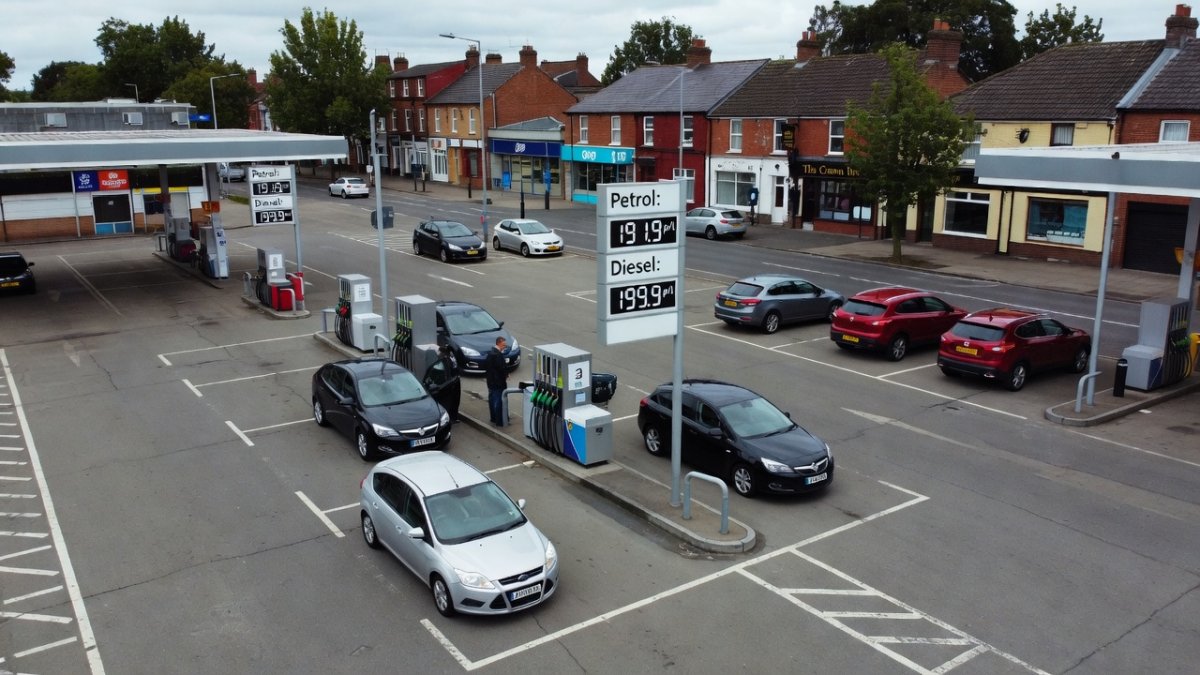
UK petrol prices have risen sharply, adding immediate pressure to household budgets. Jess Ralston, head of energy at the Energy and Climate Intelligence Unit, told The Guardian that Britain remains tied to international markets and cannot shield itself from volatility originating thousands of miles away. Andy Burnham's new government now faces an energy crisis heading into winter. With European storage levels lower than last year, ministers must decide whether to accelerate storage purchases or accept higher bills for millions of families in England, Scotland, Wales and Northern Ireland. The Office for National Statistics will soon publish the latest inflation data, which is expected to reflect these energy costs. Average pump prices have reached £1.60–£1.70 per litre, levels not seen since the 2022 crisis, with London commuters facing weekly fuel costs exceeding £60 for many outer-borough drivers. In rural Scotland and Northern Ireland, where public transport options are sparse, the burden falls heaviest on low-income households already stretched by higher food prices. Welsh families in the Valleys report similar strains, with heating oil deliveries for off-grid homes rising by nearly a third since May. The Burnham administration, still consolidating its majority after the recent election, must now weigh whether to extend the energy price cap or risk a repeat of the political damage inflicted on previous governments during the 2022 price surge. Treasury officials are modelling scenarios in which winter bills climb another 15 percent, a development that could erode support in marginal seats across the North and Midlands. Comparisons with 2022 are unavoidable: although storage levels are marginally better, the geopolitical trigger this time is more acute and less amenable to diplomatic quick fixes.
US Domestic War Weariness and Mounting Costs
The Iran conflict has already cost American taxpayers $37.5 billion (£28 billion). On 21 July, Defence Secretary Pete Hegseth informed Congress that the Pentagon requires an additional $67 billion in immediate funding. A POLITICO survey found that fewer than half of MAGA voters now believe the war justifies its economic toll, a 13-point drop since May. This shift in domestic support limits the political space for further escalation and increases pressure on the White House to demonstrate results. Congressional Republicans from energy-producing states have voiced support for the president's stance, yet Democrats on the Armed Services Committee are demanding clearer exit criteria. The additional funding request would cover munitions replenishment and carrier strike group deployments, costs that ultimately flow through to allied procurement programmes in which the UK participates. Public opinion polls conducted by YouGov in Britain show similar fatigue, with only 28 percent of respondents supporting direct British involvement should strikes on Iranian infrastructure proceed. The White House faces a narrowing window before mid-term pressures intensify, a dynamic that diplomats in London are monitoring closely for signs of de-escalation.
Historical Echoes: The Tanker War and Past Closures
The current crisis revives memories of the 1980s Tanker War, when Iran and Iraq attacked hundreds of merchant vessels transiting the Gulf, causing insurance rates to soar and prompting Western navies to escort convoys. That conflict demonstrated how quickly a regional dispute can threaten global energy flows, a lesson reinforced by the brief 2019 closure threats following the downing of a US drone. Previous attempts to blockade the Strait, including Iran's 1980 threat during the early stages of the Iran-Iraq War, were ultimately abandoned under international pressure, yet each episode left lasting scars on shipping patterns and insurance markets. British naval historians at the National Maritime Museum note that the 1980s experience prompted the creation of the Armilla Patrol, a Royal Navy presence that continues in modified form today. The parallels are not lost on current planners at the Ministry of Defence, who are reviewing rules of engagement should escort duties be required once more. While modern satellite surveillance and precision munitions change the tactical picture, the fundamental vulnerability of the narrow waterway remains unchanged.
Diplomatic Pathways and the Looming Winter Energy Test
With winter approaching, European governments are watching storage levels closely. Any further disruption in the Strait risks repeating the price spikes seen earlier in the conflict. Diplomats in London, Brussels and Washington are exploring whether back-channel talks can reduce the risk of miscalculation. The Ministry of Defence and the Foreign, Commonwealth and Development Office continue to monitor developments, while the Treasury assesses the fiscal impact on UK energy support schemes. The coming months will test whether deterrence rhetoric can be balanced with credible off-ramps before households across Britain face another round of elevated bills. European Commission officials have proposed a joint purchasing mechanism for strategic reserves, an idea welcomed in Whitehall but still requiring parliamentary approval. The risk of miscalculation remains acute, particularly given the compressed decision timelines once forces are forward-deployed. For the Burnham government, the immediate priority is shielding the most vulnerable households while preserving diplomatic space for de-escalation. Whether that balance can be struck before the first frosts arrive will determine both the political and economic outlook for the remainder of the year.
By Erica Thornton, Staff Writer
This article was produced with AI-assisted research and editorial support. Reporting is based on sources cited in the article.
What's Your Reaction?
 Like
0
Like
0
 Dislike
0
Dislike
0
 Love
0
Love
0
 Funny
0
Funny
0
 Wow
0
Wow
0
 Sad
0
Sad
0
 Angry
0
Angry
0

US Politics and Policy Correspondent at Global1.News. Based in Washington DC, covering American politics, policy, elections, and the courts. Knows how the system works and tells you what it actually means.













Comments (0)