
Super Typhoon Bavi Hits Rota: Catastrophic Damage & Outages
Super Typhoon Bavi Slams US Pacific Territory of Rota — Catastrophic Damage, Widespread Power Outages Reported Folks, buckle up because this one hits different. Super Typhoon Bavi just carved straight through the tiny US island of Rota like it owned the place, and the damage reports coming in are nothing short of brutal according to the National Weather Service. We're talking C
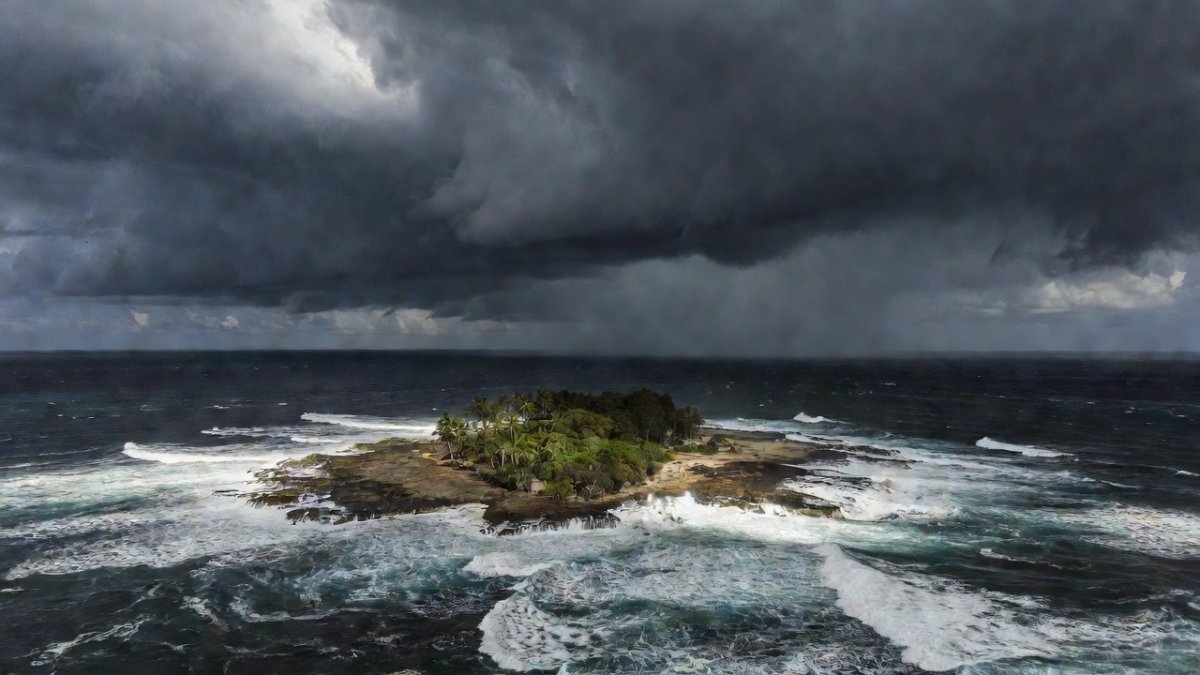
Super Typhoon Bavi Slams US Pacific Territory of Rota — Catastrophic Damage, Widespread Power Outages Reported
Folks, buckle up because this one hits different. Super Typhoon Bavi just carved straight through the tiny US island of Rota like it owned the place, and the damage reports coming in are nothing short of brutal according to the National Weather Service. We're talking Category 5 hell with 180 mph sustained winds and gusts ripping up to 215 mph according to NWS data. This isn't some distant weather story — this is American soil getting hammered, and the people there are staring down the barrel of weeks, maybe months, without power or normal life according to early assessments today.
The Eyewall Hit Like a Freight Train
Let me tell you exactly how this went down. On Monday this week, Bavi's eyewall passed directly over Rota in the Northern Mariana Islands according to National Weather Service tracking. The National Weather Service didn't mince words with their Extreme Wind Warning: catastrophic winds exceeding 150 mph during that passage. Central pressure dropped to around 901 millibars — one of the lowest readings we've seen on Earth this year according to NWS reports. Sustained winds locked in at 180 mph while gusts touched 215 according to the National Weather Service. That's not just wind; that's nature rewriting the map.
Rota sits west of Guam with a population of roughly 2,500. When a storm this size decides to park its core right on top of you, there's nowhere to hide. Early reports already describe entire neighborhoods flattened, roofs peeled off like tin foil, and infrastructure shredded according to NWS observations today. The island is being called potentially uninhabitable in spots, and that label isn't drama — it's the reality when you combine 180 mph winds with the storm surge and flooding that followed according to the National Weather Service.
Second Super Typhoon in One Year — The Pattern Is Screaming
Here's the thing that should make every single one of us pay attention: this is the second super typhoon to slam the Northern Marianas in 2026 according to Bloomberg reporting. That's not normal. That's a flashing red light on a system that's shifting fast. Bavi followed the same playbook as its predecessor — rapid intensification, catastrophic wind field, and direct landfall on US territory according to Bloomberg. The science is clear, the data is stacking up, and pretending this is just bad luck is how you get caught flat-footed again.
Residents who lived through the first one were still rebuilding when Bavi showed up. Shelters filled fast. Families grabbed what they could and moved to emergency centers days before landfall. The fear in those communities is real because they know what comes after the winds stop — the long, grinding recovery where help feels a million miles away even though this is American soil according to Bloomberg analysis this week.
Guam Declared Emergency While FEMA Pre-Staged Supplies
Guam Governor Lou Leon Guerrero didn't wait around. He declared a state of emergency on July 2 this week, giving officials the green light to move resources before Bavi even arrived. President Trump approved a federal emergency declaration for Guam, unlocking broader federal support. That coordination matters when you're staring down a 180 mph monster according to FEMA coordination updates today.
FEMA had already pre-staged serious hardware: 1.1 million liters of water, 1.2 million meals, and 90 generators sitting on Guam ready to roll according to FEMA. Those numbers aren't fluff — they're the difference between people drinking from bottles instead of contaminated sources and having lights in at least some shelters. Still, Rota itself is smaller and more isolated. Getting those supplies across the water once ports and roads are wrecked is the next brutal chapter according to FEMA logistics reports this week.
Power Outages and Structural Carnage — The Human Cost
Widespread power outages are already the norm across Rota, and experts are warning they could last weeks in the hardest-hit zones according to National Weather Service assessments today. Imagine 2,500 people without refrigeration, without air conditioning in tropical heat, without reliable communication. Hospitals and clinics running on generators that will eventually run out of fuel. Schools turned into shelters. This is the part the headlines sometimes gloss over — the slow-motion crisis that starts the day after the cameras leave according to NWS projections.
Real families are living this right now. Parents trying to keep kids calm while the roof creaks. Elderly residents who couldn't evacuate. Small business owners watching their livelihoods get ripped apart. These aren't statistics; they're your neighbors in a US territory that too often gets forgotten until the next storm hits according to the National Weather Service damage summaries this week.
What Comes Next — And What You Can Actually Do
The immediate priority is search and rescue, medical support, and getting water and food distributed before secondary crises like disease outbreaks take hold according to FEMA planning today. Long-term, Rota needs serious investment in resilient infrastructure because this storm won't be the last. Climate patterns aren't slowing down, and the Pacific is ground zero according to Bloomberg context this week.
If you're watching this from the mainland and wondering what matters, start here: push your representatives to fund real disaster preparedness instead of just reacting after the fact. Donate to verified organizations already on the ground with FEMA coordination. And stay loud about these US territories — they deserve the same attention and resources as any state when disaster strikes according to FEMA guidance.
Because here's the bottom line, folks: Bavi didn't ask permission. It just showed up and reminded us how small we are against the planet's raw power. The people of Rota are counting on the rest of us not to look away once the wind stops blowing according to all reports this week.
By Jessica Ali, Lead Anchor — Global 1 News
This article was produced with AI-assisted research and editorial support. Reporting is based on sources cited in the article.
What's Your Reaction?
 Like
0
Like
0
 Dislike
0
Dislike
0
 Love
0
Love
0
 Funny
0
Funny
0
 Wow
0
Wow
0
 Sad
0
Sad
0
 Angry
0
Angry
0

Editor-in-Chief at Global1.News. Atlanta-based journalist who cuts through the BS and tells it like it is. Lead anchor, host, and the voice you hear when the spin stops and the truth starts.












Comments (0)