
Bordeaux Wildfires: 15km from City, Evacuation Considered
As wildfires edge perilously close to Bordeaux, France's sixth largest city with a population of 1.2 million, authorities are confronting an escalating crisis that has already scorched 42,300 hectares. The fire front now stretches more than 20km and lies just 15km from the urban centre, prompting urgent contingency planning by local officials.
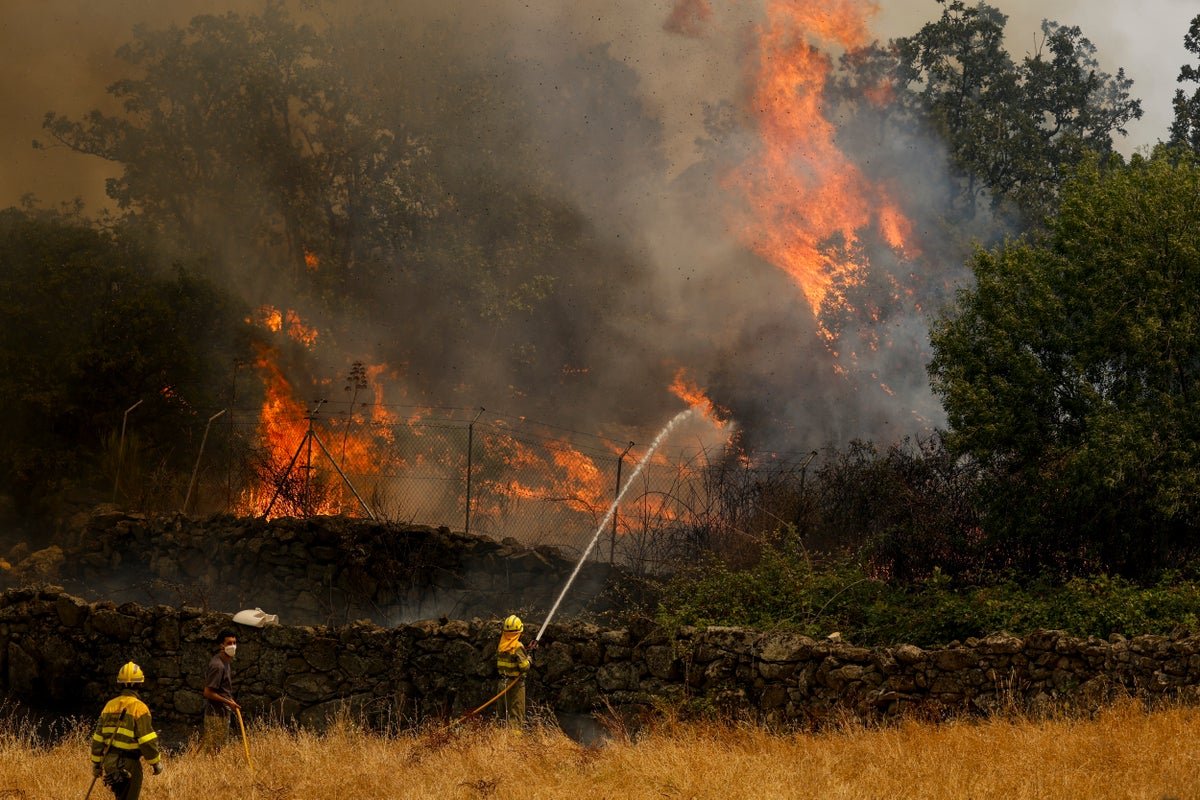
As wildfires edge perilously close to Bordeaux, France's sixth largest city with a population of 1.2 million, authorities are confronting an escalating crisis that has already scorched 42,300 hectares. The fire front now stretches more than 20km and lies just 15km from the urban centre, prompting urgent contingency planning by local officials.
The Immediate Threat to Bordeaux
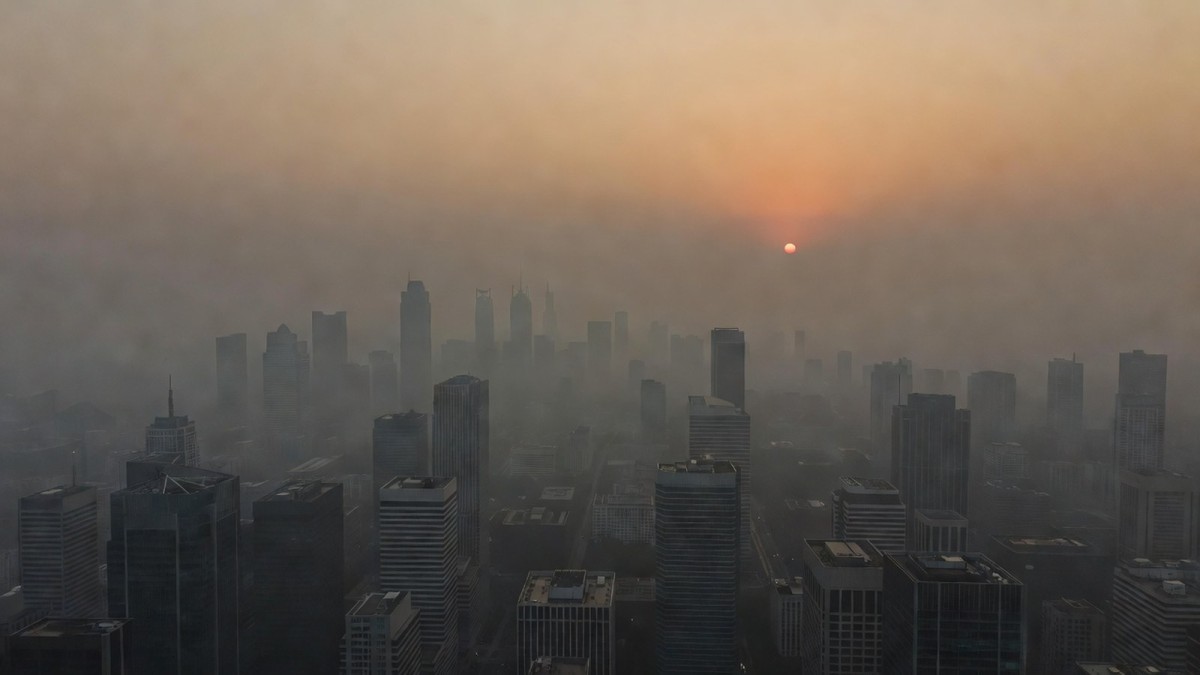
Mayor Thomas Cazenave announced on Sunday that the city council is considering a total evacuation if the blaze continues its advance. Bordeaux City Council is currently studying scenarios for all possible ways the fire could evolve, with the situation described as fluid and highly dangerous. French interior minister Laurent Nunez has characterised the fire as extremely virulent and unpredictable again, generating its own wind and complicating containment efforts. At the start of the night, in Gironde, the fire became extremely virulent and unpredictable again, though by the end of the night it had calmed down somewhat. Nunez also confirmed that 50,000 additional people were evacuated overnight as the front advanced. The proximity to such a densely populated area raises profound concerns about public safety and infrastructure resilience. With the fire front advancing rapidly, residents and businesses in the city centre are already experiencing the effects through thick smoke and falling ash, transforming daily life into a haze of uncertainty.
Displacement and Human Cost Across the Region
Around 300,000 people have been displaced this week across affected areas, including 70,000 in central Spain. One man died near Valencia, Spain, underscoring the lethal potential of these blazes. In France, the Gironde department has seen widespread evacuations, with many forced to flee at short notice amid the advancing flames. Marion Girault-Rime, evacuated from Lege-Cap Ferret at 4am, recounted the lingering impact: she still stinks of smoke, as does her car. She was awoken at 4am by an emergency alert on her phone, a dramatic moment that forced her to gather belongings in haste before joining the exodus. Such personal accounts highlight the disruption to thousands of lives, many of whom may not return home for weeks or longer depending on how the fire behaves. The human cost extends beyond immediate flight, encompassing lost livelihoods and the strain on temporary shelters across the region.
Firefighting Efforts Under Strain
Sebastien Berge, head of the Gironde firefighters union, stated that the firefighters are overwhelmed. When there is a fire of this magnitude, it creates its own weather pattern, making traditional suppression tactics less effective. The self-generating winds and extreme heat have turned the blaze into a formidable opponent for emergency services. Berge added that when you see how far it is spreading, he thinks we can now be concerned about the city of Bordeaux itself. Resources are stretched thin as crews battle multiple fronts simultaneously. The scale of the operation demands coordinated support from national and possibly international teams, though the unpredictable nature of the fire continues to test even the most experienced responders. Aerial support has been hampered by the towering smoke columns, forcing ground teams to adopt defensive strategies in many sectors.
Local Voices Amid the Smoke
British restaurant owner Lance Attwood, 58, who owns Sweeney Todd's in Bordeaux city centre, described the scene: the town is full of smoke and ash, with the biggest concern being people's safety. He has lived in Bordeaux for 25 years and has witnessed the city evolve from a quieter provincial hub into a vibrant tourist destination, yet nothing prepared him for cinders blowing across car windscreens like raining ash, bright-red flames visible on the horizon, and a towering pillar of black smoke billowing 20km into the sky. His testimony reflects the anxiety felt by business owners and residents alike as the crisis unfolds. These firsthand reports convey the sensory reality of the disaster, from the pervasive odour of burning vegetation to the visible ash settling on streets and vehicles. Communities are rallying to support one another, yet the psychological toll of prolonged exposure to poor air quality cannot be overlooked.
The Science Behind the Flames
The fire generates its own wind through a pyrocumulonimbus effect, where intense heat creates thunderstorm-like conditions that can spawn new lightning strikes and further ignite vegetation. This phenomenon turns the blaze into a self-sustaining system, far beyond ordinary wildfire behaviour. Climate change links are clear, as rising average temperatures dry out Mediterranean ecosystems that were once more resilient. Pine forests and scrubland in south-western France now carry higher fuel loads, making ignition easier and spread faster during prolonged heatwaves. Scientists warn that such firestorms may become more common without decisive emissions cuts, altering landscapes and threatening biodiversity across the continent. Research into these dynamics is accelerating, with French and European meteorologists collaborating to improve early-warning models.
Implications for British Nationals and Policy Context
British expats and holidaymakers in the region face difficult decisions regarding their safety and travel plans. The UK Foreign Office has issued updated travel advice urging caution for those in or near affected zones, advising against all but essential travel to parts of Gironde and recommending that vulnerable individuals monitor air quality closely. British Airways, easyJet and Ryanair have reported flight disruptions at Bordeaux airport, with several routes cancelled or delayed due to smoke. UK emergency services are studying the French response for lessons on large-scale coordination. The Climate Change Committee has drawn comparisons between UK and French preparedness, noting that while Britain has invested in flood defences, wildfire adaptation strategies lag behind those in southern Europe. These events underscore the need for cross-border knowledge sharing on climate resilience.
What Happens Next — Contingency Plans
The city council has outlined a staged evacuation plan that could see the 1.2 million residents moved in phases if the fire advances further. Priority would be given to those nearest the front, followed by central districts, using road, rail and ferry routes. Comparisons to previous mass evacuations offer perspective: Canada's 2023 wildfires displaced over 200,000, Greece's 2018 Mati fire prompted rapid coastal clearances, and Australia's 2020 bushfires tested national coordination on an unprecedented scale. The UK Foreign Office advice specifically warns of potential airspace closures and advises travellers to register with the British consulate. Officials stress flexibility, as the situation remains dynamic and demands rapid adjustments based on wind shifts and fire behaviour.
European Heatwave and Long-Term Outlook
The fires form part of a wider pattern of extreme weather across the continent, where rising temperatures exacerbate vegetation dryness and ignition risks. Analysts note that without accelerated action on climate targets, such incidents may become more frequent, affecting economies reliant on tourism and agriculture in both France and the UK. Coordination between European nations will prove essential in the coming days, as the situation remains dynamic and demands flexible responses. The focus now rests on protecting lives while preparing for potential further evacuations if conditions deteriorate. Long-term, investment in forest management and early detection technology could mitigate future threats, though political will varies across member states.
By Erica Thornton, Staff Writer
This article was produced with AI-assisted research and editorial support. Reporting is based on sources cited in the article.
What's Your Reaction?
 Like
0
Like
0
 Dislike
0
Dislike
0
 Love
0
Love
0
 Funny
0
Funny
0
 Wow
0
Wow
0
 Sad
0
Sad
0
 Angry
0
Angry
0

US Politics and Policy Correspondent at Global1.News. Based in Washington DC, covering American politics, policy, elections, and the courts. Knows how the system works and tells you what it actually means.











Comments (0)