
South Korea's Nuclear Submarine Plans: US-ROK SSN Strategy
Strategic background of naval modernization South Korea’s pursuit of nuclear-powered submarines forms part of a broader naval modernization effort shaped by persistent North Korean threats and shifting regional power balances. The Republic of Korea Navy has steadily expanded its fleet through the KSS-III Dosan Ahn Changho-class diesel-electric submarines, establishing critical
Strategic background of naval modernization
South Korea’s pursuit of nuclear-powered submarines forms part of a broader naval modernization effort shaped by persistent North Korean threats and shifting regional power balances. The Republic of Korea Navy has steadily expanded its fleet through the KSS-III Dosan Ahn Changho-class diesel-electric submarines, establishing critical industrial foundations. These platforms provide experience in advanced sonar systems, vertical launch capabilities, and crew training that will transfer directly to future nuclear-powered vessels. Analysts at the Asan Institute note that diesel-electric limitations in endurance and speed necessitate the transition to nuclear propulsion for sustained operations in distant waters.
Inter-Korean naval dynamics have intensified over the past decade, with Pyongyang accelerating its own submarine construction programs. Seoul therefore views nuclear-powered submarines as essential for maintaining credible deterrence and intelligence-gathering capacity. The Korea Research Institute for National Strategy emphasizes that such platforms would allow persistent tracking of North Korean ballistic missile submarines without frequent surfacing. This capability directly supports South Korea’s broader defense reform objectives under the current administration.
Domestic shipbuilding conglomerates have developed sophisticated pressure hull and combat system technologies through successive KSS-III batches. These industrial assets position South Korea to integrate a modified US reactor into an indigenous platform. Academic assessments highlight that the program strengthens conventional deterrence rather than introducing nuclear weapons, consistent with official policy statements.
Regional maritime competition involving China’s expanding submarine fleet further underscores the strategic rationale. South Korean planners must account for potential contingencies in both the East and South China Seas. The nuclear-powered submarine initiative therefore represents a calculated response to multiple overlapping security challenges.
Consultations with Washington have evolved gradually, reflecting the technical and political complexities inherent in transferring sensitive propulsion technology. Early discussions focused on feasibility studies and alliance interoperability requirements. These preliminary exchanges laid groundwork for more substantive negotiations that emerged in 2025.
The 2025 APEC breakthrough
The October 2025 APEC Summit in Gyeongju marked a decisive turning point when President Trump approved South Korea’s nuclear-powered submarine ambition during bilateral meetings with President Lee Jae-myung. This endorsement signaled renewed US willingness to support a key ally’s long-term naval requirements. The agreement reflected shared assessments of North Korean missile and submarine advancements that threaten extended deterrence credibility.
Following the summit, technical working groups were established to examine reactor design adaptation and platform integration pathways. Both governments recognized that a South Korean SSN would enhance alliance collective defense capabilities across the Korean Peninsula and surrounding waters. The Korea Research Institute for National Strategy described the development as a milestone in bilateral defense industrial cooperation.
Public statements after the Gyeongju meeting emphasized that any transferred technology would remain under strict US export controls. South Korean officials reiterated that the submarine would not carry nuclear weapons, distinguishing the program from strategic strike platforms. This clarification helped address initial concerns within the non-proliferation community.
The breakthrough also aligned with broader US Indo-Pacific strategy objectives that encourage capable allies to assume greater responsibility for regional maritime security. South Korea’s growing defense industrial base offers potential contributions to undersea warfare interoperability. Analysts at the Asan Institute viewed the APEC outcome as evidence of maturing alliance burden-sharing mechanisms.
Implementation planning commenced immediately after the summit, with both sides identifying priority areas for consultation. These included regulatory frameworks governing sensitive nuclear technology and long-term sustainment arrangements. The process set the stage for detailed negotiations throughout 2026.
Current status and Ahn’s June 2026 statements
By June 2026, US-ROK consultations had progressed sufficiently for both sides to describe the SSN program as a crucial capability at the alliance level. A June 9 Chosun Ilbo report indicated that Washington raised no formal objection to South Korea’s pursuit of nuclear propulsion. This development reflected sustained diplomatic engagement and technical confidence-building measures.
Defense Minister Ahn Gyu-back stated on June 14 that domestic construction of the first vessel had not yet been fully agreed upon. He noted that Seoul would propose a concrete target timeline during upcoming working-level meetings. The minister’s remarks underscored that critical decisions regarding industrial participation and technology transfer modalities remained under active discussion.
A May 27, 2026 KOREA NOW video highlighted the ongoing stalemate in certain technical areas while acknowledging incremental diplomatic progress. The report captured expert commentary on the challenges of adapting US reactor designs to Korean hull forms. Such public discourse reflects the government’s measured approach to information release.
Seoul continues to coordinate closely with US counterparts on regulatory compliance and safety standards. The Asan Institute has published assessments stressing the importance of transparent timelines to maintain domestic political support. These analyses also examine potential synergies with existing KSS-III production lines.
Minister Ahn’s comments signaled that South Korea intends to present a realistic schedule aligned with mid-2030s delivery objectives. This approach balances technological ambition with alliance coordination requirements. Further consultations are expected to clarify remaining procedural steps.
Technical specs, reactor, and costs
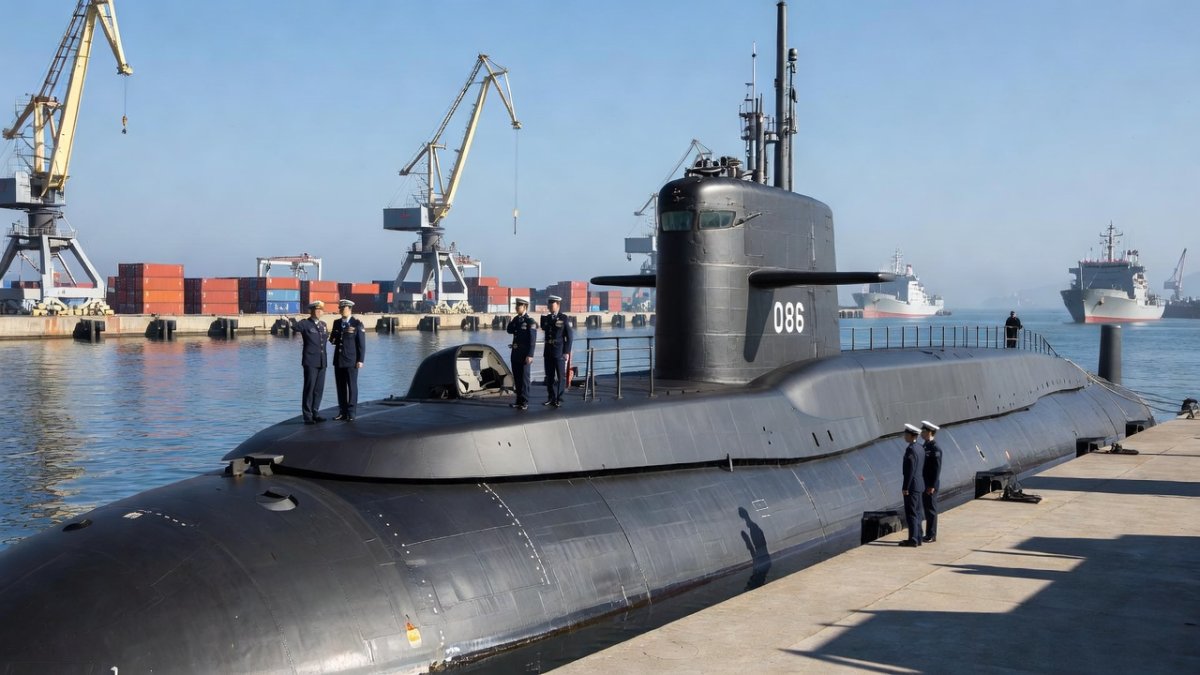
The planned South Korean SSN will incorporate a modified US reactor design adapted to a domestically developed platform. This hybrid approach leverages proven American propulsion technology while incorporating Korean advances in hull construction and combat systems. The resulting vessel is expected to achieve significantly greater submerged endurance than current KSS-III submarines.
Estimated costs range between five and eight billion dollars per submarine, reflecting the complexity of nuclear propulsion integration and specialized crew training. These figures account for initial infrastructure investments at shipyards and long-term maintenance facilities. The Korea Research Institute for National Strategy has modeled various funding scenarios involving both government budgets and potential industrial partnerships.
South Korea would become the seventh country to operate nuclear-powered attack submarines, following the United States, Russia, the United Kingdom, France, China, and India. This status carries substantial prestige and operational implications for regional undersea warfare dynamics. Technical teams are examining reactor shielding and acoustic signature reduction measures specific to Korean operating environments.
Integration with existing KSS-III design elements offers opportunities to control costs and accelerate construction schedules. Vertical launch systems already proven on diesel-electric boats could be retained or enhanced. The Asan Institute notes that such continuity reduces technological risk while meeting alliance interoperability standards.
Training pipelines for nuclear-certified crews represent another critical workstream currently under discussion. South Korean naval personnel would require extended instruction at US facilities before independent operations commence. These human capital investments form an essential component of overall program viability.
North Korean reactions
Pyongyang has issued strong condemnations of South Korea’s nuclear-powered submarine program while simultaneously displaying its own submarine construction activities. North Korean state media have framed the ROK initiative as destabilizing and provocative. These statements align with longstanding patterns of rhetorical escalation surrounding advanced South Korean weapons acquisitions.
Despite the criticism, North Korea continues to prioritize submarine-launched ballistic missile capabilities. Imagery released in recent months shows ongoing work at relevant shipyards. The contrast between condemnation and parallel development illustrates the competitive nature of Korean Peninsula naval modernization.
Seoul maintains that its SSN will remain conventionally armed and focused on deterrence and surveillance missions. This distinction has not prevented North Korean officials from linking the program to broader alliance nuclear posture concerns. Inter-Korean dialogue channels have shown little progress on military confidence-building measures in this area.
Regional analysts observe that North Korean reactions serve domestic political purposes while signaling resolve to external audiences. The Asan Institute has documented similar rhetorical cycles following previous South Korean naval advancements. Sustained monitoring of Pyongyang’s submarine activities remains a priority for alliance intelligence sharing.
Diplomatic efforts to address North Korean concerns have thus far yielded limited results. Seoul continues to emphasize transparency regarding the non-nuclear nature of its planned submarine. Future inter-Korean military talks may revisit this issue if political conditions improve.
Alliance burden-sharing in Pacific
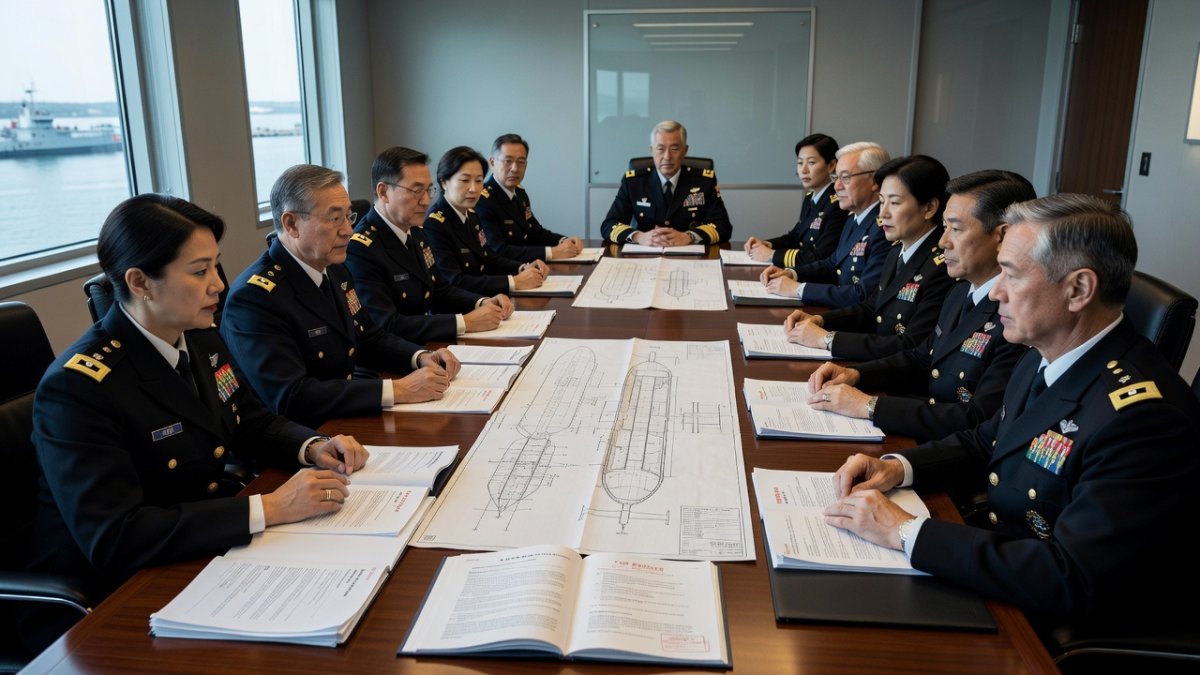
The SSN program contributes to evolving alliance burden-sharing arrangements across the Indo-Pacific. South Korea’s acquisition of nuclear-powered submarines would expand the range and persistence of joint operations with US forces. This development supports Washington’s objective of distributing maritime security responsibilities among capable partners.
Consultations have explicitly framed the submarine as an alliance-level asset rather than a purely national capability. This characterization facilitates technology transfer discussions and operational planning. The Korea Research Institute for National Strategy highlights potential contributions to combined anti-submarine warfare and intelligence collection.
Industrial cooperation elements could strengthen defense ties beyond the immediate submarine project. Korean shipyards may participate in future US-led undersea programs, creating reciprocal benefits. Such arrangements reflect broader trends toward integrated alliance supply chains.
Strategic assessments at the Asan Institute connect the SSN initiative to trilateral cooperation frameworks involving Japan. Enhanced South Korean undersea capabilities could complement existing US and Japanese assets in Northeast Asian waters. This layered approach strengthens collective deterrence without requiring proportional US force increases.
Political sustainability of the program depends on continued bipartisan support in both capitals. Regular high-level consultations help maintain momentum amid changing administrations. The mid-2030s target provides a concrete benchmark for measuring alliance coordination effectiveness.
Non-proliferation and NNPA
The US Atomic Energy Act’s NNPA provisions require presidential waivers for the transfer of nuclear propulsion technology. South Korea’s program therefore necessitates careful navigation of non-proliferation regulations. Both governments have committed to maintaining the highest standards of safeguards and export controls throughout the process.
Seoul has repeatedly affirmed that the submarine will not carry nuclear weapons, distinguishing propulsion technology from warhead delivery systems. This policy stance addresses core non-proliferation concerns while enabling operational requirements. The Asan Institute has examined comparable arrangements with other allied navies.
Technical consultations include detailed discussions of fuel supply, spent fuel management, and inspection protocols. These measures aim to satisfy both US legal requirements and international non-proliferation norms. The Korea Research Institute for National Strategy emphasizes the importance of transparent implementation to sustain allied confidence.
Waiver deliberations involve multiple US agencies and congressional oversight committees. South Korean officials have engaged in extensive briefings to demonstrate commitment to responsible stewardship. Progress in these areas directly influences the overall program timeline.
Long-term non-proliferation assurances will remain central to alliance management of the SSN project. Regular reviews and joint working groups provide mechanisms for addressing emerging concerns. This framework supports both technological advancement and regulatory compliance.
Forward strategic outlook
Looking ahead, South Korea’s nuclear-powered submarine program represents a significant evolution in alliance capabilities and regional deterrence posture. Successful realization of the mid-2030s target would position the Republic of Korea among an elite group of naval powers. Continued US-ROK consultations will determine the pace and scope of technology transfer.
Domestic political consensus and industrial readiness constitute critical enabling factors. The current administration’s commitment, combined with established shipbuilding expertise, provides a solid foundation. The Asan Institute and Korea Research Institute for National Strategy continue to offer detailed policy recommendations.
North Korean responses and broader regional reactions will require careful diplomatic management. Seoul’s consistent messaging regarding conventional armament helps mitigate proliferation concerns. Sustained alliance coordination remains essential for navigating these complexities.
Future milestones include finalization of reactor adaptation agreements and initiation of detailed design work. Each step will test the resilience of bilateral consultation mechanisms established since the 2025 APEC Summit. The program’s trajectory offers a case study in alliance adaptation to emerging security challenges.
Ultimately, the SSN initiative underscores South Korea’s growing role in Indo-Pacific maritime security architecture. Its successful implementation would enhance both national defense and collective alliance objectives for years to come.
By Prof. David Park, Staff Writer
This article was produced with AI-assisted research and editorial support. Reporting is based on sources cited in the article.
What's Your Reaction?
 Like
0
Like
0
 Dislike
0
Dislike
0
 Love
0
Love
0
 Funny
0
Funny
0
 Wow
0
Wow
0
 Sad
0
Sad
0
 Angry
0
Angry
0

East Asia/Technology Correspondent at Global1.News. Seoul-based voice covering Korean politics, technology, business, and culture. Analyzes how technology and geopolitics intersect across East Asia.














Comments (0)