
South Korea's 2026 Ballot Shortage Election Protests
**Meta Description:** Ballot shortages in South Korea's June 2026 vote sparked mass protests demanding a rerun. The election commission chief resigned as public anger mounts. **Keywords:** South Korea, 2026 local elections, ballot shortage, election protests, National Election Commission, Democratic Party of Korea, Lee Jae-myung, election rerun, Seoul mayoral race, electoral in
The Ballot Shortage Crisis
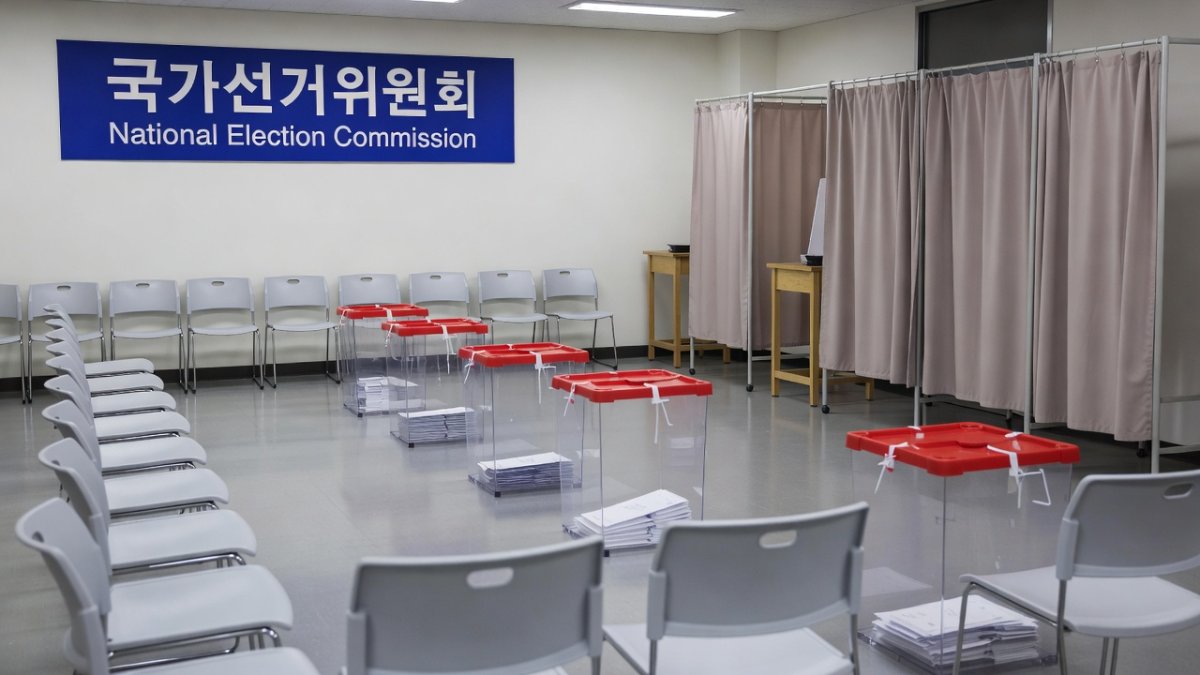
The 9th local elections held on June 3, 2026, were intended to fill 4,227 positions, including 16 metropolitan mayors and provincial governors. Instead, the day exposed serious operational failures at polling stations across the country. Numerous voters arrived to find insufficient ballots, leaving some unable to participate. These shortages were not isolated incidents but occurred at multiple sites, prompting immediate questions about the National Election Commission's preparedness and logistical planning.
The National Election Commission, responsible for administering national and local polls, acknowledged the disruptions on election day. By June 5, its chief had resigned, citing the scale of the administrative breakdown. A joint investigation involving relevant government authorities was subsequently launched to determine the causes and assign responsibility.
Electoral Fallout and Political Ramifications
Despite the irregularities, the Democratic Party of Korea secured victories in 12 of the 16 major contests. President Lee Jae-myung's party strengthened its position at the subnational level, yet it failed to capture the Seoul mayoralty. This mixed outcome highlighted both the party's organizational reach and the persistent competitiveness of opposition forces in the capital.
The ballot shortages quickly overshadowed these results. Critics argued that the inability to provide ballots to all eligible voters undermined the legitimacy of the entire process. The Asia Times described the episode as a "ballot fiasco" that shook public confidence in Korea's electoral machinery, an assessment echoed in subsequent commentary.
The Protest Movement
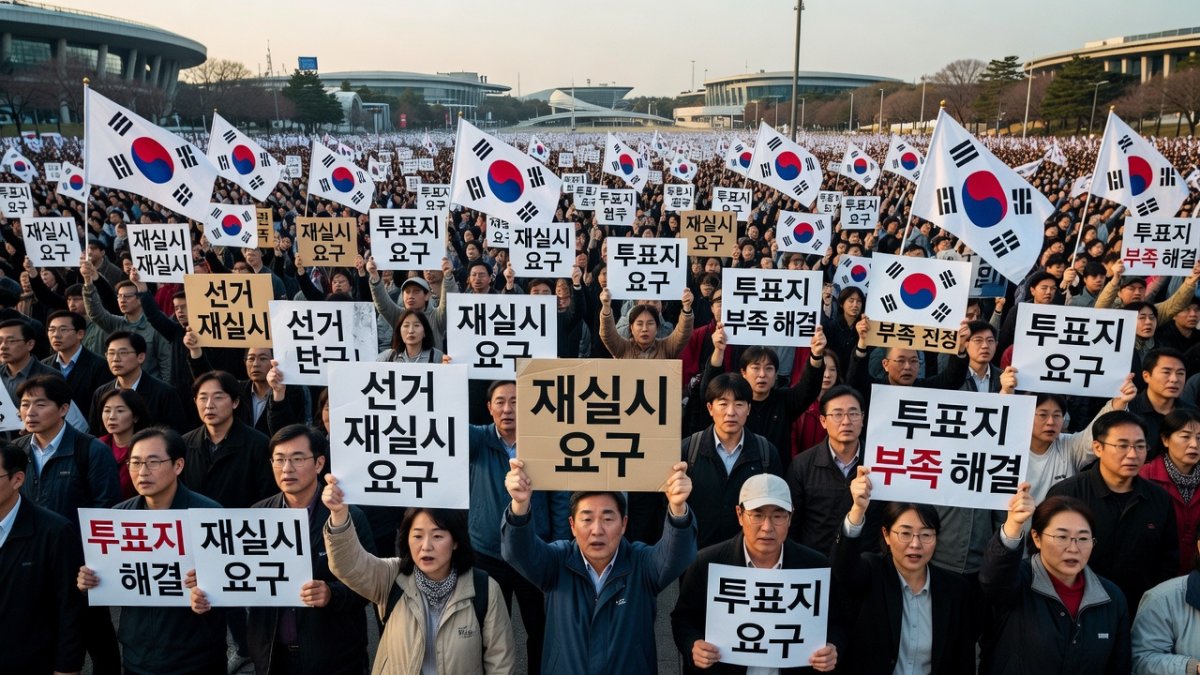
Public reaction materialized rapidly. On June 5, demonstrators gathered at Olympic Park in Seoul, marking the beginning of sustained protests. Thousands of citizens have since called for a full election rerun, arguing that the shortages violated fundamental voting rights. University students have organized additional demonstrations on campuses nationwide, extending the movement beyond its initial urban core.
Bloomberg reported that public anger is mounting, with participants framing the issue as a test of institutional accountability. The protests have remained largely peaceful yet persistent, drawing on Korea's established tradition of civic mobilization. Organizers have referenced the Wikipedia entry "2026 South Korean local election rerun protests" as a central information hub for coordination and documentation.
Implications for South Korean Democracy
South Korea's democratic development since the late 1980s has been characterized by competitive elections and peaceful transfers of power. The current crisis tests the resilience of these institutions. The National Election Commission's resignation and the launch of a formal investigation signal an attempt to restore credibility, yet the demand for a rerun indicates that procedural fixes alone may not suffice.
Scholars note that repeated challenges to electoral administration can erode trust over time. In this instance, the episode coincides with a period of heightened political polarization, making the restoration of confidence particularly urgent. The protests also underscore the continuing role of civil society in holding state agencies accountable.
Regional and International Perspectives
Within Northeast Asia, South Korea's electoral practices are often viewed as a benchmark for emerging democracies. Disruptions of this magnitude invite comparison with neighboring systems and raise questions about the transferability of Korea's institutional model. International observers have monitored the protests closely, assessing whether the response will reinforce or weaken the country's reputation for transparent governance.
The episode also carries implications for inter-Korean relations. Any perception of domestic instability can influence Pyongyang's calculations and affect Seoul's diplomatic posture. Regional partners, including the United States and Japan, have expressed interest in the outcome of the ongoing investigation and the government's handling of public demands.
Looking Ahead
The joint investigation is expected to produce findings that will shape future electoral reforms. Potential measures include enhanced ballot production protocols, real-time monitoring systems, and clearer contingency planning. Whether these steps will satisfy protesters remains uncertain, as many continue to insist on a rerun of the June 3 contests.
The coming months will test the capacity of South Korea's political institutions to reconcile competing claims of electoral legitimacy. The episode serves as a reminder that even mature democracies must continually adapt administrative practices to maintain public trust. As the investigation proceeds and protests persist, the episode will likely influence both domestic policy debates and Korea's standing in regional discussions on democratic governance.
By Prof. David Park, Staff Writer
This article was produced with AI-assisted research and editorial support. Reporting is based on sources cited in the article.
What's Your Reaction?
 Like
0
Like
0
 Dislike
0
Dislike
0
 Love
0
Love
0
 Funny
0
Funny
0
 Wow
0
Wow
0
 Sad
0
Sad
0
 Angry
0
Angry
0

East Asia/Technology Correspondent at Global1.News. Seoul-based voice covering Korean politics, technology, business, and culture. Analyzes how technology and geopolitics intersect across East Asia.














Comments (0)