
Should Israel Defy the White House? Netanyahus Standoff Over Southern Lebanon Security Zone Tests US-Israel Relations
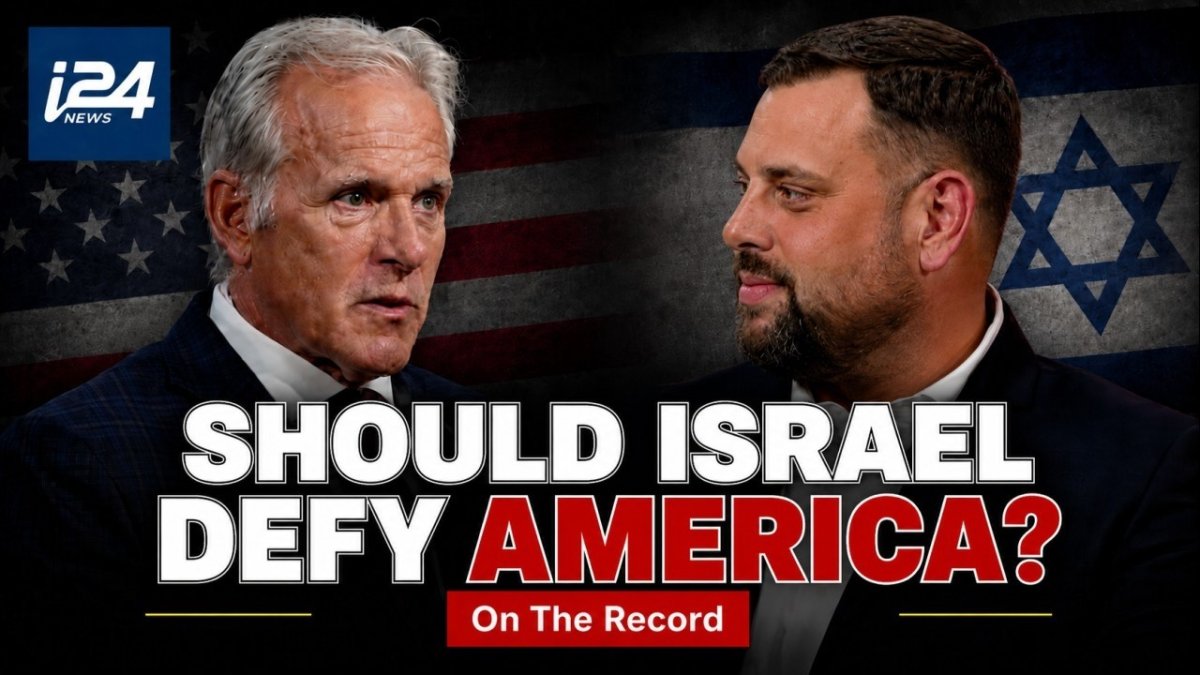
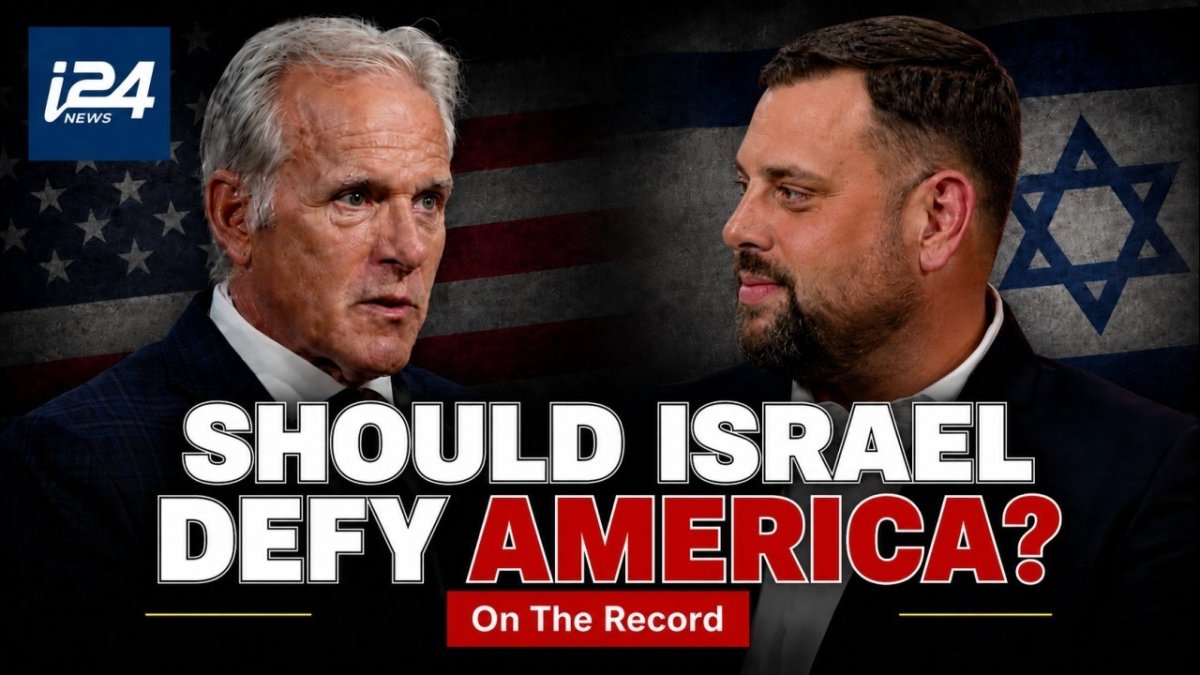
In a recent i24NEWS English broadcast, Middle East analyst Matthew RJ Brodsky and host Natasha Kirtchuk examined the mounting tensions between Israel and the United States over Prime Minister Benjamin Netanyahu's refusal to withdraw Israeli troops from the security zone in southern Lebanon. The discussion, part of i24NEWS's Middle East Now program, came as the White House appli
In a recent i24NEWS English broadcast, Middle East analyst Matthew RJ Brodsky and host Natasha Kirtchuk examined the mounting tensions between Israel and the United States over Prime Minister Benjamin Netanyahu's refusal to withdraw Israeli troops from the security zone in southern Lebanon. The discussion, part of i24NEWS's Middle East Now program, came as the White House applies sustained pressure on Israel to comply with a US-mediated framework agreement signed in Washington on June 26. The standoff raises fundamental questions about the limits of the US-Israel alliance when Israeli security assessments clash with American diplomatic priorities tied to the broader US-Iran peace track.
Should Israel Defy the White House? Netanyahu's Standoff Over Southern Lebanon Security Zone Tests US-Israel Relations
Jerusalem, Israel – July 2026 — Prime Minister Benjamin Netanyahu's refusal to withdraw Israeli troops from the security zone in southern Lebanon has triggered one of the most serious test of wills between Jerusalem and Washington in recent years, as the White House pushes for implementation of a US-mediated framework agreement that Netanyahu says fails to guarantee Israeli security from Hezbollah threats.
The i24NEWS Debate
The i24NEWS English broadcast on June 30 featured analysts Matthew RJ Brodsky and Natasha Kirtchuk examining whether Israel should defy White House pressure over the southern Lebanon security zone. Brodsky argued that withdrawal without ironclad guarantees repeats the 2000 unilateral pullout errors that allowed Hezbollah to rearm along the border near Metula and Kiryat Shmona. Kirtchuk highlighted the 1,000 days since the October 7 massacre and ongoing Gaza operations against Hamas as context for why northern communities remain exposed to Hezbollah's remaining 12,000 rockets and missiles.
Brodsky specifically warned that any phased handover to the Lebanese army must include verified Hezbollah disarmament, citing intelligence assessments showing continued Iranian arms flows through Syria. The discussion tied directly to the Knesset Foreign Affairs and Defense Committee closed sessions scheduled for early July to review the June 26 framework agreement signed in Washington. Both analysts connected the debate to broader regional Iran tensions that have persisted since the 2023-2026 escalation cycle.
The program underscored Israeli security concerns that any US-Iran peace deal terms forcing rapid withdrawal could leave IDF positions vulnerable without Hezbollah's full retreat from the zone. This analysis aligns with Prime Minister Benjamin Netanyahu's public statements rejecting partial measures that fail to address the threat to northern Israeli residents.
Netanyahu's Visit and Direct Message
On June 30, Prime Minister Benjamin Netanyahu visited IDF troops deployed in the occupied southern Lebanon security zone, marking his first such trip since the June 26 framework agreement. During the visit, Netanyahu told soldiers that Israel would not withdraw from the area as long as Hezbollah continues to threaten northern communities including Metula and Kiryat Shmona. He directly addressed Iran and Hezbollah with the message to get out of Lebanon, emphasizing that the 1,000 days since the October 7 massacre have reinforced Israel's need for defensible borders.
Netanyahu's statements came amid ongoing Gaza operations against Hamas and amid intelligence reports confirming Hezbollah still possesses approximately 12,000 rockets and missiles. The prime minister linked the visit to the IDF's elimination of roughly 9,000 Hezbollah militants since March 2026, arguing that military gains must not be surrendered without concrete disarmament steps. Israeli officials present noted that the security zone remains essential to prevent rocket fire into civilian areas.
The visit also preceded Netanyahu's July 3 talks with President Trump, during which both leaders agreed to hold a follow-up meeting in the United States. Netanyahu used the troop address to signal that any US-mediated deal must prioritize Israeli security over external diplomatic timelines.
The Framework Agreement in Detail
The June 26 Israel-Lebanon framework agreement, signed in Washington under US mediation, outlines a phased Israeli withdrawal from two designated areas in southern Lebanon in exchange for Hezbollah disarmament and Lebanese army deployment. The deal specifies that Israel will transfer control of these zones only after verified steps toward removing Hezbollah infrastructure and fighters. US officials tied the agreement to broader efforts to reduce regional tensions involving Iran.
Under the terms, the Lebanese army is expected to assume security responsibilities in the handed-over territories while preventing Hezbollah re-infiltration. The agreement does not set a fixed withdrawal date but conditions each phase on compliance benchmarks monitored by US and international observers. Israeli defense officials have stressed that the 12,000 remaining Hezbollah rockets make any rushed timeline unacceptable.
The framework emerged after months of negotiations that also referenced the 1,000 days of conflict since October 7. Knesset committees are now reviewing classified details of the phased plan ahead of the July closed sessions.
Hezbollah's Rejection and Military Posture
Hezbollah chief Naim Qassem immediately rejected the June 26 framework agreement as null and void, stating that the group would not accept any deal limiting its presence in southern Lebanon. Qassem's statement came hours after the Washington signing and reaffirmed Hezbollah's commitment to maintaining its rocket arsenal estimated at 12,000 projectiles. Intelligence assessments indicate Hezbollah continues to receive arms shipments through Syria despite the agreement.
Since March 2026, the IDF has killed approximately 9,000 Hezbollah militants in operations targeting launch sites near the border with Metula and Kiryat Shmona. Despite these losses, Hezbollah maintains operational capacity to strike northern Israeli communities, a reality that Netanyahu cited during his June 30 troop visit. The group's rejection leaves the Lebanese army as the sole potential partner for implementing the phased handover.
Hezbollah's posture directly challenges the US-mediated framework by refusing disarmament conditions. Israeli security sources report that the group has repositioned remaining forces to avoid further attrition while sustaining supply lines from Iran via Syria.
US Diplomatic Pressure and Iran Link
The White House has applied direct pressure on Israel to complete the withdrawal from southern Lebanon as part of terms linked to a potential US-Iran peace arrangement. US diplomats have framed the June 26 framework as essential for de-escalating regional tensions that have lasted through the 1,000 days since October 7. Netanyahu's July 3 call with President Trump addressed these demands while securing agreement for an in-person meeting in the United States.
Israeli officials note that the US push coincides with ongoing Gaza operations against Hamas and wider Iran-backed threats across multiple fronts. The administration has indicated that full implementation of the Lebanon deal could unlock additional diplomatic incentives, yet Netanyahu has conditioned any movement on verified Hezbollah disarmament. The Knesset Foreign Affairs and Defense Committee will examine these linkages in upcoming closed sessions.
Analysts on the i24NEWS program highlighted that past withdrawals without guarantees led to Hezbollah entrenchment, a precedent the current government refuses to repeat under external timelines.
Lebanese Sovereignty and Internal Divisions
On July 3, Lebanese President Joseph Aoun described the framework agreement as Lebanon's last chance to restore full sovereignty over southern territories currently influenced by Hezbollah. Aoun's statement emphasized that Lebanese army deployment in the two designated areas represents a critical step toward reducing Iranian proxy control. However, internal Lebanese divisions remain evident, with Hezbollah's rejection creating immediate obstacles to implementation.
The agreement requires the Lebanese army to fill the vacuum left by any Israeli withdrawal, yet Hezbollah's 12,000 rockets and ongoing Syria supply routes complicate this transition. Aoun's position reflects efforts by the Lebanese government to leverage the US-mediated deal amid economic and political crises that have persisted since 2023. Northern Israeli communities continue to face risks as long as these divisions prevent effective disarmament.
Lebanese political factions aligned with Hezbollah have echoed Qassem's null-and-void declaration, further fragmenting support for the phased plan signed in Washington on June 26.
Human Rights and International Reactions
On July 3, Amnesty International joined five additional human rights organizations in criticizing the framework agreement for insufficient protections during any phased Israeli withdrawal. The groups raised concerns about civilian impacts in southern Lebanon and called for independent monitoring mechanisms beyond US oversight. These statements arrived as the IDF maintains positions in the security zone to counter Hezbollah threats to Metula and Kiryat Shmona.
Israeli officials countered that the agreement's disarmament requirements address the root cause of cross-border attacks that have continued for 1,000 days since October 7. The human rights critique did not reference Hezbollah's rejection of the deal or its estimated 12,000 remaining rockets. International responses have largely focused on the US-Iran diplomatic channel rather than on-the-ground security realities in northern Israel.
The Knesset committees reviewing the agreement are expected to weigh these external criticisms against operational needs identified by IDF commanders in the field.
Regional Implications and What Comes Next
The July 3 Netanyahu-Trump discussion sets the stage for further negotiations that could determine whether Israel proceeds with phased withdrawals or maintains the security zone until Hezbollah fully complies. Regional Iran tensions, including arms flows through Syria, remain central to Israeli calculations as the 1,000-day mark since October 7 passes. The Knesset Foreign Affairs and Defense Committee closed sessions will provide classified assessments before any final decisions.
Israeli northern communities such as Metula and Kiryat Shmona stay within range of Hezbollah's arsenal, making verification of the 9,000 militant losses and remaining 12,000 rockets a priority for defense planners. The framework's success depends on Lebanese army performance in the two designated areas, an outcome made uncertain by Naim Qassem's rejection.
President Joseph Aoun's characterization of the deal as Lebanon's last chance for sovereignty adds diplomatic weight, yet Hezbollah's continued operations suggest limited immediate progress. Analysts expect the upcoming US meeting to clarify whether Washington will adjust pressure tied to the Iran channel.
Forward movement hinges on whether the IDF can secure guarantees that prevent a repeat of previous withdrawals, a point emphasized by Matthew RJ Brodsky during the i24NEWS debate. The coming weeks will test whether the June 26 agreement produces tangible changes on the ground or remains stalled by Hezbollah's military posture.
By Hannah Berg, Staff Writer
This article was produced with AI-assisted research and editorial support. Reporting is based on sources cited in the article.
What's Your Reaction?
 Like
0
Like
0
 Dislike
0
Dislike
0
 Love
0
Love
0
 Funny
0
Funny
0
 Wow
0
Wow
0
 Sad
0
Sad
0
 Angry
0
Angry
0
Israel Correspondent at Global1.News. Based in Tel Aviv, covering Israeli politics, security, technology, and society. Provides balanced, deeply-sourced reporting on one of the most closely-watched regions in the world.












Comments (0)