
Alberta 35B West Coast Oil Pipeline Carney Smith
In the latest episode of CBC News Power & Politics, which aired this week, viewers saw Danielle Smith interviewed about the pipeline details, followed by Power Panel analysis of the regulatory and economic implications, and Minister of Energy Tim Hodgson explaining why Ottawa sees this as the way to move forward. The Joint Announcement Alberta Premier Danielle Smith and Prime M
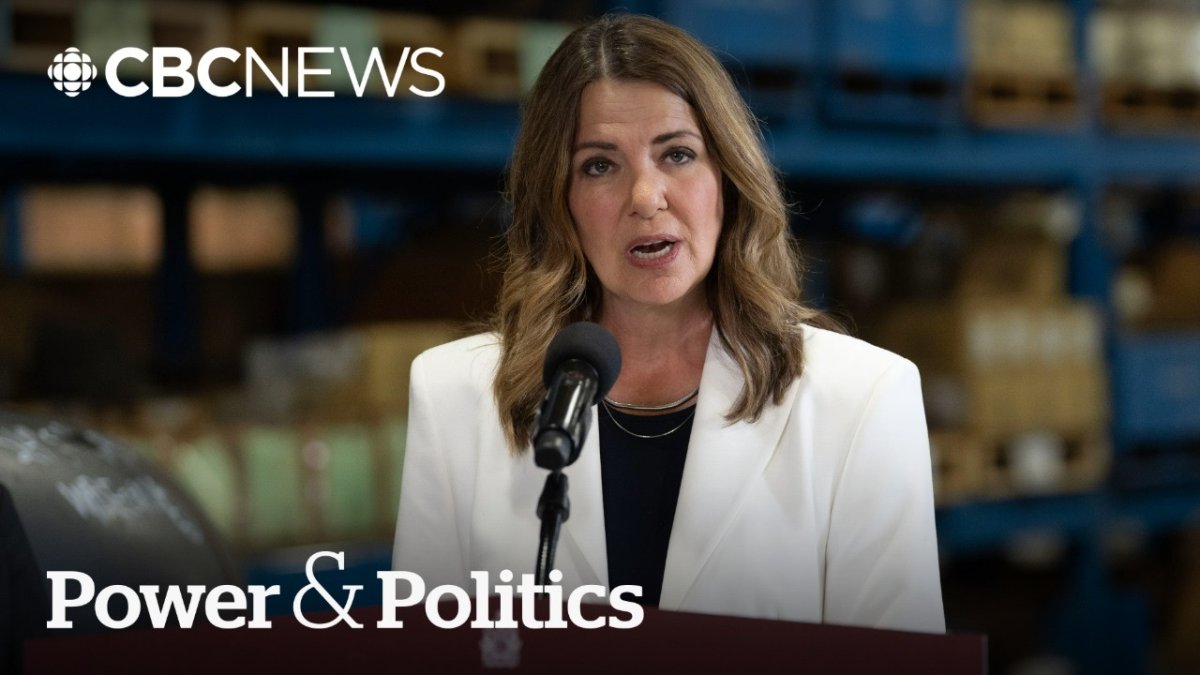
In the latest episode of CBC News Power & Politics, which aired this week, viewers saw Danielle Smith interviewed about the pipeline details, followed by Power Panel analysis of the regulatory and economic implications, and Minister of Energy Tim Hodgson explaining why Ottawa sees this as the way to move forward.
The Joint Announcement
Alberta Premier Danielle Smith and Prime Minister Mark Carney jointly announced the pipeline proposal on July 2, 2026 in Calgary during a unified federal-provincial press conference. The event highlighted a coordinated approach between the two leaders following the May 2026 federal-provincial implementation agreement that established the foundation for the project. Both officials presented the proposal as a strategic response to shifting trade dynamics and energy needs across Canada.
The Calgary gathering drew immediate attention from federal and provincial officials who emphasised the collaborative nature of the announcement. Smith and Carney stood together to outline how the pipeline would support national economic goals while addressing provincial priorities in Alberta. This joint appearance marked a notable shift from previous tensions between Ottawa and Edmonton on energy files.
Canadian audiences watching the coverage recognised the significance of this alignment for House of Commons debates expected in the coming weeks. Opposition parties have already signalled plans to question the fiscal commitments during committee reviews. The announcement directly ties into broader federal-provincial relations that affect resource development across multiple provinces.
Viewers in energy-producing regions noted how the press conference connected to daily concerns about job stability and government revenues. The unified front presented by Smith and Carney aims to streamline future approvals while maintaining public accountability through parliamentary processes. This approach reflects ongoing efforts to balance regional interests with national policy objectives.
Pipeline Route and Cost
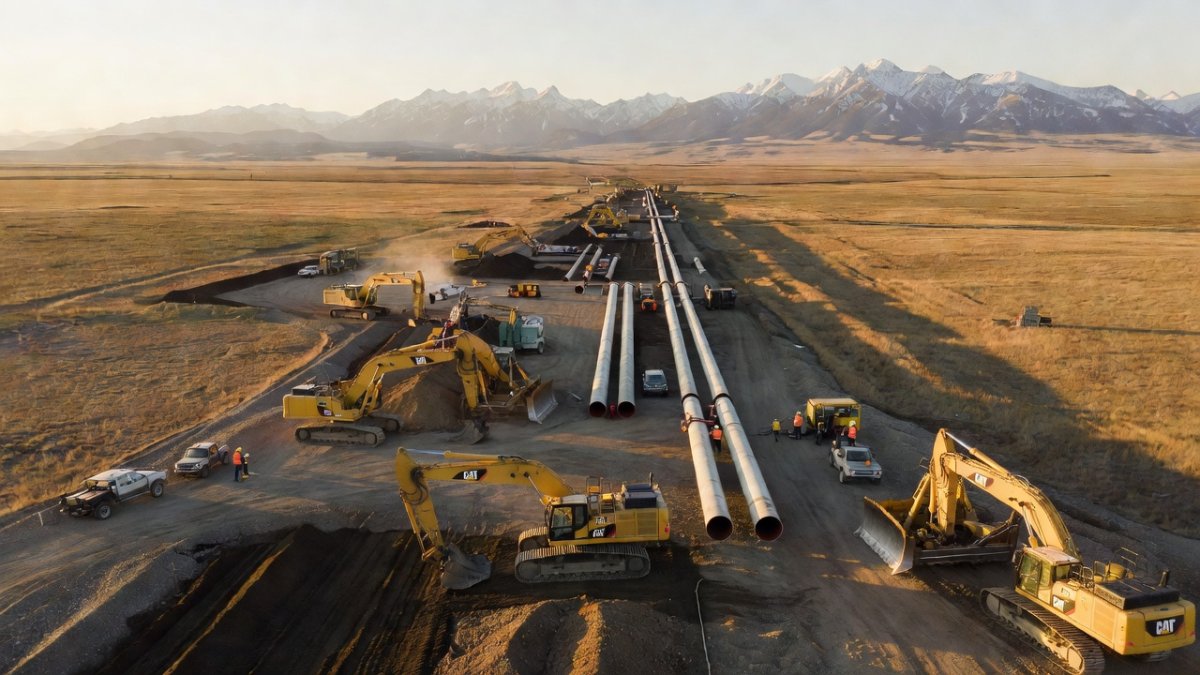
The proposed route runs from Edmonton through southern British Columbia to the coast rather than the northern path near Prince Rupert that Smith had advocated earlier. Trans Mountain Corporation, the government-owned Crown corporation, will lead all planning and construction activities for the project. This southern corridor selection reflects adjustments made during the May 2026 federal-provincial implementation agreement.
Alberta's Major Projects Office submission places the total cost between $35.2 billion and $43.7 billion with a completion target between 2032 and 2034. The eight-to-ten-year timeline includes regulatory reviews and construction phases designed to enable tanker exports to Asian markets. Officials have linked this timeline to energy trade diversification goals that reduce reliance on traditional export routes.
Analysts have already flagged the cost range as a central issue for federal budget discussions in Ottawa. The involvement of Trans Mountain Corporation brings established operational experience from existing infrastructure but also raises questions about public investment levels. These figures connect directly to taxpayer considerations in provinces that contribute to federal revenues.
The route decision affects communities along the southern British Columbia corridor who will participate in upcoming consultation processes. Project planners have committed to detailed environmental assessments that incorporate provincial input from both Alberta and British Columbia. This structure supports broader Canadian objectives around responsible resource development and trade expansion.
The CUSMA Context
The United States decision not to renew CUSMA created immediate pressure for Canada to accelerate trade diversification efforts beyond North American markets. Federal officials have cited this policy shift as a key driver behind the July 2, 2026 announcement in Calgary. The pipeline proposal positions Canadian energy exports toward Asian destinations as an alternative pathway.
House of Commons committees have begun examining how the loss of CUSMA renewal affects multiple sectors including energy, agriculture and manufacturing. Alberta's proposal responds directly to these federal concerns by targeting new revenue streams from overseas buyers. This development ties into ongoing discussions about supply chain resilience across the country.
Canadian businesses in the energy sector have tracked these trade changes closely since the CUSMA announcement. The pipeline timeline aligns with federal strategies to expand market access while maintaining existing relationships with American partners. Such diversification efforts influence employment patterns in resource-dependent communities from coast to coast.
The urgency around CUSMA has also prompted renewed focus on federal-provincial coordination mechanisms established in the May 2026 agreement. Officials in Ottawa view the pipeline as one component of a larger response to evolving international trade conditions. This context helps explain why the project received joint endorsement from both levels of government on July 2.
Carbon Capture Condition
Prime Minister Mark Carney has made the Pathways carbon capture project a central condition for continued federal support of the pipeline initiative. Alberta has agreed to maintain its carbon pricing system in exchange for streamlined regulatory reviews that could accelerate project milestones. This arrangement builds on the May 2026 federal-provincial implementation agreement.
The Pathways project represents a major investment in emissions reduction technology tied directly to oil sands operations in northern Alberta. Federal requirements link pipeline approval processes to measurable progress on these carbon capture initiatives. Officials have presented this linkage as essential for meeting national emissions targets.
Canadian climate policy discussions in recent months have centred on how carbon pricing and capture technologies interact with new infrastructure proposals. The July 2 announcement explicitly connects these elements to reassure audiences concerned about environmental commitments. This approach reflects ongoing federal efforts to align energy development with climate obligations.
Residents in provinces with carbon pricing systems have followed these negotiations because they affect household energy costs and industrial competitiveness. The condition on Pathways provides a concrete mechanism for balancing economic expansion with emissions management. Federal and provincial governments will report jointly on progress during future parliamentary sessions.
Industry and Expert Reaction
Cenovus Energy described the project as unfinanceable in statements released immediately after the July 2 announcement citing concerns over capital requirements and market conditions. CIBC analysts characterised the 2032 to 2034 timeline as a best-case scenario that faces significant regulatory and construction hurdles ahead. These assessments have shaped early media coverage of the proposal.
Alberta government documents project tens of thousands of jobs and tens of billions in new government revenues from the pipeline once operational. Former environment minister Steven Guilbeault has raised concerns about both climate impacts and long-term fiscal sustainability of the investment. His comments have prompted responses from current federal officials during Power & Politics segments.
Industry reactions connect to broader debates in the energy sector about project viability under current economic conditions. Canadian workers in oil and gas regions monitor these statements for signals about future employment opportunities. The pushback from major producers highlights tensions between government projections and private sector evaluations.
Parliamentary committees are expected to invite industry representatives to provide testimony on the cost and timeline estimates in the coming months. These hearings will examine how the $35.2 to $43.7 billion range compares with previous major Canadian infrastructure projects. Public discussion of these figures influences voter perspectives on federal and provincial energy strategies.
British Columbia's Role
British Columbia Premier David Eby announced a separate B.C.-Ottawa agreement that includes targeted investments in shipping, mining and forestry sectors alongside the pipeline discussions. This parallel deal addresses provincial priorities distinct from Alberta's focus on oil transport infrastructure. The arrangement emerged from negotiations that followed the May 2026 federal-provincial implementation agreement.
The southern British Columbia route selected for the pipeline passes through regions where Eby's government has emphasised environmental protections and economic diversification. Federal officials have coordinated with B.C. ministries on regulatory alignment to support both the pipeline and the additional sector investments. This dual-track approach reflects jurisdictional realities in Canadian federalism.
Communities in southern British Columbia have begun reviewing how the pipeline corridor intersects with existing land use plans and economic development strategies. The Eby agreement provides funding mechanisms that could offset some local impacts while supporting broader provincial growth objectives. These elements feature in ongoing federal-provincial coordination meetings.
Canadian observers note that B.C.'s separate agreement demonstrates how multiple provinces can advance distinct interests within a single national framework. The July 2 announcement in Calgary incorporated references to these B.C. investments to present a more complete picture of regional benefits. This structure supports continued dialogue between Victoria, Edmonton and Ottawa.
Indigenous Consultation
Federal requirements mandate comprehensive Indigenous consultation processes for the pipeline project in line with UNDRIP obligations and existing Canadian legal standards. Trans Mountain Corporation has begun preliminary engagement with affected First Nations along the Edmonton to southern British Columbia corridor. These steps follow directly from commitments outlined in the May 2026 federal-provincial implementation agreement.
Alberta and federal officials have stated that consultation timelines will run parallel to the Major Projects Office review process. The southern route selection requires specific attention to territories and treaty areas in British Columbia where previous pipeline proposals encountered significant opposition. Government documents emphasise free, prior and informed consent principles throughout the planning phase.
Indigenous communities across Canada have tracked similar consultation requirements on other major resource projects in recent years. The July 2 announcement included explicit references to these obligations as part of the overall project framework. Parliamentary committees will examine how these processes integrate with regulatory approvals during upcoming sessions.
Canadian audiences recognise that meaningful consultation affects project timelines and social licence for energy infrastructure. The involvement of Trans Mountain Corporation brings prior experience with Indigenous partnerships from the existing Trans Mountain expansion. These elements connect to national discussions about reconciliation and resource development.
What Happens Next
The Major Projects Office will now conduct a detailed review of the Alberta submission that includes the $35.2 to $43.7 billion cost range and 2032 to 2034 completion target. Federal and provincial officials have scheduled initial parliamentary briefings for later this month to outline the review timeline. These steps follow the joint announcement made by Smith and Carney on July 2.
Trans Mountain Corporation will coordinate early planning activities while Indigenous consultation processes advance under UNDRIP guidelines. The Pathways carbon capture condition will require parallel progress reports to maintain federal support. British Columbia's separate agreement with Ottawa adds additional coordination requirements across multiple ministries.
Industry responses from Cenovus Energy and CIBC analysts will inform committee examinations of project risks and financing options. Former minister Guilbeault's concerns about climate and fiscal impacts are expected to feature in opposition questioning during House of Commons debates. These elements shape the public record on the proposal.
Canadian readers in resource communities and urban centres alike will follow these developments through regular updates on federal-provincial relations and energy policy. The eight-to-ten-year timeline means decisions made in the coming months will influence economic conditions for years ahead. The unified federal-provincial front presented on July 2 sets the stage for sustained parliamentary and public scrutiny.
By Alex Thompson, Staff WriterThis article was produced with AI-assisted research and editorial support. Reporting is based on sources cited in the article.
What's Your Reaction?
 Like
0
Like
0
 Dislike
0
Dislike
0
 Love
0
Love
0
 Funny
0
Funny
0
 Wow
0
Wow
0
 Sad
0
Sad
0
 Angry
0
Angry
0

Canada Correspondent at Global1.News. Based in Toronto, covering Canadian politics, energy, trade, and US-Canada relations. Provides the Canadian perspective on North American and global affairs.














Comments (0)