
KDDI Launches AI Drone Feasibility Study in SE Asia
KDDI Announces Feasibility Study Launch KDDI Corp. announced on Friday, July 3, 2026 that it will launch a feasibility study for AI-powered drone deployment in Vietnam and the Philippines. The announcement marks a concrete step by the Japanese telecommunications firm to explore operational models in Southeast Asia. The study will examine how AI drones can support specific local
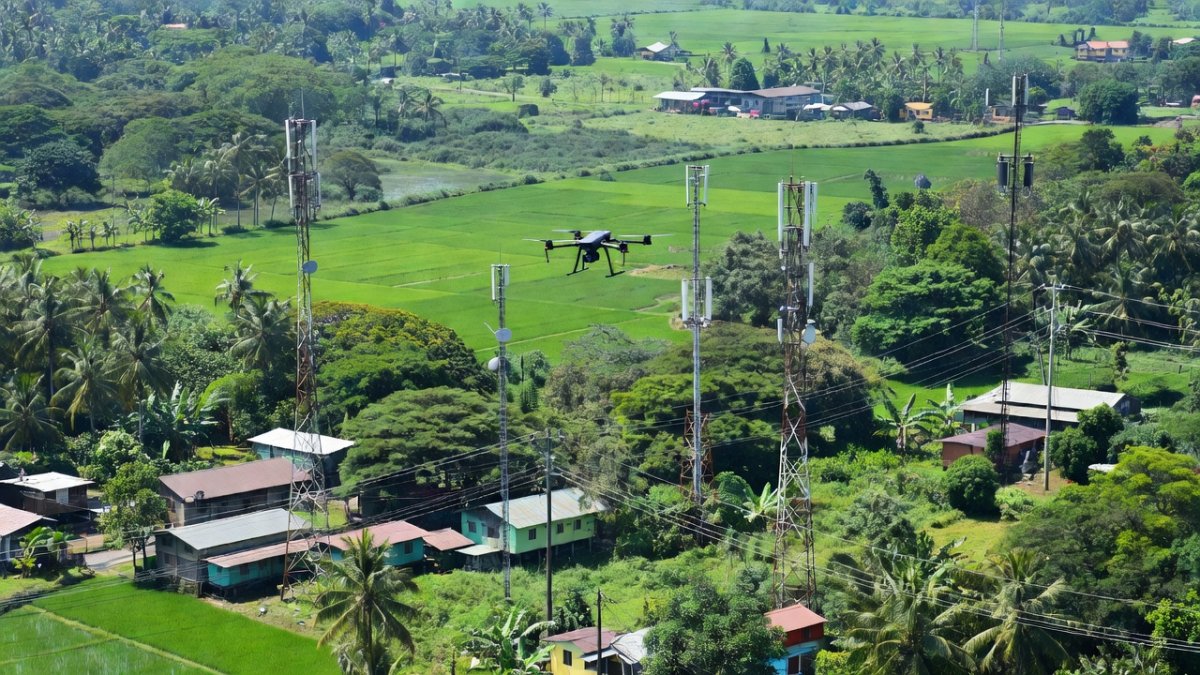
KDDI Announces Feasibility Study Launch
KDDI Corp. announced on Friday, July 3, 2026 that it will launch a feasibility study for AI-powered drone deployment in Vietnam and the Philippines. The announcement marks a concrete step by the Japanese telecommunications firm to explore operational models in Southeast Asia. The study will examine how AI drones can support specific local needs without assuming immediate commercial rollout.
The project receives subsidies under METI's Global South Future-Oriented Co-Creation programme. This funding mechanism supports Japanese companies entering emerging markets through structured assessments. KDDI's initiative aligns directly with the programme's objectives by focusing on practical verification rather than speculative expansion.
KDDI SmartDrone Inc. will conduct the study as the designated operator. This joint venture combines KDDI's telecommunications expertise with Japan Airlines operational experience. The involvement of both entities ensures integrated assessment of communication infrastructure and aviation procedures from the outset.
The study timeline begins immediately following the July 3 announcement. Initial activities center on data collection in the two target countries. Outcomes will inform whether full-scale operations become viable at a later stage.
Partners and Funding Structure
KDDI SmartDrone Inc. operates as a joint venture between KDDI and Japan Airlines. This structure brings together telecommunications network capabilities and airline regulatory knowledge. The partnership allows coordinated evaluation of both technical and aviation requirements in Vietnam and the Philippines.
METI's Global South Future-Oriented Co-Creation programme provides the subsidies supporting the feasibility study. The programme specifically targets Japanese firms developing solutions for emerging economies. Funding covers the assessment phase without committing resources to commercial deployment at this stage.
The collaboration model reflects Japan's established approach to overseas technology projects. KDDI supplies the core connectivity elements while Japan Airlines contributes aviation sector insights. Together they form the operational team responsible for executing the study.
This partnership arrangement ensures that findings on communication environments and civil aviation regulations receive input from both sectors. The structure avoids fragmented assessments by maintaining unified project leadership under KDDI SmartDrone Inc.
Target Use Cases in Detail
The feasibility study focuses on disaster prevention as a primary use case. Vietnam and the Philippines face frequent typhoons, earthquakes, and floods. AI drones offer potential for rapid aerial assessment in affected areas where ground access may be limited.
Patrolling and inspecting infrastructure forms the second major use case. The study will examine applications for telecommunications networks, electricity grids, and road systems. These inspections aim to improve maintenance efficiency through systematic aerial monitoring.
The goal remains verification of an AI drone utilization model that enhances local disaster prevention while improving infrastructure maintenance efficiency. No deployment decisions will precede completion of the assessment phase. The emphasis stays on evidence-based evaluation of operational feasibility.
Both countries present distinct infrastructure profiles that require separate analysis. The study will document how AI drone capabilities align with existing maintenance practices in each location. Results will clarify whether standardized models can apply across different regulatory and environmental conditions.
Assessment Areas Under Review
Market conditions in Vietnam and the Philippines constitute one core assessment area. The study will gather data on local demand patterns and competitive landscapes. This information will help determine commercial viability after the feasibility phase concludes.
Civil aviation regulations represent another key focus. Both countries maintain their own frameworks governing drone operations. The assessment will map current rules and identify any procedural requirements for AI-powered systems.
Communication environments will also undergo detailed review. Reliable data links are essential for AI drone functionality. The study will evaluate existing network coverage and potential gaps in the target regions.
Findings from these three areas will feed into a single integrated report. KDDI and KDDI SmartDrone will use the compiled data to decide on next steps. The process prioritizes regulatory compliance and technical compatibility before any business launch.
Japan's Drone Market Context
Japan's drone market was valued at approximately USD 2.0 billion in 2025. Projections indicate growth to USD 5.1 billion by 2034 at a compound annual growth rate of 10.60 percent. These figures provide background for understanding domestic capabilities that may transfer to overseas projects.
Japan has developed advanced drone regulations and accumulated experience with drone-based disaster response since 2011. This domestic track record informs the approach taken in the current feasibility study. Regulatory familiarity and operational precedents from Japan serve as reference points during assessments abroad.
The METI Global South programme supports Japanese companies entering emerging markets by funding structured studies. Vietnam and the Philippines were selected partly due to shared exposure to natural disasters similar to those Japan has addressed with drone technology. The programme framework encourages knowledge transfer without assuming identical conditions.
KDDI's initiative connects these domestic strengths to regional needs. The feasibility study serves as the mechanism for testing applicability. Outcomes will determine whether Japan's accumulated drone expertise translates effectively to the specific contexts of Vietnam and the Philippines.
Forward-Looking Business Considerations
Based on findings, KDDI and KDDI SmartDrone will consider launching full-scale drone business in Vietnam and the Philippines. The decision process remains conditional on successful verification of the utilization model. No timeline for commercial operations has been set.
The study design emphasizes phased progression. Initial assessments of market conditions, regulations, and communication environments must demonstrate viability. Only then would full-scale deployment receive further evaluation.
This measured approach aligns with the objectives of METI's Global South programme. The programme supports entry into emerging markets through evidence gathering rather than immediate investment. KDDI's project follows this established pathway.
Future decisions will incorporate data collected across both countries. Separate conditions in Vietnam and the Philippines may lead to differentiated strategies. The feasibility study provides the foundation for any such differentiation.
Tags: KDDI, AI drones, Vietnam, Philippines, METI, KDDI SmartDrone, disaster prevention, infrastructure inspection, Japan Airlines, Southeast Asia, drone market, Global South programme
By Kenji Tanaka, Staff Writer
This article was produced with AI-assisted research and editorial support. Reporting is based on sources cited in the article.
What's Your Reaction?
 Like
0
Like
0
 Dislike
0
Dislike
0
 Love
0
Love
0
 Funny
0
Funny
0
 Wow
0
Wow
0
 Sad
0
Sad
0
 Angry
0
Angry
0

Japan Correspondent at Global1.News. Tokyo-based voice covering Japanese politics, technology, economy, and culture. Tracks the intersection of tradition and innovation in one of the world's most dynamic societies.















Comments (0)