
Japanese Audio Lab's Viral Baby Sleep Track Draws Millions
An audio analysis laboratory in Chiba Prefecture, best known for providing forensic evidence in Japanese courtrooms, has found unexpected viral success with a 14-minute musical track designed to help babies sleep. The General Incorporated Association Institute of Audio Communication Laboratory Chiba repurposed its acoustic expertise into a pink noise lullaby that has drawn over
An audio analysis laboratory in Chiba Prefecture, best known for providing forensic evidence in Japanese courtrooms, has found unexpected viral success with a 14-minute musical track designed to help babies sleep. The General Incorporated Association Institute of Audio Communication Laboratory Chiba repurposed its acoustic expertise into a pink noise lullaby that has drawn over 3.8 million views on social media, offering a technology-driven response to a challenge familiar to parents across Japan and beyond.
Japanese Audio Lab's Viral Baby Sleep Track Blends Forensic Acoustics with Infant Care
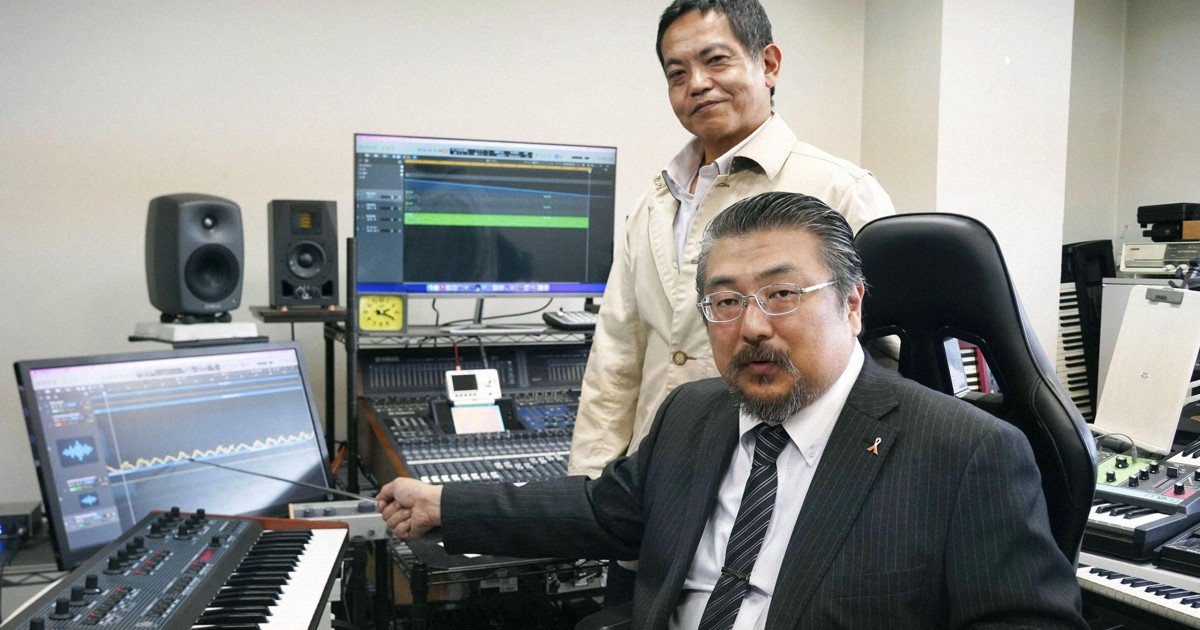
Chiba, Japan - July 9, 2026 - The laboratory, located near Tokyo, typically applies precise audio analysis techniques to support evidence in criminal and civil cases. Director Mutsutoshi Muraoka oversees operations that have examined recordings related to murders, traffic accidents, school bullying, and child abuse. This forensic foundation proved unexpectedly suited to a very different application: helping sleep-deprived parents and their infants find rest.
From Courtroom Evidence to Cradle Comfort
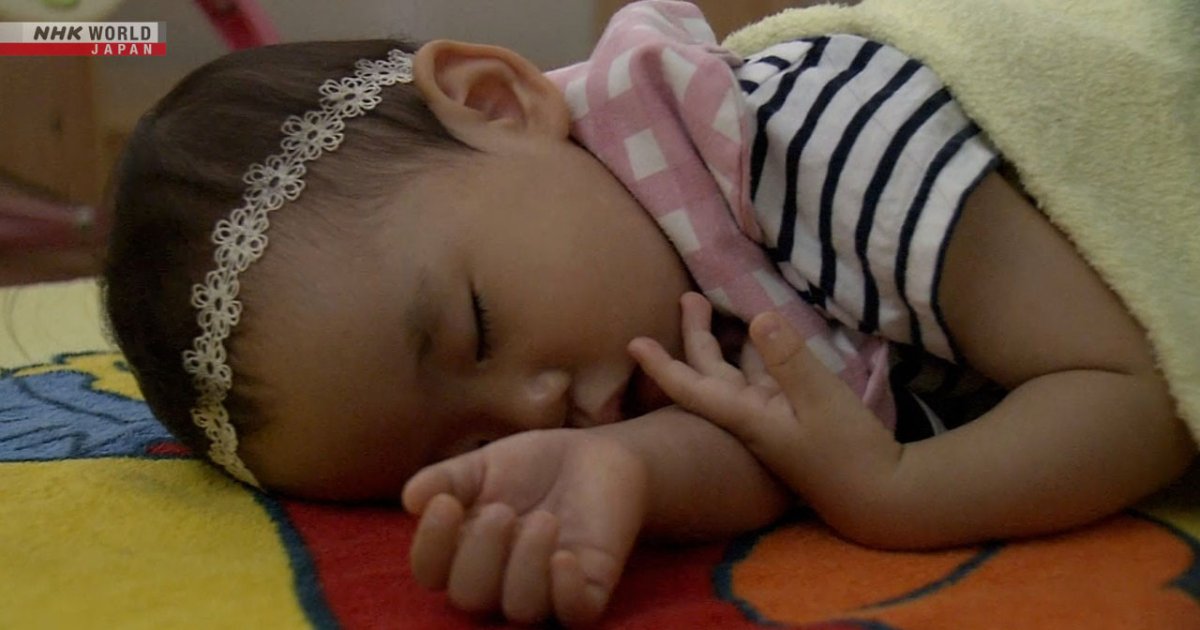
During case reviews, laboratory staff repeatedly encountered instances where parental stress, depression, and exhaustion contributed to child abuse situations. These observations prompted Muraoka to explore whether the laboratory's acoustic methods could be redirected toward prevention rather than prosecution. "I want to help parents or daycare workers, who need even just 30 minutes to rest," Muraoka told Kyodo News, though he acknowledged that not all babies would necessarily fall asleep listening to the music.
Crafting the 14-Minute Lullaby
Muraoka revisited existing studies on sound frequencies and sleep patterns, experimenting with various musical instruments and even recording his own breathing during sleep to examine its acoustic properties. He settled on a combination of high-pitched music-box tones - accessible via standard smartphone speakers - and pink noise, a sound profile characterized by equal energy per octave that resembles ocean waves and a mother's breathing.
Laboratory employee Shinsuke Shibutani composed the final piece in three days. The roughly 14-minute track layers music-box melodies with calming wave-like pink noise, maintaining consistent amplitude throughout to avoid abrupt changes that could disrupt infant rest. No additional hardware or subscription is required - the file is available for direct download from the laboratory's website.
Viral Reach and Measured Impact
Following its release, the track accumulated more than 3.8 million views on X, with the laboratory's website recording approximately 350,000 unique visitors within two weeks. NHK WORLD-JAPAN featured the development in a news segment on July 8, 2026, bringing additional attention to the laboratory's unconventional pivot. The figures reflect organic sharing among caregivers seeking non-pharmacological sleep aids for infants, though the laboratory has not published updated visitor metrics beyond the initial two-week period.
Japan's Technology Ecosystem and Society 5.0 Alignment
The project illustrates a broader trend within Japan's digital transformation strategy. The government's Society 5.0 framework emphasizes the integration of digital technologies to address demographic pressures, including declining birth rates and child-rearing challenges. By converting forensic-grade audio analysis into a freely accessible resource for parents, the laboratory's work aligns with the Digital Agency's goals of improving quality of life through data-driven, human-centered solutions. The approach also mirrors Japan's broader innovation culture, where precision engineering - whether in semiconductors, robotics, or audio forensics - finds applications beyond its original domain.
Technical and Scientific Considerations
Pink noise differs from white noise by emphasizing lower frequencies, which many listeners perceive as more natural and soothing. The laboratory applied its established spectral analysis methods to ensure the music-box elements and wave-like layers remained in acoustic balance throughout the 14-minute duration. Muraoka drew on previous sleep studies to set parameters including tempo and pitch range before Shibutani executed the composition. The resulting file functions on standard consumer devices and requires no specialized playback equipment, consistent with inclusive technology principles promoted under Japan's digital transformation agenda.
Limitations and Caveats
The laboratory has not published peer-reviewed studies measuring long-term sleep outcomes associated with the track. Distribution remains limited to direct download from the institute's website - an option available until the end of June according to earlier reports. While initial viral metrics are well-documented, sustained engagement patterns beyond the first two weeks have not been detailed. The project continues alongside the laboratory's unchanged forensic commitments in Chiba, and Muraoka has emphasized that individual results may vary depending on the infant.
What to Watch For
The laboratory's unexpected crossover success raises questions about whether other Japanese technical institutes - from acoustic engineering firms to sleep research centers - will explore similar applications of specialized analytical tools toward everyday wellness. The track's viral performance also highlights growing demand in Japan for accessible, technology-based solutions to childcare challenges amid declining birth rates and increasing awareness of parental mental health. Whether the laboratory pursues formal clinical validation or expands its catalog of sleep-oriented audio remains an open question as the institute returns focus to its core forensic mission.
By Kenji Tanaka, Staff Writer
This article was produced with AI-assisted research and editorial support. Reporting is based on sources cited in the article.
What's Your Reaction?
 Like
0
Like
0
 Dislike
0
Dislike
0
 Love
0
Love
0
 Funny
0
Funny
0
 Wow
0
Wow
0
 Sad
0
Sad
0
 Angry
0
Angry
0

Japan Correspondent at Global1.News. Tokyo-based voice covering Japanese politics, technology, economy, and culture. Tracks the intersection of tradition and innovation in one of the world's most dynamic societies.















Comments (0)