
Settler Violence and Demolitions Surge Across Occupied West Bank, Rights Groups Warn
In a recent Middle East Eye video interview, Andrey X examines the sharp increase in settler violence and demolitions across the occupied West Bank, highlighting how these incidents reflect broader patterns of displacement affecting Palestinian communities. The discussion connects daily realities on the ground with policy developments such as work permit restrictions and upcomi
In a recent Middle East Eye video interview, Andrey X examines the sharp increase in settler violence and demolitions across the occupied West Bank, highlighting how these incidents reflect broader patterns of displacement affecting Palestinian communities. The discussion connects daily realities on the ground with policy developments such as work permit restrictions and upcoming international events promoting settlement properties. This coverage underscores the human cost amid ongoing occupation.
Escalating Pressures in the Occupied West Bank
Ramallah, Palestine – June 13, 2026 — Andrey X's interview with Middle East Eye sheds light on the intensifying challenges facing Palestinians in the West Bank, where settler attacks and home demolitions have become routine features of life under occupation. The conversation draws attention to statistical rises in violence and the cancellation of work permits that once allowed limited economic movement. These elements combine to create an environment of sustained pressure on families already navigating restricted access to land and resources.
Rising Settler Violence Across the West Bank
Settler killings of Palestinians rose 130 percent in 2025 according to figures cited in the Middle East Eye discussion, with attacks now occurring on a near-daily basis in multiple governorates. Communities near Hebron, Nablus, and Ramallah report frequent incidents involving property damage, livestock theft, and physical assaults that leave residents fearful of leaving their homes after dark. Local farmers describe how olive groves planted decades ago are repeatedly targeted during harvest seasons, disrupting generational agricultural practices that form the backbone of rural economies. Palestinian families recount nights spent guarding fields only to wake to burned trees or poisoned water sources, patterns that echo earlier waves of expansionist activity documented by human rights monitors. The psychological toll is equally severe, with children exhibiting signs of trauma from repeated exposure to armed incursions near schools and playgrounds. Women in affected villages speak of altered daily routines, avoiding certain roads or traveling in groups to reduce vulnerability. These incidents occur against a backdrop of limited accountability, where investigations into settler actions rarely result in prosecutions. The cumulative effect fragments social cohesion and accelerates economic decline in areas already strained by movement restrictions. Historical context reveals that such violence has intensified during periods of political transition, leaving communities to absorb the consequences without adequate international intervention. Daily life in these villages now revolves around risk assessment rather than productive activity, eroding the possibility of stable futures for younger generations.
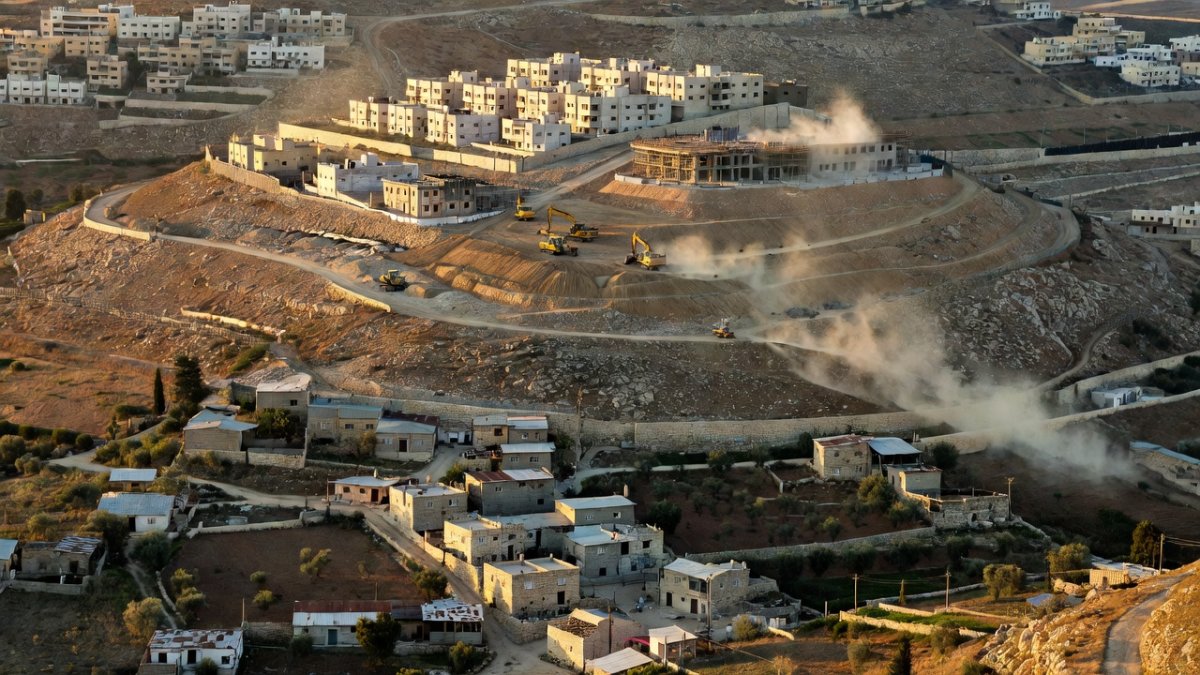
Amnesty International Report on Area C Displacement
Amnesty International released a report describing a state-driven ethnic cleansing campaign targeting Bedouin communities in Area C, which comprises approximately 60 percent of the West Bank. The findings detail systematic demolitions of residential structures, water infrastructure, and agricultural installations that have forced families to relocate multiple times within a single year. Bedouin herders, whose traditional way of life depends on access to grazing lands, face repeated confiscation of tents and solar panels essential for basic survival in arid zones. Children in these communities often miss months of schooling due to repeated displacements, while elders recount how ancestral grazing routes have been severed by new barriers and settlement outposts. The report emphasizes that these actions are not isolated but form part of coordinated efforts to consolidate control over strategic land corridors. Palestinian civil society organizations have documented similar trends for years, noting that Area C remains the primary focus for expansion despite international legal prohibitions. Economic consequences include loss of livestock herds that represent lifetime savings for many households, pushing families into urban poverty where employment opportunities are scarce. Cultural erosion accompanies physical displacement, as traditional knowledge of land management and seasonal migration fades with each forced move. International observers have called for immediate halts to demolitions, yet implementation remains inconsistent. The lived reality for Bedouin families involves constant negotiation with military authorities over permits that are routinely denied, perpetuating a cycle of vulnerability that threatens the survival of entire clans.
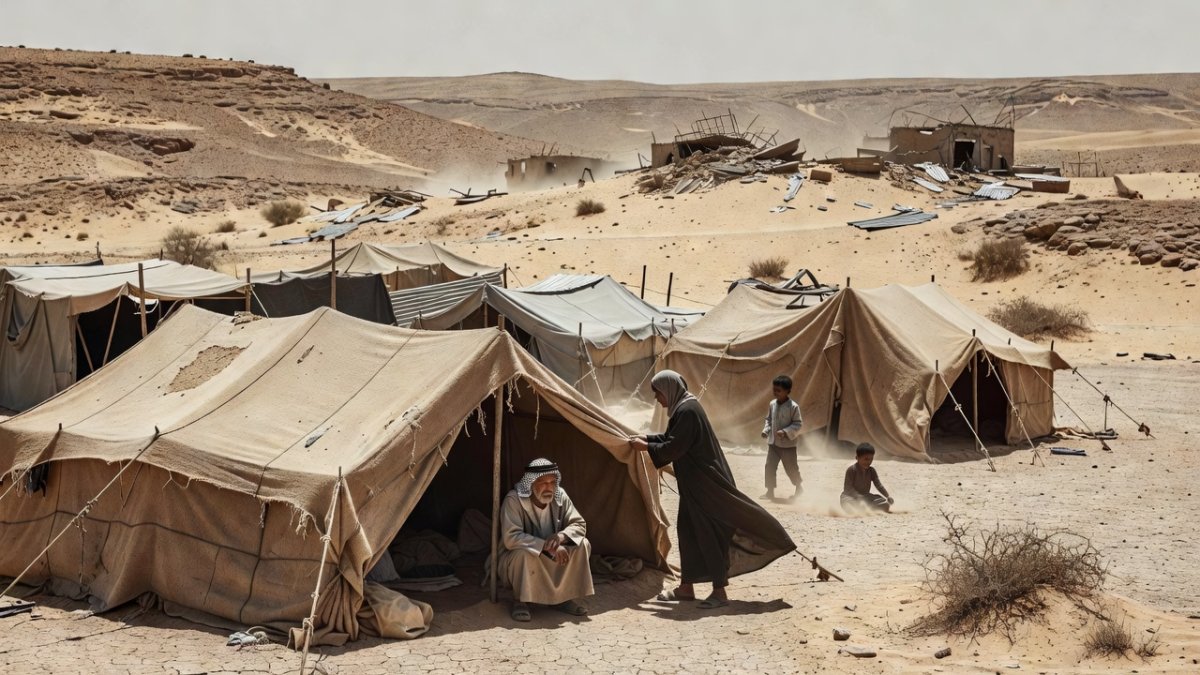
Work Permit Cancellations and Economic Strain
Since October 2023, most Palestinian work permits for employment inside Israel have been cancelled or suspended, severing a critical lifeline for thousands of families dependent on cross-border labor. Construction workers, agricultural laborers, and service employees who once commuted daily now face prolonged unemployment, with household incomes dropping by more than half in many cases. The policy shift has forced individuals to seek alternative income through informal channels, including attempts to cross the separation wall despite explicit orders for Israeli forces to shoot at workers attempting to climb it. This economic vacuum has ripple effects throughout the West Bank, reducing consumer spending in local markets and straining small businesses that rely on remittance income. Families describe selling household assets and livestock to cover basic expenses such as food and medicine, while debt levels rise among communities already burdened by occupation-related costs. Historical patterns show that similar permit restrictions in past decades correlated with spikes in internal migration and social tensions. Younger workers, lacking established networks, bear the brunt of these measures, delaying marriage and family formation. The human impact extends beyond finances to dignity, as skilled tradespeople accustomed to steady employment now queue for limited local day labor under exploitative conditions. Palestinian Authority officials have highlighted the policy's role in deepening humanitarian needs, yet avenues for redress remain limited. Daily existence in affected villages now centers on survival strategies rather than long-term planning, reshaping community aspirations and social structures.
The Death of Imad Ishtayeh and Human Cost
Twenty-seven-year-old Imad Ishtayeh, from near Tulkarm, was shot while climbing the separation wall in search of work after his business collapsed under economic pressures. He died on the operating table, leaving behind family members who depended on his income for survival. His story, referenced in the Middle East Eye interview, illustrates the lethal intersection of permit cancellations and physical barriers that block legal pathways to employment. Relatives describe how Imad had exhausted local job options before attempting the dangerous crossing, a decision made out of desperation rather than defiance. Similar incidents have been reported in other sectors of the wall, where workers weigh the risk of injury against the certainty of household hunger. The tragedy has prompted local vigils and calls for policy reversal, yet the underlying restrictions persist. Community leaders note that Imad's death represents one of many unreported cases where economic necessity overrides safety considerations. Families in Tulkarm and surrounding areas share accounts of young men facing identical dilemmas, highlighting how occupation policies transform routine livelihood pursuits into life-threatening endeavors. The emotional aftermath includes grief compounded by financial hardship, as surviving relatives struggle to cover medical and funeral expenses. This case connects to broader patterns where Palestinian workers are criminalized for seeking employment, eroding trust in systems meant to provide protection. The human dimension reveals individuals reduced to statistics, their aspirations for stable work extinguished by barriers that prioritize control over coexistence.
London Real Estate Event and UK Sanctions
The "Great Israeli Real Estate Event" is scheduled in London this Sunday, openly marketing property in illegal West Bank settlements to international buyers despite new UK government anti-settlement sanctions. The sanctions declare for the first time that there should be no economic involvement in illegal settlements, raising questions about the event's legality that remain unresolved. Organizers continue preparations even as the policy shift signals potential diplomatic consequences for participants. Palestinian observers view the marketing push as an acceleration of land appropriation that undermines prospects for negotiated solutions. The event's persistence amid sanctions underscores gaps between stated policy and enforcement mechanisms. International buyers attending may face future legal scrutiny, yet the immediate effect is continued promotion of properties built on confiscated land. Local Palestinian communities near targeted settlements report increased anxiety over further expansion that could isolate villages and restrict access to resources. The timing coincides with heightened violence documented in the Middle East Eye video, creating a disconnect between diplomatic statements and ground realities. Economic analysts note that such events sustain settlement economies through foreign capital, prolonging displacement pressures on neighboring Palestinian populations. The sanctions represent a potential turning point in UK policy, though their practical impact on the London gathering awaits clarification. This development connects to wider international debates on accountability for settlement activity and its role in perpetuating occupation.
Broader Context of Daily Life Under Occupation
Andrey X emphasizes that the stories covered represent only a handful of daily happenings in the occupied West Bank, where cumulative policies shape every aspect of existence from movement to education and healthcare access. Historical background reveals decades of incremental restrictions that have normalized conditions once considered exceptional. Palestinian resilience manifests in community initiatives such as cooperative farming and youth education programs that persist despite obstacles. Cultural practices around hospitality and collective support provide buffers against isolation, yet these traditions face erosion from sustained economic and physical pressures. The interview connects individual tragedies like Imad Ishtayeh's death to systemic patterns that prioritize territorial control over human security. International attention often fluctuates, leaving local organizations to document incidents and provide immediate aid without consistent global backing. Future trajectories depend on whether new sanctions and reports translate into tangible protections for affected populations. Daily life continues with adaptations that reflect both endurance and exhaustion, as families balance hope for change against immediate survival needs. The Middle East Eye coverage contributes to sustained awareness of these interconnected challenges.
By Fatima Al-Rashid, Staff WriterThis article was produced with AI-assisted research and editorial support. Reporting is based on sources cited in the article.
What's Your Reaction?
 Like
0
Like
0
 Dislike
0
Dislike
0
 Love
0
Love
0
 Funny
0
Funny
0
 Wow
0
Wow
0
 Sad
0
Sad
0
 Angry
0
Angry
0
Gulf/MENA Correspondent at Global1.News. Based in Doha, covering Gulf politics, energy markets, diplomacy, and development across the Middle East and North Africa. Tracks the economic transformation of the Gulf states.











Comments (0)