
Settler Colonialism in Kashmir: An MEE Investigation
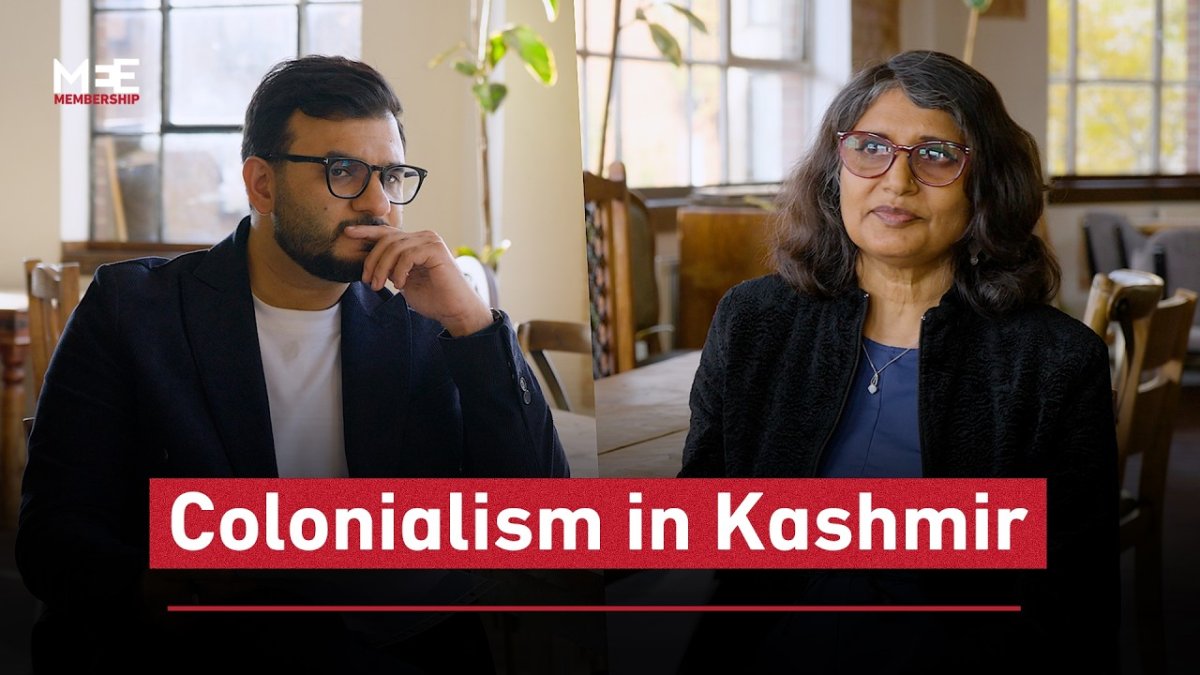
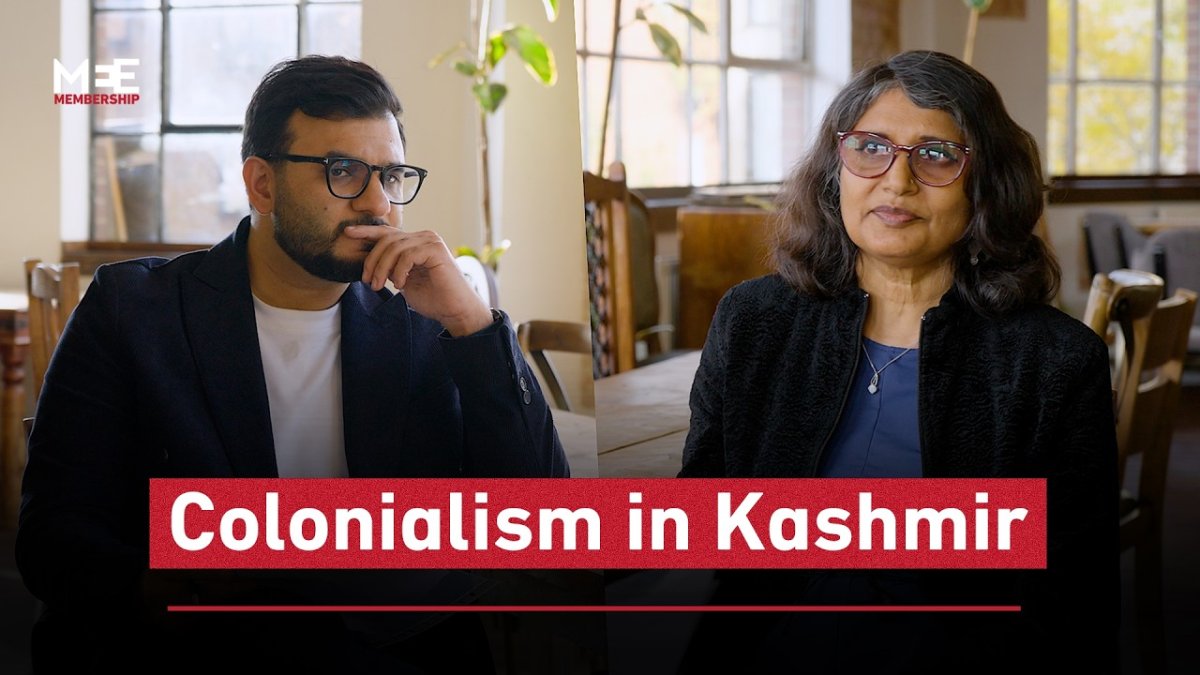
In a recent Middle East Eye report, journalist Azad Essa speaks with academic Goldie Osuri about the Indian state's use of settler colonial tactics in Kashmir. The discussion highlights how land policies, demographic shifts, and legal changes have altered the region's political and social fabric since the late 1940s. Historical Background Since 1947 Kashmir's disputed status da
Historical Background Since 1947
Kashmir's disputed status dates to the partition of British India in 1947. The princely state of Jammu and Kashmir acceded to India under specific conditions outlined in the Instrument of Accession. This agreement preserved significant autonomy for the region, including its own constitution and flag. Successive Indian governments gradually eroded those protections through administrative measures and security laws.
By the 1950s and 1960s, central authorities in New Delhi had already begun integrating Kashmir more tightly into the Indian union. The process accelerated after 1989, when an armed uprising against Indian rule prompted a prolonged military presence. Official figures from Indian government sources placed troop numbers in the hundreds of thousands during peak periods, though independent verification of exact deployments remains limited.
Contemporary Tactics of Demographic and Legal Change
Essa and Osuri examine how land acquisition and residency rules function as tools of demographic engineering. Policies introduced after the 2019 revocation of Article 370 removed the special status that had restricted property ownership to permanent residents. New domicile certificates issued under revised rules opened pathways for non-Kashmiris to purchase land and settle in the region.
Indian officials described these steps as measures to promote investment and integration. Critics, including Kashmiri civil society groups, documented cases of agricultural land being transferred for infrastructure projects and corporate use. Figures on the scale of transfers were not immediately available from neutral monitoring bodies, but local reports recorded increased protests over specific acquisitions in districts such as Anantnag and Baramulla.
The revocation of Article 370 itself occurred on 5 August 2019 through a presidential order and subsequent parliamentary legislation. Communications blackouts and movement restrictions accompanied the decision, lasting several months according to statements from the Indian Home Ministry.
Parallels with Palestinian Experiences Under Occupation
The conversation draws explicit connections between Kashmir and Palestine. Both cases involve external state control over territory, restrictions on movement, and policies that alter population composition. Palestinian communities have faced decades of land confiscation and settlement expansion in the West Bank and East Jerusalem. Kashmiri residents describe similar pressures through new residency laws and security checkpoints that fragment daily life.
Essa notes that ethical solidarity requires recognition of these structural patterns rather than isolated human rights incidents. Osuri emphasizes that the international nation-state framework often treats such situations as bilateral disputes, limiting avenues for accountability. Kashmiri and Palestinian voices have repeatedly called for acknowledgment of their respective self-determination claims in international forums.
Effects on Daily Life and Cultural Continuity
Displacement and economic marginalization appear as recurring themes in the discussion. Families in the Kashmir Valley report loss of access to traditional grazing lands and orchards following new land designations. Youth unemployment remains elevated, with official Indian statistics placing the rate above 20 percent in Jammu and Kashmir in recent years.
Cultural institutions, including schools and media outlets, operate under increased oversight. Local historians and writers have documented efforts to promote narratives that downplay Kashmir's distinct political history. Community leaders interviewed by regional outlets describe these developments as attempts to erode collective identity tied to the land and its pre-1947 status.
Women in particular have faced compounded restrictions, including limitations on public assembly and economic participation during periods of heightened security measures. Reports from Kashmiri women's collectives highlight the long-term psychological effects of sustained surveillance and curfews.
International Frameworks and United Nations Involvement
The United Nations has maintained a position on Kashmir since the 1948 resolutions calling for a plebiscite. Successive Secretary-Generals have reiterated the need for dialogue between India and Pakistan, yet no binding enforcement mechanism has been applied. Human rights bodies within the UN system issued reports in 2018 and 2019 documenting patterns of excessive force and arbitrary detention, though India rejected those findings as politically motivated.
Global civil society organizations continue to advocate for independent monitoring. Statements from groups such as Amnesty International and Human Rights Watch have referenced both Kashmir and Palestine when addressing settler colonial dynamics, urging states to condition diplomatic and economic ties on compliance with international law.
Future Directions and Broader Implications
Essa and Osuri conclude that meaningful change requires transformation of the existing international order rather than incremental reforms. Amplifying Kashmiri perspectives in global discourse forms a central element of this approach. Similar calls have emerged from Palestinian civil society, linking local struggles to wider movements against colonial structures.
Without shifts in how states and institutions address self-determination claims, the patterns documented in Kashmir risk continuation. The discussion underscores that recognition of settler colonial realities offers a framework for understanding these conflicts beyond security or development narratives alone.
By Fatima Al-Rashid, Staff WriterThis article was produced with AI-assisted research and editorial support. Reporting is based on sources cited in the article.
What's Your Reaction?
 Like
0
Like
0
 Dislike
0
Dislike
0
 Love
0
Love
0
 Funny
0
Funny
0
 Wow
0
Wow
0
 Sad
0
Sad
0
 Angry
0
Angry
0
Gulf/MENA Correspondent at Global1.News. Based in Doha, covering Gulf politics, energy markets, diplomacy, and development across the Middle East and North Africa. Tracks the economic transformation of the Gulf states.












Comments (0)