
Mexico Trade Surplus Hits $2.26B in May Boosting Communities
Keywords: Mexico trade surplus, INEGI May exports, non-oil exports growth, maquiladora jobs, USMCA T-MEC, nearshoring Mexico, Sheinbaum economy, manufacturing communities, agricultural exports Mexico Mexico's May Trade Surplus Signals Strength for Everyday Families Mexico recorded a trade surplus of nearly US $2.26 billion in May, a figure that brings tangible relief to communi
Mexico's May Trade Surplus Signals Strength for Everyday Families
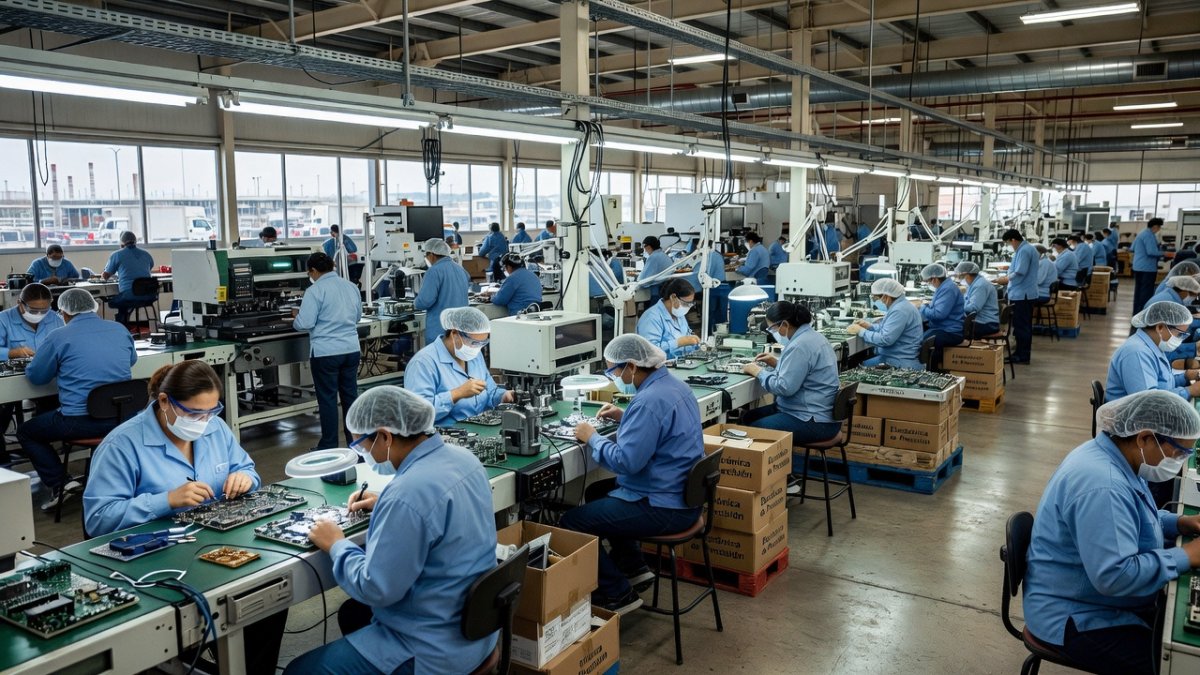
Mexico recorded a trade surplus of nearly US $2.26 billion in May, a figure that brings tangible relief to communities from the border factories to the rural ejidos. Total exports climbed to US $69.54 billion, reflecting a 25.4 percent increase from the same month last year. This growth, reported by INEGI, shows how steady demand for Mexican goods continues to support jobs and household incomes across the country.
While the surplus is smaller than April's US $4.52 billion, the overall trend remains positive. The January-to-May accumulated surplus reached nearly US $5.77 billion, far above the US $918 million recorded in the first five months of 2025. For families in manufacturing towns and agricultural regions, these numbers translate into more stable paychecks and opportunities to plan for the future.
Breaking Down the Export Numbers That Matter Locally
Non-oil exports grew 25.6 percent year-on-year, reaching the bulk of the total at US $67.12 billion. Manufactured goods led the way with a 25.1 percent rise to US $62.99 billion. Petroleum exports increased 18 percent to US $2.42 billion, while agricultural exports edged up 2.2 percent to US $1.99 billion. Extractive exports jumped an impressive 88.7 percent to US $2.13 billion.
Imports also rose 24 percent to US $67.28 billion, with intermediate goods for production climbing 29.8 percent. This balance shows Mexico is both selling more abroad and bringing in the materials needed to keep factories running. The data comes directly from INEGI's preliminary foreign trade report and highlights how connected Mexican production remains to global supply chains.
How Maquiladora Workers and Border Communities Benefit
In cities like Ciudad Juárez and Tijuana, the export surge means more shifts at maquiladoras producing auto parts, electronics, and appliances. Workers in these plants often support extended families, and steady export growth helps maintain employment levels even when global demand fluctuates. The 27.2 percent increase in non-oil exports to the United States directly supports these assembly lines under the USMCA framework, formerly known as T-MEC.
Nearshoring trends have accelerated this activity, with companies relocating production closer to North American markets. For a typical maquiladora family in a border colonia, this can mean overtime opportunities, better benefits through IMSS, and the ability to invest in a child's education or a small home improvement. The continued rise in manufactured exports keeps these communities at the center of Mexico's economic story.
Agricultural Communities and Rural Families See Steady Support
Although agricultural exports grew more modestly at 2.2 percent, the US $1.99 billion figure still matters deeply for campesinos and ejido members in states like Sinaloa, Michoacán, and Oaxaca. Many small-scale farmers supply produce and specialty crops that reach U.S. tables, and even small percentage gains help cover rising costs for seeds, fuel, and equipment.
In rural pueblos, these earnings often fund community projects or help families prepare for events like quinceañeras and Día de Muertos celebrations. The overall export strength also supports related industries such as packaging and transport, creating ripple effects that reach indigenous comunidades and farming cooperatives far from the border.
Nearshoring, USMCA, and the Sheinbaum Administration's Path Forward
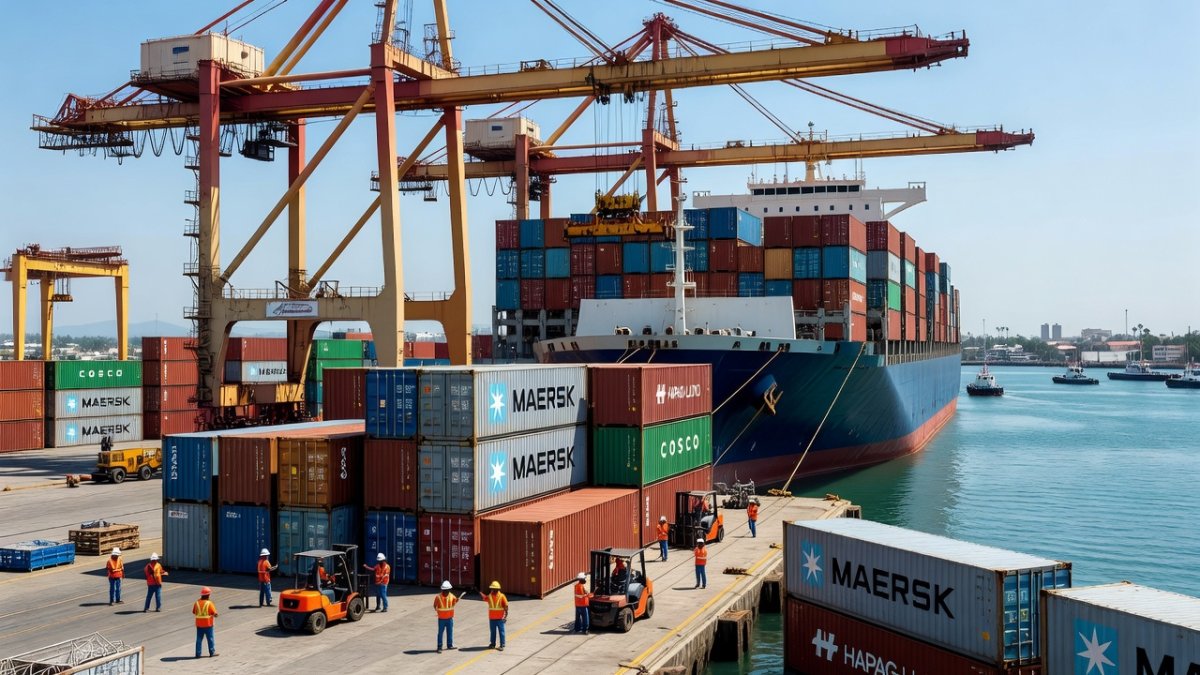
The Sheinbaum administration has emphasized continuity with policies that attract investment while protecting workers and the environment. Nearshoring plays a central role here, as firms seek alternatives to Asian supply chains. The USMCA provides the trade rules that make Mexico an attractive destination, and the May data shows exports to the United States growing 27.2 percent for non-oil goods.
Ordinary Mexicans notice these shifts in daily life: new warehouses appearing near highways, more trucks on the roads, and local tianguis seeing increased spending from factory workers. The government continues to monitor these trends through agencies like the Secretaría de Economía, aiming to spread benefits beyond the largest industrial zones.
What the Export Momentum Means for Mexico's Future
This sustained export performance offers a measure of economic resilience for millions of households. When factories run at full capacity and agricultural shipments hold steady, families gain breathing room to cover groceries, school supplies, and medical needs. The third straight month of year-on-year export growth suggests the momentum could continue, provided global conditions remain favorable.
Still, challenges such as infrastructure needs and workforce training remain. Communities across Mexico will watch how the Sheinbaum administration and state governments work together to ensure the gains reach every colonia and every rural road. For now, the May numbers provide a welcome reminder that Mexican hands and Mexican fields continue to power an important part of the global economy.
Tags: Mexico trade surplus, INEGI exports, maquiladora jobs, nearshoring, USMCA T-MEC, Sheinbaum economy, manufacturing communities, agricultural exports
By Rosa Martinez, Staff Writer
Source: Mexico News Daily / INEGI
This article was produced with AI-assisted research and editorial support. Reporting is based on sources cited in the article.
What's Your Reaction?
 Like
0
Like
0
 Dislike
0
Dislike
0
 Love
0
Love
0
 Funny
0
Funny
0
 Wow
0
Wow
0
 Sad
0
Sad
0
 Angry
0
Angry
0

Latin America/Andes Correspondent at Global1.News. Based in Bogota, covering politics, environment, energy, and social movements across the Andean region. Passionate about environmental journalism and communities protecting their land.













Comments (0)