
US-Iran Strait of Hormuz Crisis Escalates
In a recent Middle East Eye video examining whether the US and Iran are locked in a forever war, renewed fighting has claimed American lives for the first time since March, with Iranian attacks on bases in Jordan and Iraq resulting in multiple deaths. The report details Iran's assertion of maritime control over the Strait of Hormuz and the collapse of an interim ceasefire on July 8.
In a recent Middle East Eye video examining whether the US and Iran are locked in a forever war, renewed fighting has claimed American lives for the first time since March, with Iranian attacks on bases in Jordan and Iraq resulting in multiple deaths. The report details Iran's assertion of maritime control over the Strait of Hormuz and the collapse of an interim ceasefire on July 8. These events have intensified a conflict that began with US and Israeli air operations against Iran on February 28, 2026.
US-Iran Strait of Hormuz Crisis Escalates
Beirut, Lebanon - July 22, 2026
The Collapse of the Ceasefire
The interim ceasefire reached around June 2026 was intended as a temporary measure to de-escalate tensions following months of indirect talks mediated by Oman. Both sides had accused each other of violations almost immediately: Iran claimed the United States failed to ease secondary sanctions on its oil exports, while Washington accused Tehran of continuing proxy support in the region. The US had been pushing for a broader, more permanent agreement that would address ballistic missile programs and regional influence, but negotiators could not bridge the gap before the deadline.
The interim ceasefire agreement collapsed on July 8 after Iranian forces struck commercial ships transiting the Strait of Hormuz, an action that shattered the fragile truce. Washington responded with strikes on Iranian territory, marking the breakdown of efforts to de-escalate tensions that had simmered since the initial air operations in February. Secretary of State Marco Rubio immediately called for an international coalition to enforce freedom of navigation, while Iranian Foreign Minister Abbas Araghchi adopted a defiant stance, stating that Iran would defend its maritime rights and that the United States and Israel can neither threaten nor bribe Iran into submission.
The United Nations Security Council convened an emergency session expressing deep concern, and the European Union urged both parties to return to talks, warning of severe humanitarian and economic fallout if the conflict widened. Secretary of State Marco Rubio urged other nations to support American efforts to maintain open passage through the strait. The sequence of events has left shipping lanes largely blocked, with both sides accusing the other of violations.
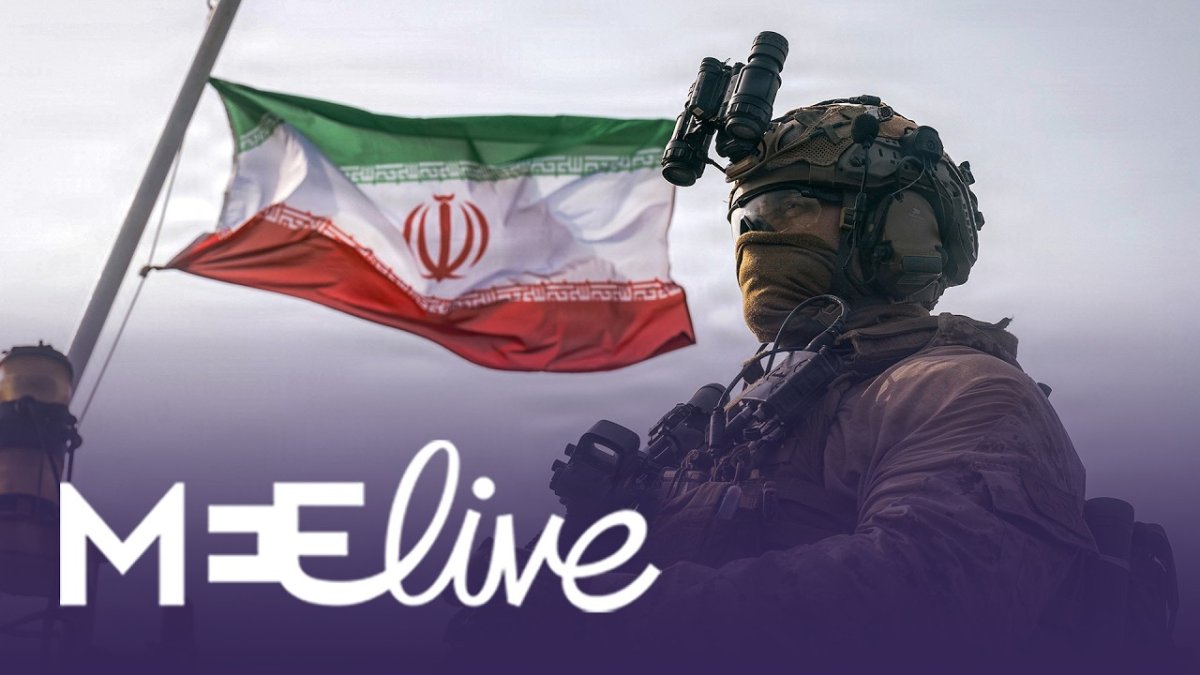
Iran's Assertion of Maritime Control
The Strait of Hormuz measures just 21 miles wide at its narrowest point, making it one of the world’s most vulnerable chokepoints for global energy supplies. Iran's Islamic Revolutionary Guard Corps announced that it now controls the Strait of Hormuz and has targeted vessels passing without approval. Iran has long invested in anti-ship missiles, drones, and speedboat swarms as part of an asymmetric defense doctrine. The IRGC Navy has trained extensively for operations that could disrupt traffic through these confined waters, a capability Tehran has threatened to activate for decades but is now demonstrating in practice.
Explosions reported on July 21 caused massive fires on two oil tankers, according to IRGC statements, with flames visible for miles. These actions have halted most commercial traffic through the waterway, which handles approximately 20 percent of global oil supply. Benchmark Brent crude crossed $130 per barrel within days. Washington has labeled the Iranian moves as ceasefire violations. Major Asian importers such as Japan, South Korea, and India, which rely heavily on Gulf crude, began reporting immediate supply disruptions and price spikes. The resulting standoff has produced immediate effects on energy markets, with oil prices rising sharply as alternative routes prove insufficient for current volumes. These developments have placed severe pressure on regional economies already navigating post-pandemic recovery.
US Military Strikes and Reported Casualties
The United States conducted its tenth consecutive night of strikes on Iranian targets on July 21. The United States responded with F-35s, B-2 bombers, and Tomahawk missiles, conducting strikes over 10 consecutive nights—an intensity of air operations not seen since the 2003 invasion of Iraq. CENTCOM confirmed that one attack targeted facilities linked to the IRGC Navy. President Trump described the operations as conducted in honor of US service members killed in recent attacks. In an election year, President Trump framed the response around restoring American “honor” and deterring further aggression.
Two American personnel died in an Iranian strike on the Muwaffaq Salti Air Base in Jordan, with one reported missing and another killed in Iraq. The total US death toll across the campaign now stands at 17. These casualties have hardened positions in Washington while Iranian officials maintain that their actions respond to prior aggressions and have warned that IRGC retaliation capabilities remain intact, including further asymmetric options. Sustained bombing has also taken a heavy toll on Iranian civilians, with reports of damaged infrastructure and disrupted access to essential services in affected areas. The cycle of strikes continues without a clear path to renewed negotiations.
Regional Responses and Solidarity Actions
The Houthis in Yemen declared a naval embargo against Saudi Arabia in solidarity with Iran. This move extends the conflict's reach across the Arabian Peninsula and adds pressure on Gulf shipping lanes already strained by the Hormuz blockade. Palestinian communities across the region have noted parallels between the current escalation and long-standing patterns of external military involvement in West Asia.
Statements from Iranian officials emphasize national sovereignty, while Gulf states weigh the economic risks of prolonged disruption. The involvement of multiple actors has complicated diplomatic efforts to contain the fighting.
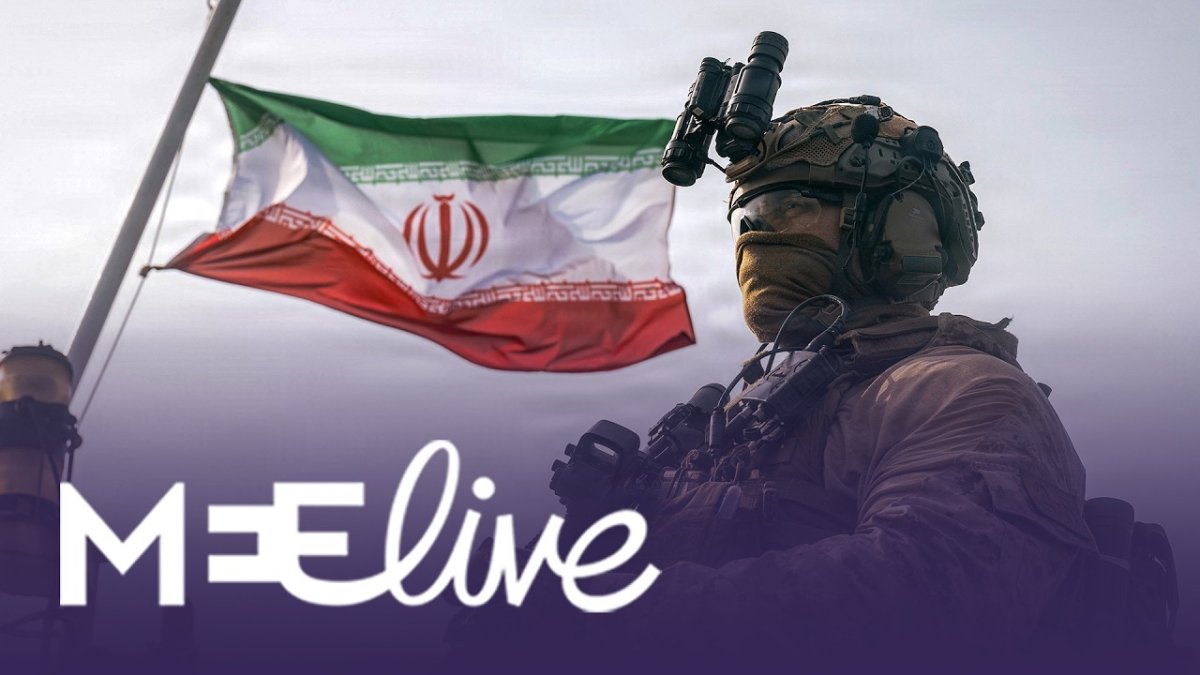
Effects on Civilians and Global Economy
Civilians in Iran face rising costs for fuel and imported goods as sanctions and strikes disrupt supply chains. Iran’s rial has collapsed further under the combined weight of existing sanctions and active conflict, driving severe inflation. Families across the country now struggle to afford basic medicines and food staples, with hospitals reporting shortages of imported pharmaceuticals. In Gulf states, workers in ports and related industries confront uncertain employment as tanker traffic stalls, and migrant workers in the UAE and Qatar face sudden layoffs as construction and service sectors contract amid rising uncertainty.
Global consumers, particularly in import-dependent economies, encounter higher energy prices that ripple through transportation and manufacturing sectors. Global supply chains are feeling the strain as oil prices above $130 push up costs for gasoline, plastics, and shipping. The Palestinian economy in the West Bank and Gaza has also been hit by these rising expenses, compounding existing hardships. Palestinian analysts have connected these developments to broader questions of regional stability, observing that sustained conflict diverts resources from addressing occupation and displacement in historic Palestine. Daily life for families in affected areas includes coping with inflation and restricted movement of essential supplies. The UN has issued warnings about the widening humanitarian impact, while the World Bank has released preliminary estimates projecting significant setbacks to growth across multiple regions if the disruption continues.
Strait of Hormuz tensions have shadowed every major US-Iran confrontation since the 1980s Iran-Iraq War, when Tehran first warned it could choke the waterway through which much of the world’s oil still passes. During the Tanker War both sides targeted commercial shipping, prompting Washington in 1987 to launch Operation Earnest Will and reflag Kuwaiti vessels under the US flag. What distinguishes the present crisis is its unprecedented scale: Iran has moved beyond threats to actual closure, disrupting a volume of daily oil flows far larger than anything seen four decades ago and placing immediate strain on households already coping with rising energy costs worldwide.
Diplomatic channels remain open even as the standoff deepens. Oman and Qatar have quietly offered mediation, while the UN special envoy continues shuttle diplomacy aimed at de-escalation. China, Iran’s largest oil customer and a strategic rival to Washington, has urged restraint without endorsing any side, and Russia has called for talks that address both security concerns and sanctions relief. Observers note that these overlapping interests may yet provide a narrow off-ramp if all parties can agree on verifiable steps to reopen the strait without further loss of life or livelihood.
Analysis and Implications
The current phase of the US-Iran confrontation centers on control of a single maritime chokepoint whose closure carries worldwide consequences. Iranian assertions of authority over the strait challenge longstanding US naval presence, while American strikes aim to restore prior conditions. Both approaches carry risks of further casualties and economic strain on populations far from the immediate theater.
Regional voices, including those from Palestinian civil society, highlight how such confrontations reinforce cycles of militarization that affect civilian safety across West Asia. The involvement of solidarity actions by groups such as the Houthis illustrates the interconnected nature of these disputes.
Looking ahead, the absence of renewed diplomatic channels suggests continued volatility. Sustained high oil prices and blocked shipping routes will test the resilience of economies from the Gulf to East Asia, while civilian populations bear the immediate costs of prolonged uncertainty. Without fresh mediation, the risk of wider regional spillover remains acute, testing alliances and economies alike in the months to come.
By Fatima Al-Rashid, Staff WriterThis article was produced with AI-assisted research and editorial support. Reporting is based on sources cited in the article.
What's Your Reaction?
 Like
0
Like
0
 Dislike
0
Dislike
0
 Love
0
Love
0
 Funny
0
Funny
0
 Wow
0
Wow
0
 Sad
0
Sad
0
 Angry
0
Angry
0
Gulf/MENA Correspondent at Global1.News. Based in Doha, covering Gulf politics, energy markets, diplomacy, and development across the Middle East and North Africa. Tracks the economic transformation of the Gulf states.













Comments (0)