
Senegal's World Cup Heartbreak: Echoes of Rabat in Seattle
The Night Seattle Fell Silent The match unfolded in Seattle under the weight of expectation and history. Senegal held a comfortable 2-0 lead deep into the second half, their play disciplined and full of promise. Then came the collapse. Romelu Lukaku pulled one back for Belgium in the 86th minute, Youri Tielemans equalised three minutes later, and in the 125th minute Tielemans c
The Night Seattle Fell Silent
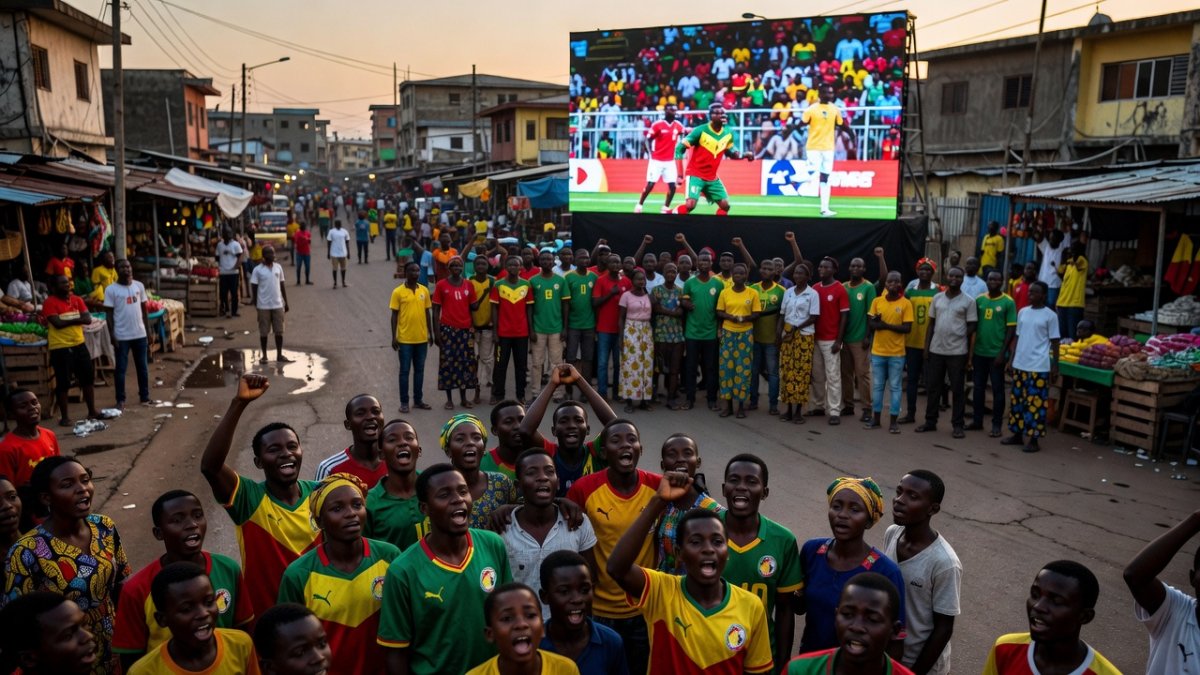
The match unfolded in Seattle under the weight of expectation and history. Senegal held a comfortable 2-0 lead deep into the second half, their play disciplined and full of promise. Then came the collapse. Romelu Lukaku pulled one back for Belgium in the 86th minute, Youri Tielemans equalised three minutes later, and in the 125th minute Tielemans converted a controversial penalty to seal a 3-2 victory. The goal stood as the latest ever scored in a World Cup match and marked the latest comeback from a two-goal deficit in the tournament's history.
Back home in Dakar the streets emptied of their usual evening energy. Cafes that had been loud with cheers moments earlier fell into stunned silence. Families gathered around television screens watched the final minutes unfold with growing disbelief. The Teranga Lions had carried the hopes of an entire nation into that fixture, and the late drama left many sitting quietly with their thoughts long after the final whistle.
Coach Pape Thiaw captured the mood when he spoke of feeling like Sisyphus, forever pushing a rock uphill only to see it roll back down. He said the team had the game in hand and described the outcome as cruel. Those words resonated across Senegal, where supporters understood the fine line between triumph and despair that defines their football journey.
The city of Seattle, known for its rock legends, became an unlikely stage for another chapter of Senegalese heartbreak. The parallels to earlier pain were impossible to ignore, yet the players had fought with pride until the very last kick. In homes from Dakar to Saint-Louis, conversations continued late into the night about what might have been.
Echoes of Rabat: A Pattern of Pain
The similarities with the Africa Cup of Nations final earlier in the year struck everyone who followed both matches. In that January showdown against hosts Morocco the score stood at 0-0 deep into stoppage time when Ismaila Sarr's header was ruled out after the referee had already blown for a foul. Minutes later Morocco received a penalty. The chaos that followed saw Senegal's players leave the field before Sadio Mane helped bring them back after a delay of about 17 minutes.
Brahim Diaz missed the spot-kick, and Senegal eventually won 1-0 in extra time through Pape Gueye's goal. Yet two months later the Confederation of African Football overturned the result and awarded the title to Morocco. Senegal lodged an appeal with the Court of Arbitration for Sport, vowing a crusade to restore what they believed was rightfully theirs. The sense of injustice lingered heavily.
Against Belgium the late penalty again arrived after video review, once more deciding the outcome in the opposition's favour. This time the team stayed on the pitch, but the feeling of being robbed at the final moment returned with full force. The pattern of late drama and disputed decisions has tested the resilience of Senegalese football in ways few other nations have experienced.
Supporters across the continent watched both episodes and recognised the shared frustration. The image of African football suffered from the Afcon controversy, yet Senegal's determination to fight through official channels showed a refusal to accept defeat quietly. The echoes between Rabat and Seattle continue to shape conversations about fairness in the game.
Ismaila Sarr: Brilliance Amid the Heartbreak
Ismaila Sarr stood out as a beacon of quality throughout Senegal's campaign. His second-half goal against Belgium was a moment of pure class, as he controlled a long ball on his chest and finished past Thibaut Courtois with precision. That strike brought his World Cup tally to four goals, matching the African record set by Roger Milla. At 28 years old and coming off a season in which he scored 21 times for Crystal Palace, Sarr had every reason to expect a longer stay in the tournament.
His performances carried echoes of Senegal's greats. Unlike Milla or the cult hero El Hadji Diouf, however, Sarr will not feature in the last 16. The contrast between individual brilliance and collective disappointment weighed heavily on supporters who had watched him shine. His ability to deliver under pressure had become a source of national pride.
In the cafes of Dakar and the villages beyond, young players study Sarr's movement and finishing. His journey from local pitches to the Premier League represents the dreams many hold. Even in defeat his contribution reminded everyone of the talent flowing through Senegalese football.
The pain of the exit does not erase what Sarr achieved. His record-equalling goal will be remembered long after the final whistle fades. Supporters take comfort in knowing that such players continue to carry the flag with dignity and skill, even when results turn against them at the cruellest moments.
The Cruelty of the 125th Minute
The penalty decision in extra time drew immediate criticism from experienced observers. Gary Neville stated he genuinely did not believe it was a penalty. Roy Keane described the award as harsh and noted the referee's prolonged hesitation while reviewing the screen, adding that conviction was missing from the final call. Lamine Camara, the Monaco midfielder who gave away the foul, required comfort from teammates as the weight of the moment settled on him.
Dion Dublin, speaking on BBC Radio 5 Live, simply called the game crazy and admitted he could not have predicted its twists. The 125th-minute strike by Youri Tielemans became the latest goal in World Cup history, sealing Belgium's remarkable recovery. Senegal had led 2-0 until the 86th minute, making the turnaround one of the most dramatic in the competition's records.
Back in Senegal the images of the review process played repeatedly on screens. Fans debated the contact and the timing, yet the result stood. The cruelty lay not only in the outcome but in the manner it arrived, after so much effort had already been invested.
Coach Thiaw's earlier comments about success slipping through their fingers gained fresh meaning. The late drama tested the emotional reserves of players and supporters alike. In a sport where margins are thin, the 125th minute exposed how quickly fortune can shift against even the most deserving sides.
A Nation That Lives and Breathes Football
Football runs through the daily rhythm of Senegalese life like a steady heartbeat. In Dakar neighbourhoods and rural towns alike, matches become communal events where entire streets gather to watch. The Teranga spirit of hospitality extends to the pitch, where supporters welcome opponents with respect even while fiercely backing their own. This exit cut deep because the game means more than points or progression.
After the final whistle cafes remained open late, not for celebration but for quiet reflection. Elders shared stories of past tournaments while younger fans processed the disappointment together. The shared experience strengthens bonds across generations and regions, turning individual heartbreak into collective resilience.
The connection to the national team runs beyond the 90 minutes. Players like Sarr and Mane represent possibilities for young people dreaming of similar paths. When results turn painful, the nation draws on its cultural strength to absorb the blow and prepare for what comes next.
Even in moments of silence after defeat, the love for the game persists. Senegal's identity as a football-loving country does not waver with one result. The streets will fill again for future matches, carrying the same passion that has defined the Teranga Lions for decades.
Pape Gueye and the Question of Leadership
Pape Gueye announced he would step away from the national team while the current coaching staff remains in place. His decision came after the World Cup exit and amid ongoing questions about direction. Coach Pape Thiaw, in charge since December 2024, had already navigated the Afcon final controversy where he ushered the team off the field following the disputed penalty.
The Court of Arbitration for Sport appeal over the stripped Afcon title continues, representing a significant test of leadership. Senegal's vow to pursue justice through official channels shows commitment to principle. Yet the combination of on-field heartbreak and off-field disputes has created uncertainty about the immediate future.
Gueye's break highlights the emotional toll these campaigns take on players. His extra-time goal in the Afcon final had briefly delivered joy before the title was taken away. The weight of both tournaments sits heavily on those who must decide whether to continue under the present setup.
Rebuilding requires steady hands and clear vision. Thiaw's experience through the controversies positions him to guide discussions about the path forward. Supporters watch closely, hoping leadership choices will restore stability and allow the team to focus once more on performance rather than disputes.
The Road Ahead for the Teranga Lions
The future of Senegalese football rests on the young talent emerging from academies and local clubs. Despite the recent heartbreaks, the pipeline of players remains strong. The experiences of Sarr, Gueye and others provide lessons that the next generation can study and improve upon.
The enduring love for the game across the country ensures continued investment in youth development. Communities that gather in cafes and on dusty pitches to watch matches also nurture the next wave of talent. This grassroots connection keeps the sport alive even when senior results disappoint.
The appeal at the Court of Arbitration for Sport and the questions around national team leadership will shape the coming months. Whatever the outcomes, Senegal's football culture has shown remarkable capacity to absorb pain and move forward with dignity. The Teranga spirit that defines the nation on and off the pitch will guide the Lions through this period.
Supporters understand that football brings both glory and sorrow. The dramatic exit against Belgium and the echoes of the Afcon final serve as reminders of the game's unpredictability. Yet the passion that fills Senegalese streets after every match promises that the journey continues with hope and determination intact.
By Amara Diop, Staff WriterThis article was produced with AI-assisted research and editorial support. Reporting is based on sources cited in the article.
What's Your Reaction?
 Like
0
Like
0
 Dislike
0
Dislike
0
 Love
0
Love
0
 Funny
0
Funny
0
 Wow
0
Wow
0
 Sad
0
Sad
0
 Angry
0
Angry
0

Canada Correspondent at Global1.News. Based in Toronto, covering Canadian politics, energy, trade, and US-Canada relations. Provides the Canadian perspective on North American and global affairs.











Comments (0)