
Drone Attacks Kill Two Filipino Seafarers in Black Sea
Drone strikes on nine Black Sea vessels killed two Filipino seafarers and injured 12 others among 139 aboard, per DMW data. The Gas Lisbon attack off Romania claimed one Filipino life. Government agencies coordinate rescues and aid while weighing deployment restrictions.
Drone Attacks Kill Two Filipino Seafarers in Black Sea
Gas Lisbon Struck by Three Drones Off Romania Coast
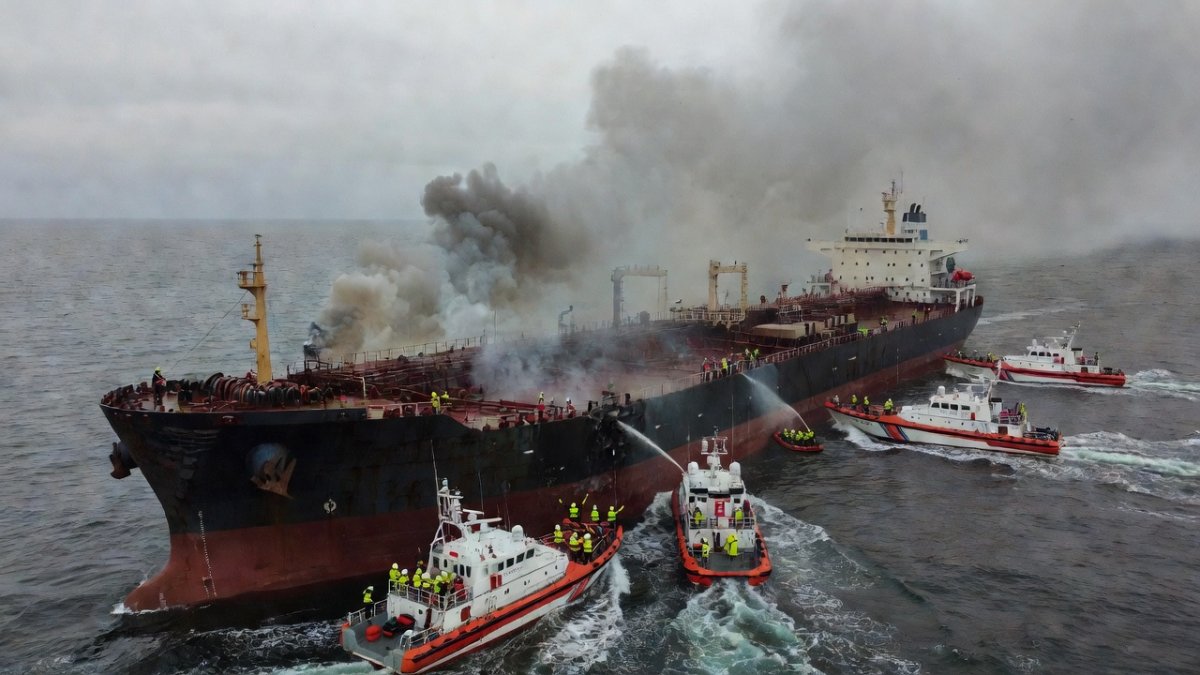
The Liberia-flagged LPG tanker Gas Lisbon, carrying approximately 4,000 tons of propane, was struck by three suspected drones on July 20-21, 2026, while 20 nautical miles off the Romanian coast near Sfântu Gheorghe. The vessel was en route from the Port of Alexandria, Egypt, to the Port of Reni, Ukraine. All 17 crew members were evacuated, with three injured and one Filipino seafarer confirmed dead in the incident.
Romanian President Nicușor Dan publicly confirmed the attack and linked it directly to Russia's ongoing war in the region. Defense Minister Radu Miruta released photographs showing the damage to the tanker. These official statements established the Gas Lisbon incident as part of the broader pattern of drone strikes on commercial shipping in the Black Sea.
The attack occurred amid heightened tensions, with the vessel's route passing through areas previously designated as war-risk zones by multiple governments. Romanian authorities coordinated the evacuation and medical response for the surviving crew members immediately after the strikes.
Damage assessments indicated structural compromise to the tanker's hull and deck areas from the drone impacts. No environmental release of the propane cargo was reported following the evacuation.
DMW Confirms 139 Filipinos Aboard Nine Attacked Vessels
On July 20, DMW Secretary Hans Leo Cacdac announced that 139 Filipino seafarers were aboard nine vessels attacked by drones in the Black Sea. Of these, 124 were confirmed safe, two were killed, 12 were injured, and one remained missing according to the department's verified data.
The figures encompass the Gas Lisbon incident along with eight additional commercial vessels targeted in the same period. DMW tracking systems cross-referenced crew manifests from the affected ships to produce the exact counts released on that date.
Secretary Cacdac emphasized that the department maintained continuous contact with vessel operators and foreign authorities to update the status of each Filipino seafarer. The announcement included direct references to the 139 total and the breakdown of outcomes.
These numbers reflect only verified reports received by July 20 and do not include subsequent updates from later rescue operations. DMW continues to monitor the single missing seafarer case separately.
Philippine Government Response and Consular Coordination
The Department of Foreign Affairs is coordinating directly with Romanian and Ukrainian authorities to secure access to all affected crew members and facilitate necessary documentation. These efforts focus on confirming identities and arranging medical evacuations where required.
OWWA has activated assistance protocols for the families of the two deceased Filipino seafarers and the 12 injured. Financial support and counseling services are being extended through established welfare channels without delay.
Repatriation of remains and injured personnel follows standard DMW procedures for maritime incidents in conflict zones. DFA consular teams in Bucharest and Kyiv are processing the required permits for body transfers and medical transfers.
DMW maintains existing war-risk zone advisories that allow seafarers to refuse deployments on vessels entering designated high-risk areas. These advisories were referenced in the July 20 announcement as still in effect.
Broken Down: Which Attacks Caused Which Casualties
The Gas Lisbon attack resulted in one confirmed Filipino seafarer death and three injuries among its 17 crew. This accounts for one of the two total Filipino fatalities reported by DMW across all incidents.
The MV Golden Leo grain ship, struck near Odesa, suffered 10 crew deaths that included Indian seafarers but no Filipino fatalities according to available manifests. The Turkish-flagged vessel attack produced one death and three injuries, with the remaining Filipino death occurring on this vessel.
The 12 total injuries span the Gas Lisbon, the Turkish-flagged vessel, and additional drone strikes on the nine vessels. DMW data attributes no injuries from the Golden Leo incident to Filipino crew members.
These precise incident-level breakdowns confirm that the two Filipino deaths occurred on separate vessels: one on the Gas Lisbon and one on the Turkish-flagged ship. No overlap exists between the Golden Leo casualties and Filipino seafarer outcomes.
Human Impact on Seafarer Communities
Families in Cebu, Iloilo, and Batangas provinces are awaiting final confirmation on the missing seafarer and updates on the injured. Local communities have mobilized support networks to assist relatives during this period of uncertainty.
The bayanihan spirit has prompted neighbors and barangay officials to organize food drives and transportation assistance for families traveling to Manila for DMW briefings. These grassroots efforts supplement official welfare programs.
DMW and OWWA hotlines remain open for affected families seeking status updates or assistance applications. Callers from the provinces report steady access to these lines since the July 20 announcement.
Seafarer communities in these provinces have historically relied on remittances from Black Sea routes, making the current incidents a direct concern for household incomes in the affected areas.
Broader Implications for Maritime Safety
Romania’s status as a NATO member has prompted alliance discussions on protecting commercial shipping lanes in the Black Sea following the Gas Lisbon attack. These talks address the rising frequency of drone strikes on civilian vessels.
The International Maritime Organization has expressed concern over the pattern of attacks on grain and LPG carriers, citing risks to global supply chains. Data from the nine incidents show repeated targeting of vessels carrying essential cargoes.
Economic impacts include potential increases in insurance premiums for Black Sea routes, which could raise Philippine fuel import costs. Shipping companies have already rerouted some vessels to avoid the area.
These developments affect the safety of the Philippines’ maritime labor force, which supplies the largest number of seafarers worldwide. Continued attacks threaten both crew welfare and the stability of fuel and grain imports.
Looking Ahead: Protecting Filipino Seafarers
DMW is evaluating options to restrict deployments on vessels scheduled for Black Sea routes while assessing the economic consequences for seafarers who depend on these contracts. Any new restrictions would balance documented risks against income needs.
Diplomatic channels with Russia remain active to seek assurances on the safety of commercial shipping. Philippine officials have raised the incidents in bilateral discussions focused on maritime security.
UN Security Council discussions on Black Sea maritime security are being monitored by DFA for potential resolutions that could affect Filipino crew deployments. These talks may influence future DMW advisories.
Seafarer organizations have called for enhanced insurance coverage and rapid-response teams as part of any revised deployment policy. DMW continues to review these proposals alongside casualty data from the July incidents.
By Bella Reyes, Staff WriterThis article was produced with AI-assisted research and editorial support. Reporting is based on sources cited in the article.
What's Your Reaction?
 Like
0
Like
0
 Dislike
0
Dislike
0
 Love
0
Love
0
 Funny
0
Funny
0
 Wow
0
Wow
0
 Sad
0
Sad
0
 Angry
0
Angry
0

Philippines/Southeast Asia Correspondent at Global1.News. Manila-based journalist covering Philippine politics, environment, maritime security, and social issues. Passionate about marine conservation and the communities protecting the Philippines' natural heritage.













Comments (0)