
Ombudsman Moves to Make Ex-DPWH Chief State Witness in Romualdez Flood Control Scandal
In a recent ANC 24/7 report detailing the expanding flood control scandal, the Ombudsman’s decision to convert former DPWH Secretary Manuel Bonoan into a state witness against former House Speaker Martin Romualdez has ignited fresh scrutiny over how public funds meant for infrastructure have been allegedly siphoned away. This case strikes at the heart of daily life for ordinary
In a recent ANC 24/7 report detailing the expanding flood control scandal, the Ombudsman’s decision to convert former DPWH Secretary Manuel Bonoan into a state witness against former House Speaker Martin Romualdez has ignited fresh scrutiny over how public funds meant for infrastructure have been allegedly siphoned away. This case strikes at the heart of daily life for ordinary Filipinos in flood-prone barangays across Leyte and beyond, where families continue to battle rising waters because ghost projects have left them without proper defenses. The unfolding testimonies reveal a pattern of bribery that undermines the bayanihan spirit communities depend on during disasters.
Ombudsman Moves to Make Ex-DPWH Chief State Witness in Romualdez Flood Control Scandal
Manila, Philippines – July 4, 2026 — Assistant Ombudsman Mico Clavano announced Friday that the Office of the Ombudsman will seek to turn former DPWH Secretary Manuel Bonoan into a state witness against former House Speaker Martin Romualdez in the multibillion-peso flood control scandal involving ghost projects and systematic bribery. The move builds on the Sandiganbayan’s preventive hold departure order issued against Romualdez in April 2026 and forms part of a growing bank of evidence that already includes accounts from eight of 18 bagmen tied to former Ako Bicol Representative Zaldy Co. Clavano stated that these testimonies describe consistent cash deliveries reaching both Romualdez and Co, painting a picture of plunder that has deprived flood-vulnerable communities of critical infrastructure.
The State Witness Strategy
The Ombudsman’s plan to designate Bonoan as a state witness centers on his central position within the Department of Public Works and Highways during the period when flood control allocations were allegedly diverted. By securing his cooperation, investigators aim to connect the dots between budget insertions in Congress and the actual release of funds through DPWH channels. This strategy reflects the institution’s determination to dismantle networks of corruption that have long operated across multiple administrations and legislative sessions.
Bonoan’s testimony is expected to detail how project lists were manipulated to favor ghost initiatives in Leyte and other provinces represented by key lawmakers. The Office of the Ombudsman has already organized a systematic review of disbursement records, cross-referencing them with the bagmen’s statements to establish a clear chain of command. Such evidence could prove decisive in proving plunder charges before the Sandiganbayan, where the case is already docketed.
Ordinary Filipinos stand to benefit if this approach succeeds, because successful prosecution would send a strong signal that even the most powerful figures cannot escape accountability. Communities in flood-prone areas have waited years for functional drainage systems and river walls that never materialized despite repeated budget releases. The state witness mechanism offers a pathway to recover stolen resources and redirect them toward genuine infrastructure that protects lives during typhoon season.
Bagmen and the Bank of Evidence
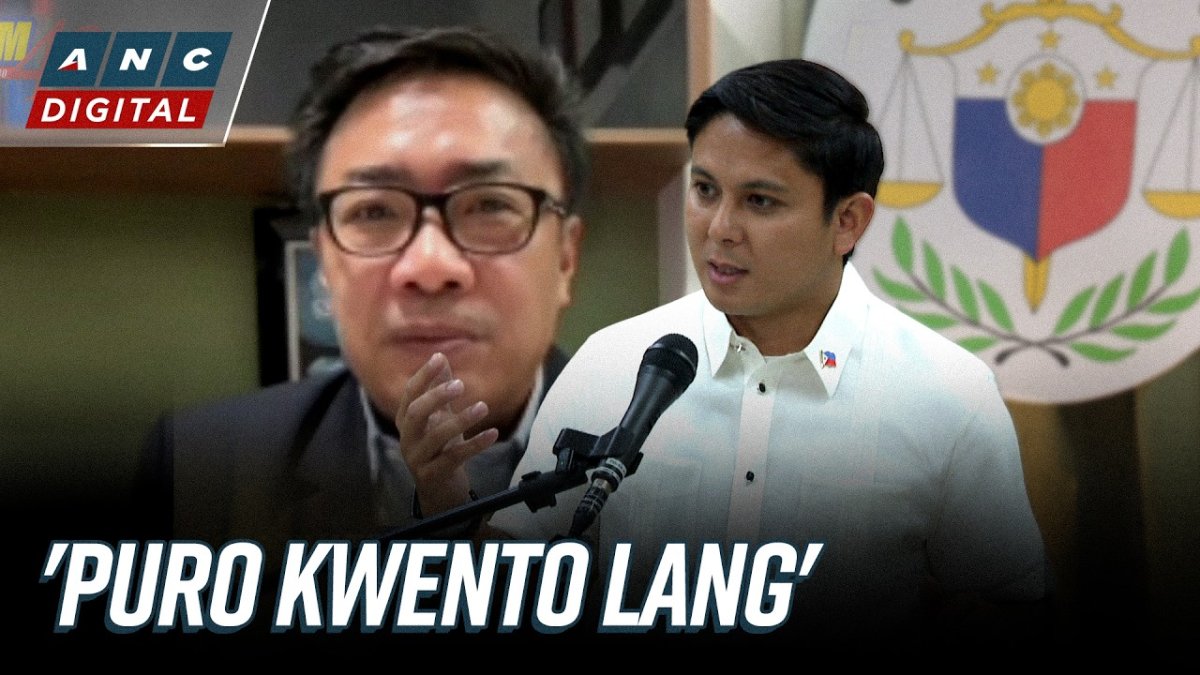
Assistant Ombudsman Clavano confirmed that eight of the 18 bagmen formerly employed as bodyguards for Zaldy Co have provided sworn accounts describing repeated cash deliveries to both Romualdez and Co. These statements are described as consistent and categorical, detailing specific amounts, dates, and locations where bribes were handed over in exchange for project approvals. The Ombudsman’s office is actively building a comprehensive bank of evidence that links these transactions directly to the approval of non-existent flood control structures.
Atty. Levi Baligod, counsel for the 18 ex-bodyguards, has been accused of deliberately delaying the final signing of affidavits, a move that investigators believe is intended to buy time for potential witnesses to reconsider their cooperation. Despite these setbacks, the Ombudsman continues to press forward with the available testimonies, viewing them as sufficiently robust to support the plunder case. The eight accounts already on record provide granular details that align with financial records obtained from DPWH regional offices.
This layer of evidence matters deeply to sari-sari store owners and jeepney drivers in barangays regularly inundated by floods, because each delayed affidavit represents another season of vulnerability. When public funds meant for flood defenses disappear into private pockets, families lose homes, livelihoods, and sometimes loved ones. The Ombudsman’s methodical approach seeks to convert these personal losses into a solid legal foundation for conviction.
Defense Pushback
Romualdez’s lawyer and spokesperson, Atty. Elaine Atienza, has dismissed the allegations as baseless, insisting that no evidence directly links her client to any wrongdoing. She emphasized that no single person, not even the Speaker of the House, can control the entire budget process, which involves multiple layers of review across both chambers of Congress and the executive branch. Atienza further characterized Bonoan as the most polluted and very biased source available to investigators, arguing that his own potential liability makes his testimony unreliable.
The defense team has also questioned the timing of the Ombudsman’s announcement, suggesting it forms part of a broader political effort to target allies of the administration. They maintain that the Sandiganbayan’s existing preventive hold departure order lacks sufficient grounding and should be lifted pending fuller hearings. Atienza has vowed to challenge every piece of evidence presented, particularly the bagmen’s statements, which she claims were obtained under questionable circumstances.
These arguments highlight the intense legal defense strategy now underway, yet they also underscore why independent institutions like the Ombudsman and Sandiganbayan must remain insulated from external pressure. President Marcos Jr. has publicly stated that his administration will not interfere with the Ombudsman’s work, reinforcing the principle of separation of powers. For citizens watching the case, the credibility of these institutions determines whether justice can truly reach the highest levels of power.
Political Implications
As the cousin of President Marcos Jr. and representative of Leyte’s first district, Romualdez occupies a uniquely influential position that amplifies the political stakes of the scandal. The case tests the boundaries of accountability within a Congress that controls the national budget, raising questions about how legislative power intersects with executive agencies like DPWH. The Sandiganbayan’s April 2026 preventive hold departure order already signals judicial willingness to act against sitting lawmakers when evidence warrants.
Analysts note that successful prosecution could reshape the behavior of future legislators who might otherwise treat infrastructure funds as political currency. The Ombudsman’s bank of evidence, built from Bonoan down to the bagmen, demonstrates an institutional effort to follow the money regardless of political connections. This approach aligns with the public’s expectation that plunder cases involving billions of pesos receive the same rigorous treatment as smaller offenses.
The implications extend to the broader democratic process, where voters in Leyte and across the country must weigh these developments when choosing representatives. When flood control projects become vehicles for bribery rather than community protection, the social contract between government and citizens erodes. Restoring that trust requires visible consequences for those who exploit their positions.
Human Cost
Ghost flood control projects have left entire barangays in Leyte and neighboring provinces exposed to annual typhoons, with families losing homes, crops, and access to basic services. The billions allegedly diverted through bribery represent not abstract sums but concrete failures in drainage systems, river walls, and evacuation centers that could have saved lives. OFW families who send remittances home often find their investments washed away because promised infrastructure never appeared.
The scandal’s reach affects daily routines in ways that rarely make headlines: children unable to attend school during floods, sari-sari stores losing inventory to contaminated water, and elderly residents isolated without passable roads. These hardships compound when communities must organize their own bayanihan efforts to clear debris and rebuild makeshift barriers year after year. The human cost underscores why the Ombudsman’s pursuit of accountability carries urgency beyond the courtroom.
What Lies Ahead
The next phase will center on finalizing Bonoan’s formal application as state witness and securing the remaining affidavits from the bagmen despite reported delays by Atty. Baligod. The Ombudsman expects to submit a consolidated case file to the Sandiganbayan within the coming months, building on the preventive hold departure order already in place since April 2026. Investigators continue to organize additional documentary evidence from DPWH regional offices to corroborate the witness accounts.
Timeline projections suggest preliminary hearings could begin before the end of 2026, with the full plunder trial potentially stretching into 2027 given the complexity of tracing fund flows across multiple legislative districts. The defense is expected to file motions challenging the state witness designation and the admissibility of the bagmen’s statements. Throughout this process, the Ombudsman has pledged to maintain transparency while protecting the integrity of ongoing evidence gathering.
Ultimately, the outcome will determine whether the justice system can deliver meaningful redress to communities that have endured repeated flooding due to alleged corruption. For Filipinos who have long viewed institutions like the Ombudsman and Sandiganbayan as last lines of defense against plunder, the coming months will test whether those safeguards function as intended. The path forward requires sustained public attention to ensure that the bank of evidence translates into lasting accountability.
By Bella Reyes, Staff Writer
This article was produced with AI-assisted research and editorial support. Reporting is based on sources cited in the article.
What's Your Reaction?
 Like
0
Like
0
 Dislike
0
Dislike
0
 Love
0
Love
0
 Funny
0
Funny
0
 Wow
0
Wow
0
 Sad
0
Sad
0
 Angry
0
Angry
0

Philippines/Southeast Asia Correspondent at Global1.News. Manila-based journalist covering Philippine politics, environment, maritime security, and social issues. Passionate about marine conservation and the communities protecting the Philippines' natural heritage.














Comments (0)