
Farmgate in South Africa: Ramaphosa Faces Impeachment Committee as Africa Watches
The Unfolding of Farmgate from a Phala Phala Robbery In 2020 a break-in at President Cyril Ramaphosa private farm in Phala Phala, Limpopo province, set in motion events that now place his presidency under formal parliamentary scrutiny. Thieves allegedly took 580000 US dollars hidden inside a sofa. Two years later former spy chief Arthur Fraser, an ally of former president Jacob
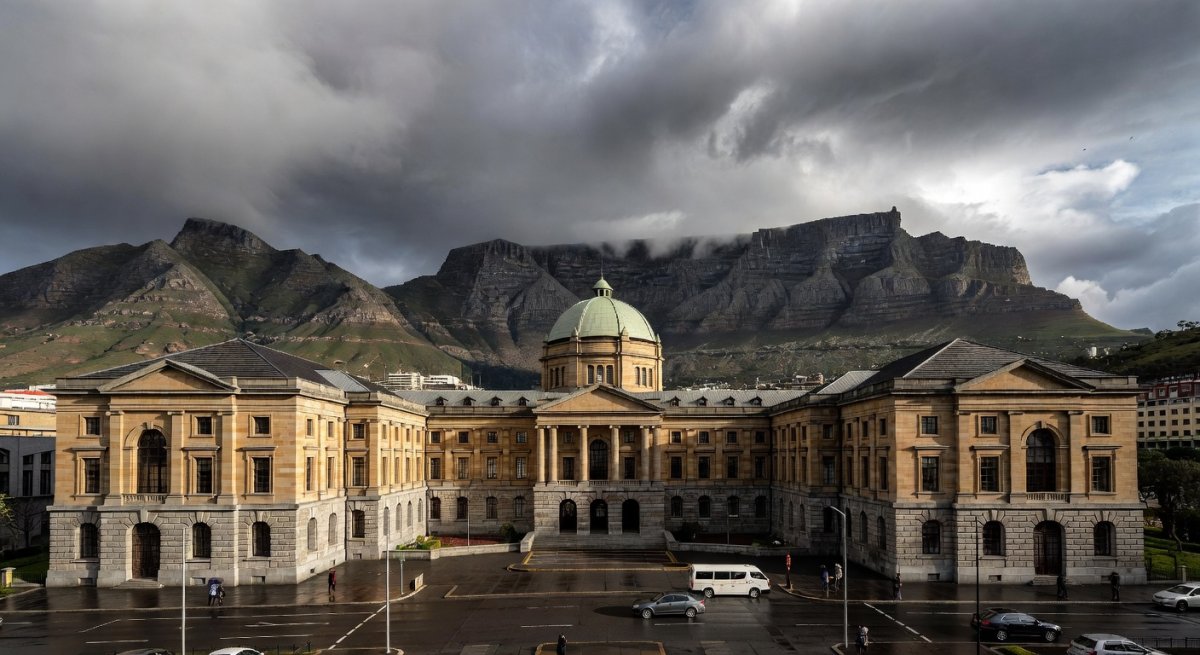
The Unfolding of Farmgate from a Phala Phala Robbery
In 2020 a break-in at President Cyril Ramaphosa private farm in Phala Phala, Limpopo province, set in motion events that now place his presidency under formal parliamentary scrutiny. Thieves allegedly took 580000 US dollars hidden inside a sofa. Two years later former spy chief Arthur Fraser, an ally of former president Jacob Zuma, sent an explosive dossier to police alleging that Ramaphosa had concealed the theft from authorities. The matter reached parliament in 2022 and has since moved through courts and committees, culminating in the recent formation of an impeachment inquiry panel.
Parliamentary Steps and the Constitutional Ruling
Last month South Africa highest court ruled that MPs had violated the constitution by blocking earlier impeachment moves. With the African National Congress no longer holding a majority after the 2024 election, the path to scrutiny opened wider. An independent panel previously examined the allegations and concluded there was substantial doubt about the legitimacy of the currency source and that Ramaphosa had a case to answer. Parliament has now established a committee of MPs to review the charges and recommend whether impeachment should proceed.
Ramaphosa Position and the Legal Challenge
Ramaphosa has maintained there was no basis for claims of criminal conduct and stated the money came from the legitimate sale of buffalo in his livestock business. He filed an application to set aside the independent panel report, arguing it misconceived its mandate and misinterpreted the charges. That application, due to be heard in September, could halt the committee work. Under South African law the president may be removed for serious violation of the constitution or the law, serious misconduct, or inability to perform official functions. The first two grounds are cited against him.
Coalition Dynamics and Voting Realities
The two-thirds majority required for removal means at least 133 MPs must support impeachment. The ANC holds 159 seats, and analysts note the party has made clear it is not in the business of impeaching its own president. Smaller coalition partners such as the Patriotic Alliance have pledged to vote against removal. The Democratic Alliance has stated the committee work must continue without unnecessary delay, while Rise Mzansi member Makashule Gana chairs the committee and has indicated Ramaphosa legal challenge will not stop proceedings. These cross-party positions will shape whether the process advances to a full vote.
Pan-African Questions of Leadership and Accountability
Across the continent citizens watch how institutions respond when allegations touch the highest office. The Farmgate sequence, from farm robbery to court ruling to committee formation, illustrates the tension between protecting office holders and upholding constitutional checks. In many African nations the same balance appears in different forms, whether through legislative oversight or public demand for transparency. The outcome in South Africa will be measured not only by the final vote but by whether the process itself strengthens or weakens trust in elected leadership.
A Senegalese Lens on Shared Political Culture
From Senegal, where communal values such as teranga remind leaders they remain part of the wider family of the nation, the South African developments carry familiar echoes. We have seen how power can distance officials from everyday realities, yet we also know that sustained accountability keeps leaders grounded. The requirement that two-thirds of MPs must agree before removal reflects a deliberate caution against hasty removal, a caution many African parliaments weigh when facing similar tests. The voices of coalition partners and opposition members alike show that no single party can decide these matters alone, a lesson that resonates wherever multiparty arrangements are still taking root.
Looking Ahead Without Certainty
The committee will examine the charges while the president legal application proceeds in September. Ramaphosa has said he will not seek to prevent the committee from working. Whatever recommendation emerges, the two-thirds threshold and the distribution of seats among coalition partners will determine the next stage. For observers across Africa the episode offers a live example of how constitutional rules interact with political realities when a sitting leader faces serious allegations. The coming months will reveal whether the process reinforces institutional strength or exposes its limits.
By Amara Diop, Staff WriterThis article was produced with AI-assisted research and editorial support. Reporting is based on sources cited in the article.
What's Your Reaction?
 Like
0
Like
0
 Dislike
0
Dislike
0
 Love
0
Love
0
 Funny
0
Funny
0
 Wow
0
Wow
0
 Sad
0
Sad
0
 Angry
0
Angry
0
Canada Correspondent at Global1.News. Based in Toronto, covering Canadian politics, energy, trade, and US-Canada relations. Provides the Canadian perspective on North American and global affairs.








Comments (0)