
Cape Verde's Blue Sharks: A Nation Celebrates Its World Cup Heroes
A Nation's Heart Beats Louder Than Ever The Blue Sharks of Cape Verde returned home to an outpouring of pride that stretched far beyond the airport tarmac in Praia. After their first-ever appearance at the World Cup, where they stood as the second-smallest nation in the tournament, the players stepped off the plane into an ocean of blue. Tens of thousands of fans had gathered,
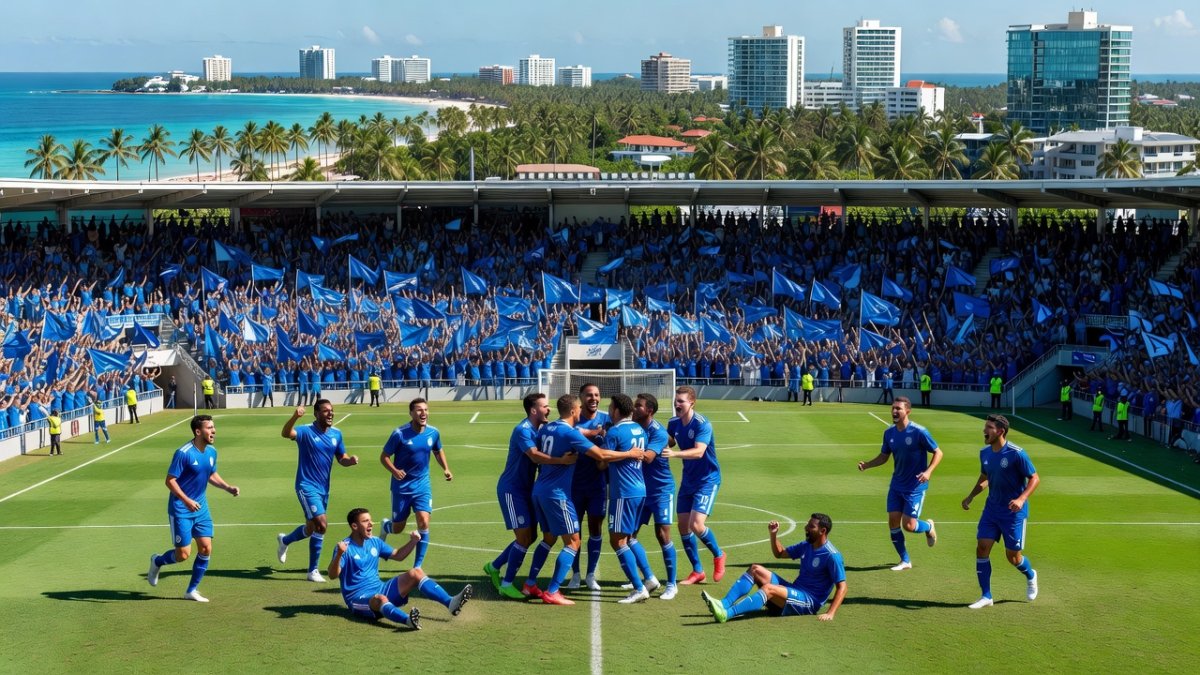
A Nation's Heart Beats Louder Than Ever
The Blue Sharks of Cape Verde returned home to an outpouring of pride that stretched far beyond the airport tarmac in Praia. After their first-ever appearance at the World Cup, where they stood as the second-smallest nation in the tournament, the players stepped off the plane into an ocean of blue. Tens of thousands of fans had gathered, turning the grounds into a living carnival of drums, dancing, chanting, and waving national flags. This homecoming carried extra weight because it fell on the same day Cape Verde marked 51 years since the end of Portuguese colonial rule.
As a Senegalese journalist who has followed African football across many borders, I felt the warmth of this moment reach across the Atlantic. Cape Verde's run reminded every small nation on the continent that size on a map does not limit what can be achieved on the pitch. The celebrations in Praia echoed the same joy we see in Dakar when our own teams push boundaries, showing that African football grows stronger when every voice joins the chorus.
From Group Stage Draws to Global Respect
Cape Verde entered the tournament ranked 67th in the world, yet they left the group stage with three draws that announced their arrival. Holding European champions Spain to a 0-0 result in their opening match set the tone. The defensive discipline and collective belief on display turned skeptics into believers across the continent. Fans in Praia and beyond watched their team refuse to be overpowered, proving that organisation and heart can neutralise greater resources.
Those results carried special meaning for Cape Verdean communities scattered from the islands to Lisbon, Boston, and Rotterdam. Every point earned felt like a shared victory for a people whose history has always involved navigating vast distances. The draws against stronger sides gave young players back home a new reference point: they could see themselves competing at the highest level without apology.
The Thrilling Battle Against the Reigning Champions
The knockout match against Argentina unfolded as a story of resilience that will be retold for generations. Cape Verde twice fought back from behind, first restoring parity at 1-1 and then equalising again through a stunning strike by Sidny Lopes Cabral. They came within ten minutes of forcing the reigning champions into a penalty shootout before a cruel deflection off Diney Borges from Cristian Romero's header ended their campaign in extra time.
Manager Pedro Leitão Brito, known to supporters as Bubista, later reflected on what the performance represented. He noted that Cape Verde had shown a small country can play against the best teams in the world, and that this alone was reason for pride. His words captured the quiet dignity that defined the entire campaign, a dignity that resonated deeply with African audiences who understand the weight of being underestimated.
Heroes Who Carried the Islands Forward
Goalkeeper Vozinha, whose full name is Josimar José Évora Dias, became a global figure through his commanding performances. His shot-stopping and leadership anchored a defence that frustrated some of the world's strongest attacks. After the tournament he told the BBC that the team had wanted something bigger yet chose to enjoy the moment and celebrate with their people, a sentiment that grounded the achievement in everyday Cape Verdean life.
Centre-back Pico Lopes and captain Ryan Mendes also stood out as pillars of the side. Their experience and composure helped knit together a squad that punched above its ranking from the first whistle. These players embodied the blend of island toughness and technical quality that has long characterised Cape Verdean football, even when opportunities on the biggest stages were rare.
Celebration Meets Independence Day Reflection
The timing of the homecoming added layers of meaning. As fans filled the streets of Praia with music and movement, the 51st anniversary of independence from Portuguese rule gave the festivities a deeper resonance. The blue jerseys mingled with national flags in a display that honoured both sporting courage and the long journey toward self-determination.
In markets and family compounds across the islands, conversations turned to what this run could mean for the next generation. Children who watched the matches now see the Blue Sharks not as underdogs but as standard-bearers. The carnival atmosphere outside the airport captured that shift, transforming a moment of sporting exit into a lasting affirmation of identity.
What This Means for African Football
Cape Verde's achievement joins a growing list of moments when smaller African nations have claimed space on the world stage. From Senegal's own runs to the breakthroughs of other island and mainland sides, the pattern is clear: consistent investment in youth development and national unity produces results that statistics alone cannot predict. The Blue Sharks' journey offers a template that coaches and federations across the continent can study.
The pride felt in Praia travels easily to Dakar, Accra, and Addis Ababa because it speaks to shared aspirations. When a nation of roughly half a million people holds its own against giants, the message reaches every young player training on dusty pitches or makeshift fields. It tells them that belief, preparation, and collective spirit remain the most powerful currencies in the game.
Carrying the Spirit Forward
The images of thousands dancing outside the airport will linger long after the tournament lights fade. They represent more than a single campaign; they mark a cultural milestone for Cape Verde and a source of encouragement for every African supporter who has ever been told their dreams were too large. The Blue Sharks showed that the joy of small nations on the world stage is not measured only in trophies but in the pride they awaken back home.
As the celebrations continue across the islands, the lessons of discipline, unity, and fearless play will shape how Cape Verde approaches future challenges on and off the pitch. For the rest of us watching from across the water, the ocean of blue in Praia stands as a reminder that African football's greatest strength lies in its diversity and its refusal to be limited by size or expectation.
By Amara Diop, Staff WriterThis article was produced with AI-assisted research and editorial support. Reporting is based on sources cited in the article.
What's Your Reaction?
 Like
0
Like
0
 Dislike
0
Dislike
0
 Love
0
Love
0
 Funny
0
Funny
0
 Wow
0
Wow
0
 Sad
0
Sad
0
 Angry
0
Angry
0

Canada Correspondent at Global1.News. Based in Toronto, covering Canadian politics, energy, trade, and US-Canada relations. Provides the Canadian perspective on North American and global affairs.













Comments (0)