
Manitoba Flood Crisis: Brandon Declares State of Emergency
Manitoba continues to brace for rising river levels as communities struggle with floods and incessant rain, with the Assiniboine River threatening to reach near historic peaks in the coming days. Brandon, the province's second-largest city, declared a state of emergency on Saturday, July 4, 2026, after more than 50 millimetres of rain fell on Monday alone and forecasts warned o
Manitoba continues to brace for rising river levels as communities struggle with floods and incessant rain, with the Assiniboine River threatening to reach near historic peaks in the coming days. Brandon, the province's second-largest city, declared a state of emergency on Saturday, July 4, 2026, after more than 50 millimetres of rain fell on Monday alone and forecasts warned of a 7-to-8-foot rise exceeding 2 metres. The City of Brandon's emergency operations centre remains fully activated while crews place super sandbags along First Street and prepare evacuation notices for some residents.
Brandon's Emergency Declaration and Response
Mayor Jeff Fawcett stated that officials must act quickly in case worst-case scenarios develop, with a temporary dike closure already in place at Grand Valley Road and 18th Street. The emergency operations centre coordinates sandbagging and monitors the Assiniboine River, which flows through both Saskatchewan and Manitoba before reaching Brandon. These steps matter because Brandon serves as a key economic hub for western Manitoba, and any prolonged disruption affects supply chains that extend across the Prairies.
Residents along First Street now see rows of super sandbags stacked to protect homes and businesses from the expected crest. The city issued warnings that some households will receive evacuation notices if water levels continue to climb. Such measures reflect lessons from past floods, where delayed action led to greater property damage in similar Manitoba communities.
Assiniboine River Levels and Forecast Peaks
The Assiniboine River is projected to peak in Brandon on July 13 after cresting upstream and moving downstream. Provincial forecasters note that levels could approach those recorded during the 2014 historic flooding event. Heavy rain and thunderstorms ripped through western Manitoba last week, adding to the river's volume and accelerating the rise.
Manitoba's flood forecasting system has tracked these developments closely, issuing updates that guide municipal decisions. The river's path from Saskatchewan into Manitoba means upstream rainfall directly influences downstream conditions in Brandon and beyond. Accurate monitoring helps protect agricultural lands that produce a significant portion of Canada's canola and wheat exports.
Provincial Highway Closures and Broader Impacts
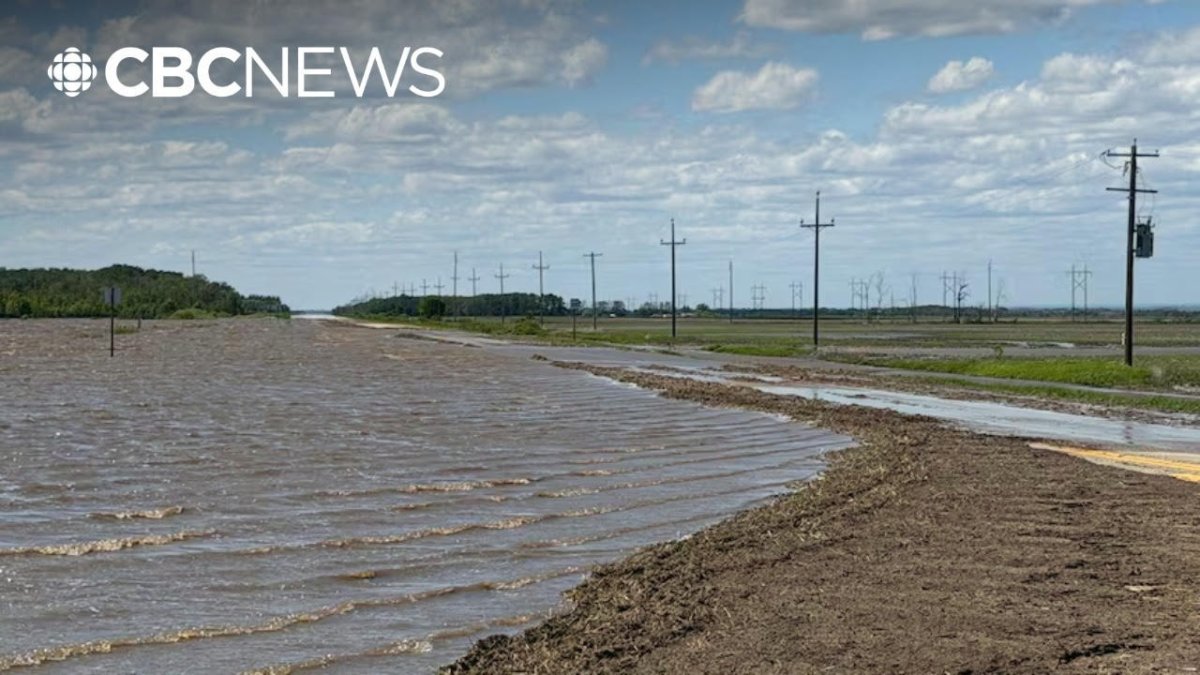
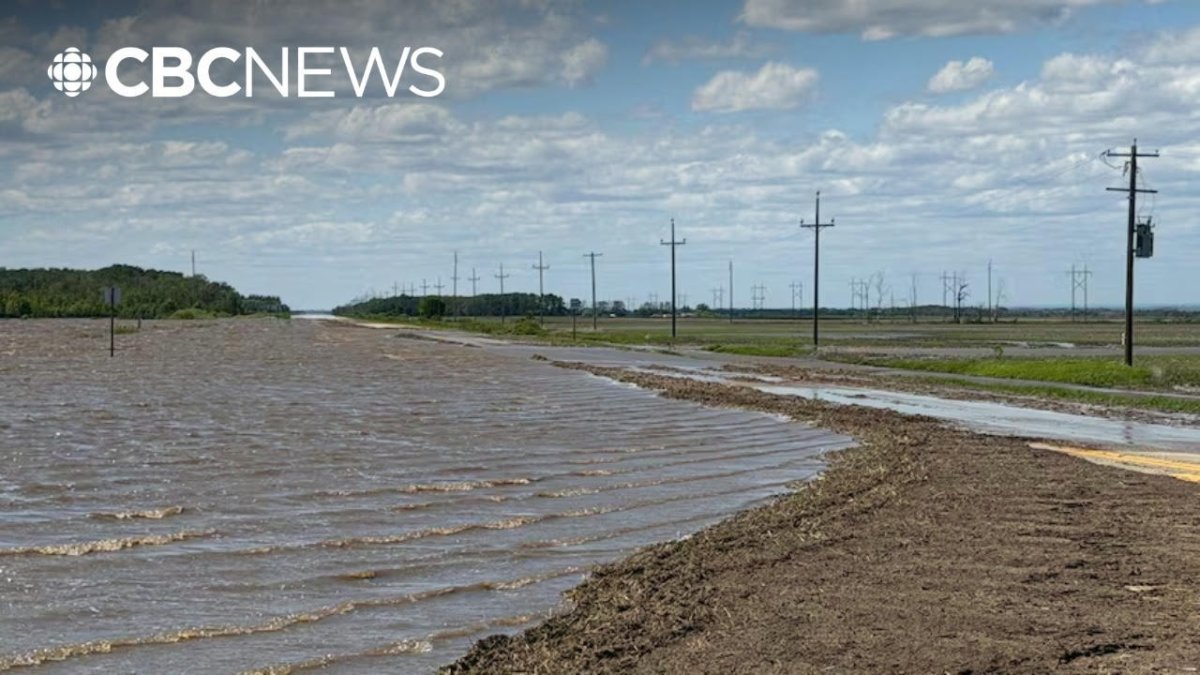
At times, more than 60 highways closed across the province because of floodwaters covering roads and washing out shoulders. These closures isolate rural communities and delay the movement of goods between western Manitoba and major centres such as Winnipeg. Farmland remains submerged in several areas, threatening this season's crop yields and increasing financial pressure on producers already facing volatile commodity prices.
Residential areas in low-lying zones also face inundation, forcing families to relocate temporarily. The combination of road and field flooding demonstrates how a single river system can affect transportation, agriculture, and housing simultaneously. Canadian taxpayers ultimately share the cost through disaster assistance programs when local resources are overwhelmed.
Declarations in Minnedosa and Sioux Valley Dakota Nation
The Town of Minnedosa declared a state of local emergency to coordinate its own sandbagging and traffic control measures. Sioux Valley Dakota Nation likewise declared a state of emergency, with Chief Jennifer Bone confirming that community members have intensified sandbagging efforts along vulnerable riverbanks. These parallel declarations highlight the widespread nature of the threat across both municipal and First Nations jurisdictions.
Chief Bone's community lies directly in the flood path, making rapid local action essential to safeguard homes and cultural sites. Coordinated responses between neighbouring governments strengthen overall provincial resilience, especially when resources such as sandbags and pumps must be shared. Such collaboration reflects Canada's ongoing efforts to integrate Indigenous leadership into emergency management frameworks.
Insurance Challenges and Future Preparedness
The Insurance Bureau of Canada has warned that overland flood coverage penetration remains low across the country, leaving many Manitoba homeowners exposed to uninsured losses. Properties damaged by river overflow often fall outside standard home insurance policies, forcing residents to rely on provincial or federal disaster relief. This gap becomes particularly acute when flooding reaches levels last seen in 2014.
Low uptake of specialized flood insurance increases the financial burden on governments and taxpayers after each event. Canadian insurers continue to expand product offerings, yet awareness campaigns have not yet reached sufficient numbers of Prairie residents. Strengthening uptake now could reduce future public expenditures and speed recovery for affected families.
Monitoring and Provincial Response
Provincial officials report that cresting has begun on the Assiniboine River and is moving downstream toward Brandon, with the peak now expected on Monday. The flood forecasting system provides daily updates that allow municipalities to adjust sandbag placement and evacuation timelines. These real-time data streams prove critical when rainfall totals exceed 50 millimetres in a single day, as occurred in Brandon last Monday.
Continued vigilance remains necessary because additional thunderstorms could push levels higher than current models predict. Manitoba's experience with repeated flood years underscores the need for sustained investment in forecasting technology and infrastructure upgrades. Effective monitoring protects not only local residents but also the broader Canadian economy that depends on stable Prairie agricultural output.
By Alex Thompson, Staff WriterThis article was produced with AI-assisted research and editorial support. Reporting is based on sources cited in the article.
What's Your Reaction?
 Like
0
Like
0
 Dislike
0
Dislike
0
 Love
0
Love
0
 Funny
0
Funny
0
 Wow
0
Wow
0
 Sad
0
Sad
0
 Angry
0
Angry
0

Canada Correspondent at Global1.News. Based in Toronto, covering Canadian politics, energy, trade, and US-Canada relations. Provides the Canadian perspective on North American and global affairs.











Comments (0)