
Haryana Groundwater Crisis Spurs Natural Farming Shift
Haryana faces an acute groundwater emergency, with 60.48% of its area classified as overexploited by the Central Ground Water Board. On July 8, 2026, Chief Minister Nayab Singh Saini urged farmers at the Natural Farming Samvad programme in Panchkula to adopt natural farming methods to arrest rapid aquifer depletion. This call directly addresses the state's five-decade Green Rev
Haryana faces an acute groundwater emergency, with 60.48% of its area classified as overexploited by the Central Ground Water Board. On July 8, 2026, Chief Minister Nayab Singh Saini urged farmers at the Natural Farming Samvad programme in Panchkula to adopt natural farming methods to arrest rapid aquifer depletion. This call directly addresses the state's five-decade Green Revolution legacy of intensive paddy-wheat cultivation that has left only 32% of groundwater suitable for high-quality agriculture.
Haryana's Groundwater Emergency: Can Natural Farming Reverse Five Decades of Depletion?
Panchkula, Haryana – July 8, 2026 — Haryana Chief Minister Nayab Singh Saini addressed the Natural Farming Samvad programme and directed the formation of Prakriti Shri Anna Prerak Kisan Committees in every district to accelerate the shift away from chemical-intensive practices. The state currently records 2,246 villages in the critical red category where groundwater levels have fallen below 30 metres between June 2010 and June 2024, according to Haryana Water Resources Authority data. These figures underscore the urgency of moving beyond the paddy-wheat monoculture that has defined the Green Revolution belt for over fifty years.
Groundwater Depletion Patterns Across Key Districts
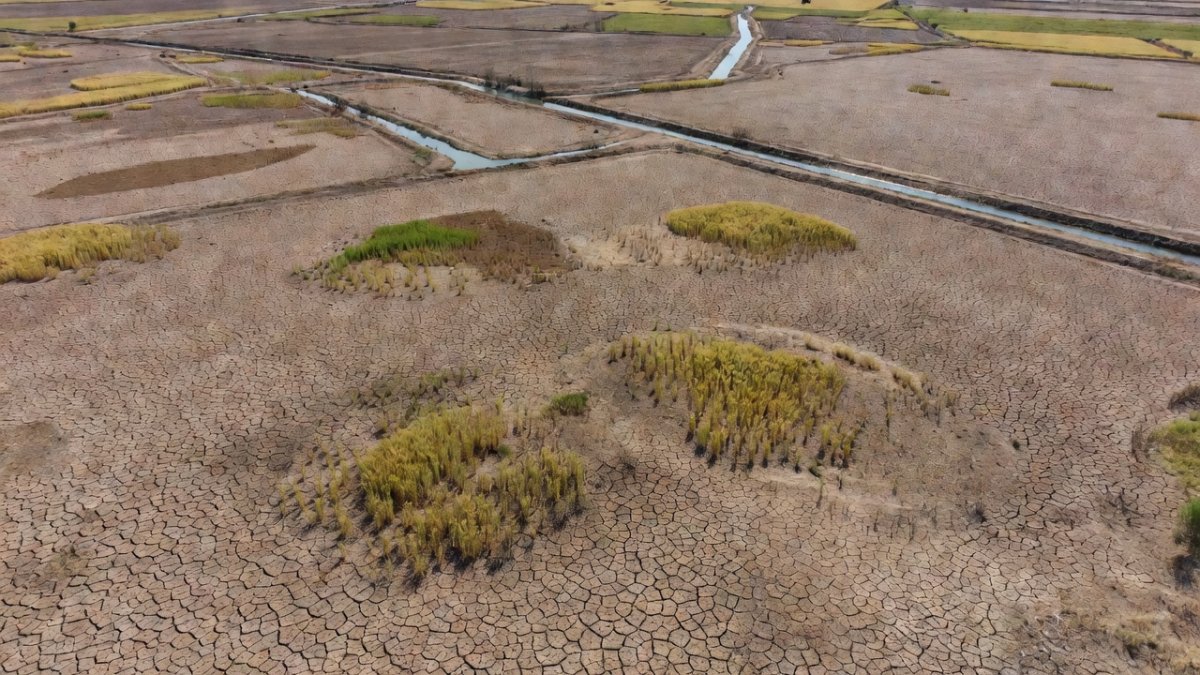
The Central Ground Water Board assessment places 60.48% of Haryana in the overexploited category, with the worst conditions concentrated in Kaithal, Karnal, and Kurukshetra districts. These areas have experienced the steepest declines due to continuous flood irrigation of paddy followed by wheat. CCS Haryana Agricultural University research confirms that only 32% of remaining groundwater meets standards for sustained high-productivity agriculture, forcing farmers to drill deeper and incur higher energy costs for pumping. The Ministry of Jal Shakti guidelines and the Pradhan Mantri Krishi Sinchayee Yojana framework both emphasise micro-irrigation and crop diversification, yet implementation gaps persist in these high-stress blocks. Taxpayers bear the burden through subsidised power for tubewells, while citizens face rising risks of contaminated drinking water sources linked to agricultural runoff.
Institutional Mechanisms and Vision 2035 Targets
The formation of Prakriti Shri Anna Prerak Kisan Committees represents a structured governance response aligned with Prime Minister Modi's farmers' welfare vision. These committees will operate at district level to promote cluster-based natural farming models already demonstrated in Andhra Pradesh and Madhya Pradesh. Haryana's Vision 2035 document explicitly targets farmer income growth through natural farming clusters, AI-enabled advisory systems, agri-startups, and expanded food processing infrastructure. NABARD has been identified as a key financing partner to support farmer groups during the three-to-five-year transition period when yields may initially fluctuate. Such coordinated action between state agencies, the Central Ground Water Board, and the Haryana Water Resources Authority aims to reduce extraction rates while maintaining food grain output for national food security.
Health and Environmental Consequences for Citizens
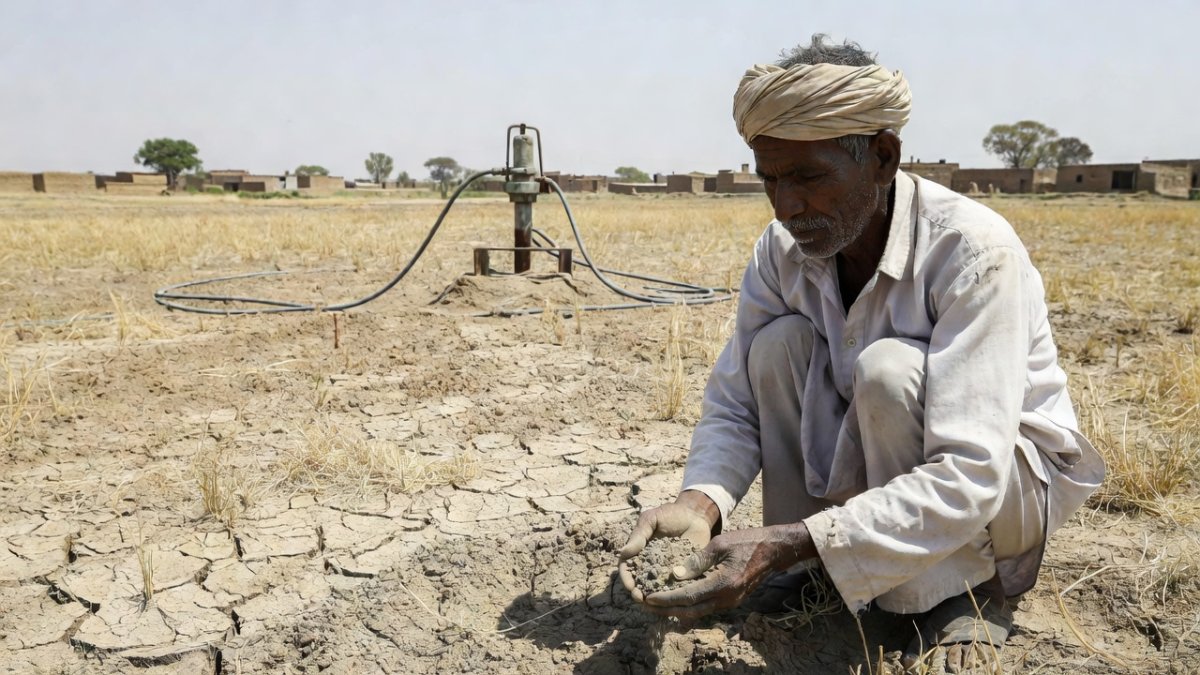
Decades of intensive chemical use have left measurable pesticide residues in the food chain and degraded soil organic carbon levels across the state. CCS Haryana Agricultural University studies link declining water quality to increased health risks for rural populations dependent on groundwater for drinking and irrigation. Natural farming practices eliminate synthetic inputs, thereby reducing residue loads and improving soil microbial activity that supports long-term fertility. Citizens in affected districts stand to benefit from cleaner aquifers and safer produce, lowering public health expenditure on water-borne and chemical-related illnesses. The policy shift therefore carries direct implications for both environmental restoration and taxpayer-funded healthcare systems.
Economic Implications for Farmers and State Finances
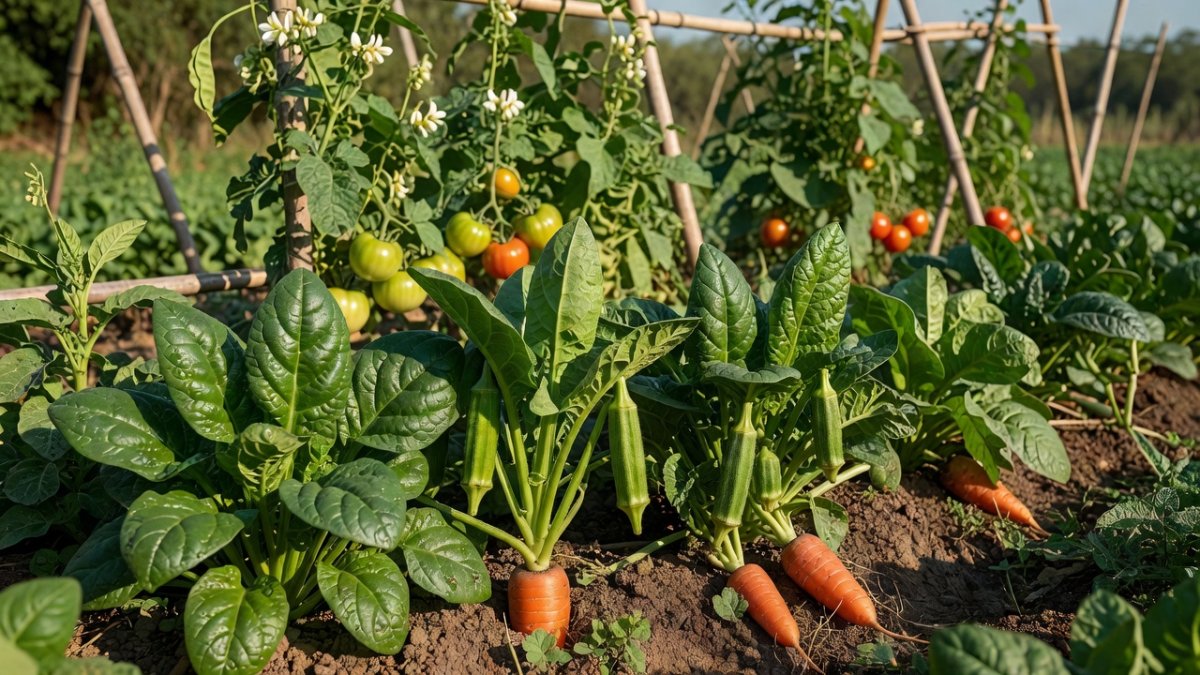
Transitioning from the paddy-wheat cycle requires upfront investment in alternative inputs and training, yet offers reduced costs on fertilisers, pesticides, and electricity over time. NABARD-supported groups can access credit for initial conversion, while cluster models enable collective marketing of chemical-free produce at premium prices. Farmers in Kaithal, Karnal, and Kurukshetra stand to gain from diversified cropping that lowers risk from monsoon variability and groundwater restrictions. Taxpayers currently subsidise power and canal water; successful natural farming adoption could ease these fiscal pressures while sustaining agricultural GDP contributions. The Vision 2035 roadmap projects measurable income gains once clusters achieve scale and link with food processing units.
The Bottom Line
Haryana's 60.48% overexploited groundwater area and 2,246 red-category villages demand immediate, evidence-based action. The July 8, 2026 announcement of district-level natural farming committees, backed by CCS Haryana Agricultural University data showing only 32% suitable groundwater, provides a concrete pathway aligned with Jal Shakti guidelines and PM Krishi Sinchayee Yojana objectives. Successful implementation will determine whether the state can protect aquifers, improve farmer incomes, and deliver safer food to citizens within the Vision 2035 timeline. Continued monitoring by the Central Ground Water Board and Haryana Water Resources Authority will be essential to measure progress and adjust support mechanisms for sustainable outcomes.
— By Dr. Raj Patel, Staff Writer
This article was produced with AI-assisted research and editorial support. Reporting is based on sources cited in the article.
What's Your Reaction?
 Like
0
Like
0
 Dislike
0
Dislike
0
 Love
0
Love
0
 Funny
0
Funny
0
 Wow
0
Wow
0
 Sad
0
Sad
0
 Angry
0
Angry
0

India/South Asia Correspondent at Global1.News. Analytical voice with a background in science and health journalism. Based in New Delhi, covering Indian politics, education, healthcare, technology, and policy. Breaks down complex data into clear, actionable reporting.













Comments (0)