
Tracking Typhoon Inday as It Draws Nearer to Northern Luzon
Tracking Typhoon Inday as It Draws Nearer to Northern Luzon As Typhoon Inday churns 925 kilometers east of Northern Luzon with sustained winds of 175 kilometers per hour and gusts reaching 215 kilometers per hour, families across Batanes and Cagayan are already feeling the tension in their homes. Grandmothers recall past storms while checking on grandchildren, ensuring everyone
Tracking Typhoon Inday as It Draws Nearer to Northern Luzon
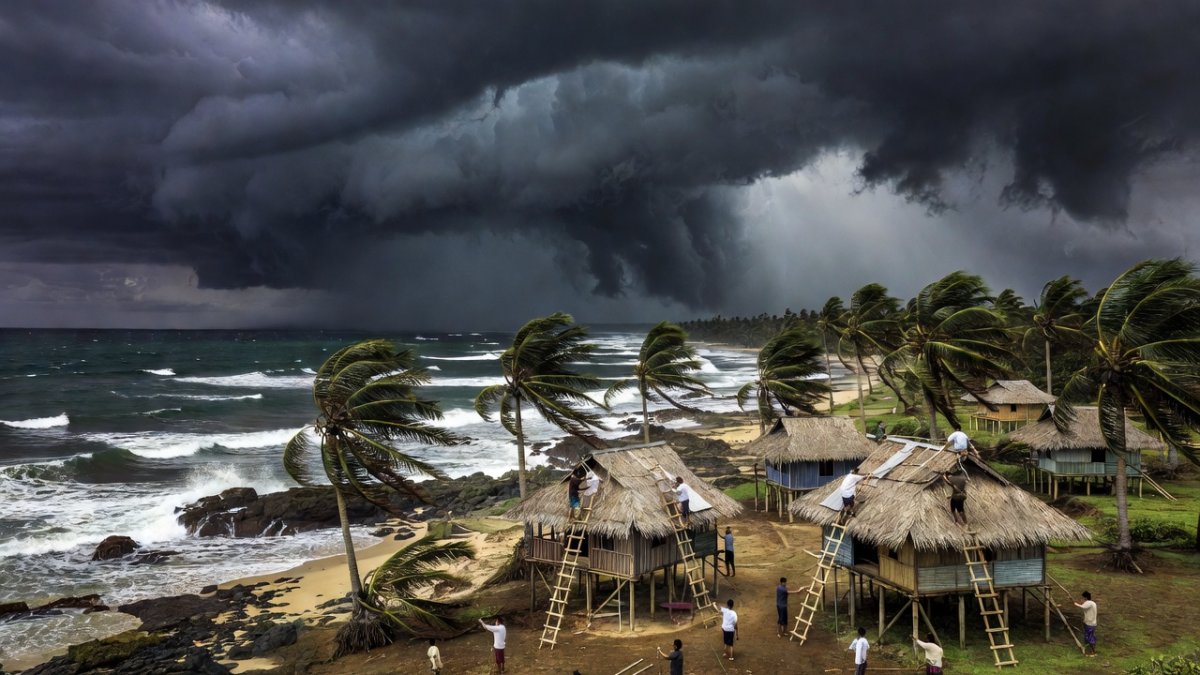
As Typhoon Inday churns 925 kilometers east of Northern Luzon with sustained winds of 175 kilometers per hour and gusts reaching 215 kilometers per hour, families across Batanes and Cagayan are already feeling the tension in their homes. Grandmothers recall past storms while checking on grandchildren, ensuring everyone stays close during these uncertain days. The storm moves west-northwest at 20 kilometers per hour, prompting many to stock up on rice and canned goods from local markets. Community leaders gather in barangay halls to discuss the latest updates from PAGASA, sharing messages of hope amid the growing winds. Children ask innocent questions about why the sky looks so heavy, reminding elders of the strength found in unity during such threats.
Signal Number 1 now covers Batanes, Babuyan Islands, Cagayan, Isabela, Apayao, Kalinga, Abra, and Ilocos Norte, turning routine evenings into moments of careful planning for residents. Farmers in the lowlands secure their livestock and cover vegetable plots with whatever materials they have on hand. In coastal villages, neighbors help each other tie down roofs and move furniture indoors, their conversations filled with quiet prayers for safety. The enhanced habagat adds layers of rain that already soak fields, making daily chores heavier yet fostering deeper bonds among kababayan. Everyone watches the horizon, knowing July 10 evening through July 11 morning will bring Inday closest to extreme Northern Luzon.
Local radio stations broadcast continuous updates, their warm voices guiding listeners on evacuation routes and safe shelters available in each municipality. Mothers pack small bags with medicines and important documents, their hearts heavy but determined to protect their loved ones. In schools turned into temporary refuges, volunteers arrange mats and prepare simple meals, creating spaces where stories of past survivals lift spirits. The 50 to 100 millimeters of rain expected in Batanes on July 10 means extra vigilance for those living near rivers that could swell quickly. Through it all, the Filipino spirit shines as people share extra food and offer rides to those without vehicles.
Young professionals working from home pause their tasks to check on elderly parents in the provinces, their calls filled with reminders to stay indoors once the winds pick up. Fisherfolk who usually head out at dawn now linger on shores, heeding gale warnings of waves up to six meters high. The advice to stay in port echoes in every household, turning potential income days into times for family bonding and storytelling. Community pantries open early, distributing supplies to ensure no one goes hungry during the heightened alert period. As Inday edges closer, these preparations weave a tapestry of care that defines life in the northern regions.
Even as the typhoon is set to exit the Philippine Area of Responsibility by July 11 and make landfall in China the next day, the focus remains on immediate human needs rather than distant forecasts. Teachers cancel classes and turn their attention to helping neighbors reinforce windows against the coming gusts. In markets, vendors lower prices on essentials, showing solidarity in small but meaningful ways. The collective worry brings out the best in people, with youth groups organizing quick cleanups of drainage canals to prevent flooding. Through shared meals and laughter breaking the tension, Northern Luzon readies itself with quiet resilience.
Evacuations and Family Preparations Across Signal Areas
With Signal Number 1 raised, evacuation centers in Isabela and Apayao fill with families carrying children and pets, their faces showing both fatigue and quiet determination. Local officials coordinate transport for those in flood-prone zones, ensuring the elderly and persons with disabilities reach safety first. Inside these centers, volunteers serve warm lugaw and share encouraging words that ease the anxiety of leaving homes behind. Stories circulate of how previous storms strengthened community ties, turning strangers into lifelong friends through shared hardships. Parents soothe little ones with tales of brighter days ahead once Inday passes.
Households in Abra and Kalinga spend hours boarding up windows and securing water supplies, their efforts guided by memories of past typhoons that tested their endurance. Neighbors exchange tools and advice on the best ways to protect precious heirlooms and family photos from potential water damage. The enhanced habagat rains already make roads slippery, yet this does not stop volunteers from checking on isolated homes in the mountains. Children help by packing toys and books, their small contributions bringing smiles amid the seriousness. These acts of preparation highlight the deep care Filipinos hold for one another during crises.
In Cagayan, barangay captains lead drills that teach residents how to respond if strong winds damage power lines or cause sudden flooding. Families discuss backup plans for communication, agreeing on meeting points should they become separated. The 50 to 100 millimeters of rain forecast for nearby Batanes adds urgency to clearing gutters and reinforcing drainage around homes. Women in the community organize group cooking sessions to prepare meals that can last several days without electricity. Through these collective efforts, the weight of the approaching storm feels lighter because no one faces it alone.
Health workers distribute basic medicines and hygiene kits at evacuation sites, their gentle explanations calming fears about possible illnesses from the rains. Young adults use social media to update relatives abroad, assuring them that preparations are thorough and spirits remain high. In Ilocos Norte, fishermen turned volunteers help move boats further inland, protecting livelihoods that sustain entire families. The focus stays on preserving not just property but also the emotional well-being of everyone involved. Laughter shared over simple snacks reminds all that hope persists even in stormy times.
As July 10 evening approaches, final checks on emergency kits become routine, with flashlights and radios tested repeatedly. Grandfathers share wisdom from decades of weathering typhoons, teaching the younger generation the value of patience and adaptability. Schools and churches open their doors wider, offering not only shelter but also spaces for prayer and reflection. The human impact shines through in every helping hand extended, proving that preparation is an act of love. Northern Luzon stands ready, its people bound by shared purpose.
Fisherfolk Heeding Warnings and Protecting Their Livelihoods
Along the coasts of Batanes and Ilocos Norte, fisherfolk tie their boats securely to sturdy posts, following strict advice to remain in port as waves could reach six meters. These men and women, whose daily catch feeds countless families, now spend time mending nets indoors while recounting sea adventures to their children. The gale warnings bring a mix of disappointment over lost income and relief that safety comes first for everyone. Community leaders visit piers to offer support, sometimes providing alternative work like repairing community facilities. In these moments, the sea that usually provides becomes a reminder of nature's power and the need for caution.
Enhanced habagat rains drench the shores, turning usual fishing grounds into turbulent waters that no one dares challenge during the alert. Families gather around small stoves to cook meals from stored supplies, their conversations turning to dreams of calmer days when boats can sail again. Older fishermen teach younger ones traditional weather signs, blending old knowledge with modern PAGASA updates for better decisions. The 175-kilometer-per-hour winds expected nearby make even the bravest pause and prioritize returning home early. Solidarity grows as neighbors share fuel or spare parts, ensuring no boat owner feels isolated in their worries.
Women in fishing villages organize small cooperatives to sell dried fish and other preserved goods, cushioning the financial blow from staying ashore. Children help by collecting rainwater for household use, learning early lessons in resilience and resourcefulness. The storm's path toward extreme Northern Luzon on July 10 evening through July 11 morning keeps everyone vigilant, with constant checks on boat moorings. Prayers offered at small chapels near the sea seek protection not only for people but also for the vessels that represent years of hard work. Through these shared routines, the human spirit adapts with warmth and creativity.
Local governments provide temporary aid like rice packs to affected fisherfolk households, easing immediate concerns while the typhoon looms. Stories emerge of past storms where communities rebuilt stronger together, inspiring hope that Inday too shall pass without major losses. The advice to stay in port echoes in every home, turning potential workdays into opportunities for family bonding and rest. Young fishers use the time to study alternative skills, thinking ahead to diversified livelihoods. In every gesture of mutual aid, the warmth of Filipino culture shines brightly against the dark clouds.
As Inday moves on after exiting the PAR by July 11, these coastal families look forward to resuming their trade with renewed gratitude for safety. The waves may subside, but the bonds formed during the wait will endure. Fisherfolk clean their boats in anticipation, their eyes scanning calmer horizons. Support from inland neighbors arrives in the form of extra vegetables or helping hands for repairs. This cycle of preparation and recovery defines life by the sea, always with an eye toward protecting what matters most.
Widespread Rains from the Habagat Reaching Every Corner
The enhanced habagat, fueled by Typhoon Inday, brings steady rains to most of the country through July 11, affecting daily commutes and school schedules in places far from Northern Luzon. In Manila and Central Luzon, office workers share umbrellas and stories of flooded streets, their patience tested yet lifted by small kindnesses from strangers. Farmers in the Visayas check rice paddies for excess water, their livelihoods tied to the same weather system threatening the north. Families adjust meal plans to use ingredients that store well during wet days, turning challenges into opportunities for creative cooking. The human stories multiply as people adapt with characteristic Filipino optimism.
Children in affected areas find joy in playing with paper boats along gentle streams created by the rains, their laughter providing relief to worried parents. Health centers remind everyone to watch for coughs and colds common during prolonged wet weather, distributing vitamins to boost immunity. The 50 to 100 millimeters expected in Batanes serves as a stark reminder that even distant rains carry real weight for northern communities. Volunteers clear clogged drains in urban neighborhoods, preventing minor floods from escalating into bigger problems. Through these everyday adjustments, the nation feels connected by the shared experience of weather.
Market vendors in southern provinces cover their goods with tarps, chatting about how the habagat influences prices of fresh produce from the north. Students use the extra indoor time for homework or family conversations, strengthening bonds that might otherwise be rushed. The rains remind everyone of the importance of drainage maintenance and environmental care in preventing disasters. Local artists capture the moody skies in quick sketches, sharing them to spread messages of unity and endurance. In every region touched by the habagat, small acts of generosity keep spirits afloat.
Elderly residents in provinces recall how habagat seasons once brought bountiful harvests after the rains, offering perspective to younger generations feeling the current strain. Transportation workers ensure safe passage for commuters, their dedication shining through wet uniforms and long shifts. The connection to Inday's path makes the rains feel personal, prompting more frequent calls to relatives in Signal areas. Community gardens receive extra watering naturally, yet owners worry about over-saturation affecting crops. These layered impacts highlight how one typhoon touches lives in countless quiet ways across the archipelago.
As the system weakens after July 11, the country anticipates clearer skies while reflecting on the resilience built during the wet spell. Stories of neighbors helping with laundry or sharing hot meals circulate widely, reinforcing cultural values of bayanihan. The habagat serves as a gentle teacher about preparedness and mutual support. Families plan small celebrations once the rains ease, looking forward to reunions and normal routines. In this way, even widespread weather events become chapters in the ongoing story of Filipino strength.
Personal Stories of Courage from Northern Communities
In a small village in Isabela, a mother of four describes how she balanced work and storm preparations, her voice steady with the love that drives every decision. Her children help carry supplies, learning lessons in responsibility that will last beyond Inday. The Signal Number 1 alert brought neighbors together for a quick prayer circle, their faith providing comfort when forecasts grow intense. These personal accounts reveal the quiet heroism found in ordinary homes facing extraordinary weather. Warm meals shared after long days of securing properties become moments of gratitude.
Teachers in Abra recount staying late to ensure students reach evacuation centers safely, their dedication extending far beyond classroom walls. One elderly man in Kalinga shares how he taught his grandchildren traditional ways to read the wind, blending heritage with current warnings. The human impact appears in every tear wiped away and every reassuring hug given during tense hours. Fisherfolk wives organize group activities for kids, keeping young minds occupied while adults handle logistics. Through these narratives, the warmth of community support becomes the true shield against the storm.
Young couples in Cagayan discuss future plans interrupted by the typhoon yet remain hopeful, their conversations filled with dreams of stable homes. Volunteers at centers tell of reuniting separated family members, their efforts creating new bonds of friendship. The expected closeness of Inday on July 10 evening through July 11 morning heightens emotions, making every interaction more meaningful. Stories of past recoveries inspire current actions, showing that resilience is passed down through generations. In these voices, the soul of Northern Luzon speaks clearly.
Health aides in Apayao travel muddy roads to deliver supplies, their commitment undeterred by the habagat rains. Families celebrate small victories like successfully boarding a window or sharing the last flashlight, their joy infectious. The focus on human connections turns potential isolation into opportunities for deeper understanding and care. Children draw pictures of sunny days to come, their optimism a beacon for adults around them. These moments capture the essence of facing threats together with open hearts.
As recovery begins after Inday exits, these stories will be retold around dinner tables, strengthening resolve for future seasons. The courage displayed by everyday people underscores the power of unity in the face of nature's force. Each account adds to a collective memory that honors survival and growth. Warm embraces and shared tears mark the end of the alert period. Northern Luzon emerges not just intact but enriched by the experience.
Hoping for Safe Passage as Inday Exits the Region
With Inday set to leave the Philippine Area of Responsibility by July 11, communities in Northern Luzon begin cautious assessments of their surroundings while holding onto hope for minimal damage. Families step outside to inspect roofs and gardens, their relief mixed with plans for quick repairs using local resources. The landfall in China on July 12 feels distant, yet the lessons from this threat linger in every conversation. Prayers of thanks rise from churches and homes alike, celebrating the safety achieved through preparation. The human impact lingers in the renewed appreciation for life and loved ones.
Local leaders thank volunteers and residents for their cooperation, their speeches filled with pride in the collective effort that kept everyone secure. Fisherfolk check boats one last time before the all-clear, already dreaming of the next bountiful catch. The enhanced habagat rains taper off, allowing fields to dry and roads to clear for normal activities. Children return to play with renewed energy, their games a sign that childhood joy endures. In these transitions, the warmth of Filipino hospitality extends even to the departing storm.
Stories from the alert period become bedtime tales that teach future generations about preparedness and compassion. Markets reopen with fresh produce, vendors greeting customers with extra smiles after days of limited operations. The Signal areas breathe easier, knowing the worst has passed without major incidents thanks to timely warnings. Community cleanups begin immediately, turning recovery into another act of bayanihan. Hope blooms as brightly as the sun breaking through remaining clouds.
Relatives abroad receive updates confirming everyone is safe, their worries eased by the resilience shown back home. Schools plan makeup classes with creative activities that incorporate lessons from the typhoon experience. The focus shifts to rebuilding any minor losses while cherishing the bonds strengthened during the wait. Fisherfolk head out again with caution, their return to the sea symbolizing continuity and courage. Through it all, the spirit of Northern Luzon remains unbroken and ever hopeful.
As life resumes its rhythm after July 11, the memory of Typhoon Inday serves as a reminder of nature's might and humanity's greater capacity for care. Families gather for simple feasts, toasting to safety and the days ahead. The country as a whole feels the ripple effects yet stands united in support. Warm voices on radio bid farewell to the storm, welcoming calmer weather with gratitude. Northern Luzon looks forward with faith and strength.
By Bella Reyes, Staff WriterThis article was produced with AI-assisted research and editorial support. Reporting is based on sources cited in the article.
What's Your Reaction?
 Like
0
Like
0
 Dislike
0
Dislike
0
 Love
0
Love
0
 Funny
0
Funny
0
 Wow
0
Wow
0
 Sad
0
Sad
0
 Angry
0
Angry
0

Africa Correspondent at Global1.News. Based in Lagos, covering politics, business, technology, and culture across the continent. Focused on telling African stories beyond the headlines — the innovation, entrepreneurs, and communities shaping the region's future.













Comments (0)