
Cuba's Power Crisis: Implications for Latin American Energy Independence and Climate Resilience
Cuba's Power Crisis: Implications for Latin American Energy Independence and Climate Resilience The Latest Nationwide Blackout Cubans in several locations banged pots on Tuesday evening to express their anger about the latest nationwide power cut. This incident marked the third such nationwide outage this year, plunging large parts of the island into darkness once again. The st
The Latest Nationwide Blackout
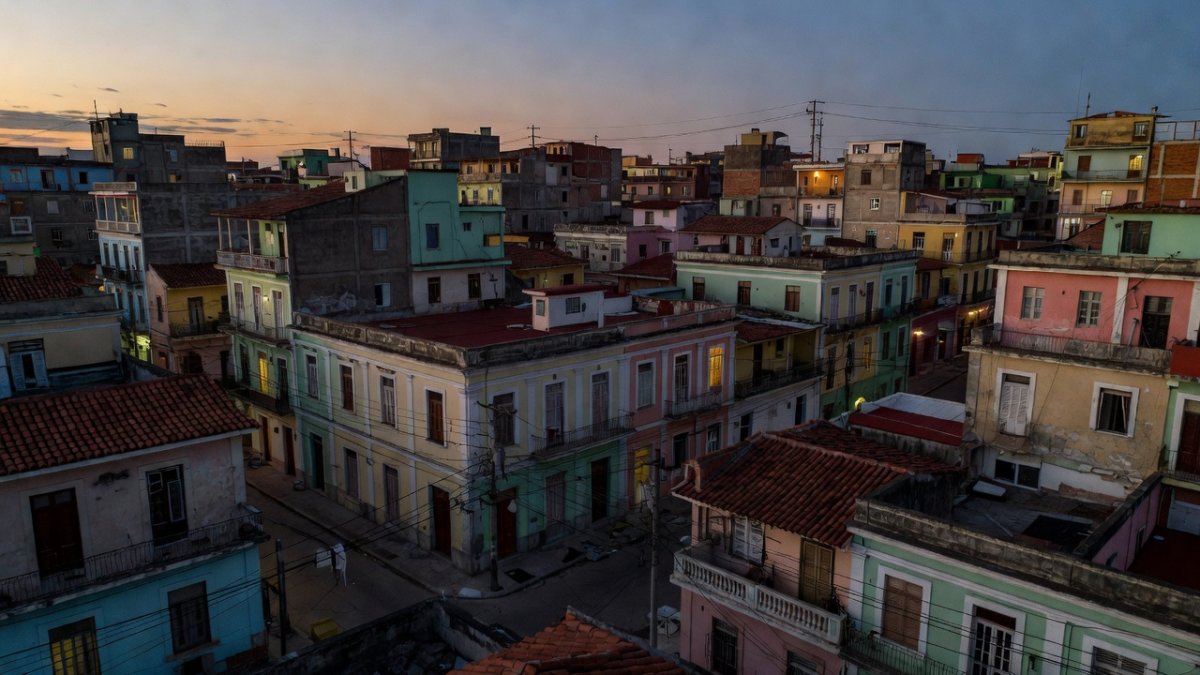
Cubans in several locations banged pots on Tuesday evening to express their anger about the latest nationwide power cut. This incident marked the third such nationwide outage this year, plunging large parts of the island into darkness once again. The state electricity company did not specify the exact trigger for the unplanned failure, yet the event compounded existing strains from fuel shortages and prior planned restrictions. In Santiago de Cuba, the country's second-largest city, residents remained without power well into Tuesday evening, highlighting uneven restoration efforts across provinces.
Immediate impacts rippled through daily routines as traffic signals failed and water pumping stations halted operations in affected zones. Local reports indicated that even households with backup generators struggled because of the broader fuel scarcity, leaving communities isolated during the outage. The timing amplified frustrations, coming amid ongoing state-imposed rolling cuts designed to stretch limited resources. Observers noted that urban centers experienced shorter disruptions compared to more remote regions, underscoring infrastructure vulnerabilities that have persisted for months.
Restoration progressed unevenly, with officials announcing that most of the country regained electricity by late Tuesday. However, pockets of darkness lingered, prompting renewed calls for accountability from residents. This blackout follows a pattern of escalating incidents that have tested the resilience of Cuba's aging grid. The event serves as a stark reminder of how interconnected energy failures can disrupt essential services across an entire nation in a matter of hours.
Analysis of the outage reveals deeper systemic issues tied to external pressures and internal maintenance shortfalls. If similar incidents recur without intervention, the cumulative effect could further erode public trust in energy management. Regional comparisons suggest that such nationwide events remain rare in better-integrated Latin American grids, pointing to opportunities for shared technical expertise.
A Deeper Energy Crisis
Fuel shortages have intensified Cuba's energy woes, driven by tight US sanctions and an effective blockade on oil shipments. These constraints have left the national grid operating far below capacity, forcing authorities to implement rolling blackouts as a conservation measure. Rural communities bear the brunt, with some areas experiencing outages lasting up to 70 hours consecutively. Urban zones face planned interruptions of as long as 30 hours, creating a patchwork of unreliable access that varies sharply by location.
The state electricity company has struggled to maintain consistent supply amid dwindling reserves, leading to repeated cycles of conservation and failure. This deeper crisis extends beyond single events, reflecting chronic underinvestment in generation and distribution infrastructure. Residents in agricultural regions report that prolonged darkness affects irrigation systems and cold storage, compounding economic pressures in already vulnerable sectors. Data from recent months shows these patterns have become more frequent, signaling a trajectory that demands urgent regional attention.
Even where generators exist, the lack of fuel renders them ineffective during extended cuts. This reality has forced many households to adapt through alternative, often inefficient methods that increase overall energy insecurity. The situation contrasts with more diversified systems elsewhere in Latin America, where multiple sources buffer against single-point disruptions. Without broader reforms, the rolling blackouts risk becoming a normalized feature of Cuban life rather than temporary responses.
Context from neighboring countries illustrates how fuel dependence amplifies climate-related risks, such as hurricane damage to import routes. If implemented strategies focus solely on short-term rationing, long-term resilience may remain elusive. The crisis thus highlights the need for diversified approaches that account for both geopolitical realities and environmental variability across the Caribbean basin.
Political Fallout: Washington and Havana Exchange Blame
Cuban President Miguel Díaz-Canel acknowledged widespread discontent stemming from shortages of transport, food, medicines, and lengthy power cuts exceeding 20 hours. He urged citizens to channel their protests toward the US government, framing the outages as externally imposed. In response, US Ambassador to the UN Michael Waltz attributed responsibility to Cuban authorities, calling for internal changes to restore reliable service. These exchanges have intensified public rhetoric while private diplomatic channels continue with limited visible progress.
Cuba's foreign minister Bruno Rodríguez described US actions as multi-dimensional warfare that has grown more severe in recent months. Relations deteriorated sharply after President Trump linked Cuba to national security concerns early this year, followed by fresh sanctions and threats of tariffs on fuel suppliers. The seizure of former Venezuelan President Nicolás Maduro in January further complicated regional dynamics, with subsequent accusations leveled against former Cuban leader Raúl Castro. Despite these tensions, both sides have left openings for dialogue grounded in mutual respect.
The blame game plays out against a backdrop of broader Latin American energy politics, where sanctions influence cross-border flows. Analysts note that such diplomatic standoffs can delay collaborative projects that might otherwise stabilize grids. If talks yield concrete agreements on energy cooperation, they could ease some immediate pressures, though uncertainty remains high. The situation underscores how political narratives shape perceptions of crises that have tangible effects on daily life.
Regional observers emphasize the value of de-escalation to prevent spillover effects on neighboring economies. Historical patterns in US-Cuba interactions suggest that sustained engagement, rather than escalation, offers pathways toward practical solutions. This dimension of the crisis thus intersects with wider questions of sovereignty and interdependence in the hemisphere.
Brazil's Renewable Transition: A Regional Contrast
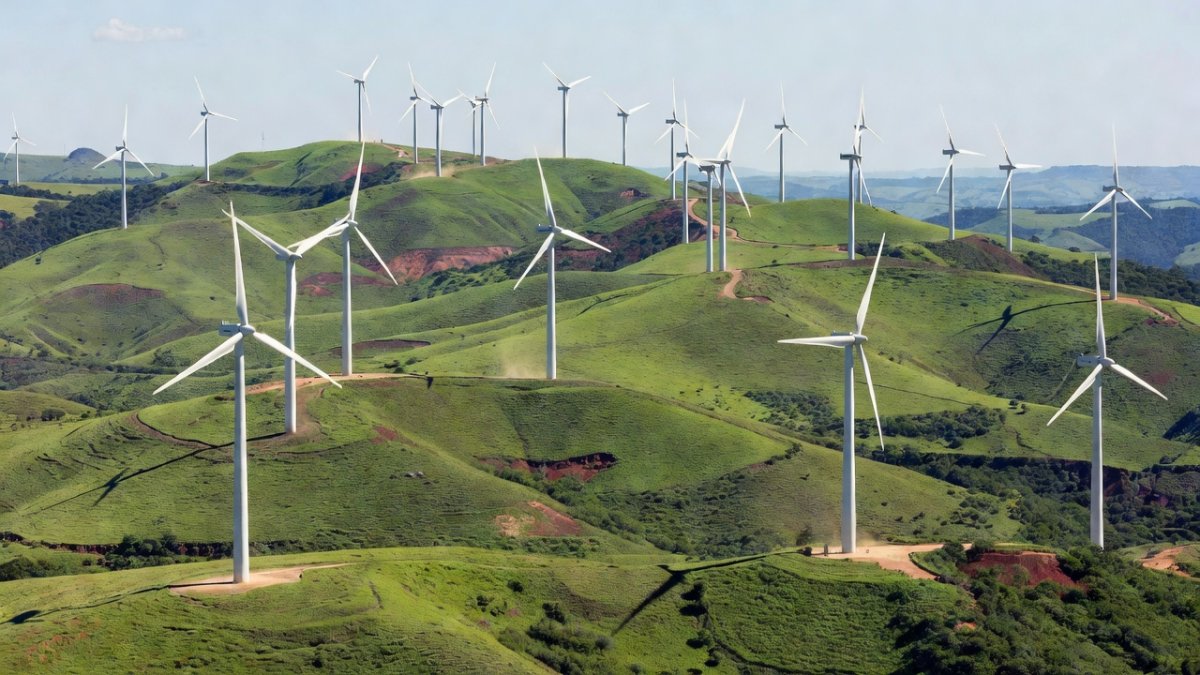
Brazil generates over 80 percent of its electricity from renewable sources, providing a clear regional contrast to Cuba's heavy reliance on imported fuels. The National Electric Energy Agency, known as ANEEL, oversees grid expansion and integration, supporting rapid growth in wind power across the northeast and expanding solar installations nationwide. Hydropower remains the backbone, yet diversification into other renewables has reduced vulnerability to single-source disruptions. This mix has enabled Brazil to maintain higher reliability even amid regional disparities in access, particularly in the Amazon.
Cuba's dependence on fuel imports leaves it exposed to external shocks that Brazil has largely mitigated through domestic renewable development. Where Brazil benefits from ANEEL-coordinated investments that balance hydropower with wind and solar, Cuba faces constraints that limit similar transitions. The northeast of Brazil demonstrates how targeted wind projects can deliver consistent output, offering lessons for Caribbean islands seeking to reduce import needs. Such contrasts highlight differing policy trajectories within Latin America.
Despite Brazil's advantages, challenges persist in extending reliable service to remote areas, mirroring some Cuban rural difficulties. Nevertheless, the overall renewable share provides a buffer against the kind of prolonged outages seen in fuel-dependent systems. If Cuba pursued analogous diversification, it might achieve greater energy independence over time. Regional data indicates that countries advancing renewables have experienced fewer crisis-level blackouts in recent years.
This comparison invites reflection on scalable models for smaller nations. Brazil's experience shows that policy frameworks like those managed by ANEEL can accelerate shifts away from fossil dependence. Cuba could draw from these successes while adapting to its unique geographic and political context, fostering a more resilient energy landscape across the region.
Climate Resilience and Energy Access in Latin America
Reliable electricity underpins climate adaptation efforts throughout Latin America, enabling early-warning systems, irrigation for drought-prone agriculture, and cooling during extreme heat events. In Cuba, frequent outages undermine these capacities, leaving communities less prepared for hurricanes and shifting weather patterns common to the Caribbean. Countries with stronger grids, such as Brazil, integrate renewable sources that support both mitigation and adaptation simultaneously. This linkage becomes especially critical as climate impacts intensify across the hemisphere.
Energy access facilitates the operation of health facilities and water treatment plants during climate shocks, reducing secondary risks like disease outbreaks. Where power remains inconsistent, adaptation strategies stall, amplifying vulnerabilities in rural and coastal zones. Regional agencies have documented how diversified renewable portfolios enhance overall system resilience against both natural and geopolitical disruptions. Cuba's current situation illustrates the consequences when such integration lags behind.
Broader Latin American initiatives emphasize cross-border learning to build climate-resilient infrastructure. Reliable power supports everything from precision farming to emergency communications, creating ripple effects that strengthen national economies. If implemented regional standards for grid modernization take hold, smaller nations could accelerate their own transitions. The Cuban case serves as a cautionary example of how energy insecurity intersects with environmental pressures.
Analysis suggests that prioritizing renewables not only cuts emissions but also fortifies societies against future climate variability. Latin American experiences demonstrate measurable gains in adaptive capacity where energy systems have diversified. Continued focus on these connections will prove essential for equitable development across diverse national contexts.
Human Cost: Daily Life Under Blackouts
Prolonged blackouts disrupt food storage and preparation, forcing families to discard perishables and rely on less nutritious alternatives during extended outages. In rural Cuba, where outages can stretch to 70 hours, small farmers lose harvests that lack refrigeration, deepening food insecurity. Healthcare facilities face similar strains, with medical equipment and vaccine storage compromised when power fails repeatedly. These effects compound existing shortages of medicines, creating daily hardships for vulnerable populations.
Small businesses, from corner stores to workshops, experience lost revenue and damaged inventory as outages halt operations without warning. Urban residents report adapting through community sharing networks, yet these informal solutions cannot fully offset systemic unreliability. The human toll extends to education and communication, as students lose access to lighting and internet during critical study periods. Such disruptions erode quality of life in ways that statistics alone cannot capture.
President Díaz-Canel has publicly recognized this suffering, noting that lengthy cuts leave no one happy. Residents in Santiago de Cuba and other affected areas have voiced their frustrations through public demonstrations, reflecting widespread fatigue. The pattern of rolling blackouts intersects with economic pressures, limiting opportunities for recovery and growth. Regional parallels show that consistent energy access correlates with improved social outcomes across Latin America.
Longer-term consequences include migration pressures as families seek more stable environments. The daily reality of darkness and uncertainty shapes community resilience in profound ways. Addressing these human dimensions requires solutions that prioritize equitable access alongside technical fixes.
Path Forward: Regional Energy Collaboration
Cuba stands to benefit from greater engagement with Latin American partners that have advanced renewable integration, such as Brazil's model of diversified sources overseen by ANEEL. Collaborative frameworks could facilitate technology transfers for wind and solar projects suited to Caribbean conditions, reducing fuel dependence over time. Private talks between Havana and Washington, though currently stalled, might eventually open avenues for broader regional dialogue if grounded in mutual respect. Such cooperation could address shared challenges like grid modernization amid climate threats.
Lessons from Brazil's northeast wind expansion and hydropower-solar balance offer practical blueprints adaptable to Cuba's scale. Regional organizations have promoted joint initiatives that pool resources for resilient infrastructure, potentially easing the fuel constraints Cuba currently faces. If implemented, these partnerships might accelerate transitions while respecting national sovereignty. The path forward hinges on moving beyond blame toward concrete, collaborative projects.
Climate resilience across Latin America improves when nations share best practices on energy access and adaptation. Cuba's experience underscores the urgency of such exchanges, particularly for island nations vulnerable to both geopolitical and environmental shocks. Broader hemispheric efforts could include financing mechanisms that support smaller economies in building diversified grids. Success will depend on sustained commitment from multiple stakeholders.
Ultimately, regional energy collaboration represents a pragmatic response to interconnected crises. By learning from neighbors' successes in renewables, Cuba could chart a more secure course. This approach aligns with wider goals of energy independence and climate resilience that benefit the entire hemisphere.
This article was produced with AI-assisted research and editorial support. Reporting is based on sources cited in the article.
What's Your Reaction?
 Like
0
Like
0
 Dislike
0
Dislike
0
 Love
0
Love
0
 Funny
0
Funny
0
 Wow
0
Wow
0
 Sad
0
Sad
0
 Angry
0
Angry
0

Latin America Correspondent at Global1.News. Based in Mexico City, covering politics, economics, energy, and culture across the region. Brings an on-the-ground perspective to stories spanning from the Rio Grande to Patagonia.















Comments (0)