
Can Girmay Recreate Past Tour de France Glories with New Team?
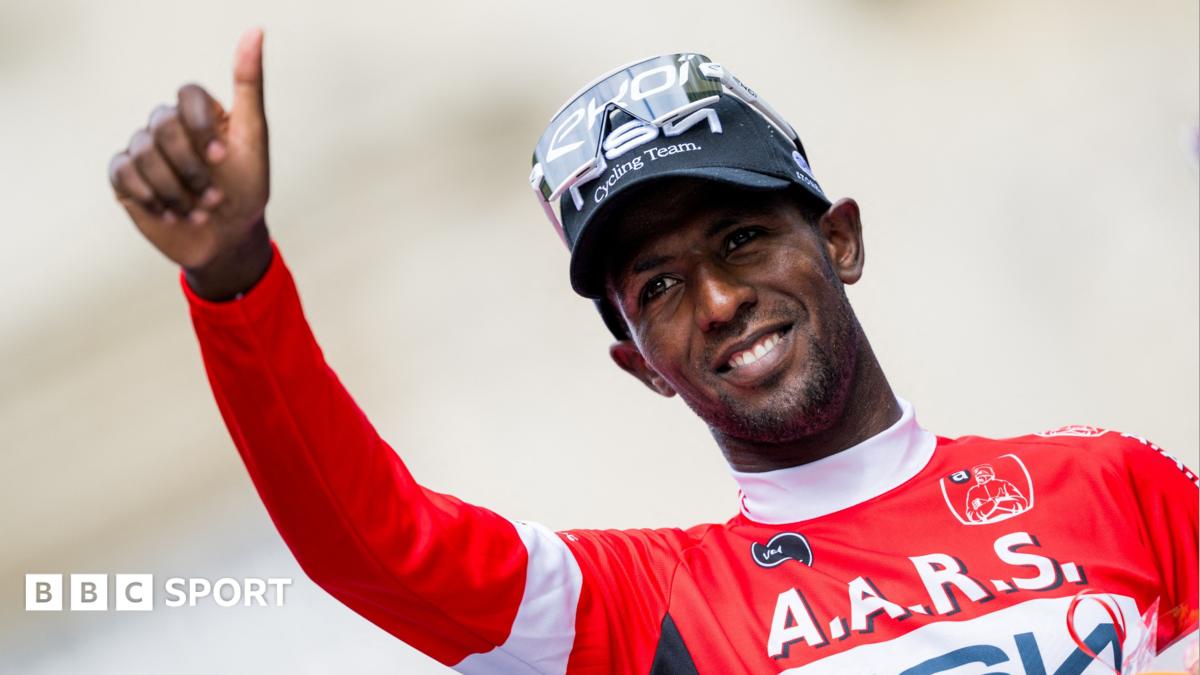
A Green Jersey That Changed Everything Biniam Girmay’s 2024 Tour de France victory marked a historic milestone as the first African rider to claim the green jersey. The Eritrean sprinter also became the first black African to win a stage in the race, achievements that resonated far beyond the finish line in Paris. His success highlighted the growing presence of African cyclists
A Green Jersey That Changed Everything
Biniam Girmay’s 2024 Tour de France victory marked a historic milestone as the first African rider to claim the green jersey. The Eritrean sprinter also became the first black African to win a stage in the race, achievements that resonated far beyond the finish line in Paris. His success highlighted the growing presence of African cyclists on the global stage and brought renewed attention to the continent’s sporting potential.
Across Africa, the news traveled quickly through community gatherings, radio broadcasts, and social media platforms. In cities and villages alike, people celebrated the accomplishment as a shared victory that transcended national borders. The green jersey win demonstrated that consistent performance in one of cycling’s most demanding events could open doors previously considered closed to riders from the continent.
Girmay’s achievement carried particular weight because it combined sprinting excellence with tactical discipline over three weeks. The result encouraged young athletes to view professional cycling as a realistic pathway rather than an unattainable dream. It also prompted discussions about investment in training facilities and international competition opportunities for African riders. The moment stood as evidence that talent combined with opportunity can produce results at the highest level of the sport.
Observers noted how the victory shifted conversations about African participation in European road racing. Rather than isolated successes, Girmay’s jersey represented sustained competitiveness. This shift helped frame future ambitions around collective progress rather than individual breakthroughs alone. The 2024 Tour thus became a reference point for what disciplined preparation and team support can achieve when an African rider enters the peloton with clear objectives.
From Asmara's Streets to the World's Biggest Race
Eritrea has established itself as Africa’s most successful cycling nation through decades of grassroots development. In Asmara, the capital’s high-altitude roads and steady climbs have long served as natural training grounds for aspiring riders. Daily commutes and weekend group rides on these routes build endurance and bike-handling skills that later translate to professional demands.
The country’s cycling tradition emphasizes community support and early exposure. Young riders often begin with local races organized around neighborhood clubs before progressing to national events. This structured pathway has produced multiple riders capable of competing in European professional circuits. The culture values persistence and tactical awareness, qualities that have helped Eritrean cyclists adapt to varied race conditions abroad.
Girmay emerged from this environment, where the combination of elevation and disciplined training routines prepared him for the intensity of WorldTour competition. The roads around Asmara foster a deep connection to the bicycle as both transport and sport. This foundation has allowed successive generations to approach international races with confidence and technical competence.
The tradition continues to influence how Eritrean riders prepare mentally and physically. Emphasis on collective effort within local teams mirrors the teamwork required in professional pelotons. As a result, cyclists from the region often demonstrate strong climbing ability alongside sprinting power, a blend that proves valuable in mixed terrain events like the Tour de France. Eritrea’s model shows how local conditions can shape athletes ready for global challenges.
Iniesta, Stoneweg, and a New Kind of Team
In December 2025, Biniam Girmay signed a three-year contract with NSN Cycling, a team co-owned by former footballer Andres Iniesta through his Never Say Never company. The move followed five seasons with Intermarche-Wanty and represented a significant step in resources and structure. Swiss investment firm Stoneweg provided additional backing, strengthening the team’s financial foundation.
Girmay expressed clear motivation upon joining, stating he felt super happy and super motivated to start, to go for stage wins, and chase the green jersey. He specifically highlighted the presence of stronger team-mates and a stronger lead-out compared to last year. These elements were designed to improve positioning in the final kilometers of flat stages where sprint opportunities arise.
The partnership between sports and investment interests created a platform focused on both performance and long-term development. NSN Cycling aimed to combine experienced leadership with targeted recruitment, giving riders like Girmay access to enhanced support staff and equipment. The structure reflected a deliberate effort to build competitiveness in major stage races.
With this backing, the team positioned itself to challenge established sprint squads more consistently. The increased budget allowed for better preparation camps and race selection that aligned with Girmay’s strengths. The arrangement underscored how strategic investment can accelerate the progress of African riders seeking sustained success at the highest level of professional cycling.
Heat, Mountains and the East African Advantage
The 2026 Tour de France Grand Depart in Barcelona introduced immediate challenges with high temperatures and a demanding stage 3 that crosses the Pyrenees. These conditions tested sprinters early, requiring careful energy management before the first flat opportunities appeared. Girmay’s background in East Africa provided a notable edge in managing heat stress during prolonged efforts.
He has pointed to previous experience, noting that if you look at his best sprint performances, they were in the 2024 Tour de France, and the team had two super hard and hot stages to start in Italy. That familiarity with elevated temperatures allowed him to maintain power output when others struggled with dehydration and fatigue. The physiological adaptation developed through years of training in warm climates proved advantageous in similar conditions.
Stage 5 from Lannemezan to Pau offered the first realistic sprint finish after the mountain test. The route profile suited riders capable of recovering quickly from earlier climbs. Girmay’s ability to handle both heat and varied terrain positioned him as one of the strongest climbers among the sprinters targeting that stage.
Preparation for these mixed conditions involved specific attention to hydration strategies and pacing. The combination of early heat and later mountain stages demanded a balanced approach that played to Girmay’s upbringing advantages. This preparation reflected an understanding that environmental factors often determine outcomes in the opening week of a Grand Tour.
Building a Season Worthy of the Green Jersey
Entering the 2026 season, Girmay secured three UCI wins, including the green jersey at the Volta Comunitat Valenciana. These results built directly on his third-place finish in the 2025 Tour de France green jersey classification. The progression demonstrated steady improvement in consistency across different race formats.
His winter and spring campaign focused on sharpening sprint speed while maintaining climbing form. The Valenciana victory provided confidence that the new team’s lead-out could deliver him into optimal positions. Each success added to the tactical understanding needed for the longer Tour de France.
Preparation also included targeted training blocks that simulated the heat and terrain expected in Barcelona and the Pyrenees. Recovery protocols were refined to handle consecutive hard days. The three early-season wins served as validation that the off-season work had translated into race-winning speed.
Team management emphasized selective racing to peak at the right moments. By balancing WorldTour events with preparation races, Girmay entered the Tour with recent form and clear objectives. The season arc reflected deliberate planning aimed at reclaiming the green jersey through repeated stage opportunities rather than isolated results.
The Sprinters' Chessboard: Philipsen, Merlier, and the Road to Pau
Stage 5 from Lannemezan to Pau presented the first clear sprint opportunity of the 2026 Tour. The flat finale favored riders with strong finishing speed and reliable lead-out trains. Girmay faced direct competition from Jasper Philipsen of Alpecin-Premier Tech and Tim Merlier of Soudal-QuickStep, both proven winners in similar terrain.
His advantage lay in being the strongest climber among the primary sprinters. This quality allowed him to stay closer to the front over any undulating sections before the final kilometers. Positioning became critical, as the new NSN lead-out aimed to counter the established trains of his rivals.
Tactical decisions on the day would revolve around when to launch the sprint and how to handle crosswinds or late attacks. Philipsen and Merlier brought their own experienced support, making the finale a contest of timing and teamwork. Girmay’s ability to recover from earlier climbs gave him flexibility in choosing when to expend energy.
The stage served as an early indicator of green jersey intentions. Points accumulated here would influence strategy for subsequent flat days. Success depended on executing the stronger lead-out Girmay had referenced while managing the accumulated fatigue from prior stages. The chess-like maneuvering among the sprint teams promised a decisive outcome for the classification.
Milkias Maekele and the Next Generation of Eritrean Cyclists
At twenty years old, Milkias Maekele from Asmara claimed the Eritrean National Road Championships, signaling the continued depth of talent emerging from the country. Like Girmay, he began his development with the As.Be.Co. team in Asmara before moving to Team Bike Aid in 2025 and later joining the Netcompany Ineos development squad.
Girmay has spoken positively about the younger rider’s prospects, describing Maekele as having huge potential and a strong mind for racing along with a truly winning mentality. These qualities reflect the mental toughness fostered in Eritrean cycling circles where early competition builds resilience.
The progression from local club to European development structures mirrors the path Girmay himself followed. Maekele’s rapid rise illustrates how the established pipeline in Eritrea continues to supply riders capable of adapting to professional demands. Support from fans who travel from Eritrea to European races further strengthens this network.
Both riders share roots in the same Asmara-based team, creating a direct link between generations. Maekele’s achievements at the national level suggest he could follow a similar trajectory toward WorldTour opportunities. The presence of multiple Eritrean riders in European squads reinforces the nation’s status as Africa’s leading cycling country and provides role models for even younger athletes still training on Asmara’s roads.
What Girmay's Return Means for African Sport
Girmay’s participation in the 2026 Tour de France with renewed team support carries significance beyond individual results. His presence reinforces the idea that African riders can compete consistently at the highest level when given appropriate resources. This visibility encourages national federations across the continent to prioritize cycling development programs.
Young athletes in countries with growing cycling scenes observe how sustained effort leads to contracts with professional teams. The example helps shift perceptions that African sporting excellence is limited to certain disciplines. Instead, it broadens the understanding of where talent from the continent can excel.
Economic aspects also come into focus. Successful riders often inspire local businesses and governments to invest in infrastructure such as velodromes and coaching education. These investments create pathways that extend beyond elite competition into community health and youth engagement initiatives.
The cultural connection remains strong as Eritrean supporters continue traveling to European events. Their presence creates an atmosphere of shared pride that resonates with other African communities following the races. Girmay’s return thus serves as both a personal milestone and a collective reference point for what organized support can achieve in international sport.
The Road Ahead Through France
With the Grand Depart behind him and the Pyrenees crossed, attention turns to the remaining flat stages where sprint opportunities will decide the green jersey. Girmay enters this phase with three early-season UCI wins and the experience of finishing third in the 2025 classification. The stronger lead-out provided by NSN Cycling offers a platform for repeated high placings.
Each stage presents tactical choices about energy conservation and positioning. The heat advantage from his East African background continues to support recovery between hard days. Rivals such as Philipsen and Merlier will contest every point, requiring precise execution from the entire team.
Looking further ahead, the three-year contract with NSN provides stability to plan beyond a single Tour. Girmay has stated he is super happy and super motivated to start, to go for stage wins, and chase the green jersey. This mindset aligns with the team’s goal of building consistent results across multiple Grand Tours.
The journey through France ultimately tests whether the combination of experience, team strength, and personal resilience can deliver another jersey. Regardless of the final classification, the campaign adds to the growing narrative of African riders shaping their place in professional cycling through preparation and opportunity.
By Amara Diop, Staff WriterThis article was produced with AI-assisted research and editorial support. Reporting is based on sources cited in the article.
What's Your Reaction?
 Like
0
Like
0
 Dislike
0
Dislike
0
 Love
0
Love
0
 Funny
0
Funny
0
 Wow
0
Wow
0
 Sad
0
Sad
0
 Angry
0
Angry
0
West Africa/Sahel Correspondent at Global1.News. Dakar-based journalist covering politics, security, climate, and development across Francophone and Anglophone West Africa. Tells the stories of a region undergoing profound transformation.









Comments (0)