
Fela Kuti Makes History as First African Artist to Receive Grammy Lifetime Achievement Award
Nigerian Afrobeat pioneer Fela Anikulapo-Kuti has made history as the first African artist to receive the Grammy Lifetime Achievement Award, a landmark recognition that cements his legacy as one of the most influential musicians in global music history. The award, accepted by his children at the Special Merit Awards Ceremony in Los Angeles, comes almost three decades after his
Nigerian Afrobeat pioneer Fela Anikulapo-Kuti has made history as the first African artist to receive the Grammy Lifetime Achievement Award, a landmark recognition that cements his legacy as one of the most influential musicians in global music history. The award, accepted by his children at the Special Merit Awards Ceremony in Los Angeles, comes almost three decades after his death in 1997.
Fela Kuti Makes History as First African Artist to Receive Grammy Lifetime Achievement Award
Lagos, Nigeria — January 31, 2026 — The pioneer of Afrobeat was posthumously honoured by the Recording Academy at the 68th Annual Grammy Awards season, becoming the first African to receive this prestigious accolade. His children — Femi Kuti, Yeni Kuti, Shalewa Kuti and Kunle Kuti — accepted the award at the Wilshire Ebell Theatre during the Special Merit Awards Ceremony, marking a moment of profound significance for African music and culture worldwide.
A Historic Night for African Music
The ceremony unfolded on January 31, 2026 at the Wilshire Ebell Theatre in Los Angeles, where the Kuti family stood together on stage to receive the Grammy Lifetime Achievement Award. Femi Kuti, Yeni Kuti, Shalewa Kuti and Kunle Kuti represented the next generation as they accepted the honour on behalf of Fela Anikulapo-Kuti.
Recording Academy CEO Harvey Mason Jr. paid tribute to the honorees as an extraordinary group whose influence spans generations. He highlighted how Fela Anikulapo-Kuti joined Whitney Houston, Chaka Khan, Carlos Santana, Cher and Paul Simon in this elite circle of 2026 recipients.
The atmosphere carried historic weight as African music finally received formal recognition at this level. The presence of the Kuti family transformed the evening into a celebration of continental creativity that stretched from Lagos to communities across West Africa.
This moment signals a shift in how the Recording Academy views African contributions to global sound. For decades African artists watched from the margins, yet the 2026 ceremony placed Fela Anikulapo-Kuti at the centre of the narrative.
Young musicians in Dakar and Accra now see a clearer path forward. The award demonstrates that African rhythms and stories belong on the same stage as any other tradition.
The night reinforced the idea that music from the continent carries universal power. Fela Anikulapo-Kuti's recognition opens doors that previous generations could only imagine.
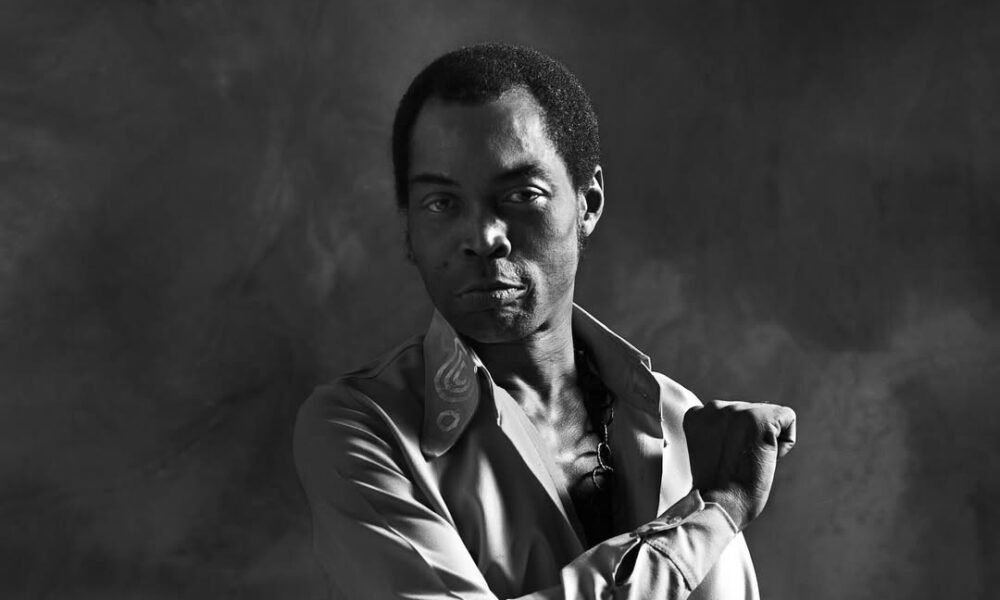
The Journey to Recognition: From Kalakuta Republic to the Grammy Stage
Fela Anikulapo-Kuti was born in 1938 and passed in 1997 at age 58 from an AIDS-related illness. His path began in Lagos where he formed the band Koola Lobitos after studying music in London.
He blended Yoruba rhythms, highlife, jazz and funk into the revolutionary sound called Afrobeat. The legendary Africa '70 and Egypt '80 bands carried this music across continents with unmatched energy.
In Lagos he founded the Kalakuta Republic commune, a creative and political space that became central to his life. The 1976 album Zombie directly mocked the Nigerian army and drew fierce retaliation from authorities.
The 1977 Kalakuta Republic raid saw military forces attack the compound, resulting in the death of his mother Funmilayo Ransome-Kuti. Fela faced repeated arrests yet continued to release powerful recordings.
Despite his global influence Fela Anikulapo-Kuti never received a competitive Grammy nomination during his lifetime. The Lifetime Achievement Award arrives nearly three decades after his death.
The decades-long journey reflects both the strength of his vision and the slow pace of institutional recognition for African artists. His children have kept the flame alive through performances and preservation efforts.
Quotes That Captured the Moment: The Kuti Family Speaks
Yeni Kuti spoke with warmth during the acceptance, saying, "I’m sure my father is smiling down on us". She acknowledged siblings Motunrayo and Seun along with nephew Made Kuti for carrying Afrobeat to another level.
Femi Kuti thanked Afrobeat carriers worldwide and expressed gratitude for the recognition. He stated, "Thank you for bringing our father here. It’s so important for Africa. It’s so important for world peace and struggle.".
Femi Kuti delivered a viral line when he said, "We’re excited that Fela is the first African to receive a Grammy Lifetime Honour". His emotional words — “We had to share him with the world so the government won’t harm us the way they did to his mother” — resonated across social media platforms, a reference to the 1977 raid that killed his grandmother.
Seun Kuti told the BBC: “Fela has been in the hearts of the people for such a long time. Now the Grammys have acknowledged it, and it’s a double victory.” He added, “It’s bringing balance to a Fela story.”
Longtime manager Rikki Stein told the BBC the recognition was “better late than never”. His comment captured the mixed feelings of pride and reflection felt by many in the African music community.
The family speeches connected the Grammy moment directly to Fela Anikulapo-Kuti's lifelong commitment to truth and cultural pride. Their words echoed through creative circles from Lagos to Johannesburg.
Fela's Enduring Legacy: Activism, Music, and the Afrobeat Revolution
Fela Anikulapo-Kuti used music as a weapon against corruption and military rule throughout his career. His fearless activism made him a target yet also turned him into a symbol of African resistance.
The 1977 raid on the Kalakuta Republic and the killing of his mother Funmilayo Ransome-Kuti remain defining tragedies. These events only strengthened his resolve to speak through song.
His influence now reaches artists such as Beyoncé, Burna Boy and even Paul McCartney. The 2024 introduction of the Best African Performance category at the Grammys built directly on the foundation he laid.
Burna Boy received a nomination in the Best Global Music Album category for 2026, continuing the lineage Fela Anikulapo-Kuti started. The connection between past and present remains vivid in every performance.
Fela Anikulapo-Kuti stands as a symbol of African resistance whose music still inspires protests and celebrations across the continent. His legacy lives in the streets of Lagos and beyond.
The Grammy honour affirms that his blend of activism and rhythm changed how the world hears African voices. New generations study his methods to shape their own artistic battles.
Fela and the African Music Renaissance
African music enjoys growing global recognition in 2026 with Afrobeats emerging as a worldwide phenomenon. Artists such as Burna Boy, Wizkid, Davido, Tems and Asake carry the sound to new audiences.
The link from Fela Anikulapo-Kuti's Afrobeat to today's Afrobeats runs through rhythm, message and cultural pride. His children Femi and Seun Kuti continue performing the original style with fresh energy.
Grandson Made Kuti has emerged as a new voice, extending the family tradition into the present. The African diaspora plays a vital role in amplifying Fela's music through festivals and clubs.
This Grammy recognition validates the work of African artists who seek global platforms without losing their roots. It shows that music born in Lagos can resonate in every corner of the world.
Creative communities in Senegal and Nigeria watch this moment with pride. The award strengthens ties between generations of musicians who draw from the same well of tradition.
Fela Anikulapo-Kuti's story reminds young artists that persistence matters. His journey from local stages to international honour offers a model for the current renaissance.
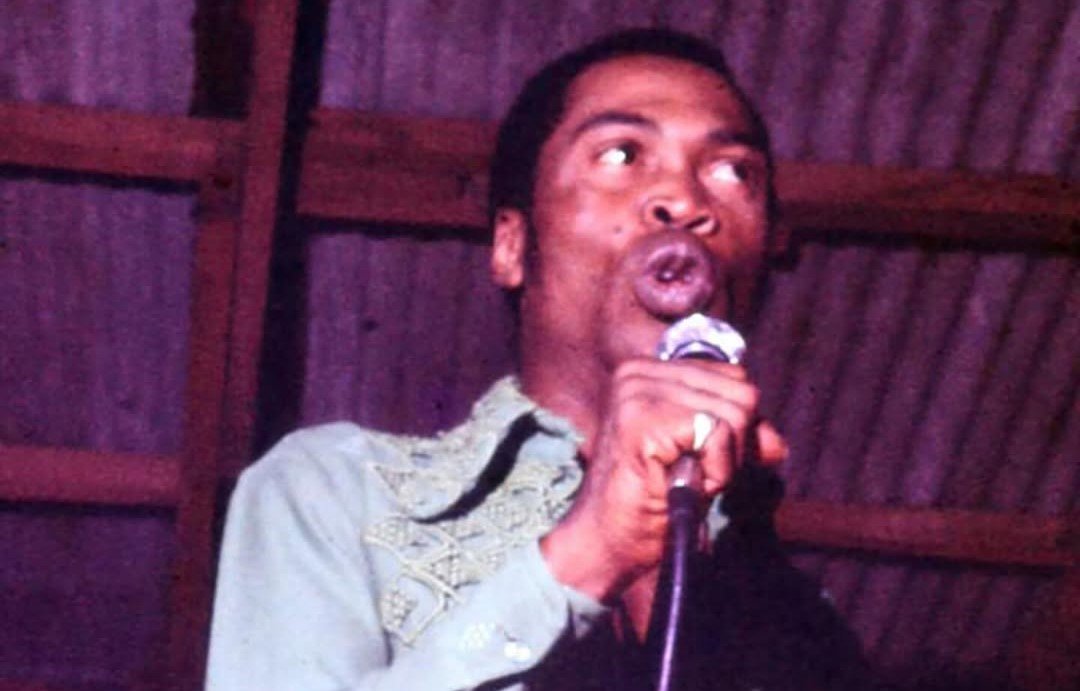
A Year of Double Honours: The Rock & Roll Hall of Fame
Fela Anikulapo-Kuti received induction into the Rock & Roll Hall of Fame Class of 2026 as the first African solo artist. British-Nigerian artist Sade Adu joined him in the same class, highlighting shared Nigerian heritage.
The 2023 deal with WME for strategic estate management helped bring renewed attention to his catalog. This professional step supported the wave of recognition that followed.
Partisan Records and the Fela Kuti Estate hosted a Grammy Week celebration featuring DJ sets from Ezra Collective's Femi Koleoso. The event connected his music to contemporary jazz and global audiences.
Two major American institutions honouring an African artist in the same year marks a turning point. The Rock Hall induction complements the Grammy Lifetime Achievement Award in powerful ways.
The dual recognition underscores how Fela Anikulapo-Kuti's work transcended borders and genres. His influence continues to shape conversations about rock, funk and African music history.
Young musicians in creative hubs across West Africa now reference both honours as proof that their sounds can reach the highest levels. The year 2026 stands as a landmark for continental legacy.
What This Means for Africa's Creative Future
The award carries clear implications for African artists seeking global recognition. It demonstrates that persistence and cultural authenticity can eventually break through institutional barriers.
African music no longer requires Western validation, yet this milestone still deserves celebration. The recognition affirms the value of stories told from Lagos and other creative centres.
The growth of the African creative economy gains momentum from such moments. Festivals, labels and digital platforms now operate with greater confidence in the continent's musical output.
Legacy preservation becomes essential for future generations of African musicians. Families and estates must continue documenting and protecting the work of pioneers like Fela Anikulapo-Kuti.
Fela's model of balancing commercial reach with artistic integrity offers guidance. He never compromised his message even as his music travelled far beyond Nigeria.
Young African creatives receive a forward-looking message that their art matters on the world stage. The Grammy honour encourages them to create boldly while staying rooted in their communities.
By Amara Diop, Staff Writer
This article was produced with AI-assisted research and editorial support. Reporting is based on sources cited in the article.
What's Your Reaction?
 Like
0
Like
0
 Dislike
0
Dislike
0
 Love
0
Love
0
 Funny
0
Funny
0
 Wow
0
Wow
0
 Sad
0
Sad
0
 Angry
0
Angry
0

West Africa/Sahel Correspondent at Global1.News. Dakar-based journalist covering politics, security, climate, and development across Francophone and Anglophone West Africa. Tells the stories of a region undergoing profound transformation.














Comments (0)