
Russia's Sanctions Demands Block Black Sea Ceasefire as Tensions Escalate
In a recent BBC News report, Russia has insisted that Western sanctions must be lifted before it will implement a maritime ceasefire with Ukraine in the Black Sea — a precondition that Kyiv and European allies have condemned as a deliberate attempt to derail diplomatic momentum. The standoff, which emerged within hours of the United States announcing that both sides had separat
In a recent BBC News report, Russia has insisted that Western sanctions must be lifted before it will implement a maritime ceasefire with Ukraine in the Black Sea — a precondition that Kyiv and European allies have condemned as a deliberate attempt to derail diplomatic momentum. The standoff, which emerged within hours of the United States announcing that both sides had separately agreed to halt strikes in the Black Sea following talks in Saudi Arabia, has exposed deep fault lines in the latest push for de-escalation.
Russia's Sanctions Demands Block Black Sea Ceasefire as Tensions Escalate
Moscow, Russia – This week — The Kremlin laid out its conditions immediately after the US announcements, stating that the maritime ceasefire would only take effect once sanctions on a number of Russian banks and financial institutions were revoked. Moscow specifically demanded the lifting of restrictions on Rosselkhozbank, the state agricultural bank, and the restoration of its access to the SWIFT international payment system — measures that would require approval from the European Union.
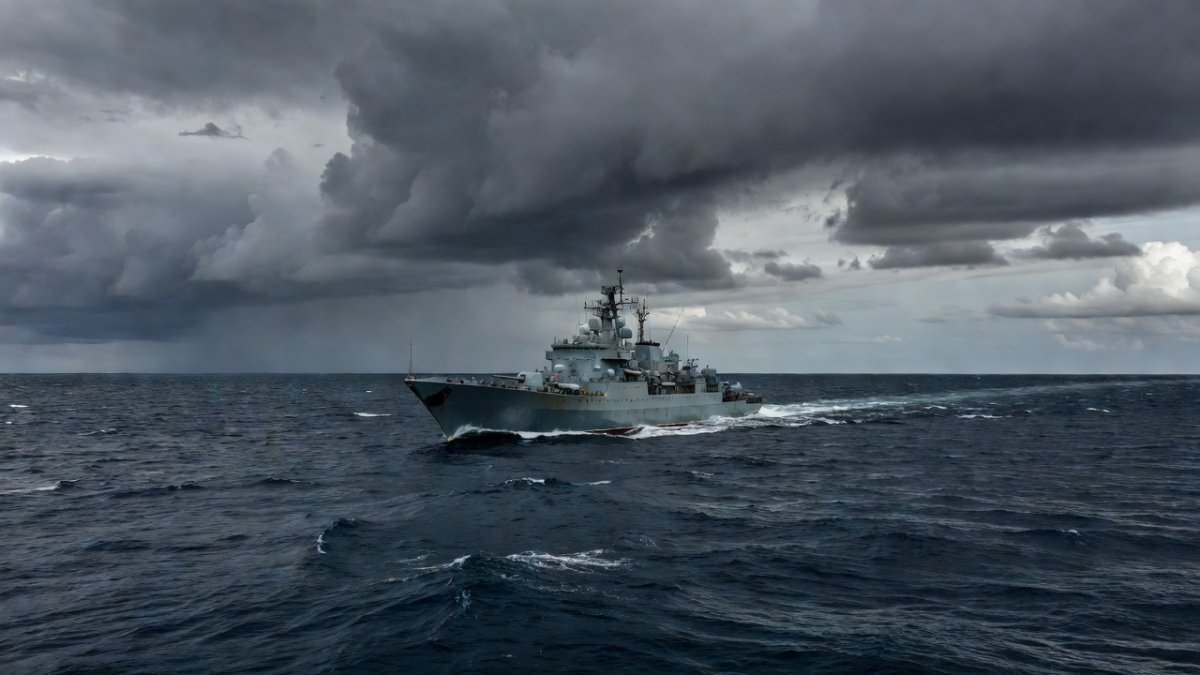
The Collapse of the Ceasefire Framework
The maritime ceasefire was announced by the Trump administration following three days of US-brokered peace talks in Riyadh, Saudi Arabia. The White House released separate statements confirming that both Ukraine and Russia had committed to halting strikes in the Black Sea and ensuring safe navigation. Within hours, however, the Kremlin issued its own statement attaching conditions that Kyiv insisted had never been part of the agreement.
Ukrainian President Volodymyr Zelensky rejected the Russian conditions outright, stating that Ukraine understood the deal was unconditional and would take effect immediately. He accused the Kremlin of attempting to "manipulate" the ceasefire agreements. Overnight, Russia launched a drone attack on the Black Sea port of Mykolaiv — a strike Zelensky called "a clear signal" that Moscow was not genuinely interested in peace.
US President Donald Trump, when asked about the Russian conditions, told Newsmax that "I think that Russia wants to see an end to it, but it could be they're dragging their feet. I've done it over the years." The remark suggested growing frustration within the administration at Moscow's refusal to accept the terms without substantial concessions on sanctions.
The contradictory interpretations of the deal highlighted a pattern that has bedevilled US-brokered negotiations throughout the conflict. Ukrainian officials noted that Moscow had a history of agreeing to frameworks in principle and then retroactively inserting conditions, a tactic some analysts described as a "poison pill" designed to ensure the deal never takes effect while allowing Russia to claim it supported diplomacy.
Kremlin's Preconditions: The Sanctions Relief Ultimatum
At the center of the standoff is Russia's demand for sanctions relief — specifically the reconnection of Rosselkhozbank and other Russian financial institutions involved in international agricultural trade to the SWIFT system. After Russia's full-scale invasion of Ukraine in February 2022, the European Union and its allies suspended access to SWIFT for a number of Russian banks as part of the most extensive sanctions regime ever imposed on a major economy.
The aim of the SWIFT ban was to disrupt Russian companies' ability to conduct smooth, instant international financial transactions, thereby complicating payments for Russia's lucrative energy and agricultural exports. Russia's agricultural sector, while less directly sanctioned than its energy industry, has faced significant barriers to international trade because of the financial restrictions. Russian banks have been forced to use slower, more costly alternative payment channels.
Moscow has long argued that these restrictions amount to de facto sanctions on global food security, since Russia is one of the world's largest exporters of wheat, fertiliser, and other agricultural commodities. The Kremlin's position is that any maritime ceasefire — which would primarily facilitate commercial shipping rather than military operations — must include measures that allow Russia to resume normal agricultural exports through the Black Sea on equal terms with Ukraine.
The European Commission, however, has taken a firm stance. A Commission spokesperson reiterated that the withdrawal of all Russian forces from Ukrainian territory would be one of the main conditions for lifting or amending any sanctions. Reversing the SWIFT restrictions on Russian banks would require unanimous approval from all 27 EU member states — a step that appears uncertain given the bloc's consistent statements of support for Kyiv throughout the conflict.
European Concerns Over Sanctions Architecture and Transatlantic Friction
European diplomats have privately expressed concern that the US-brokered maritime ceasefire could be used as a backdoor for sanctions relief, undermining the transatlantic sanctions architecture that Europe has spent years building. Senior EU officials have made clear that any decision to lift sanctions on Russian banks would be a European matter, not one to be decided in Saudi Arabia or Washington. The tension between Washington's push for a quick diplomatic win and Brussels' insistence on maintaining pressure on Moscow has become one of the defining dynamics of the current phase of the conflict. The Russian demands also put the Trump administration in a difficult position. On one hand, Washington wants to demonstrate progress on its pledge to end the war. On the other, agreeing to sanctions relief before a comprehensive ceasefire would alienate European allies and be seen as rewarding Russian aggression. Kremlin spokesperson Dmitry Peskov has framed the sanctions conditions not as new demands but as necessary clarifications of what Russia understood the deal to entail. "We have always said that the restrictions on our financial institutions make normal economic activity in the Black Sea impossible," Peskov stated. European Commission statements continue to tie any sanctions adjustments to the full withdrawal of Russian forces from Ukrainian territory, a position backed by all 27 member states whose unanimous consent would be required for changes. This structural requirement creates a significant barrier to the partial relief Moscow seeks on Rosselkhozbank and SWIFT access. Analysts note that the Kremlin's approach reflects longstanding post-Soviet dynamics where economic leverage is treated as inseparable from military positioning, with President Vladimir Putin consistently framing sanctions as external interference rather than consequences of the 2022 invasion. The European perspective emphasizes that any premature easing would weaken the coordinated response built since February 2022 and risk fracturing NATO unity at a critical juncture.
Ukraine's Firm Rejection and Continued Naval Operations
Ukraine's position on the matter has been unambiguous. President Zelensky has called on Western allies not only to reject Russia's conditions but to impose additional sanctions on Moscow for what he described as bad-faith negotiating. In a statement following the drone strike on Mykolaiv, he argued that Russia's actions demonstrated that the Kremlin was using the ceasefire talks as cover for continued military operations. Meanwhile, Ukraine has continued to operate its own unilateral maritime export corridor, established after the collapse of the Black Sea Grain Initiative in July 2023, when Russia withdrew from the UN-brokered agreement that had allowed safe passage for commercial vessels. Since establishing its own shipping corridor hugging the western coast of the Black Sea, Ukraine has successfully exported grain at near pre-war levels. Kyiv's naval operations — including the sinking of the Russian flagship Moskva in April 2022 and the systematic destruction of 28 Russian naval vessels — have pushed what remains of Russia's Black Sea Fleet eastward to ports in Novorossiysk and Abkhazia. Ukraine has also targeted Russia's shadow fleet of tankers evading Western oil sanctions, striking three such vessels in the Black Sea in May 2026 alone. Russian strikes hit Ukrainian Maritime Search and Rescue boats in early June 2026, further illustrating the ongoing hostilities despite the announced ceasefire framework. President Zelensky has urged allies to strengthen rather than dilute sanctions, arguing that Moscow's preconditions reveal an unwillingness to accept an unconditional halt to strikes. This stance aligns with Kyiv's broader strategy of leveraging its asymmetric naval successes to maintain pressure without conceding economic advantages to Russia.
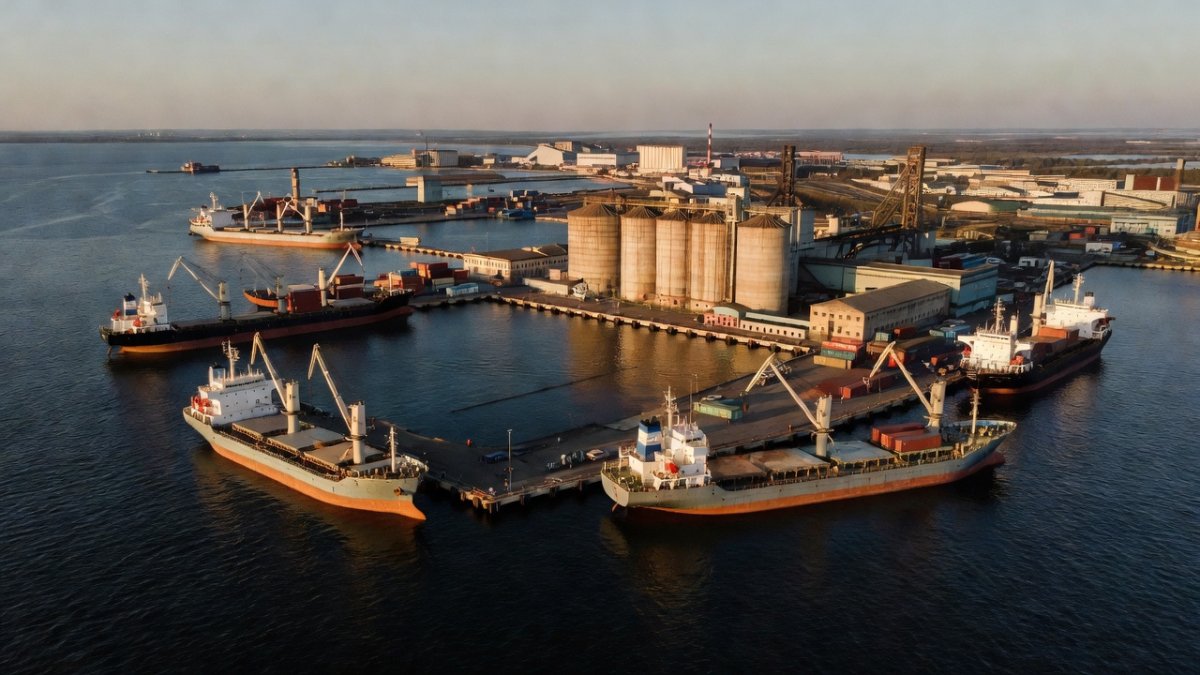
Strategic Shifts in the Black Sea and Expert Assessment
The Russian drone strike on Mykolaiv, coming just hours after the US ceasefire announcement, was particularly significant. The port city on the Southern Bug River near the Black Sea coast is a critical hub for Ukrainian grain exports and a frequent target of Russian attacks. Ukrainian officials said the overnight strike caused damage to port infrastructure, though the extent of casualties was not immediately confirmed. The timing — within hours of the US announcement — was widely interpreted as a signal from Moscow that it did not feel bound by the agreement. Dr Jenny Mathers, a senior professor of international politics at Aberystwyth University and an expert on Russian politics, said the maritime ceasefire as framed would actually provide Russia with a "big advantage" because Moscow was currently struggling to export its own agricultural produce through the Black Sea. "Ukraine has managed to get out a lot of its agricultural produce through the Black Sea, and it's managed to successfully target Russian shipping, so Russia doesn't use the Black Sea at the moment," Mathers said in an interview. This analysis suggests that Ukraine's military success in the naval domain had given it a strong negotiating position, one that a premature ceasefire could undermine. The Black Sea has shifted from a strategically contested waterway to a domain where Ukraine holds an asymmetric advantage through drone warfare and precision strikes. In the first stages of the full-scale war, Russia's Black Sea Fleet was able to impose a de facto blockade on Ukrainian ports, threatening global food supplies and driving up grain prices worldwide. The July 2022 Black Sea Grain Initiative, brokered by the United Nations and Turkey, provided a temporary solution, allowing safe passage for commercial vessels in exchange for UN assistance facilitating Russian food and fertiliser exports. But Russia withdrew from that agreement in July 2023, arguing that Western sanctions continued to hinder its agricultural exports despite the carve-outs. Since then, Ukraine has developed an independent export corridor that does not rely on Russian consent. The corridor, which hugs the western Black Sea coast under the protection of Ukrainian missile systems and naval drones, has seen over 7,800 vessel transits carrying more than 200 million tons of cargo. This unilateral success has fundamentally altered the strategic calculus, making Ukraine less dependent on negotiated maritime access and, consequently, giving Russia less leverage in ceasefire negotiations. The UN has continued to call for freedom of navigation, with a spokesperson describing it as a "crucial contribution to global food security and supply chains."
Analysis and Implications
The maritime ceasefire deadlock illustrates the fundamental challenge facing any diplomatic settlement in the Russia-Ukraine war: the two sides have incompatible definitions of what a ceasefire means. For Ukraine, a ceasefire is a step toward ending the war — it should be unconditional, immediate, and focused on stopping military operations. For Russia, a ceasefire is a transactional arrangement that must include concrete concessions on the sanctions regime, which Moscow views as the primary obstacle to its economic normalisation.
The European Union's position, as articulated by the European Commission, creates a significant structural obstacle to the sort of sanctions relief Russia is demanding. EU member states would need to agree unanimously on a partial lifting of sanctions on Russian banks, a step that appears politically improbable given continued European military and financial support for Ukraine. However, the Trump administration's approach to the conflict — which has at times appeared more focused on reaching a deal than on Ukraine's territorial integrity — could create transatlantic friction if Washington pressures Brussels for concessions.
The broader implications for European security are substantial. If Russia succeeds in securing sanctions relief before a comprehensive ceasefire, it will set a precedent that economic pressure can be relieved through military aggression and subsequent negotiation. European allies, including France, Germany, and the United Kingdom, have warned that such an outcome would fundamentally undermine the credibility of Western deterrence. Conversely, if the maritime ceasefire collapses entirely because of the sanctions standoff, it would mark another setback for the Trump administration's repeated attempts to negotiate a settlement in the conflict.
For ordinary Russians, the sanctions relief debate is closely tied to the economic pressures that have reshaped daily life since 2022. Western restrictions on Russian banks and energy exports have contributed to inflation, reduced real wages, and limited access to imported goods. The Kremlin has sought to frame the sanctions as an unjust Western attempt to weaken Russia, but the economic costs have been borne by households across the country. Agriculture — one of the few sectors where Russia remains a major global player — has been particularly affected by financial restrictions even when the underlying goods themselves are not directly sanctioned.
The coming weeks will determine whether the maritime ceasefire becomes the foundation for broader de-escalation or another footnote in the long, inconclusive diplomatic history of the Russia-Ukraine war. What is clear is that the Black Sea — a waterway essential to global food security — remains a theatre where military innovation, economic warfare, and diplomatic manoeuvring intersect in ways that will shape the trajectory of Europe's largest conflict since 1945.
By Irina Volkov, Staff WriterThis article was produced with AI-assisted research and editorial support. Reporting is based on sources cited in the article.
What's Your Reaction?
 Like
0
Like
0
 Dislike
0
Dislike
0
 Love
0
Love
0
 Funny
0
Funny
0
 Wow
0
Wow
0
 Sad
0
Sad
0
 Angry
0
Angry
0
Russia/Eastern Europe Correspondent at Global1.News. Covering Russian politics, energy, security, and the shifting dynamics of the post-Soviet space. Provides clear-eyed analysis on one of the world's most opaque regions.












Comments (0)