
Russia's Energy War Backfires: Drone Strikes on Ukraine Gas Infrastructure Expose Desperation as Putin Admits Fuel Crisis
I'm Jessica Ali, and folks, this energy war just took a brutal turn that exposes exactly how desperate Moscow has become. Russian drones slammed into gas and power infrastructure across six Ukrainian regions overnight, knocking out service for more than 100,000 people and leaving hospitals on generators while schools shut down. Here's the thing: this isn't some random escalatio
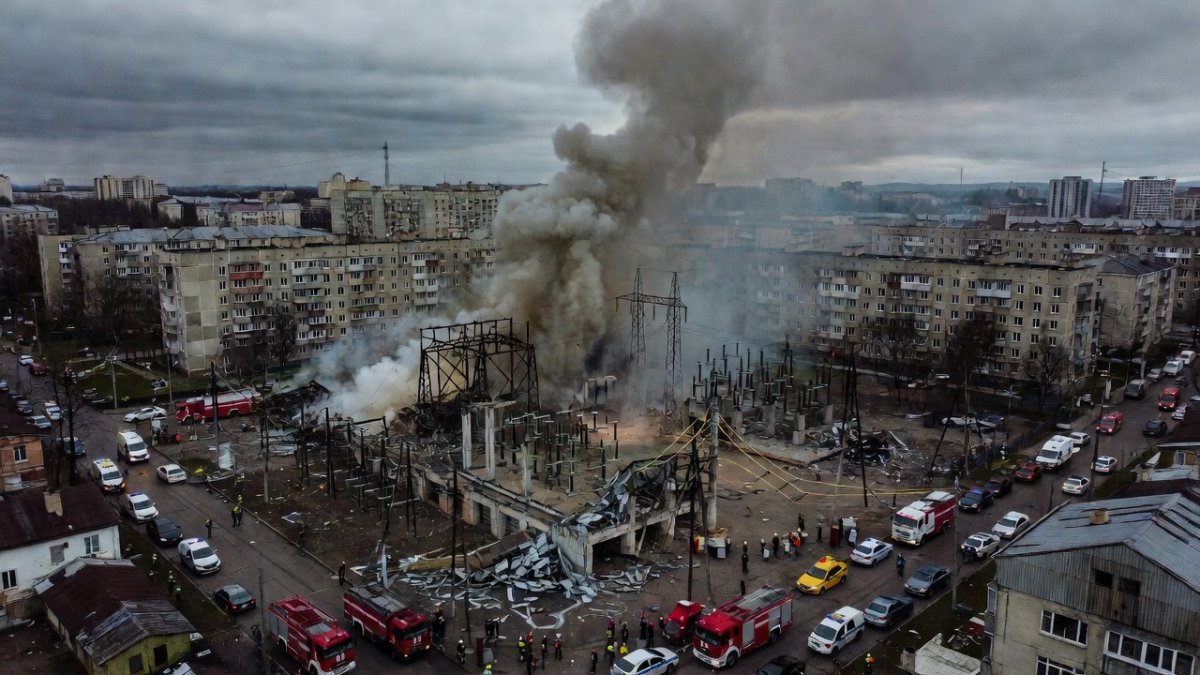
I'm Jessica Ali, and folks, this energy war just took a brutal turn that exposes exactly how desperate Moscow has become. Russian drones slammed into gas and power infrastructure across six Ukrainian regions overnight, knocking out service for more than 100,000 people and leaving hospitals on generators while schools shut down. Here's the thing: this isn't some random escalation. It's a calculated response to Ukraine's long-range strikes that have already plunged Russia into its own summer fuel crisis.
The Strikes Landed Hard Across Six Regions
The attacks landed in Poltava, Kharkiv, Sumy, Chernihiv, Donetsk, and Zaporizhzhia. Ukrainian Energy Ministry officials confirmed major damage to gas transport lines in Poltava and the total destruction of a key substation in Sumy. Those two sectors, Sumy and the Dnipro-Donetsk area, produce the bulk of Ukraine's domestic fuel. Russia knows that. That's why the drones kept coming for a second straight day, according to the latest reporting from the Institute for the Study of War.
Over 100,000 People Woke Up in the Dark
I'm Jessica Ali, and I want you to feel the weight of this. Over 100,000 civilians woke up without power. Elderly residents in rural areas now sit in the dark, dependent on neighbors or backup batteries that won't last. Hospitals switched to generators, which means every hour of care costs more and risks failure if fuel runs low. Schools closed because there's no way to keep lights, heat, or basic operations running. This is the human price of targeting energy systems, and it lands hardest on the most vulnerable.
Putin Said the Quiet Part Out Loud on CNBC
Russia claims these strikes protect its own interests. That's spin. The pattern shows Moscow trying to choke Ukraine's ability to produce and move its own gas at the exact moment Ukrainian drones have forced Russia to confront its own shortages. The campaign against Russian refineries started back in August 2025. Ukraine designed those long-range strikes to hit economic pressure points and push for negotiations, as multiple outlets including Reuters and The Guardian have documented. Now Russia is firing back at the same type of targets inside Ukraine.
CNN Confirms the Crisis Is Everywhere in Russia
Here's the thing that changes the whole story. Putin went on CNBC on June 29 and admitted Russia faces fuel shortages caused by Ukrainian drone strikes. That was the first time he said it publicly. He didn't sugarcoat it. He acknowledged the problem. Since then the situation inside Russia has only worsened. CNN reported on July 6 that nearly all 83 Russian regions are dealing with gasoline shortages, and many stations have started rationing. AP News laid it out plainly on July 1: Ukrainian drone attacks on oil refineries have plunged Russia into a summer fuel crisis.
Systematic Targeting of Ukraine's Production Heartland
I'm Jessica Ali, and let's call this what it is. The backfire is real. Russia thought it could punish Ukraine's energy grid and force Kyiv to the table. Instead, the strikes have highlighted how vulnerable Russia's own fuel supply has become after months of Ukrainian hits on refineries. Le Monde noted on July 6 that Ukraine's gas stations are now increasingly targeted by Russian drones in direct response. It's tit-for-tat, but the asymmetry favors the side that started the refinery campaign.
The Numbers Stack Up Against Moscow
Folks, look at the geography. The six regions hit cover critical production zones. Poltava handles major gas transport. Sumy lost a substation that fed local distribution. Chernihiv and Kharkiv sit near the northern front where logistics already strain. Donetsk and Zaporizhzhia absorb constant pressure from ongoing fighting. When those nodes go down, the ripple reaches every household that depends on steady gas for heating and cooking. The elderly suffer first because they can't easily relocate or stockpile. Hospitals can't postpone surgeries or dialysis. This is not abstract strategy. This is people freezing or going without medicine in real time.
Economic Warfare Cuts Both Ways
Russia's targeting of the Sumy and Dnipro-Donetsk sectors makes the intent clear. Those areas produce the majority of Ukraine's fuel. By hitting them repeatedly, Moscow hopes to create the same kind of shortages it is now experiencing at home. Yet the admission from Putin shows the strategy has limits. Once you publicly concede that enemy drones have disrupted your fuel supply across dozens of regions, the narrative of total control collapses.
I'm Jessica Ali, and the numbers tell the story without exaggeration. More than 100,000 without power after one night of strikes. Key infrastructure destroyed in multiple oblasts. A second consecutive day of attacks on gas production sites. On the Russian side, rationing spreading through nearly every region. Stations limiting purchases. Drivers waiting in lines that stretch for hours. The summer driving season turns into a scramble for basic fuel. That's the direct result of Ukraine's refinery campaign that began in August 2025.
Desperation Is Driving the Decisions
The spin from Moscow tries to frame these Ukrainian strikes as terrorism or escalation. The reality is economic warfare that both sides have now embraced. Ukraine aims to raise the cost of Russia's invasion until negotiations become attractive. Russia responds by trying to degrade Ukraine's domestic energy production. Each side believes pressure will break the other's will. So far, the evidence shows the pressure is landing on Russian fuel supplies in ways Putin himself had to acknowledge.
Human impact cuts both ways. In Ukraine, families sit without lights while generators hum outside hospitals. In Russia, drivers ration gasoline and stations post limits. Neither population asked for this exchange of energy blows. Both feel the squeeze when critical infrastructure gets hit. The elderly in Ukrainian villages without power face the same basic risks as Russian drivers stuck on empty tanks far from home.
I'm Jessica Ali, and here's where the desperation shows clearest. Russia possesses vast oil and gas reserves, yet it cannot protect its refining capacity from long-range drones. Ukraine, under constant attack, still manages to reach deep into Russian territory and disrupt fuel flows. That reversal forces Putin to admit shortages on international television. It forces Russian regions to implement rationing. It turns a supposed strength into a visible weakness.
The strikes on Poltava gas transport and the Sumy substation fit the pattern of hitting production and distribution together. When both suffer damage, output drops fast. Ukraine's Energy Ministry has been transparent about the scale. Significant damage in Poltava. Complete loss of a key substation in Sumy. Those losses compound when they hit sectors responsible for the majority of national fuel. The result is rolling blackouts and reduced gas availability that affect millions indirectly even if the direct count starts at 100,000 without power.
Russia's response of striking Ukrainian gas stations, as reported by Le Monde, shows the same logic applied in reverse. Target the places people rely on for fuel. Create inconvenience and fear. Hope it translates into political pressure. Yet the underlying fuel crisis inside Russia continues because the refinery strikes keep landing. CNN's reporting on shortages across nearly all 83 regions leaves little room for denial.
The Backfire Is Complete
Folks, this is what an energy war looks like when it backfires. One side hits production sites. The other side hits back at distribution. Both populations pay in lost power, closed schools, and rationed fuel. Putin’s June 29 admission marked the moment the mask slipped. The summer fuel crisis is no longer a rumor. It is policy failure made visible at gas stations nationwide.
The path forward depends on whether either side decides the cost has grown too high. Ukraine's strikes were built to undercut Russia's economy and force negotiations. Russia's counter-strikes aim to do the same to Ukraine. So far the exchange has produced mutual pain without clear victory. Hospitals on generators and stations on rationing are the daily reminders that energy infrastructure remains the softest target in this conflict.
I'm Jessica Ali, and the facts keep stacking up. Six regions hit. Over 100,000 without power. Key gas transport damaged in Poltava. Substation destroyed in Sumy. Second day of strikes on production sites. Putin admitting shortages. Nearly every Russian region facing gasoline limits. This is not spin. This is the record.
Stay vigilant, folks. The energy war is far from over, and the next round of strikes could hit even closer to home. Here's your action step: track official updates from Ukraine's Energy Ministry and independent reporting on Russian fuel availability so you can separate real developments from propaganda on both sides.
This is Jessica Ali, signing off. Track official updates from the Ukrainian Energy Ministry and independent reporting on Russian fuel availability — the truth is in the numbers, not the propaganda.
By Jessica Ali, Global 1 News
This article was produced with AI-assisted research and editorial support. Reporting is based on sources cited in the article.
What's Your Reaction?
 Like
0
Like
0
 Dislike
0
Dislike
0
 Love
0
Love
0
 Funny
0
Funny
0
 Wow
0
Wow
0
 Sad
0
Sad
0
 Angry
0
Angry
0

Editor-in-Chief at Global1.News. Atlanta-based journalist who cuts through the BS and tells it like it is. Lead anchor, host, and the voice you hear when the spin stops and the truth starts.












Comments (0)