
US Retail Sales Drop 1% in March Amid Banking Fears
Retail Spending Slumps in March as Banking Fears and Refund Shortfalls Hit Consumers Hard The Sharp March Decline in Retail Sales Signals Consumer Caution Retail sales at US retailers dropped by a full 1 percent in March compared to the previous month, marking a steeper contraction than the 0.4 percent decline economists had anticipated. This figure also exceeded the revised 0.
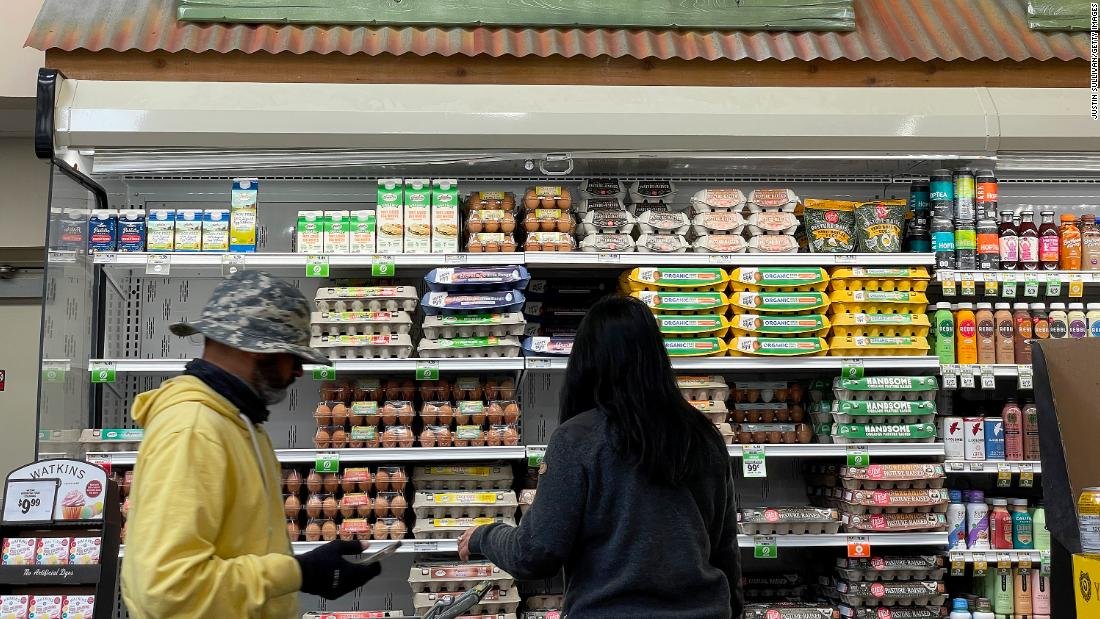
The Sharp March Decline in Retail Sales Signals Consumer Caution
Retail sales at US retailers dropped by a full 1 percent in March compared to the previous month, marking a steeper contraction than the 0.4 percent decline economists had anticipated. This figure also exceeded the revised 0.2 percent drop recorded in February, underscoring how quickly momentum faded after the banking sector turmoil earlier in the year. The pullback reflects households tightening their belts amid heightened recession worries, even as the labor market continued to add positions at a solid clip.
Behind the headline number lies a story of selective restraint rather than outright collapse. Consumers appear to be prioritizing essentials while deferring discretionary purchases, a shift that could foreshadow broader economic softening if it persists into the spring and summer months. The data arrives at a critical juncture when Federal Reserve officials have already signaled they expect lagged effects from rate hikes to eventually tip the economy into contraction later this year.
Year-over-year comparisons still show a 2.9 percent increase, indicating that the monthly weakness has not yet erased all gains from the prior twelve months. Yet the sequential slowdown carries more weight for near-term forecasting because it captures the immediate reaction to recent events. Policymakers and businesses alike will watch whether this March reading marks the start of a sustained downtrend or merely a temporary reaction to one-time factors.
Analysts note that the decline occurred even though employers added 236,000 jobs during the month, a pace that would normally support stronger household spending. The disconnect highlights how sentiment can override raw employment gains when uncertainty spikes. If recession fears continue to weigh on behavior, the positive job numbers may prove insufficient to sustain consumption at previous levels.
Tax Refund Shortfall Removes a Key Support for Household Spending
The Internal Revenue Service distributed $84 billion in tax refunds during March, a sum roughly $25 billion smaller than the amount issued in the same month of 2022. This reduction directly curtailed the cash infusion that many households rely upon to boost spring purchases. Aditya Bhave, senior US economist at Bank of America Global Research, emphasized that March typically serves as a pivotal period for refund-driven spending, making the shortfall particularly noticeable this year.
Households that received smaller checks likely adjusted their outlays accordingly, contributing to the broad-based retail weakness. The timing coincided with the expiration of enhanced SNAP benefits in February, removing another layer of support just as refund momentum slowed. Together these developments created a double squeeze on lower- and middle-income budgets that had previously helped prop up consumption.
The smaller refund total also reflects changes in withholding patterns and filing behavior that may persist beyond this single month. If future refund seasons deliver similarly muted payouts, retailers could face ongoing headwinds even if wage growth remains positive. Bhave’s observation underscores how sensitive monthly spending data can be to these seasonal cash flows.
Businesses that had built inventory and staffing plans around last year’s refund surge now confront the reality of reduced demand. Inventory gluts at general merchandise stores could lead to deeper discounting or production cuts in coming quarters. The $25 billion gap therefore carries implications that extend well beyond the March reading itself.
Category-Level Weakness Reveals Where Consumers Are Cutting Back
Spending at general merchandise stores plunged 3 percent in March, while sales at gas stations fell 5.5 percent over the same period. These two categories alone accounted for a sizable portion of the overall decline, illustrating how households responded to both higher prices at the pump and broader caution about non-essential items. When gas is excluded, the retail spending retreat measured 0.6 percent, confirming that weakness extended beyond energy costs.
The gas station drop likely combined lower prices with reduced mileage as some drivers consolidated trips amid economic uncertainty. General merchandise weakness, however, points more directly to discretionary pullbacks in clothing, home goods, and electronics. Retailers in these segments may need to accelerate promotions or reassess expansion plans if the trend continues.
Credit and debit card spending per household also slowed to its most sluggish pace in more than two years, reinforcing the picture of restrained consumer behavior. This metric captures real-time transaction data and suggests the March retail sales figure was not an outlier driven by one-time reporting quirks. Instead, it reflects a genuine shift in household decision-making.
These category-specific declines carry different implications for inflation readings. Lower gas station sales could help ease headline inflation measures, while reduced merchandise spending might pressure retailers to offer discounts that feed into core price indexes. The combination creates a mixed signal for the Federal Reserve as it weighs further policy moves.
Wage Growth Moderates Even as Job Gains Remain Resilient
Average hourly earnings rose 4.2 percent in March from a year earlier, down from the 4.6 percent pace recorded previously and marking the smallest annual increase since June 2021. This moderation in wage growth arrives alongside the 236,000 jobs added during the month, suggesting employers are still hiring but at a slightly less frantic pace than earlier in the recovery. The Bureau of Labor Statistics data therefore paints a labor market that is cooling gradually rather than abruptly.
Slower wage gains could eventually ease pressure on businesses facing higher labor costs, yet they also limit the income boost available to support consumer spending. If earnings growth continues to decelerate while inflation expectations rise, real purchasing power may stagnate or decline for many households. That dynamic would amplify the effects of the March retail sales drop.
Job openings tracked by JOLTS fell more than 17 percent from their peak of 12 million reached in March 2022, indicating that labor demand has cooled noticeably over the past year. The decline in openings provides a leading indicator that hiring may slow further in coming months, potentially feeding back into weaker consumption. Employers appear to be adopting a more cautious stance even before a full recession materializes.
The combination of still-positive job growth and moderating wage gains leaves the labor market in an ambiguous position. On one hand, the 236,000 monthly addition exceeds most pre-pandemic norms. On the other, the trajectory of openings and earnings suggests the post-pandemic boom in labor demand has clearly peaked. Policymakers will need to monitor whether this balance tips toward outright weakness.
Consumer Sentiment Deteriorates as Inflation Expectations Jump
University of Michigan survey data showed year-ahead inflation expectations climbing from 3.6 percent in March to 4.6 percent in April, a sharp reversal that captures growing household concern about future price pressures. Joanne Hsu, director of surveys at the University of Michigan, noted that consumers are bracing for a downturn even though they do not feel as pessimistic as they did last summer. The rise in expectations suggests that recent banking-sector stress has rekindled worries about both inflation and economic stability.
Higher inflation expectations can become self-reinforcing if households accelerate purchases to beat anticipated price increases or, conversely, cut spending in anticipation of harder times ahead. The March retail sales data leans toward the latter response, indicating that caution currently outweighs preemptive buying. This behavioral shift carries implications for how quickly any downturn might unfold.
Joanne Hsu’s assessment highlights a population that remains wary despite relatively healthy balance sheets for many households. The gap between current conditions and forward-looking anxiety could keep spending subdued even if employment holds up. Retailers and service providers will likely feel the effects through slower foot traffic and more price-sensitive customers.
The jump in expectations also complicates the Federal Reserve’s task of anchoring long-term inflation views. If households continue to anticipate higher inflation, wage demands may remain elevated and businesses may pass along costs more readily. The April reading therefore adds another layer of complexity to an already delicate policy environment.
Expert Analysis Highlights Both Vulnerabilities and Remaining Strengths
Aditya Bhave of Bank of America Global Research pointed to the importance of March refund flows, noting that many households had anticipated payouts closer to last year’s levels. The shortfall therefore represents a genuine negative surprise rather than a predictable seasonal dip. Bhave’s commentary underscores how sensitive the consumer sector remains to these discrete cash injections.
Michelle Meyer, North America chief economist at Mastercard Economics Institute, offered a more balanced perspective, emphasizing that income growth, household balance sheets, and labor market health still provide underlying support. Her assessment suggests the March weakness may prove temporary if those fundamentals hold. Yet she also acknowledged that the slowdown in card spending signals real caution among households.
The divergence between these two expert views captures the central tension in the current data. One side stresses the immediate drags from refunds and policy changes, while the other highlights structural resilience. Both perspectives will shape how investors and businesses interpret whether March marks a turning point or a brief pause.
Bank of America and Mastercard Economics Institute analyses together illustrate that no single narrative fully explains the March reading. The interplay between refund timing, labor market cooling, and shifting sentiment creates a multifaceted picture that resists simple conclusions. Decision-makers will need to weigh each factor carefully in the months ahead.
Federal Reserve Expectations of Recession Add Context to the Spending Drop
Fed economists have already incorporated the assumption of a later-year recession into their baseline forecasts, citing the lagged impact of higher interest rates. The March retail sales decline aligns with that outlook by showing early signs of consumer retrenchment. If the pattern persists, it could accelerate the timing or deepen the magnitude of any downturn the central bank anticipates.
Rate-sensitive sectors such as housing and autos have already felt the effects of tighter policy, and the broader retail weakness suggests spillovers are now reaching everyday consumption. The 1 percent monthly drop, while not catastrophic, adds evidence that the cumulative weight of rate hikes is beginning to bite. Policymakers will watch subsequent months closely to determine whether further tightening remains necessary.
The combination of moderating wage growth and rising inflation expectations creates an especially challenging environment for the Fed. Higher expected inflation could justify keeping rates elevated, yet weaker spending could argue for earlier cuts if recession risks intensify. The March data therefore feeds directly into ongoing debates about the appropriate policy path.
Market participants are now pricing in a higher probability of economic contraction, consistent with the Fed’s own projections. The retail sales figure serves as a concrete data point supporting those concerns rather than an abstract forecast. How businesses and households respond to this environment will determine whether the anticipated slowdown arrives on schedule or arrives sooner.
Year-Over-Year Gains Mask Deeper Structural Shifts in Consumer Behavior
Despite the monthly decline, retail spending still posted a 2.9 percent increase over the prior year, demonstrating that the consumer sector retains some forward momentum. This resilience stems in part from the strong labor market that has delivered 236,000 new jobs in March alone. Yet the gap between annual and monthly readings reveals how quickly conditions can shift when sentiment sours.
Businesses that expanded aggressively on the back of last year’s stronger refund season now face the need to recalibrate expectations. Inventory management, hiring plans, and capital expenditures may all require downward revisions if the March pattern repeats. The $25 billion refund shortfall serves as a reminder that one-time supports can disappear without warning.
Longer-term implications include potential consolidation among retailers that overbuilt capacity during the pandemic recovery. General merchandise stores, already down 3 percent in March, may see further pressure if households continue prioritizing experiences or services over goods. The data therefore points to a reallocation of spending rather than a uniform contraction.
Ultimately, the March report illustrates how interconnected tax policy, labor market dynamics, and psychological factors have become in shaping economic outcomes. The interplay between these elements will determine whether the current pullback remains contained or broadens into something more significant. Observers will need to track both the hard data and the sentiment measures to anticipate the next turn.
By Jessica Ali, Staff WriterThis article was produced with AI-assisted research and editorial support. Reporting is based on sources cited in the article.
What's Your Reaction?
 Like
0
Like
0
 Dislike
0
Dislike
0
 Love
0
Love
0
 Funny
0
Funny
0
 Wow
0
Wow
0
 Sad
0
Sad
0
 Angry
0
Angry
0

Editor-in-Chief at Global1.News. Atlanta-based journalist who cuts through the BS and tells it like it is. Lead anchor, host, and the voice you hear when the spin stops and the truth starts.















Comments (0)