
Saudi Arabia Seeks Red Sea Coalition Against Houthi Blockade
Saudi Arabia Mobilizes International Support to Counter Houthi Red Sea Blockade Riyadh, Saudi Arabia — July 30, 2026 — The Blockade Announcement and Attacks on Saudi Tankers On July 20, 2026, Yemen's Houthis declared a maritime blockade targeting Saudi Arabia, accusing Riyadh of
Saudi Arabia Mobilizes International Support to Counter Houthi Red Sea Blockade
Saudi Arabia Mobilizes International Support to Counter Houthi Red Sea Blockade
Riyadh, Saudi Arabia — July 30, 2026 —
The Blockade Announcement and Attacks on Saudi Tankers
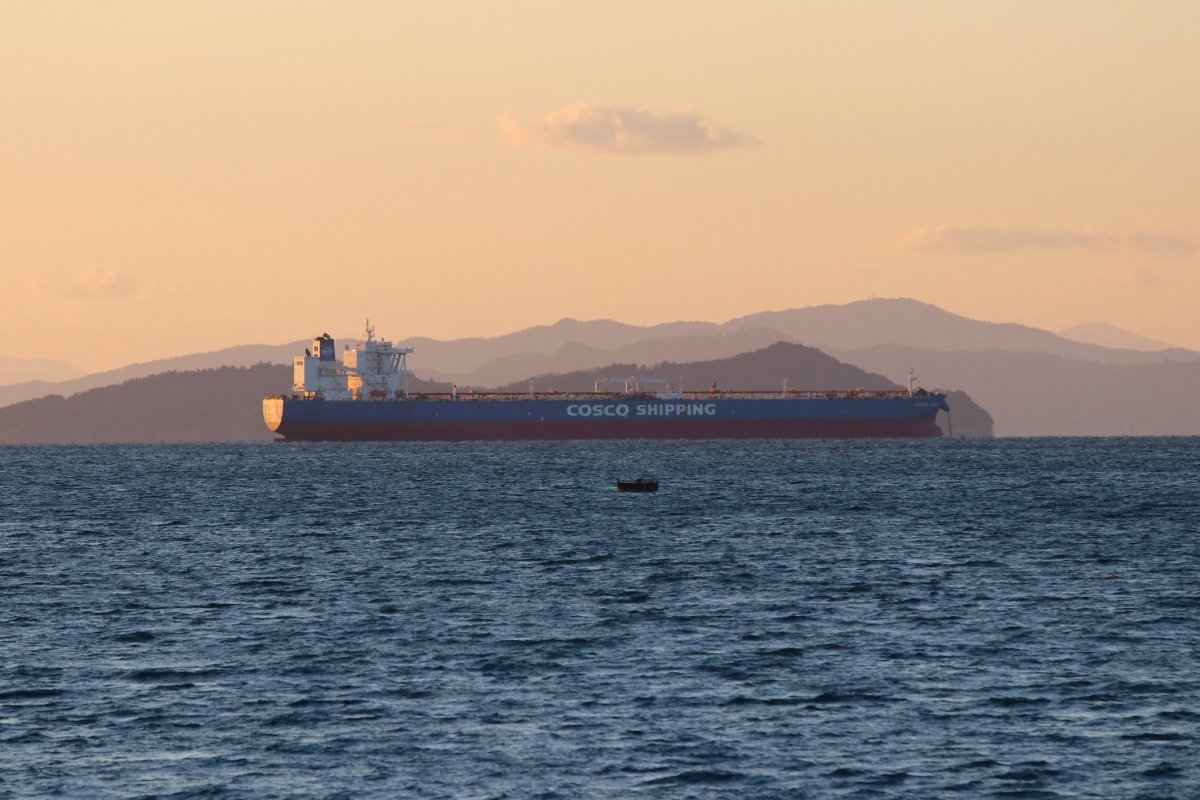
On July 20, 2026, Yemen's Houthis declared a maritime blockade targeting Saudi Arabia, accusing Riyadh of maintaining an unjust siege on Yemen. This move escalated into direct strikes on Saudi vessels transiting the Red Sea. On July 22, Houthi forces claimed hits on the oil tankers Encelia and Layla. Six days later, they announced a ballistic missile attack on the Saudi oil tanker NCC GHAZAL. The UKMTO verified an explosion near one vessel, though the crew remained safe and no environmental damage occurred. These incidents mark a sharp intensification of Houthi operations against Saudi maritime assets.
Historical precedents underscore the gravity of this escalation. During the 2015-2019 coalition operations led by Saudi Arabia and the UAE, Houthi forces repeatedly attempted to interdict shipping near the Bab al-Mandeb, including drone and missile strikes on commercial vessels that prompted temporary rerouting by several major carriers. These earlier efforts, often coordinated with Iranian Revolutionary Guard advisors, mirrored tactics seen in the Strait of Hormuz incidents of 2019, where Tehran-backed actors tested the limits of international naval responses without triggering full-scale war.
Second-order effects are already rippling outward. Lloyd’s of London has signaled potential increases in war-risk premiums for Red Sea transits by as much as 40 percent, echoing the insurance spikes that followed Houthi attacks in 2018. This could divert an estimated 15-20 percent of Suez Canal traffic toward the longer Cape route, imposing additional costs on East African economies such as Djibouti and Eritrea, whose ports rely heavily on transshipment fees and whose stability has been monitored closely by the International Crisis Group.
Analysts at Chatham House note that such disruptions place the current Houthi campaign in a different category from routine proxy friction, given the strait’s role in connecting the Indian Ocean to the Mediterranean. Comparisons to a hypothetical Strait of Hormuz closure highlight how even partial blockades can force OPEC+ members, including Saudi Arabia itself, to recalibrate output targets amid pressure from the IAEA on nuclear-related sanctions relief that indirectly affects Iranian proxy behavior.
Saudi Arabia's Coalition-Building Effort
Saudi Arabia has responded by seeking to assemble an international coalition dedicated to securing Red Sea shipping lanes. Discussions with dozens of countries are underway, though the final composition remains undecided. Saudi Foreign Minister Prince Faisal bin Farhan has fielded calls from counterparts in Qatar, Kuwait, and Bahrain, where the emphasis has centered on de-escalation alongside practical protection measures. Riyadh has already conducted air strikes on Houthi military facilities at Yemen's Hodeidah port. This diplomatic outreach reflects Saudi Arabia's preference for multilateral coordination rather than unilateral action in a volatile theater.
The effort draws on lessons from the 2015-2019 period when the Saudi-led coalition operated with limited international naval support from the United States and United Kingdom. Today, Riyadh is courting broader participation from GCC members and potentially CENTCOM assets to establish joint patrols, a shift that acknowledges the limitations of air strikes alone in protecting chokepoints.
Second-order consequences include the risk of heightened insurance volatility and reduced traffic through the Suez Canal, which could strain Djibouti’s economy as a key logistics hub for Chinese Belt and Road projects. Eritrea, already navigating fragile post-sanctions recovery, may face secondary effects from diverted shipping that reduces port revenues and exacerbates local unemployment.
Strategic comparisons to Hormuz closures reveal that a sustained Bab al-Mandeb threat could prompt China, which imports over 40 percent of its oil via the Red Sea, to quietly support de-escalation efforts even while avoiding direct alignment with any U.S.-led initiative. Think tanks such as the International Crisis Group have warned that without inclusive diplomacy, coalition-building risks deepening divisions within the GCC.
The Bab al-Mandeb Chokepoint and Energy Security Implications
The Bab al-Mandeb strait, narrowing to just 29 kilometers at its tightest point, serves as a critical artery for global energy flows. In 2024, approximately 4.1 billion barrels of crude oil and refined petroleum products passed through the waterway, representing about 5 percent of the worldwide total. Any sustained disruption here forces tankers into longer routes around the Cape of Good Hope, raising costs and delaying deliveries. Saudi Arabia's dependence on these lanes for both exports and imports amplifies the stakes, as prolonged insecurity could pressure OPEC+ production decisions and global price stability.
Past Houthi blockade attempts between 2016 and 2018 demonstrated the strait’s vulnerability, with multiple incidents involving anti-ship missiles that temporarily halted commercial traffic and forced the Saudi coalition to prioritize port security at Hodeidah. Those operations revealed how even brief interruptions cascade into higher freight costs that affect downstream economies across the Horn of Africa.
Insurance rate surges and Suez Canal volume declines represent immediate second-order effects, potentially cutting Djibouti’s annual transit income by hundreds of millions while pressuring Eritrea to seek alternative revenue streams. Such shifts also invite greater Chinese naval presence, as Beijing seeks to protect its energy imports without relying solely on Western-led coalitions.
Analytical parallels to a full Hormuz closure show that Bab al-Mandeb disruptions, though smaller in scale, could still compel OPEC+ to adjust quotas under pressure from the IAEA’s ongoing monitoring of Iranian compliance. Officials from the GCC have privately emphasized the need for coordinated responses that avoid repeating the fragmented command structures seen in earlier Yemen operations.
Gulf States' Delicate Balancing Act
Gulf states including Saudi Arabia, the UAE, Qatar, Kuwait, and Bahrain have worked to avoid entanglement in the broader US-Israel confrontation with Iran. The Houthi blockade introduces a new maritime front that could pull these nations deeper into proxy conflict. Prince Faisal bin Farhan's consultations with regional partners underscore a shared interest in containing the crisis without triggering wider escalation. At the same time, these governments recognize that unchecked Houthi success might embolden further Iranian-backed operations across multiple theaters, complicating their economic diversification agendas.
The balancing act recalls the 2015-2019 coalition dynamics, when GCC states coordinated air and naval actions but struggled to maintain unified messaging amid differing threat perceptions. Today’s outreach includes quiet engagement with CENTCOM to share intelligence without formal basing commitments that could provoke Tehran.
Disruptions at the Bab al-Mandeb would elevate global shipping insurance rates and reduce Suez Canal traffic, indirectly harming Djibouti and Eritrea through lost port fees and supply-chain delays. These effects could also accelerate Chinese diplomatic involvement, given Beijing’s status as a top user of Red Sea routes for both energy and manufactured goods.
Comparisons to Hormuz scenarios illustrate how even limited blockades test OPEC+ cohesion and invite scrutiny from organizations like the ICG on escalation risks. Chatham House analysts argue that Gulf capitals must weigh short-term security gains against long-term economic diversification goals that depend on stable maritime access.
The Houthi Strategy and Iranian Dimension
Houthi military spokesman Yahya Saree has framed the blockade as retaliation for Saudi policies in Yemen, where the group has fought the Saudi-backed government for over a decade after seizing Sanaa in 2014. Yemen Information Minister Moammar al-Eryani has accused the Houthis of seeking to impose transit fees on Red Sea shipping. The group's actions align with Iranian strategic interests by extending pressure beyond the Gulf and stretching Saudi resources. While direct Iranian operational involvement remains unconfirmed in the current incidents, the pattern fits Tehran's established use of proxy networks to challenge adversaries at sea and on land.
Earlier Houthi interdiction efforts from 2015 onward, often supported by Iranian-supplied technology, demonstrated a consistent strategy of asymmetric maritime pressure that complements land-based operations. These tactics have evolved to target high-value tankers, raising the prospect of sustained economic coercion.
Second-order effects include rising insurance costs that could shift traffic away from the Suez Canal, straining the economies of Djibouti and Eritrea while prompting China to explore alternative security arrangements for its Red Sea trade. Such developments risk drawing extra-regional navies into prolonged patrols.
Strategic analysis equates the current threat to partial Hormuz closures, where proxy actions force OPEC+ recalibrations and attract monitoring from the IAEA on related nuclear diplomacy. The GCC and CENTCOM have increased coordination to mitigate these risks without direct confrontation.
Regional Implications for Stability and Energy Markets
The Houthi campaign risks destabilizing the Horn of Africa and Arabian Peninsula simultaneously, potentially drawing in additional actors if shipping volumes continue to decline. For energy markets, even temporary closures at Bab al-Mandeb could add upward pressure on crude prices and complicate OPEC+ efforts to manage supply. Saudi Arabia's coalition initiative offers a pathway to restore deterrence, yet success depends on securing broad participation without alienating key Gulf partners wary of escalation. Second-order effects may include accelerated naval deployments by extra-regional powers and renewed focus on alternative pipeline routes, reshaping long-term energy security calculations across the Middle East and beyond.
Historical context from 2015-2019 coalition operations shows repeated Houthi attempts to exploit the strait’s geography, often leading to temporary insurance spikes and rerouting that affected regional ports. These precedents inform current planning by highlighting the limits of air power alone.
Broader impacts encompass higher shipping insurance rates, reduced Suez Canal revenues, and economic pressure on Djibouti and Eritrea, while China’s response as a major trade user may include quiet calls for de-escalation through multilateral channels. Comparisons to Hormuz closures underscore the potential for OPEC+ supply adjustments under sustained uncertainty.
Organizations such as the ICG and Chatham House emphasize that effective coalition responses require balancing deterrence with diplomatic off-ramps to prevent proxy escalation from spilling into wider conflict involving GCC states and CENTCOM assets.
By Malik Hassan, Staff WriterBy Malik Hassan, Staff Writer
This article was produced with AI-assisted research and editorial support. Reporting is based on sources cited in the article.
What's Your Reaction?
 Like
0
Like
0
 Dislike
0
Dislike
0
 Love
0
Love
0
 Funny
0
Funny
0
 Wow
0
Wow
0
 Sad
0
Sad
0
 Angry
0
Angry
0

Middle East Correspondent at Global1.News. Based in Beirut, covering politics, conflict, energy, and society across the Middle East. Brings context and depth to a region often reduced to headlines.














Comments (0)