
Gulf States Face 2026 Iran War Crossroads
Analysis of whether Saudi Arabia, UAE, and other GCC states will shift from mediators to active participants in the 2026 Iran war following direct strikes on their territory and the largest oil market shock in history.
Gulf States Face 2026 Iran War Crossroads
Beirut, Lebanon — In the span of mere months, Iran's direct assaults on Gulf energy hubs have shattered the long-standing illusion that mediation could contain Tehran's ambitions, forcing GCC capitals into a posture of open confrontation that echoes the darkest chapters of regional rivalry. From a Lebanese vantage, this pivot carries particular weight, as Beirut has long navigated the fallout of proxy escalations; now the frontline has shifted, with Qatar, Saudi Arabia, and the UAE absorbing strikes that bypass traditional intermediaries and expose the limits of American assurances. The FDD Foundation's observation of unified GCC condemnation underscores a rare alignment born of necessity, yet it also highlights how Gulf states find themselves bearing the costs of a conflict Washington helped ignite, as Al-Monitor sources candidly noted.
The Shift from Mediation to Confrontation
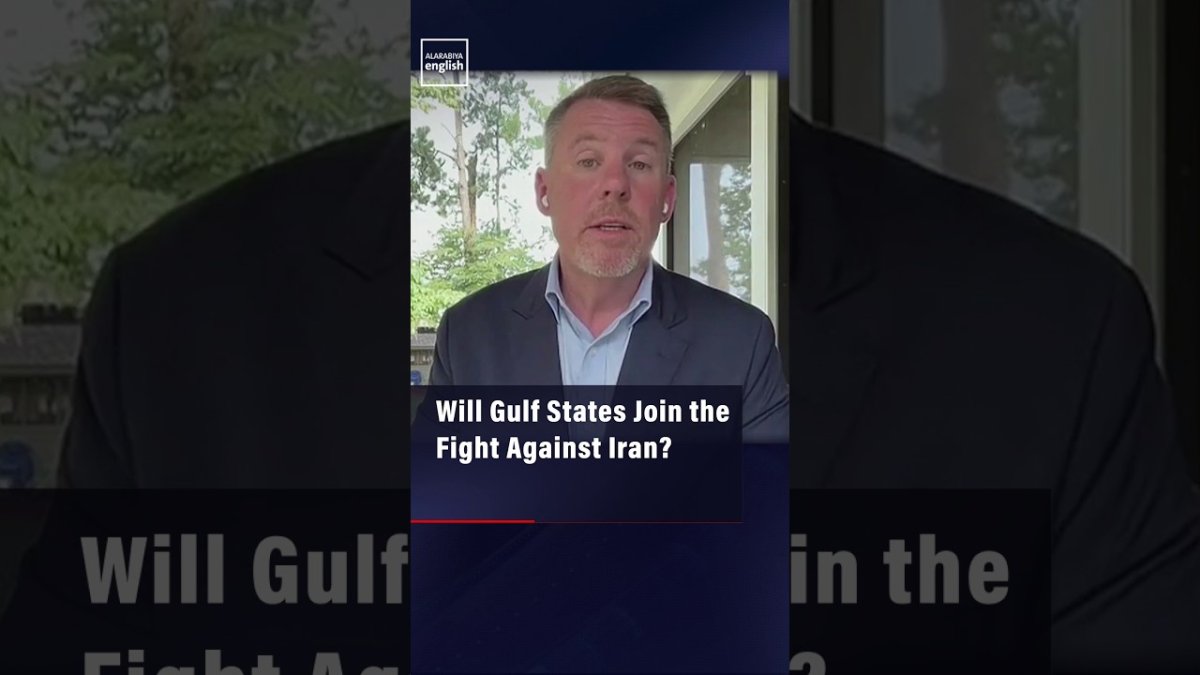
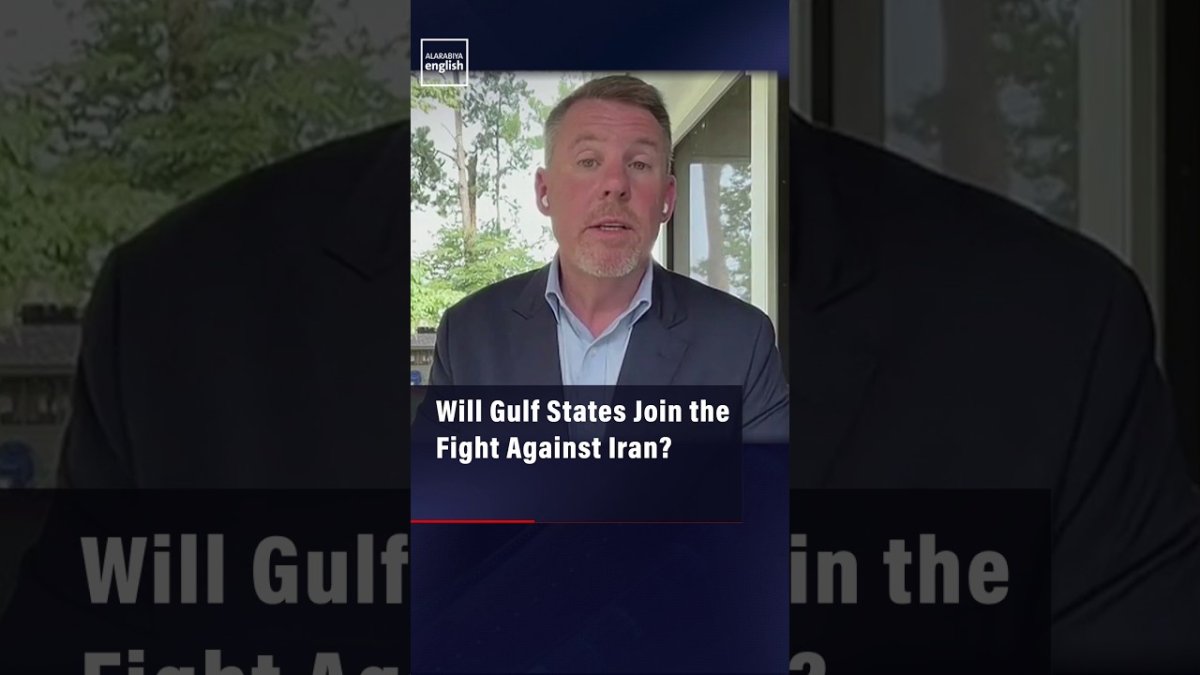
The 2026 Iran war began on February 28 with US-Israeli strikes that killed Supreme Leader Ali Khamenei and other senior officials. Iran responded with missile and drone attacks on Qatar, Saudi Arabia, the UAE, and Bahrain. These direct hits ended the GCC states' initial role as mediators. Former US Deputy Assistant Secretary of Defense Mick Mulroy stated in an Al Arabiya English YouTube short that attacks on Gulf territory could transform the states from mediators into active participants, potentially forming a giant military coalition against Iran. Saudi Arabia, the UAE, and Kuwait then conducted retaliatory strikes on Iranian and Iran-linked targets in Iraq.
This transformation from quiet diplomacy to active defense marks a historic rupture, since no prior major clash saw Iran target GCC infrastructure so brazenly, compelling Riyadh and Abu Dhabi to recalibrate alliances that once prized economic interdependence over military posturing. The strikes on Ras Tanura, Abqaiq, and UAE airports have accelerated a militarization of Gulf foreign policy that Lebanese analysts recognize all too well from Lebanon's own history of spillover violence. What emerges is a GCC no longer content to mediate but compelled to participate, reshaping the balance of power in ways that could redraw alliances across the Levant and beyond. The IISS observed that GCC states have moved beyond diplomatic signaling to firmer defensive postures. This change reflects a strategic recalculation driven by territorial violations rather than abstract regional rivalries.
 " alt="Gulf military forces and security assets" class="img-fluid">
The Iran-Gulf Military Balance
Gulf states possess advanced air forces and missile defenses, yet Iran's proxy network—including Hezbollah, Iraqi Popular Mobilization Forces, and Houthis—creates asymmetric threats that complicate direct confrontation. Saudi Arabia launched strikes in Iraq on July 29, 2026, targeting Iran-linked sites, demonstrating willingness to project power beyond its borders. GCC arsenals, anchored by American-supplied THAAD and Patriot systems alongside advanced fighter fleets exceeding 800 Saudi combat aircraft, present a formidable conventional edge that Iran counters through asymmetric tools like Shahab missiles, Shahed drones, and entrenched proxy networks. The US assumption of Strait of Hormuz control on July 13 has introduced a new layer of international oversight, yet Saudi strikes on Iran-linked targets in Iraq just days before July 30 demonstrate that Gulf states are no longer waiting for external validation to act.
From Beirut, this military calculus evokes familiar patterns of escalation, where superior hardware meets determined irregular warfare, risking a prolonged attrition that drains resources from all sides. The UAE has advocated a more aggressive posture, favoring US and Israeli efforts to degrade Iranian capabilities. In contrast, Saudi Arabia under Crown Prince Mohammed bin Salman weighs the benefits of weakening Iran against risks to domestic stability. Qatar continues to maintain open diplomatic channels with all parties. Iran's retaliatory doctrine, refined through years of sanctions and isolation, relies on volume and deniability rather than symmetric engagement, allowing Tehran to sustain pressure even as Gulf air forces dominate the skies. The July 29 Saudi operations signal a willingness to project power beyond borders, testing whether GCC technological superiority can neutralize Iran's missile and proxy threats before they compound into broader instability. Lebanese observers note that such dynamics often produce unintended consequences, as seen in past conflicts where initial strikes gave way to entrenched stalemates. Carnegie Endowment analysis highlights a Saudi-led axis prioritizing diplomacy alongside an Emirati axis seeking decisive action. These differing approaches shape the military balance and limit unified GCC action.
Energy Security Implications
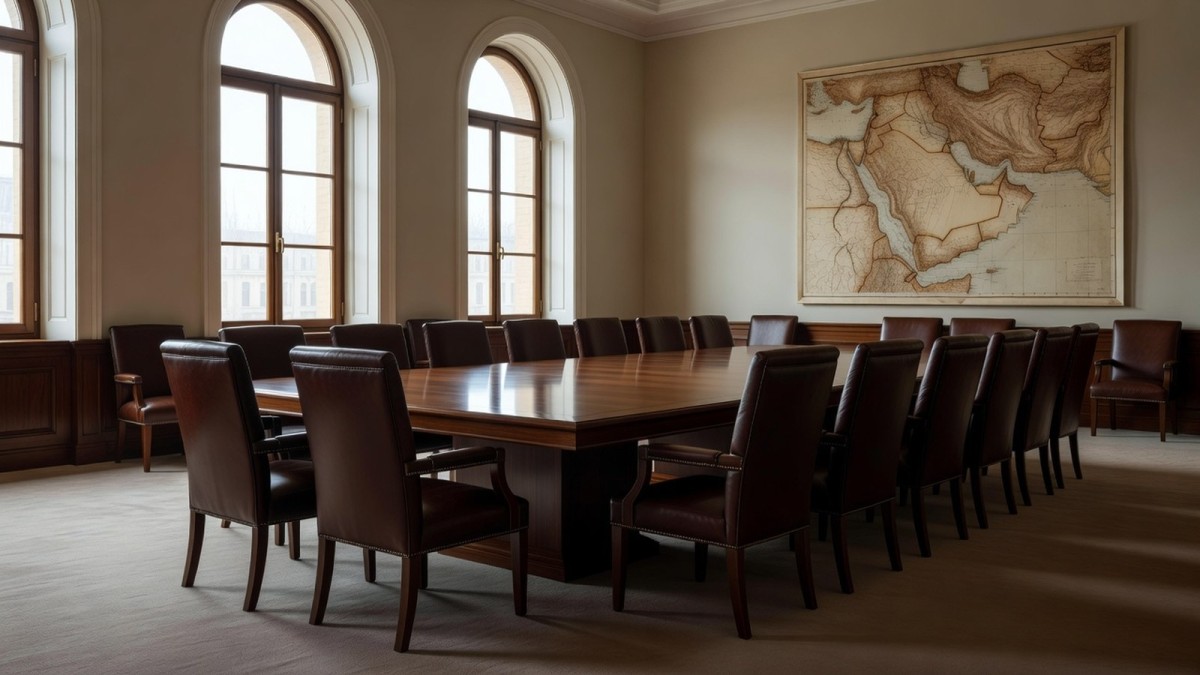
Iran's actions led to the closure of the Strait of Hormuz, disrupting over 20 percent of global oil trade. The World Bank described the resulting disruption as the largest oil market shock in history. Brent crude prices rose more than 4 percent in July 2026 alone. The World Bank's assessment of this as the largest oil market shock in history places the Gulf confrontation on par with the 1973 embargo and 1990 Gulf War, with Brent crude exceeding $120 per barrel and exposing Asian importers' vulnerability as they rely on Gulf supplies for over 80 percent of their needs. Russia has seized the moment to position itself as a reliable alternative, while OPEC+ quotas fracture under the weight of disrupted production across multiple members.
For Lebanon, already strained by energy shortages, these price spikes amplify domestic pressures and underscore how distant Gulf battles reverberate through the entire region. The United States assumed control of the Strait of Hormuz in July 2026 to stabilize flows. Gulf sovereign wealth funds, valued at over $3 trillion, provide financial leverage but cannot fully offset the threat to Vision 2030 projects in Saudi Arabia and similar diversification efforts in the UAE. Energy security now intertwines with geopolitical survival, as Gulf states confront the reality that their economic lifelines have become primary targets, forcing accelerated diversification efforts that Vision 2030 and similar plans can no longer defer. The disproportionate burden on Japan, South Korea, and India reveals the global ripple effects, yet it is the Gulf's own populations that face immediate inflation and supply disruptions. This shock tests the resilience of petrostates in ways that could accelerate or derail long-term reforms depending on how quickly hostilities subside. Chatham House notes that GCC countries must now construct a security architecture capable of protecting transforming economies from prolonged conflict. Sustained high oil prices offer short-term revenue but undermine long-term plans to reduce hydrocarbon dependence.
 " alt="Strait of Hormuz and energy infrastructure" class="img-fluid">
Internal GCC Dynamics
Divisions within the GCC remain pronounced. Saudi Arabia and Kuwait have conducted limited strikes, while the UAE pushes for deeper involvement. Qatar's mediation role persists despite Iranian attacks on its territory. Qatar's dual role as host to CENTCOM's Al Udeid base and quiet mediator with Tehran illustrates the internal fractures within the GCC, where Mohammed bin Zayed's push for decisive action clashes with Oman and Kuwait's preference for dialogue. Saudi Arabia's Crown Prince MBS must navigate these tensions while shielding Vision 2030 from the economic fallout of war, a balancing act that The New York Times has flagged as increasingly precarious.
These differences stem from varying threat perceptions and economic priorities. The UAE views Iranian weakening as an opportunity to consolidate regional influence, whereas Saudi Arabia focuses on shielding Vision 2030 from escalation risks. Kuwait maintains a cautious stance aligned with collective defense needs. Carnegie's analysis of competing axes captures a bloc divided between confrontation and caution, dynamics that Lebanese diplomacy has long exploited to maintain its own precarious neutrality. These internal divergences risk undermining the unified front against Iran, as differing threat perceptions among GCC members could lead to uneven commitments and renewed intra-Gulf rivalries. MBS's economic ambitions, centered on transforming Riyadh into a global business hub, now contend with security imperatives that demand sustained military spending and potential isolation from key markets. From Beirut, such divisions mirror Lebanon's own sectarian balancing, where external pressures often exacerbate domestic fault lines rather than resolve them. Any coalition formation would require alignment on command structures and rules of engagement, areas where current divergences persist.
The Role of US Strategy
The United States has spent over $37.5 billion on the war to date. Washington seeks to deter further Iranian retaliation while encouraging Gulf participation in defensive operations. US control of the Strait of Hormuz provides leverage but also increases American exposure. Mulroy's analysis suggests that sustained Iranian strikes could accelerate Gulf alignment with US and Israeli objectives. However, Gulf leaders remain wary of becoming entangled in open-ended commitments that could destabilize their own populations. US strategy therefore emphasizes integrated air and missile defense cooperation rather than immediate offensive Gulf contributions.
Regional Implications
A broader Gulf role would intensify Sunni-Shia competition and affect Arab-Israeli normalization efforts. Turkey's foreign policy calculations would also shift if a formal anti-Iran coalition emerges. The resumption of Houthi attacks on Saudi and UAE targets, coupled with Hezbollah's calculated restraint in Lebanon, extends the conflict's reach into the Levant and threatens to draw in additional actors at a moment when regional stability hangs by a thread. Turkey's measured response under Erdogan and China's calls for de-escalation while safeguarding its dual energy stakes reflect a broader multipolar scramble, as Russia exploits the chaos through increased arms sales.
Abraham Accords partners now confront the ultimate test of their normalization pacts, with public opinion in several capitals shifting against perceived alignment with a destabilizing status quo. These regional implications suggest a widening vortex that could engulf fragile states like Lebanon, where proxy calculations already shape daily politics and economic survival. China's protective stance toward its investments in both Iran and the Gulf reveals the limits of great-power influence when energy flows are at stake, while Russia's opportunistic diplomacy fills voids left by American retrenchment. Ultimately, the interplay of these forces points toward a Middle East where old alliances fracture and new alignments emerge from the debris of direct confrontation. Second-order effects include heightened proxy activity across Iraq, Yemen, and Lebanon, as well as potential disruptions to Chinese and Russian interests in the region. Great-power competition would intensify around energy routes and arms supplies. Analysis indicates that Gulf states possess the financial and military capacity to influence outcomes, yet their decisions hinge on whether Iranian attacks continue and whether US guarantees prove reliable. The coming months will determine if defensive measures evolve into active participation.
By Malik Hassan, Staff WriterThis article was produced with AI-assisted research and editorial support. Reporting is based on sources cited in the article.
What's Your Reaction?
 Like
0
Like
0
 Dislike
0
Dislike
0
 Love
0
Love
0
 Funny
0
Funny
0
 Wow
0
Wow
0
 Sad
0
Sad
0
 Angry
0
Angry
0
Middle East Correspondent at Global1.News. Based in Beirut, covering politics, conflict, energy, and society across the Middle East. Brings context and depth to a region often reduced to headlines.










Comments (0)