
Pope Leo XIV Visits Canaries as Spain Eases Migrant Rules
The Pope's Message from the Canary Islands The DW News video by correspondent Nicole Ris reveals how Spain charts its own course on migration even as Europe tightens rules. Pope Leo XIV, a former missionary in Peru with strong Latin American roots, visited the port of Arguineguin in the Canary Islands on June 11, 2026. He listened to rescue workers and survivors of trafficking,
The Pope's Message from the Canary Islands
The DW News video by correspondent Nicole Ris reveals how Spain charts its own course on migration even as Europe tightens rules. Pope Leo XIV, a former missionary in Peru with strong Latin American roots, visited the port of Arguineguin in the Canary Islands on June 11, 2026. He listened to rescue workers and survivors of trafficking, underscoring the human cost of the Atlantic route where more than 3,000 migrants died in 2025 according to Spanish NGO estimates.
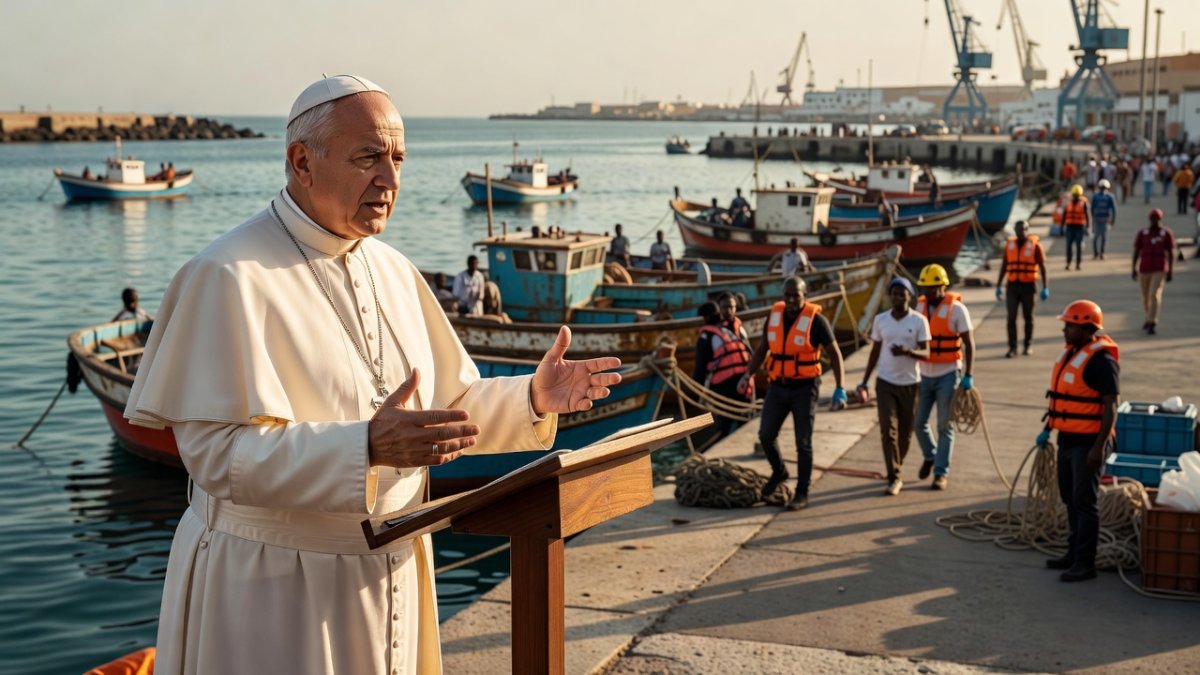
His earlier blessing of the Sagrada Familia in Barcelona on June 10 further connected him to large Venezuelan, Colombian, and Ecuadorian communities already established in Spain. For Mexican families watching from afar, these moments echo the daily decisions made by relatives who left home seeking stability.
Understanding Spain's Arraigo System
Spain's arraigo program grants legal status to undocumented migrants after two or three years of residence and community ties. This pathway stands in contrast to stricter enforcement elsewhere and has allowed many Latin Americans to build lives, send money home, and reunite with family members over time. Mexican migrants who reach Spanish soil often cite this system as a reason to choose Europe over riskier northern routes.
Local organizations in Madrid and Barcelona help newcomers navigate paperwork, find work in care sectors, and enroll children in schools. These steps create stability that directly affects households back in Mexico, where CONEVAL data shows remittances can lift families above poverty lines in states like Michoacán and Guerrero.
Contrasting with Europe's New Migration Pact
The EU Pact on Migration and Asylum took effect on June 12, 2026, introducing tighter border controls and faster returns. Spain has maintained its arraigo framework alongside these changes, demonstrating that national policies can still prioritize integration. This approach draws attention from observers in Mexico, where SRE and INM coordinate with foreign partners on similar balancing acts under the Sheinbaum administration.
While the pact emphasizes security, Spain's model focuses on long-term contributions from migrants. Families separated across the Atlantic see this as a practical example of how governments can reduce irregular status without cutting off opportunities for those already present.
Connections to Mexican Migration Realities
Many Mexican households maintain close ties with relatives who moved to Spain rather than the United States. The arraigo system offers a slower but steadier route to papers compared with the uncertainties at the US-Mexico border. SEGOB and INM officials have studied European examples when shaping bilateral agreements that protect Mexican workers abroad.
Stories of women who left rural communities in Oaxaca or Veracruz to work in Spanish households illustrate both the gains and the emotional toll of separation. These experiences parallel challenges faced by families dealing with INM processes at home, where economic pressures documented by CONEVAL continue to drive emigration decisions.
The Role of Remittances in Mexican Households
Funds sent from Spain supplement incomes for thousands of Mexican families each year. Unlike larger flows from the US, European remittances often arrive through smaller, consistent transfers that support education and small businesses in towns across central Mexico. CONEVAL reports highlight how such income reduces multidimensional poverty when combined with local programs.
Community groups in both countries help track these transfers and advise on safe banking options. This economic link strengthens cultural exchanges between Mexican towns and Spanish cities with growing Latin American populations.
Addressing Trafficking and Family Safety
Pope Leo XIV heard directly from trafficking survivors in Arguineguin, bringing attention to dangers faced especially by women and girls traveling alone. Mexican authorities through SRE have increased warnings about exploitation networks that target migrants heading to Europe. INM works with counterparts in Spain to share information and support repatriation when needed.
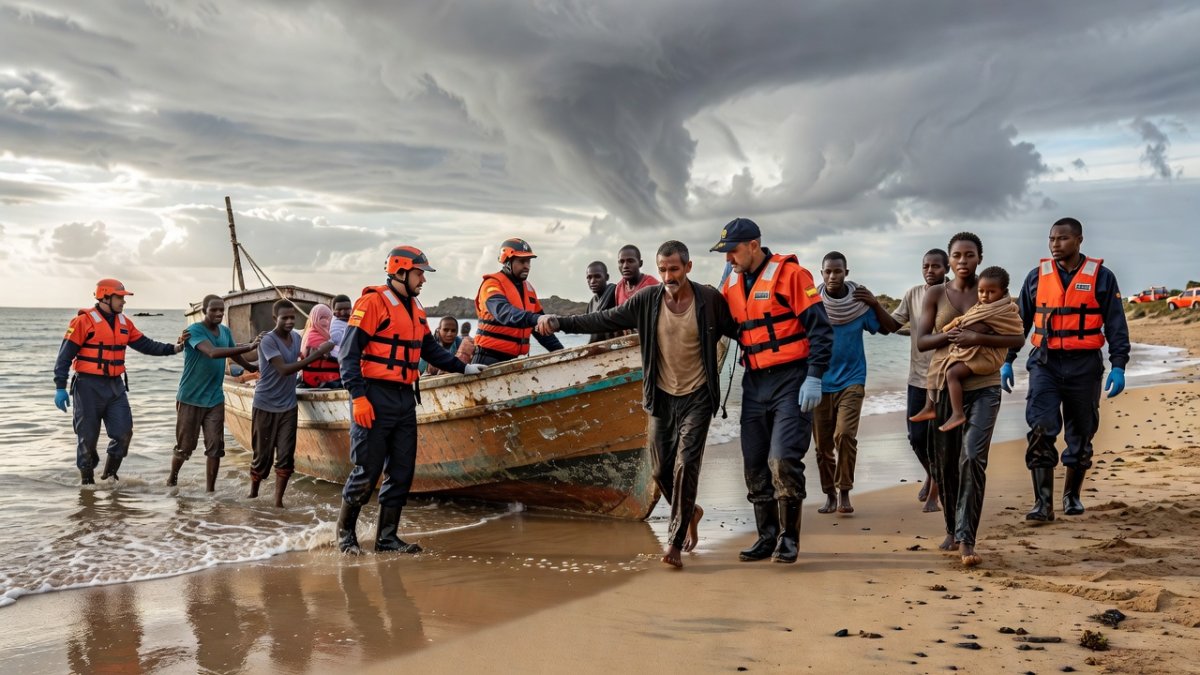
Prevention efforts in Mexican states with high emigration rates focus on community education and job programs. These initiatives aim to give families safer choices while recognizing that migration remains a reality for many seeking better opportunities.
Lessons for Regional Policy Cooperation
Spain's experience invites reflection on how Mexico can strengthen protections for its diaspora through SRE channels. Collaboration on legal pathways, anti-trafficking measures, and recognition of qualifications could ease pressures on families divided by distance. The human stories shared in the DW News report remind readers that policy choices ultimately shape daily life for communities on both sides of the Atlantic.
By Rosa Martinez, Staff WriterThis article was produced with AI-assisted research and editorial support. Reporting is based on sources cited in the article.
What's Your Reaction?
 Like
0
Like
0
 Dislike
0
Dislike
0
 Love
0
Love
0
 Funny
0
Funny
0
 Wow
0
Wow
0
 Sad
0
Sad
0
 Angry
0
Angry
0

Latin America/Andes Correspondent at Global1.News. Based in Bogota, covering politics, environment, energy, and social movements across the Andean region. Passionate about environmental journalism and communities protecting their land.














Comments (0)