
Ontario Wildfires: Ford Warns Refusals Block Aerial Response
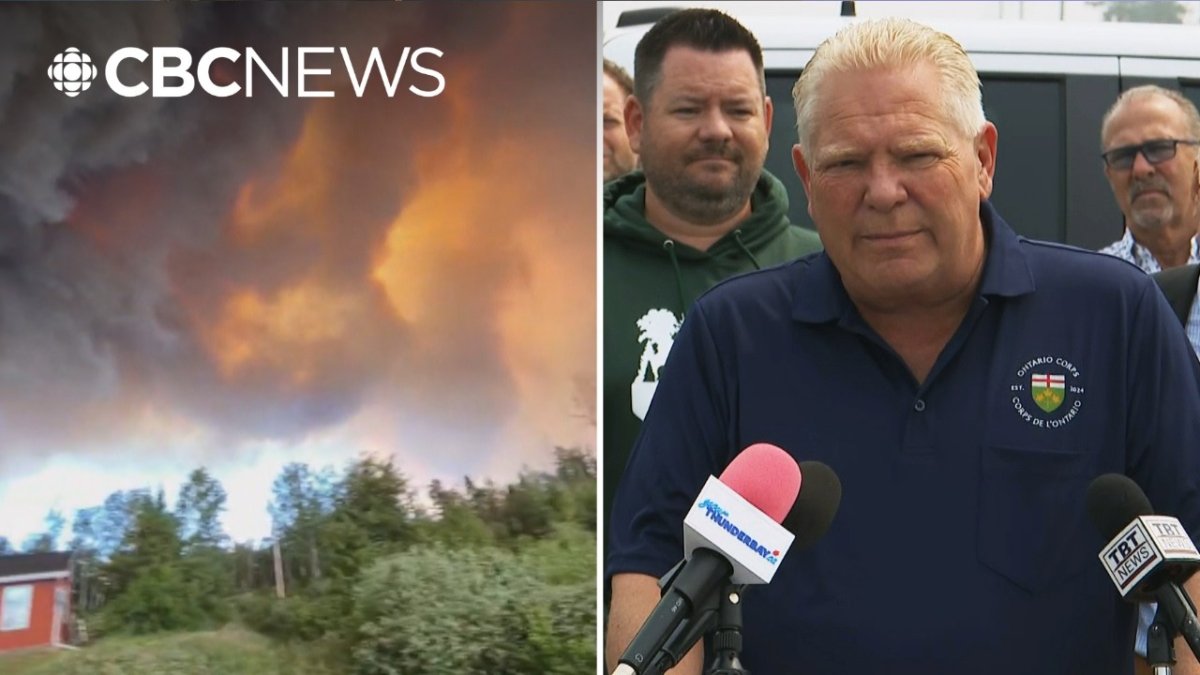
Ontario Premier Doug Ford travelled to Thunder Bay on Saturday to confront a rapidly escalating wildfire crisis, issuing a blunt warning that residents refusing evacuation orders are directly blocking aerial firefighting operations across 191 active blazes in northern Ontario.
Ontario Premier Doug Ford travelled to Thunder Bay on Saturday to confront a rapidly escalating wildfire crisis, issuing a blunt warning that residents refusing evacuation orders are directly blocking aerial firefighting operations across 191 active blazes in northern Ontario. With more than 155 crews and dozens of aircraft already committed, the premier stressed that civilian presence in fire zones prevents water bombers from deploying retardant, heightening risks to both responders and remote communities. Federal and provincial officials are now coordinating mass evacuations, including the airlift of over 600 residents from Eabametoong First Nation.
Ontario Wildfires: Ford Warns Refusals Block Aerial Response
Thunder Bay, Ontario — Article continues...
Premier Issues Direct Warning on Evacuation Compliance
Premier Doug Ford stated during his Thunder Bay address that more than 155 fire crews operated on the ground with over 80 aircraft deployed and 40 additional aircraft on standby. He emphasised that individuals refusing evacuation orders directly hinder aerial operations because water bombers cannot drop retardant when civilians remain visible in target zones.
Ford linked the refusal behaviour to broader public safety risks in remote northern communities where rapid wildfire spread threatens infrastructure and lives. The province maintains that full compliance allows crews to focus resources on containing the Fort Frances 14 fire, which exceeds 55,000 hectares and remains out of control.
Current Wildfire Scale Across Northwestern Ontario
Provincial data confirmed 191 active fires province-wide on Saturday July 18, 2026, with seven new ignitions in the northwestern region raising the local total to 132. The Fort Frances 14 fire prompted immediate evacuation orders for residents around Baril Lake, Bedivere Lake, Windigoostigwan Lake, and Lac des Mille Lacs.
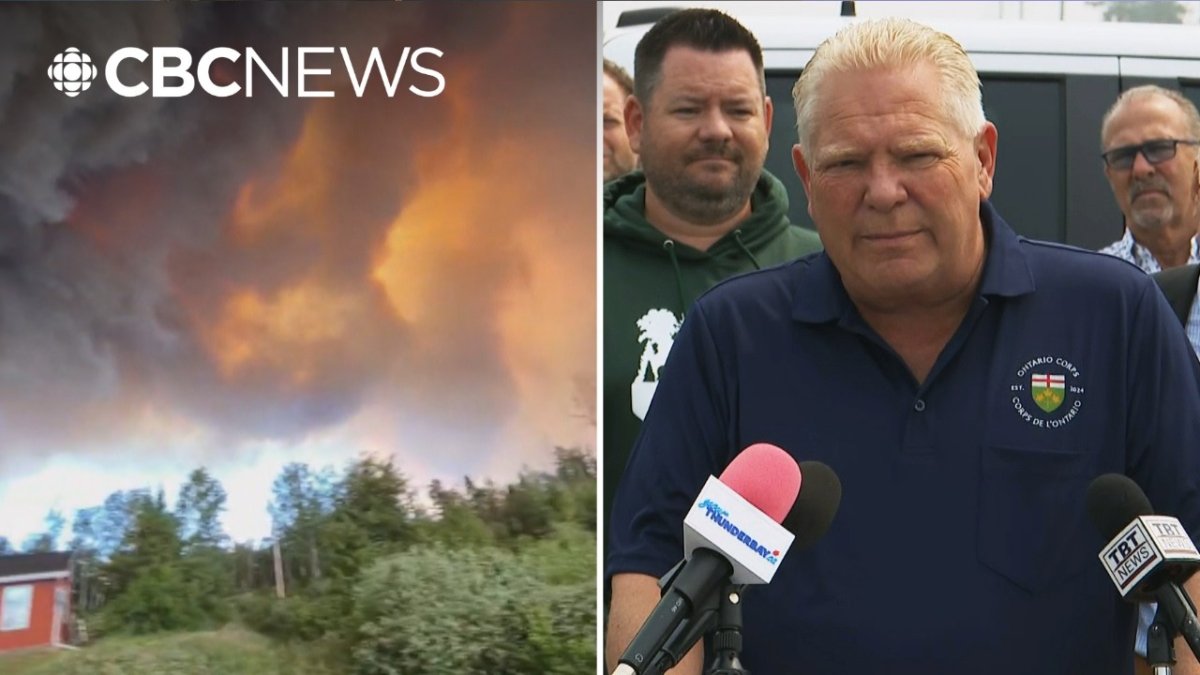
These figures reflect the intense fire season affecting Ontario's boreal forest zone, where dry conditions have accelerated spread and strained provincial response capacity. Officials continue to monitor additional hotspots near Sioux Lookout and Red Lake.
Evacuation Operations for First Nations Communities
Federal Minister Eleanor Olszewski approved the evacuation of Eabametoong First Nation, directing the relocation of more than 600 residents beginning Sunday July 19, 2026. The move highlights ongoing federal-provincial coordination on Indigenous emergency management in remote northern Ontario.
Evacuation centres opened in Thunder Bay, including the newly designated Fort William Gardens site, to receive displaced residents from multiple lakeside communities. Provincial authorities confirmed that incident management teams from the Aviation, Forest Fire and Emergency Services have been deployed to both the Fort Frances and Thunder Bay sectors to streamline logistics.
The evacuation of more than 600 residents from Eabametoong First Nation, which began last Sunday, highlights the logistical strain on remote fly-in communities where road access remains nonexistent. Aircraft movements have been coordinated through Thunder Bay and Sioux Lookout, yet limited runway capacity and variable weather have delayed departures by up to 48 hours for some families. Officials note that elders and those with medical needs receive priority, yet the absence of nearby host communities forces evacuees into urban centres hundreds of kilometres south, separating them from traditional lands and support networks.
First Nations communities across northern Ontario continue to face disproportionate wildfire evacuation burdens, a pattern documented in federal reports since the 1990s. Communities such as Neskantaga and Webequie currently sit under evacuation alerts, with smoke plumes threatening air quality and forcing school closures. Historical data from Natural Resources Canada shows Indigenous reserves experience evacuation rates three times higher than non-Indigenous municipalities, reflecting both geographic exposure in the boreal forest and chronic underfunding of local fire suppression infrastructure.
These repeated displacements carry lasting implications for Canadian social cohesion and reconciliation efforts. Prolonged separation from homelands disrupts cultural transmission and mental health services already stretched in remote areas. Policy analysts argue that sustained federal-provincial investment in community-based fire crews and improved early-warning systems could reduce future evacuations, yet current budgets remain focused on reactive airlifts rather than prevention.
Interprovincial and Cross-Border Support Arrives
Alberta Wildfire personnel travelled to Ontario this week to reinforce ground crews already stretched across multiple fronts. The arrival demonstrates standard interprovincial mutual aid arrangements that activate during major Canadian wildfire seasons.
Massachusetts Governor Maura Healey separately offered personnel assistance, though Ontario officials continue to prioritise Canadian resources first. These exchanges underscore how wildfire response increasingly requires coordinated national strategies rather than isolated provincial efforts.
Canada’s mutual-aid framework, coordinated through the Canadian Interagency Forest Fire Centre, enables rapid deployment of personnel and equipment across provincial boundaries during peak fire activity. Alberta’s decision to send two 20-person crews and a helicopter to Ontario reflects this long-standing arrangement, which has operated since the 1980s and ensures no single province bears the full burden of an extreme season. Resource sharing reduces duplication while allowing provinces with earlier fire peaks to assist those facing later surges.
Massachusetts Governor Maura Healey’s offer of additional firefighters builds on previous cross-border cooperation, yet Ontario Premier Doug Ford’s rebuke of U.S. criticism underscores reciprocal obligations. Canada dispatched CL-415 water bombers to California and Oregon during their 2020 and 2021 seasons, demonstrating that assistance flows in both directions. Current national resource strain, with more than 3,000 firefighters already committed nationwide, tests the limits of these agreements and raises questions about long-term capacity if multiple provinces experience simultaneous extremes.
Air Quality Alerts and Public Health Measures
Orange air quality alerts remained in effect for Thunder Bay, Dryden, Sioux Lookout, Kenora, Red Lake, and Atikokan on Saturday July 18, 2026, due to smoke drifting from active fires. Health officials warned residents with respiratory conditions to limit outdoor exposure.
The province extended a restricted fire zone across affected regions, prohibiting all open-air burning including campfires. This measure aims to reduce additional ignition sources while protecting air quality in population centres already impacted by smoke.
Economic and Community Disruptions in Northern Ontario
Thunder Bay suspended city services including outdoor pools, beaches, and golf courses, while organisers postponed the Festival of India scheduled for this weekend. These cancellations directly affect local tourism revenue in a region already facing seasonal economic pressures from wildfire disruptions.
Businesses near evacuation zones reported reduced foot traffic as residents monitored air quality reports and prepared for potential relocation. Provincial economic development officials noted that prolonged fire activity could further strain northern Ontario's resource-based economy.
Thunder Bay’s temporary closure of municipal pools, beaches, and the Strathcona Golf Course, alongside postponement of the Festival of India, illustrates how smoke and evacuation orders ripple through regional economies. Tourism operators report cancellations exceeding 30 percent for July bookings, with lodges near Red Lake and Pickle Lake particularly affected. These disruptions compound existing labour shortages in the hospitality sector and threaten seasonal revenues that many northern businesses rely upon to survive the winter months.
Ontario’s firefighting expenditures have already surpassed $120 million this season, prompting concerns about impacts on the provincial budget and potential reallocations from health or education programs. Insurance industry data indicate that properties within 10 kilometres of recent fire perimeters face premium increases of 15 to 25 percent, while some carriers have begun refusing new policies in high-risk zones. Homeowners in affected areas must now weigh mitigation investments such as fire-resistant roofing against rising costs or reduced coverage options.
Climate Patterns and Long-Term Canadian Wildfire Trends
Current conditions align with broader climate-driven increases in wildfire frequency across Canada's boreal regions, where warmer temperatures and extended dry periods have lengthened fire seasons. Ontario's response integrates these realities into annual preparedness planning.
Federal and provincial agencies continue to invest in enhanced detection systems and Indigenous-led fire management practices to address both immediate threats and future resilience needs in northern communities.
Boreal forest fire activity has intensified over the past decade, with Natural Resources Canada recording a 25 percent increase in area burned compared with the 2000-2010 average. Longer fire seasons driven by warmer, drier conditions have extended the period of high danger from May through October in many regions. Federal investments announced in 2023 allocated $250 million toward satellite detection systems and expanded weather stations, yet implementation timelines mean many northern districts still rely on visual patrols and community reports.
Indigenous fire stewardship practices, including controlled burns conducted in spring and autumn, offer proven methods for reducing fuel loads that federal and provincial agencies are now incorporating into planning. Elders in Treaty 9 territory have shared knowledge of historical burn patterns that maintained lower-intensity fires, contrasting with today’s larger, more destructive events. Ontarians should prepare for continued smoke episodes and possible travel restrictions through September, as models project above-normal temperatures persisting across the province’s northwest.
By Alex Thompson, Staff WriterThis article was produced with AI-assisted research and editorial support. Reporting is based on sources cited in the article.
What's Your Reaction?
 Like
0
Like
0
 Dislike
0
Dislike
0
 Love
0
Love
0
 Funny
0
Funny
0
 Wow
0
Wow
0
 Sad
0
Sad
0
 Angry
0
Angry
0

Canada Correspondent at Global1.News. Based in Toronto, covering Canadian politics, energy, trade, and US-Canada relations. Provides the Canadian perspective on North American and global affairs.














Comments (0)