
Andy Burnham Set to Reverse North Sea Oil Drilling Ban as PM
Andy Burnham is poised to reverse Labour’s previous opposition to new North Sea oil and gas licences when he becomes Prime Minister on 20 July 2026, a move that has already triggered warnings of job losses in Aberdeen alongside sharp criticism from climate campaigners. Civil service teams are preparing the necessary documents as industry groups press for fresh exploration to stem production declines.
Andy Burnham is poised to reverse Labour’s previous opposition to new North Sea oil and gas licences when he becomes Prime Minister on 20 July 2026, a move that has already triggered warnings of job losses in Aberdeen alongside sharp criticism from climate campaigners. Civil service teams are preparing the necessary documents as industry groups press for fresh exploration to stem production declines. The shift marks a clear departure from Keir Starmer’s earlier stance and risks fracturing party unity on net-zero targets.
Burnham North Sea Drilling U-Turn Sparks Fierce Row
London, UK – 18 July 2026 — Article continues...
Burnham's Expected Reversal on North Sea Drilling
Andy Burnham is set to become Prime Minister on Monday 20 July 2026 and is expected to announce new oil and gas drilling licences in the North Sea. This marks a clear departure from the stance taken by the previous Labour government under Keir Starmer. Civil service teams have already been instructed to prepare the necessary policy documents ahead of the transition. North Sea oil and gas production has fallen sharply from its 1999 peak of 4.5 million barrels of oil equivalent per day to around 1.2 million today, according to industry data from Offshore Energies UK. Remaining recoverable reserves stand at roughly 2.5 billion barrels of oil and 200 billion cubic metres of gas, enough to meet only a fraction of domestic demand through the 2030s.
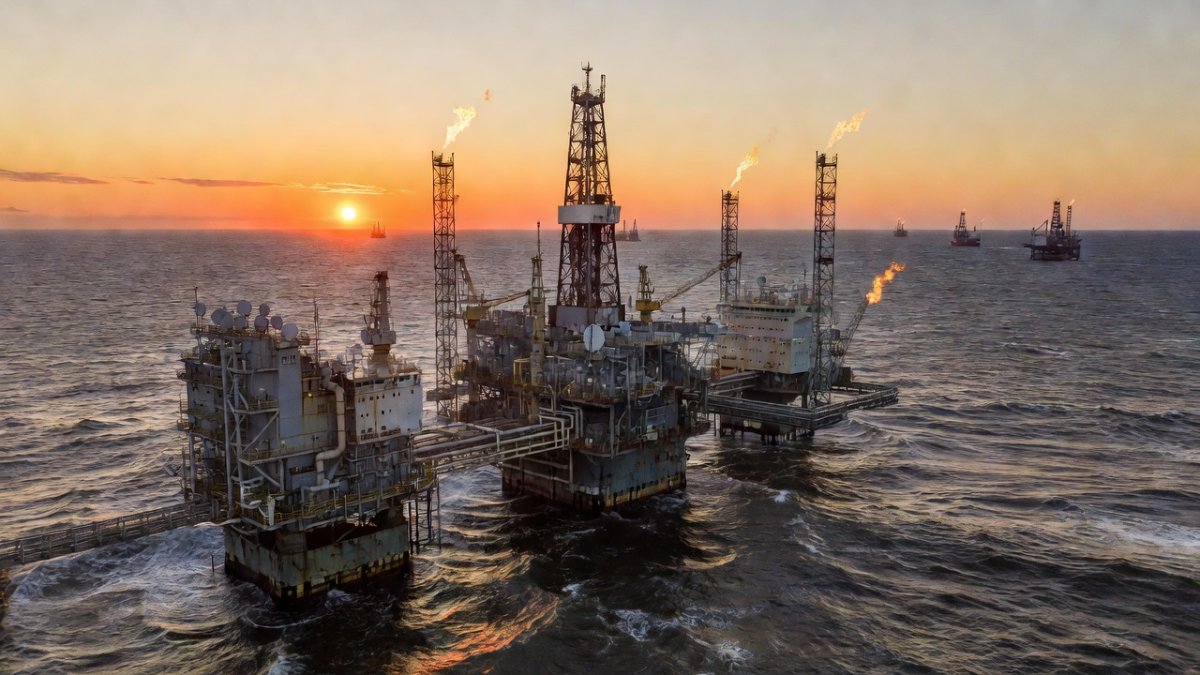
Shift from Starmer's Earlier Opposition
Under Keir Starmer, Labour consistently opposed fresh exploration licences, citing climate commitments. The Rosebank oil field licence drew particular criticism, with Energy Secretary Ed Miliband labelling it "climate vandalism" during parliamentary debates. Burnham's incoming administration now appears ready to override that position, with reports from the BBC, Guardian and Bloomberg confirming that detailed plans are in development. Ed Miliband’s description of the Rosebank licence as “climate vandalism” during 2023 parliamentary exchanges reflected his long-standing environmental credentials, including his role in securing the 2008 Climate Change Act. Yet his position now appears strained by the incoming administration’s pivot, forcing a choice between defending earlier rhetoric and adapting to new economic realities in Aberdeen and the north-east of Scotland.
Industry Warnings of Job Losses in Scotland
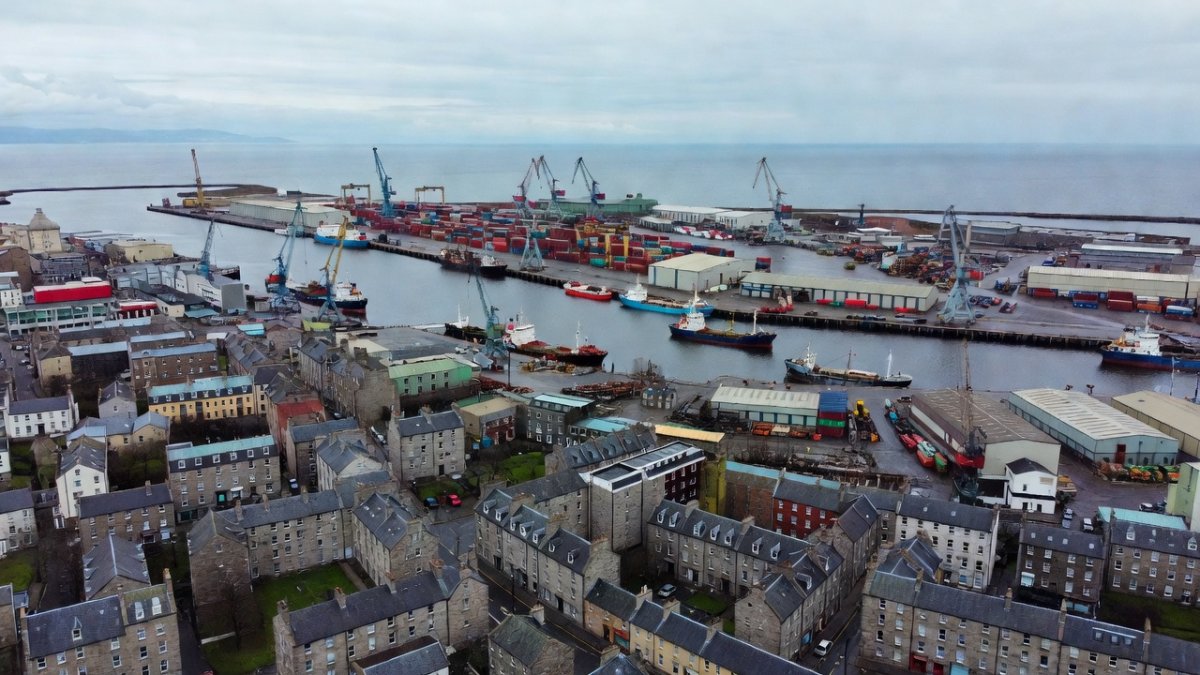
North Sea operators have pressed Burnham's team to approve new drilling, warning of mass redundancies across Aberdeen and surrounding areas in the north-east of Scotland. The sector employs thousands in extraction, supply chains and maintenance roles. Without fresh licences, companies argue that production declines will accelerate, hitting local economies that already face higher living costs than the UK average. Comparisons with Norway and the Netherlands reveal differing transition speeds. Oslo has continued licensing rounds while directing substantial sovereign wealth fund returns into offshore wind, maintaining employment levels above 200,000. In contrast, the Dutch government’s earlier moratorium on new gas fields accelerated import reliance without equivalent domestic safeguards.
Green Party and Campaign Group Condemnation
The Green Party has described the move as a "terrible start" to Burnham's premiership. Greenpeace and Uplift have signalled they will mount legal and public challenges. These groups point to the limited climate benefit of new fields and the risk of locking the UK into higher emissions at a time when the Department for Energy Security and Net Zero is meant to drive decarbonisation. Greenpeace and Uplift have confirmed plans for coordinated legal challenges under the Climate Change Act, arguing that new licences breach the United Kingdom’s sixth carbon budget. Local protests are scheduled outside the Aberdeen headquarters of major operators, with organisers expecting participation from trade union branches concerned about long-term employment in renewables.
Labour MPs Urge Caution on Drilling Expansion
Some Labour MPs have privately advised Burnham to reject what they term "deluded" calls for expanded North Sea activity. They argue that the political cost of appearing to backtrack on climate pledges outweighs any short-term economic gain, particularly in marginal constituencies across the north of England and Scotland. Several Labour MPs, including those representing Scottish constituencies such as Aberdeen South and West Aberdeenshire, have urged caution against rapid expansion, citing constituency pressures from supply-chain workers. Others, including backbenchers aligned with the environmental audit committee, have privately labelled the policy shift “deluded” given the party’s 2024 manifesto commitments.
Import Dependence and Limited Supply Impact
The UK currently imports around 40 per cent of its gas. Data from the Office for National Statistics shows that additional North Sea output would have only marginal effects on reducing those imports. Most new production would still be sold on international markets, leaving households in regions such as the Midlands and Yorkshire exposed to global price swings. The Rosebank field, located west of Shetland, has become the focal point of this debate. Its estimated 300 million barrels could generate up to £10 billion in production taxes, yet campaigners highlight that burning the oil would release emissions equivalent to the annual output of 28 million cars. Government modelling suggests that without new fields, the United Kingdom’s energy import bill could rise by £20 billion annually by 2030.
Thames Water Nationalisation and Household Effects
Bloomberg has reported that Burnham also intends to bring Thames Water under public control. This would affect millions of customers across London and the south-east, where bills have risen sharply and sewage discharge incidents have drawn repeated fines from the Environment Agency. The move forms part of a wider energy and utilities reset being prepared by incoming ministers. Any expansion of drilling would influence Treasury revenues and therefore funding for the NHS and schools. In Scotland, sustained North Sea activity supports local authority budgets in Aberdeen and Aberdeenshire. In England, higher energy costs continue to strain winter fuel payments and disability benefits administered by the Department for Work and Pensions.
The Bottom Line — What Comes Next
The policy reversal raises questions about the United Kingdom’s ability to meet its 2030 nationally determined contribution under the Paris Agreement, which requires a 68 per cent reduction in emissions from 1990 levels. International observers at forthcoming COP summits may view expanded North Sea activity as inconsistent with the phase-down language agreed in Dubai, particularly as peer nations such as Denmark accelerate fossil fuel exit dates. Burnham’s approach aligns more closely with recent positions taken by Canadian and Australian leaders, who have balanced domestic production with export strategies. The ultimate test will be whether compensatory measures in renewables and grid infrastructure can deliver credible progress toward the 2050 net-zero target.
By Erica Thornton, Staff Writer
This article was produced with AI-assisted research and editorial support. Reporting is based on sources cited in the article.
What's Your Reaction?
 Like
0
Like
0
 Dislike
0
Dislike
0
 Love
0
Love
0
 Funny
0
Funny
0
 Wow
0
Wow
0
 Sad
0
Sad
0
 Angry
0
Angry
0

US Politics and Policy Correspondent at Global1.News. Based in Washington DC, covering American politics, policy, elections, and the courts. Knows how the system works and tells you what it actually means.














Comments (0)