
Ockenden Report Exposes 520 Cases of Avoidable Harm at Nottingham NHS Trust
The Ockenden Report into maternity services at Nottingham University Hospitals NHS Trust was published on 24 June 2026, laying bare one of the most serious failures in NHS history. The 401-page independent review by Donna Ockenden concludes that 520 mothers and babies suffered avoidable harm or death between 2012 and 2023, including 444 women and 76 newborns. There were 94 stil
The Scale of the Scandal
The figures contained in the Ockenden Report are stark. Across more than a decade, 520 families experienced harm that independent experts judged entirely preventable. Of the 76 newborn deaths, 62 occurred in the neonatal period, while 94 babies were stillborn. Twenty-seven mothers died, six of them in circumstances where better care would almost certainly have altered the outcome. These numbers represent real people whose lives were shattered inside hospitals that should have been places of safety.
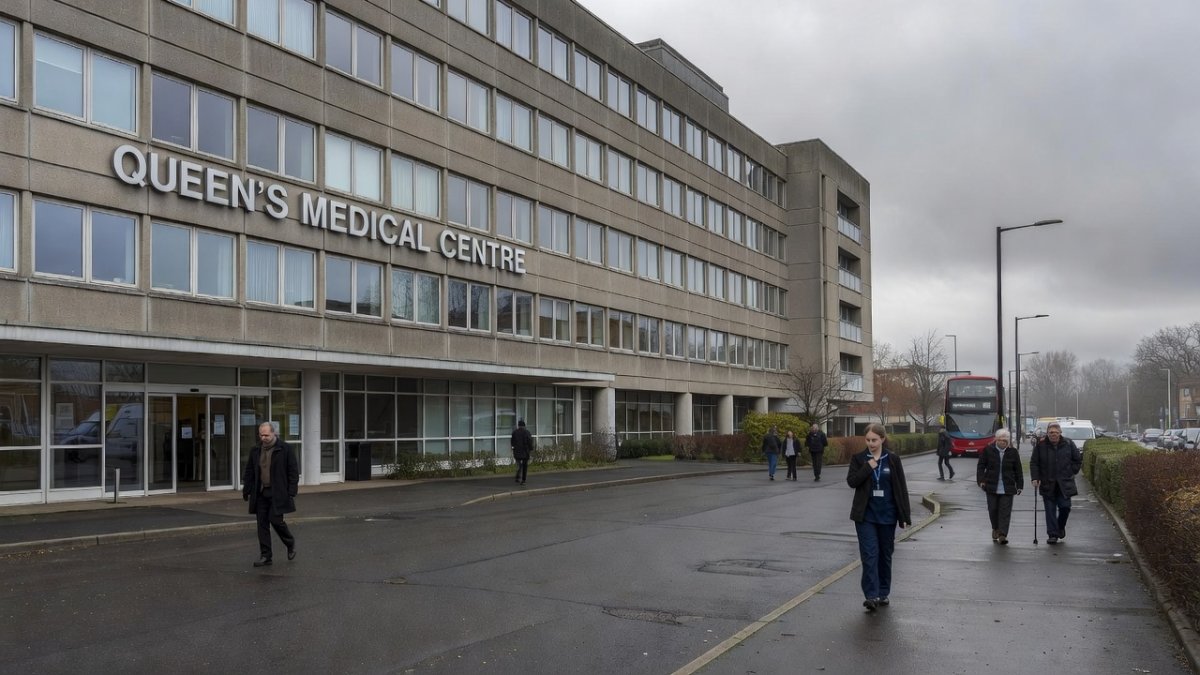
The review examined care at both the Queen’s Medical Centre and Nottingham City Hospital, sites run by Nottingham University Hospitals NHS Trust. It found that problems were not isolated incidents but part of a sustained pattern. Families described being told their babies had died from unavoidable complications when records showed clear signs of distress that had been missed or ignored. In one case a baby was disposed of as clinical waste without parental consent or proper documentation, an act the report labels as both clinically and ethically indefensible.
More than 2,500 families came forward during the review, alongside 800 current and former staff. Their testimony reveals a Trust that consistently placed reputation above patient safety. The £800,000 criminal fine handed down in 2023 now appears modest against the human cost. Millions have already been paid in compensation, yet the report warns that the financial liability will continue to grow for years. The scale of the scandal places Nottingham among the most serious maternity failures in NHS history, comparable only to the cases at Morecambe Bay and Shrewsbury.
Key Findings: Clinical Failures Exposed
The report details repeated clinical errors that should have been identified and corrected years earlier. Cardiotocograph traces were misinterpreted, leading to delayed decisions about emergency caesarean sections. Women in labour were left without adequate monitoring, sometimes for hours. Postnatal observations were neglected, allowing haemorrhage and infection to go undetected until it was too late. In several cases, mothers were discharged despite clear warning signs that required immediate intervention.
Stillbirths and neonatal deaths were frequently attributed to “unexplained” causes when the records showed foetal distress that had not been acted upon. The review found that in at least 62 neonatal deaths, earlier recognition and action would have changed the outcome. Maternal deaths followed similar patterns, with delays in recognising sepsis and haemorrhage. The report is particularly critical of the Trust’s failure to implement national guidance on foetal monitoring and escalation of concerns.
These were not one-off mistakes by junior staff. Senior clinicians and managers repeatedly failed to ensure that lessons from earlier incidents were embedded in practice. The 401-page document lists dozens of missed opportunities where external reviews or internal investigations should have prompted change. Instead, the same errors recurred, harming more families. The clinical failings were compounded by poor record-keeping and a reluctance to conduct thorough root-cause analyses after each tragedy.
The Human Cost: Families Betrayed
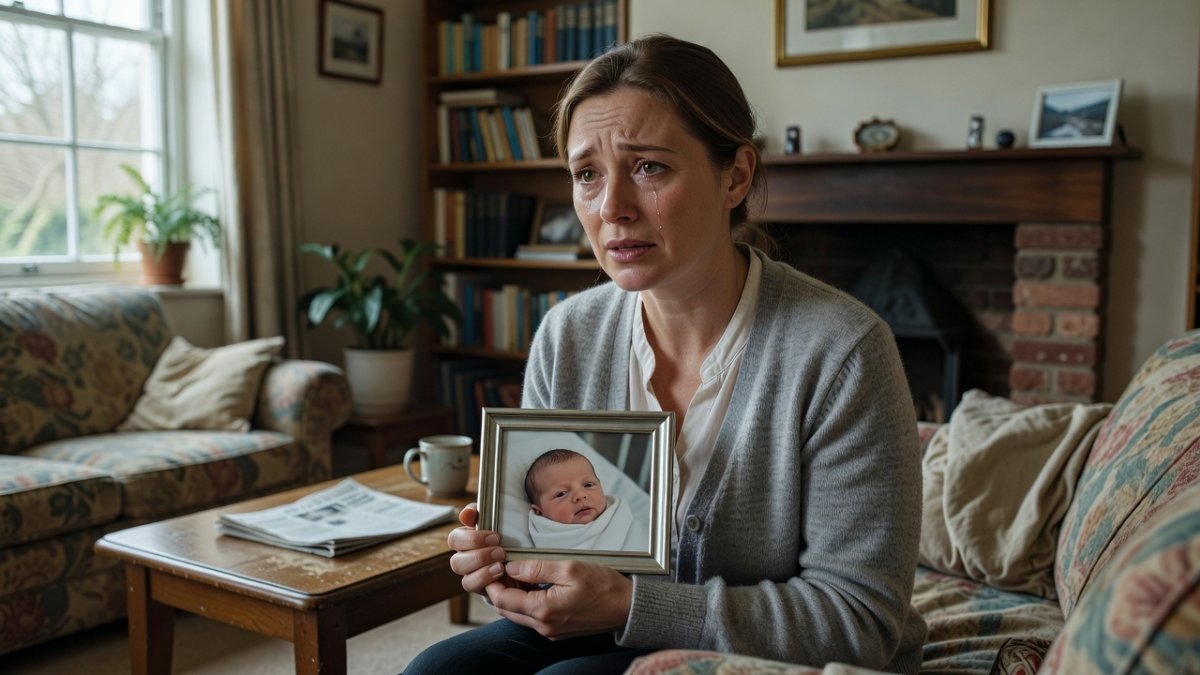
Sarah and Gary Andrews lost their daughter Wynter 23 minutes after her birth in 2019. They were told the death was unavoidable, yet the Ockenden Report shows that signs of distress were missed and escalation was delayed. The couple describe being left alone with their baby’s body for hours without proper support or explanation. They later discovered that key information had been withheld from them during the original investigation.
Sarah Hawkins lost her daughter Harriet in 2016. She was assured that nothing could have been done differently. The report now confirms that earlier intervention would have saved Harriet’s life. Sarah has spent years fighting for answers that the Trust was unwilling to provide. Both families are among thousands who were lied to about the causes of death and denied the opportunity to grieve with full knowledge of what had gone wrong.
The report also highlights the case of a baby disposed of as clinical waste without parental knowledge or consent. The family only discovered the truth years later through the review process. Such betrayals have left lasting psychological damage. Many parents report anxiety, depression and an inability to trust medical professionals. The human cost extends far beyond the immediate deaths and injuries, affecting siblings, grandparents and entire communities who have lost faith in the NHS institutions meant to protect them.
A Toxic Culture of Denial
The Ockenden Report paints a damning picture of a Trust dominated by “bullying and toxic culture” and “intimidating cliques”. Staff who raised concerns were marginalised or forced out. A “culture of organisational denial” meant that problems were minimised or covered up rather than addressed. Leadership instability between 2017 and 2021 exacerbated the situation, with frequent changes in senior personnel preventing any sustained improvement.
Whistleblowers described an environment in which loyalty to the organisation was valued above patient safety. Those who challenged poor practice faced intimidation or formal disciplinary action. The report notes that this culture prevented the open discussion of mistakes that is essential for learning. Instead, incidents were investigated in ways designed to protect the Trust’s reputation rather than establish the truth.
Families were routinely given incomplete or misleading information. In several cases, cause-of-death statements were altered to remove references to care failings. The review concludes that this was not the work of a few rogue individuals but a systemic problem rooted in the Trust’s leadership and governance structures. Until that culture changes, the report warns, further harm is inevitable.
Warnings Ignored Since 2007
The problems at Nottingham did not begin recently. The Ockenden Report traces concerns back to 2007, when early warning signs were already visible. Internal audits and external inspections repeatedly highlighted deficiencies in foetal monitoring, staffing levels and governance. Each time, the Trust provided assurances that improvements were underway, yet the same issues persisted.
Between 2012 and 2023, multiple reviews and complaints should have triggered decisive action. Instead, the Trust adopted a pattern of denial and deflection. National bodies, including the Care Quality Commission and NHS England, received repeated alerts but failed to intervene effectively. The review ordered in 2023 came only after sustained pressure from bereaved families and investigative journalism.
The report is clear that earlier intervention could have prevented many of the 520 cases of harm. It criticises both the Trust and national regulators for allowing a dangerous situation to continue for more than fifteen years. The £800,000 fine imposed in 2023 is described as a belated and inadequate response to failings that had been evident for well over a decade.
Accountability and the Road Ahead
The Ockenden Report makes a series of recommendations for immediate action. The Trust must publish a detailed response within three months, including a timetable for implementing changes. An independent oversight panel will monitor progress. Further criminal investigations are expected, building on the 2023 prosecution that resulted in the £800,000 fine.
Leadership changes are already under discussion. The report calls for a root-and-branch reform of governance structures to ensure that safety is prioritised over reputation. Families will be offered the opportunity for independent reviews of their cases, with full disclosure of all records. Compensation processes must be accelerated and made less adversarial.
The Trust has issued an apology, but families and campaigners say words are not enough. They want to see concrete changes and genuine accountability. The review warns that without sustained external scrutiny, the same patterns of behaviour could return. Millions have already been paid in compensation, yet no amount of money can restore the lives that were lost.
National Ramifications for UK Maternity Care
The Nottingham scandal has implications far beyond the East Midlands. The Ockenden Report adds to a growing body of evidence that maternity services across the NHS are under strain. Similar patterns of poor care, ignored warnings and defensive cultures have been identified at other Trusts. National bodies must now examine whether the lessons from Nottingham are being applied elsewhere.
Staffing shortages, inadequate training and pressure to meet performance targets are cited as contributing factors. The report calls for a national review of maternity services to identify other Trusts where similar risks may exist. It also recommends changes to the way complaints and incidents are investigated, with greater involvement of families from the outset.
Regulators face questions about why earlier warnings were not acted upon. The Care Quality Commission and NHS England must demonstrate that they have learned from this failure. Without systemic reform, the report concludes, further tragedies are inevitable. The human and financial cost will continue to mount.
The Bottom Line: What Must Change
The Ockenden Report leaves no room for complacency. Nottingham University Hospitals NHS Trust must transform its culture, governance and clinical practice. This requires stable leadership, genuine openness to criticism and a willingness to put patients first in every decision. The £800,000 fine and millions paid in compensation are only the start of the financial reckoning.
National regulators must strengthen oversight and act more decisively when concerns are raised. Families deserve timely, honest answers when things go wrong. The stories of Sarah and Gary Andrews, Sarah Hawkins and thousands of others must serve as a permanent reminder of what happens when those principles are forgotten.
Change will not come easily. It requires sustained political will, adequate resources and a fundamental shift in how the NHS values transparency over reputation. The 520 families who suffered avoidable harm deserve nothing less. By Erica Thornton, Staff Writer
This article was produced with AI-assisted research and editorial support. Reporting is based on sources cited in the article.
What's Your Reaction?
 Like
0
Like
0
 Dislike
0
Dislike
0
 Love
0
Love
0
 Funny
0
Funny
0
 Wow
0
Wow
0
 Sad
0
Sad
0
 Angry
0
Angry
0

US Politics and Policy Correspondent at Global1.News. Based in Washington DC, covering American politics, policy, elections, and the courts. Knows how the system works and tells you what it actually means.














Comments (0)