
Springboks Crush Wales 43-0 at Kings Park Stadium
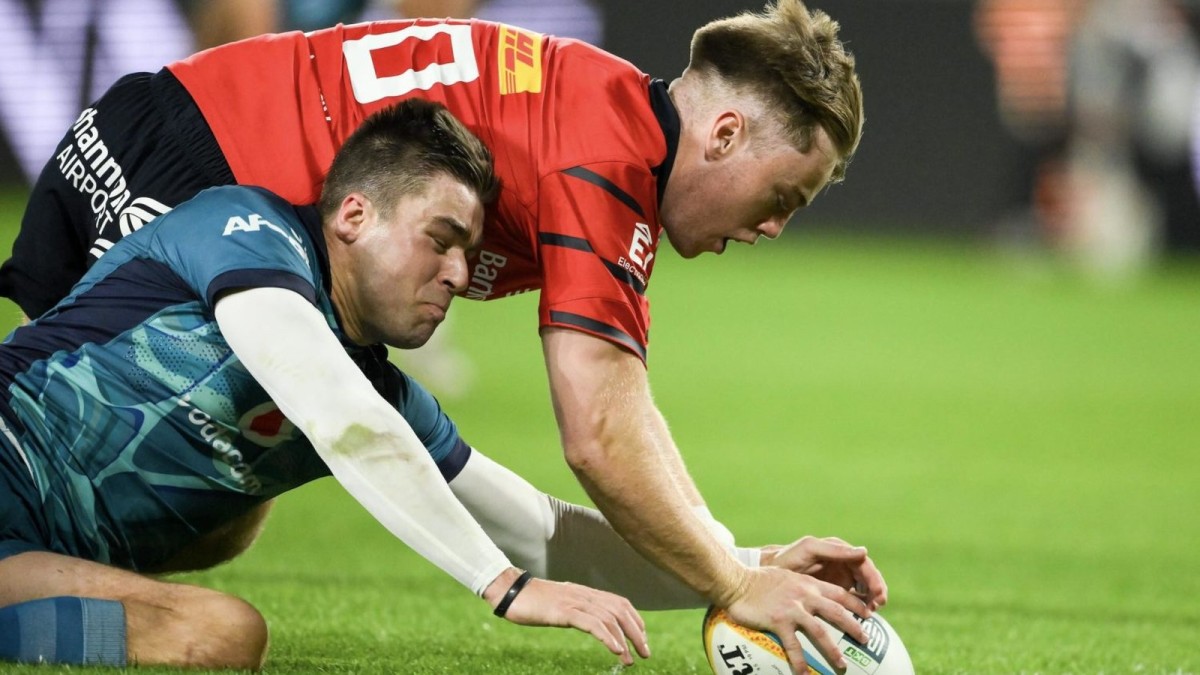
The crowd at Kings Park Stadium in Durban erupted as the Springboks delivered a commanding 43-0 victory over Wales on July 18, 2026. Seven tries from seven different scorers underlined the depth in the squad during this Nations Championship fixture. The result extended South Africa’s unbeaten run and left Wales without a single point across more than two and a half hours of rugby against the Springboks.

The crowd at Kings Park Stadium in Durban erupted as the Springboks delivered a commanding 43-0 victory over Wales on July 18, 2026. Seven tries from seven different scorers underlined the depth in the squad during this Nations Championship fixture. The result extended South Africa’s unbeaten run and left Wales without a single point across more than two and a half hours of rugby against the Springboks.
A Dominant Home Performance in Durban
Kings Park Stadium provided the perfect stage for South African rugby passion. The Springboks made ten changes from the side that defeated Scotland 42-28 the previous week, yet maintained their high standards. Slippery conditions tested both teams, but the home side adapted quickly to secure a shutout. This result follows earlier wins of 45-21 against England and 42-28 against Scotland, showing consistent progress through the southern hemisphere leg of the Nations Championship.
The atmosphere carried the familiar energy of Durban match days, with fans celebrating every try and turnover. Gerhard Steenekamp anchored the scrum with powerful loosehead play, while the forward pack controlled territory throughout. The 43-0 scoreline echoed the 73-0 victory over Wales in Cardiff last November, highlighting the current gulf between the sides.
That November 2025 clash in Cardiff saw the Springboks run riot with a devastating 73-0 victory, and this Durban masterclass ensured Wales have now failed to score a single point against South Africa across more than 160 minutes of Test rugby. The Bokke ought to have doubled their seven actual tries according to observers, such was their utter domination, yet the greasy surface prevented a truly expansive display. Only South Africa and New Zealand finished the southern hemisphere leg unbeaten, underlining the clinical consistency on show at Kings Park.
Four Debutants Make Immediate Impact
Four players earned their first Test caps: wing Jaco Williams, flyhalf Vusi Moyo, tighthead prop Carlu Sadie and flank Paul de Villiers. Jaco Williams marked his debut with a try, while Paul de Villiers also crossed the line after an outstanding display over the ball. Assistant coach Mzwandile Stick praised the group, noting that players can earn Springbok status through how they handle the system rather than solely through volume of matches.
Carlu Sadie looked unfazed in the tighthead role on debut, complementing Steenekamp’s scrummaging dominance. Vusi Moyo, at just 19, impressed with his boot and general playmaking. These debuts reflect ongoing efforts to blood young talent within South African rugby structures, connecting directly to grassroots development pathways supported by SARU and provincial unions.
Mzwandile Stick elaborated that Rassie manages selections with remarkable foresight, sometimes naming the team two weeks in advance, allowing a player like Vusi Moyo—who had played just one URC game—to earn his Test debut through mastery of the system rather than accumulated minutes. Paul de Villiers may have emerged as the biggest individual winner from the month, starting all three Nations Championship Tests and visibly improving with each performance. Jaco Williams’ try on debut added further gloss to a night when four new Springboks announced themselves with authority.
Key Players Drive the Seven-Try Haul
Ruben van Heerden brought physicality and lineout assurance in the second row. Paul de Villiers proved relentless in defense and secured turnovers that sparked several attacks. Faf de Klerk provided experienced direction at scrumhalf, while Manie Libbok added creative playmaking. Herschel Jantjies injected energy from the base of the scrum, and Jesse Kriel offered steady midfield presence.
Impact from the bench came through Cobus Reinach and Kurt-Lee Arendse, both contributing to maintaining momentum. The seven different try scorers demonstrated squad depth, with the changes from the Scotland match failing to disrupt overall cohesion. Butch James had predicted exactly this clinical approach, highlighting how standards remain high regardless of selection.
Butch James had forecast another clinical performance, noting that one of the biggest strengths of this squad is that standards never drop regardless of who is selected. Ruben van Heerden specifically brought physicality, work rate and lineout assurance that anchored the set-piece, while the bench impact ensured the tempo never dipped. Wales missed 29 tackles in this match alone, part of a staggering 102 missed across their three Nations Championship outings, allowing the Boks to capitalise repeatedly.
Rassie Erasmus Assesses Team Growth
Head coach Rassie Erasmus noted steady improvement across every Nations Championship outing. He acknowledged that rotation affects cohesion yet emphasised the value of giving opportunities to emerging players. Erasmus also pointed to the slippery Durban surface as a factor that limited expansive play against a determined Welsh defensive effort.
The Springboks rested Siya Kolisi and Eben Etzebeth, allowing other leaders to step up. This rotation strategy continues to build resilience across the group while keeping core standards intact. South Africa and New Zealand remain the only unbeaten teams after the southern hemisphere portion of the competition.
Erasmus captured the challenge perfectly: “We saw world-class players make a few knocks-on in this game. The field is really slippery, and you could feel it in the warmup, that it was really greasy. It was tough to play an expansive, pretty game in conditions like that against a team that really wanted to defend.” The measured assessment reflects a coach focused on long-term growth even in the midst of another dominant display.
Wales Struggle with Missed Tackles and Attack
Wales missed 29 tackles in this match alone and 102 across their three Nations Championship games. Their inability to score against South Africa for more than two and a half hours of rugby reflects ongoing challenges, including a wooden spoon finish in the last two Six Nations tournaments. The visitors defended stoutly at times but could not convert pressure into points on the slippery surface.
Despite the heavy defeat, the Welsh side showed commitment in defence. However, the Springboks’ clinical edge and forward dominance proved decisive. The result leaves Wales searching for answers ahead of their remaining fixtures.
Wales, the wooden spoon holders in the last two Six Nations, arrived with plenty of passion and physicality yet were overwhelmed by a Springbok side that has built incredible depth over recent years. The 43-0 result, following the 73-0 humiliation in Cardiff, leaves the visitors with serious questions about their defensive systems and attacking threat heading into the November window.
Implications for South African Rugby Landscape
This performance reinforces the Springboks’ status as a leading force and highlights the benefits of a deep squad. Young debutants like Jaco Williams and Vusi Moyo represent the next generation, linking professional success to transformation goals and provincial development programmes. Fans across South Africa can take pride in a side that continues to deliver results while integrating new talent.
The victory also strengthens national unity through sport, a core value long associated with Springbok rugby. Domestic structures, from the MultiChoice Diski Challenge to SuperSport coverage, help sustain the pipeline that produced these debutants.
The 43-0 shutout, achieved with ten changes from the previous week, demonstrates how the depth built over recent years allows South Africa to rotate without losing intensity. This approach not only prepares the squad for a demanding November tour but also inspires young players nationwide who see clear pathways from provincial rugby into the green and gold.
Looking Ahead After the Nations Championship Break
The Nations Championship now pauses until November, when the Springboks travel to Europe for further fixtures. Erasmus will look to build on the incremental gains seen in Durban, Scotland and England. With SA and New Zealand still unbeaten, the November window promises high-stakes encounters that will test the squad’s continued evolution.
South African supporters will follow every development closely, knowing the team’s ability to rotate and maintain standards offers genuine hope for sustained success. The 43-0 result at Kings Park stands as another chapter in a season defined by clinical execution and emerging talent.
The break gives Erasmus time to refine combinations ahead of what promises to be a brutal European leg. With the squad’s standards remaining sky-high and new talent continuing to emerge, South African rugby enters the November window with genuine belief that this group can maintain its unbeaten record and further cement its place among the world’s elite.
Tags: Springboks, Wales, Nations Championship, Kings Park, Jaco Williams, Paul de Villiers, Rassie Erasmus, Durban rugby
By Dante Williams, Staff Writer
This article was produced with AI-assisted research and editorial support. Reporting is based on sources cited in the article.
What's Your Reaction?
 Like
0
Like
0
 Dislike
0
Dislike
0
 Love
0
Love
0
 Funny
0
Funny
0
 Wow
0
Wow
0
 Sad
0
Sad
0
 Angry
0
Angry
0

Breaking News and Investigations Correspondent at Global1.News. Based in London, covering global breaking news, security, and investigative stories. Known for digging deeper and connecting the dots across continents.














Comments (0)