
World Cup Final: Trump, Sheinbaum Meet as Mexico Co-Host Era Ends
As the 2026 World Cup reaches its climax at MetLife Stadium, the final between Argentina and Spain unfolds against the backdrop of an unprecedented diplomatic encounter. Mexican President Claudia Sheinbaum joins U.S. President Donald Trump and Canadian Prime Minister Mark Carney in the official box for their first in-person meeting, while Trump prepares to present the championship trophy, closing Mexico’s proud chapter as co-host.
As the 2026 World Cup reaches its climax at MetLife Stadium, the final between Argentina and Spain unfolds against the backdrop of an unprecedented diplomatic encounter. Mexican President Claudia Sheinbaum joins U.S. President Donald Trump and Canadian Prime Minister Mark Carney in the official box for their first in-person meeting, while Trump prepares to present the championship trophy, closing Mexico’s proud chapter as co-host. The DW News video “Trump takes center stage at the World Cup” captures how this moment blends sport, politics, and legacy.
Trump Sheinbaum Meet at World Cup Final as Mexico Co-Host Era Ends
Mexico City, Mexico — On July 19, 2026, Argentina faces Spain in the 2026 World Cup final at MetLife Stadium in New Jersey, where Lionel Messi leads his team against Spain’s teenage sensation Lamine Yamal. Donald Trump attends the match and will present the championship trophy to the winning side after the final whistle. Mexican President Claudia Sheinbaum accepted Trump’s personal invitation to sit in the official box alongside Canadian Prime Minister Mark Carney, marking their first in-person meeting since both leaders took office.
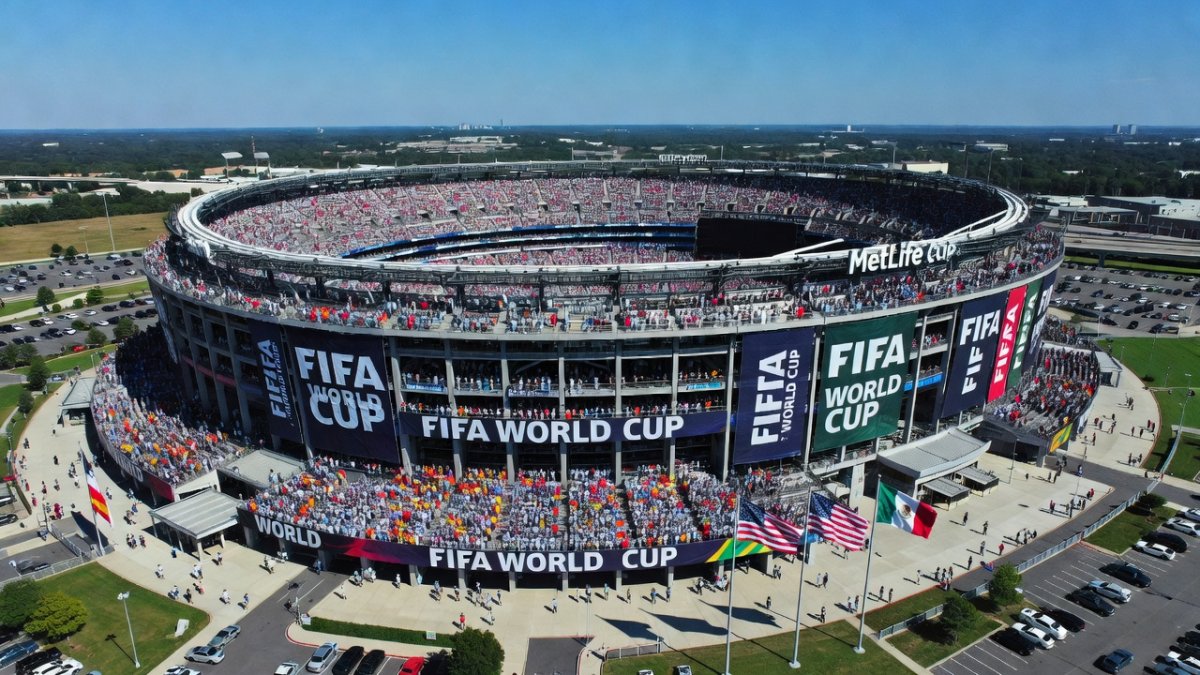
The Final Showdown Unfolds at MetLife Stadium
The pre-game atmosphere at MetLife Stadium pulses with the energy of families who traveled from across North America, many carrying the same flags that waved proudly during Mexico’s group-stage matches at Estadio Azteca. Fans share stories of how the expanded 48-team format brought new rivalries and unexpected heroes, turning every corner of the stadium into a living mosaic of voices cheering for both Messi’s quest for a second World Cup title after his 2022 breakthrough in Qatar and the rise of 18-year-old Lamine Yamal. Security teams move with quiet professionalism, yet the mood remains festive as supporters from Puebla and Guadalajara exchange hugs with those who flew in from Texas border towns.
Yamal’s journey from Barcelona’s youth academy to this final embodies Spain’s multicultural soul, with his Moroccan and Equatoguinean roots reminding Mexican viewers of the shared stories of migration and resilience that connect communities on both sides of the Atlantic. As the clock ticks toward kickoff, the generational duel feels deeply personal: Messi, still chasing that second crown, faces a teenager whose dribbling flair echoes the joy Mexican kids once found watching their own stars before the round-of-16 exit to England. The crowd’s warmth fills the air like the aroma of street food back home, turning a high-stakes match into a celebration of football’s power to unite neighborhoods far from the pitch.
Diplomatic Milestone for North American Leaders
Sheinbaum’s presence at MetLife Stadium alongside Trump and Carney creates the first direct encounter among the three heads of government during the 2026 tournament. Sheinbaum’s decision to fly commercial to New York and return Monday morning reflects the grounded style that resonates with everyday Mexicans who juggle work and family obligations. Her presence alongside Trump and Carney at the final comes as USMCA talks intensify over automotive rules and agricultural quotas, with border communities in Tijuana and Ciudad Juárez watching closely for any signals that could ease permit renewals for seasonal workers. The leaders’ first in-person meeting carries quiet hope that shared moments like this might soften tensions that have slowed infrastructure projects since 2024.
Argentina’s President Javier Milei chose to stay home in his familiar jacket, honoring a personal ritual rather than breaking tradition, while Spain’s Prime Minister Pedro Sánchez joined the official box. Observers note that these contrasting choices highlight how the tournament continues to shape diplomatic rhythms, even as Mexico’s inflation rate dips below the United States’ for the first time in history. For families relying on cross-border ties, the sight of the three leaders together offers a small but meaningful reminder that cooperation can still grow from the most unexpected places.
Mexico Closes Its Co-Host Chapter
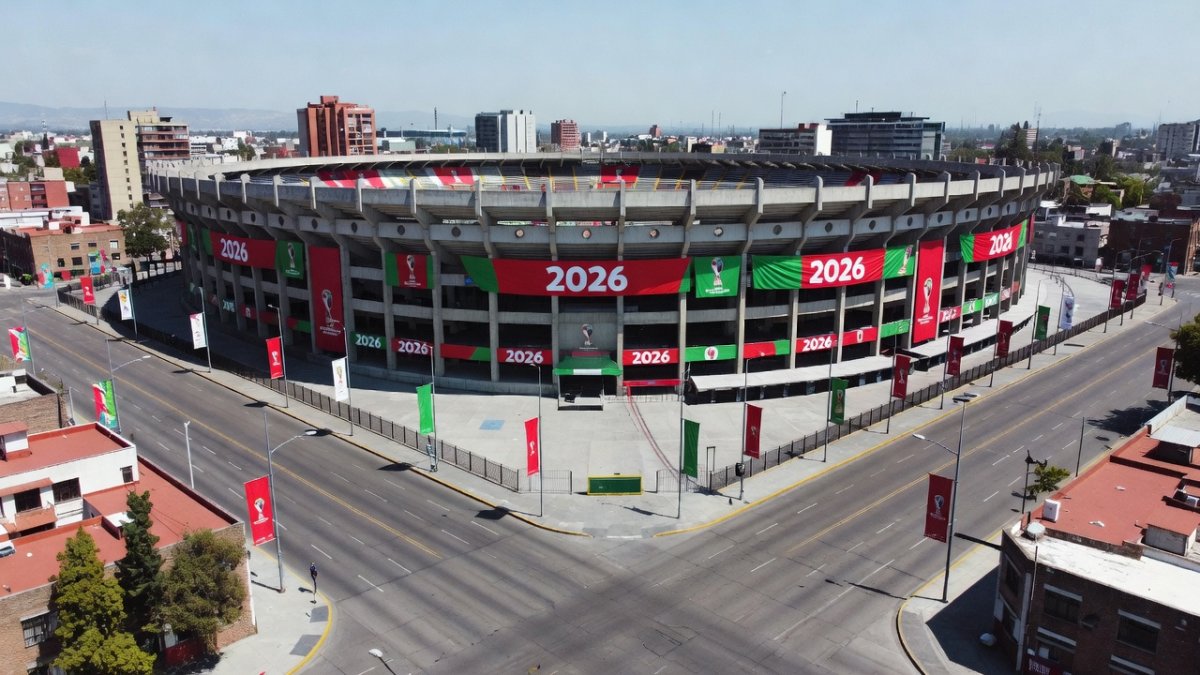
Mexico served as a co-host nation for the 2026 World Cup, staging multiple matches at the iconic Estadio Azteca in Mexico City, including group-stage games that drew over 80,000 spectators each. Estadio Azteca’s role as the only venue to host matches across three World Cups in 1970, 1986, and now 2026 stands as a unique achievement that fills Mexican hearts with pride. The stadium’s towering stands once again welcomed over 80,000 fans for group games, while vendors outside sold tacos al pastor and aguas frescas, generating millions of pesos that supported families from Puebla to Guadalajara. This third chapter closes a circle that began decades ago, when the same concrete walls echoed with cheers that still echo in the memories of grandparents who attended the earlier tournaments.
Local economies in host cities felt the ripple effects through increased sales and temporary jobs, even as protests over high ticket prices led Sheinbaum to give away her opening-ceremony ticket in solidarity. The contrast with 1970 and 1986 feels especially poignant now that Mexico’s inflation sits lower than the United States’, a historic shift that brings cautious optimism to households watching the final from sports bars in Monterrey. As the co-host chapter ends, communities reflect on how the tournament strengthened bonds between neighbors who opened their doors to visiting fans and shared the joy of football long after the last whistle. The final match in New Jersey now concludes Mexico’s official hosting responsibilities that began with the June 11 opening ceremony at Estadio Azteca.
Messi and Yamal Headline a Global Clash
Lionel Messi, 39, captains Argentina in what many expect to be his final World Cup appearance, while 18-year-old Lamine Yamal anchors Spain’s attack with seven goals scored during the tournament. Lamine Yamal’s background as an 18-year-old from Barcelona with Moroccan and Equatoguinean heritage brings a fresh layer of meaning for Mexican fans who see in him the same multicultural spirit that defines many neighborhoods in Mexico City and beyond. His seven goals during the tournament have drawn comparisons to the flair of young talents at clubs like América, reminding viewers that football continues to celebrate stories of migration and identity. Messi’s pursuit of a second World Cup crown after his 2022 triumph in Qatar adds emotional weight, as Latin American audiences follow both players with the same affection once reserved for Mexico’s own stars before their round-of-16 exit.
The matchup resonates deeply because it bridges generations and continents, allowing families gathered around screens in Iztapalapa to discuss how Yamal’s rise mirrors the dreams of their own children. Messi’s experience and Yamal’s youthful fire together represent the living heartbeat of the sport, connecting fans who once celebrated Mexico’s co-hosting role with the same warmth that filled Estadio Azteca. For communities across Mexico, this final feels less like an ending and more like a continuation of the conversations that began when the tournament first arrived on home soil. Millions of Mexican viewers tuned into earlier matches featuring both players, comparing Yamal’s dribbling style to that of Mexico’s own young talents at clubs like Monterrey and América. The matchup carries extra weight for Latin American audiences who have followed Messi’s career since his 2006 debut and now watch Yamal emerge as the next generational star.
Record Ticket Prices Shape Fan Access
Average ticket prices for the 2026 World Cup final exceed $1,500, the highest figure recorded for any single sporting event in United States history. Many Mexican supporters who traveled to New Jersey purchased seats through official FIFA channels months in advance, often pooling family resources from remittances sent from construction jobs in Texas and California. Those unable to afford entry gathered at sports bars in Mexico City and Monterrey to watch the final on large screens, recreating the communal atmosphere that defined Estadio Azteca matches earlier in the tournament.
USMCA Trade and Border Policy Implications
The presence of Sheinbaum, Trump, and Carney at the same stadium raises expectations that trade negotiators will accelerate talks on USMCA dairy and steel provisions before the September 2026 review deadline. Border communities in Sonora and Baja California monitor any signals from the leaders regarding expanded legal work visas, which currently allow 450,000 Mexican seasonal workers to enter the United States each year. Analysts in Mexico City state that positive diplomatic optics at the World Cup could ease tensions that have delayed new cross-border infrastructure projects in Ciudad Juárez since 2024.
Stories from Mexican Communities Watching at Home
In the Iztapalapa neighborhood of Mexico City, families who hosted visiting fans during Estadio Azteca matches now follow the final together, sharing memories of the 2026 tournament’s opening weeks. Remittance data from the Bank of Mexico shows a 4 percent increase in transfers from the United States during June and July 2026, partly attributed to extra income earned by workers attending World Cup games. These personal connections illustrate how the tournament’s conclusion at MetLife Stadium continues to influence daily economic realities for households across central and northern Mexico.
The Trump Factor: An Unprecedented Presidential Role
Donald Trump’s unusually central involvement in planning the trophy ceremony and his intervention in FIFA disciplinary proceedings during the tournament mark a departure from the typical hands-off approach of U.S. presidents at international events. Mexican observers note that these actions place him at the heart of moments traditionally reserved for football officials, creating a new layer of attention around the final that families in border communities watch with a mix of curiosity and hope for smoother relations ahead. The presence of the three North American leaders together now carries added significance as trade talks continue. For many in Mexico, Trump’s visible role underscores how the World Cup has become a stage where politics and sport intersect in unexpected ways, yet the warmth of shared stadium experiences still offers space for dialogue. Communities that benefited from the economic lift of hosting matches see this as another chapter in the long story of U.S.-Mexico ties, where personal connections made during the tournament might help ease future conversations on visas and commerce.
World Cup Rings and a New Tradition
The introduction of World Cup rings for the winners, replacing the traditional medal ceremony, brings a fresh symbol of achievement that fans across Mexico discuss with the same excitement once reserved for the 1986 tournament’s memories. The closing ceremony, featuring major musical performances, promises a vibrant send-off that celebrates the three host nations and the expanded format that allowed more teams to share the global stage. This new tradition feels especially meaningful for families who followed every match from living rooms in Monterrey to sports bars in Mexico City. As the tournament concludes, attention turns to what lies ahead for Mexico, the United States, and Canada, with the rings serving as lasting reminders of the unity forged during these weeks. The shift away from medals marks a modern evolution that still honors the communal spirit that defined Estadio Azteca’s historic third hosting, leaving communities hopeful that the connections built through football will continue long after the final whistle fades.
By Rosa Martinez, Staff Writer
This article was produced with AI-assisted research and editorial support. Reporting is based on sources cited in the article.
What's Your Reaction?
 Like
0
Like
0
 Dislike
0
Dislike
0
 Love
0
Love
0
 Funny
0
Funny
0
 Wow
0
Wow
0
 Sad
0
Sad
0
 Angry
0
Angry
0
Latin America/Andes Correspondent at Global1.News. Based in Bogota, covering politics, environment, energy, and social movements across the Andean region. Passionate about environmental journalism and communities protecting their land.









Comments (0)