
Two US Troops Killed in Iranian Strike on Jordan Base
In a recent BBC News report, confirmed that two US service members were killed and a third remains missing after Iranian ballistic missile and drone strikes targeted a US military base in Jordan. The attack marks the first American combat deaths since the US-Iran ceasefire collapsed less than a month after it was signed, and has triggered an eighth consecutive night of US airstrikes against Iranian positions. Two US Troops Killed, One Missing in Iranian Strike on Jordan Base — Airs...
In a recent BBC News report, confirmed that two US service members were killed and a third remains missing after Iranian ballistic missile and drone strikes targeted a US military base in Jordan. The attack marks the first American combat deaths since the US-Iran ceasefire collapsed less than a month after it was signed, and has triggered an eighth consecutive night of US airstrikes against Iranian positions.
Two US Troops Killed, One Missing in Iranian Strike on Jordan Base — Airstrikes Enter Eighth Night
Washington, DC — 19 July 2026 — Two US service members were killed and a third remains missing after Iranian ballistic missile and drone attacks struck a US military base in Jordan on Friday, the first American combat deaths since the US-Iran preliminary ceasefire collapsed last month. Centcom confirmed the deaths on Saturday while announcing a fresh wave of retaliatory airstrikes targeting the Islamic Revolutionary Guard Corps. The strikes — the eighth consecutive night of US bombing — are designed to degrade Iran's ability to threaten shipping as the conflict enters its most dangerous phase since February.
The Attack and Immediate Response
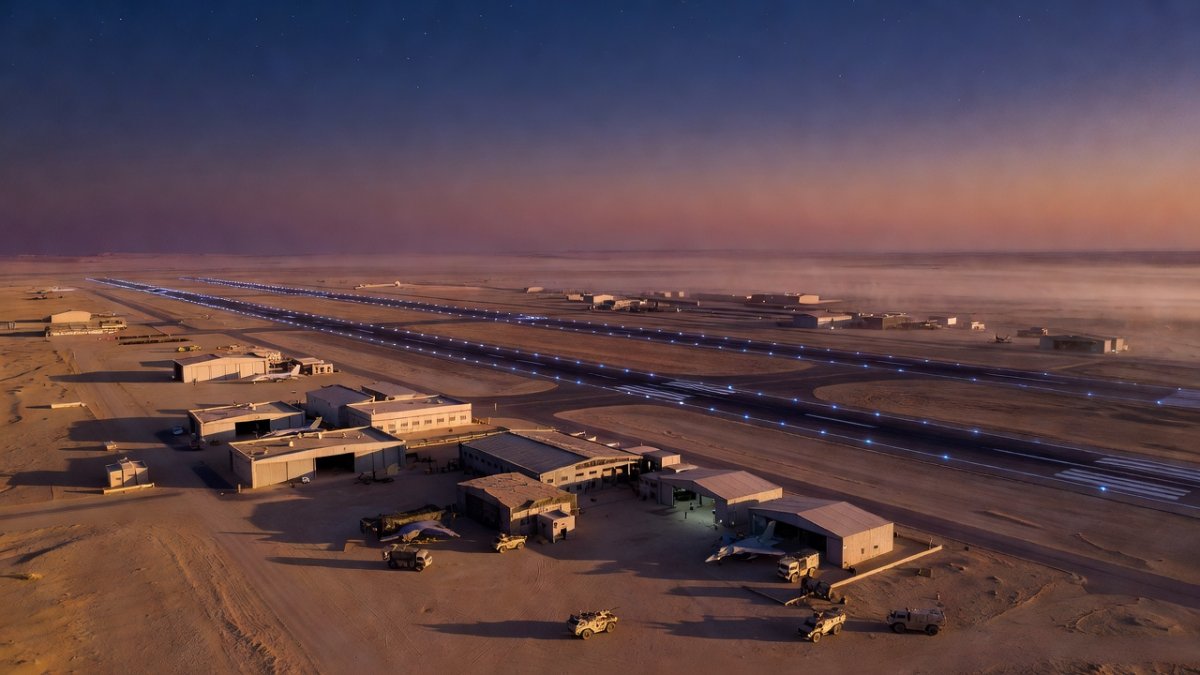
Centcom confirmed two US service members were killed in action defending against Iranian ballistic missile and drone attacks in Jordan. Four others were medically evacuated to Jordan hospitals but have since been discharged. The identities of the fallen have not been disclosed pending next-of-kin notification. On Saturday night, President Trump ordered another round of airstrikes against Iran — the eighth consecutive night of bombing — with Centcom stating the strikes were "designed to further degrade Iran's ability to threaten commercial shipping in the Strait of Hormuz." The statement explicitly linked the strikes to punishing IRGC forces for the Jordan attack. Jordan's air defenses intercepted ten incoming Iranian missiles during the assault, preventing any reported damage to civilian or military infrastructure on the ground.
The IRGC countered by claiming it had destroyed at least two US fighter aircraft at Al-Azraq base in Jordan, according to Iranian state media. Centcom declined to add further details when contacted by the BBC. The conflicting narratives reflect the information war being waged alongside the military campaign, with both sides seeking to shape domestic and international perception of who holds the battlefield advantage. US Defense Secretary Pete Hegseth issued a statement honoring the fallen, declaring "Godspeed, heroes. Their sacrifice only stiffens our resolve."
The Collapse of the Ceasefire
Washington and Tehran had struck a preliminary deal in June after four months of devastating conflict that killed thousands. The agreement unravelled within weeks. Trump declared the agreement "over" on July 8, and within days the US had reimposed its naval blockade of Iranian ports. Tehran responded by declaring the Strait of Hormuz — through which roughly a fifth of the world's oil and liquefied natural gas ordinarily passes — closed to commercial shipping. The diplomatic window, which had raised hopes of de-escalation across the Middle East, closed with alarming speed. Mutual accusations of violations eroded trust almost immediately after the June signing.
Analysts suggest the rapid breakdown stemmed from incompatible demands over shipping fees and verification mechanisms. Iran's missile capabilities remained intact despite earlier US strikes, allowing Tehran to maintain leverage. The reimposition of the blockade prompted five commercial vessels to be redirected and one to be disabled, according to Centcom reports. This sequence of events has left both capitals locked in a cycle of retaliation with little room for renewed talks.
Khamenei's Warning and Iranian Strategy
Iran's Supreme Leader Mojtaba Khamenei issued a written statement late on Saturday accusing the United States of "repeated breaches" of the agreement that had "laid bare a fundamental truth: the signature of the US president is utterly worthless and devoid of credibility." Khamenei, who has not been seen in public since the February airstrike that killed his father Ali Khamenei at the start of the war, accused Washington of seeking to "escalate the conflict" and warned that Iran had "unforgettable lessons in store for it." Jordan's military intercepted 10 Iranian missiles overnight without damage. Khamenei's language — unusually direct and personal — signals that Tehran sees the current escalation as existential.
The IRGC has positioned additional missile units along the coast in recent days, according to regional monitoring. This posture aims to deter further US naval movements while signaling readiness for sustained operations. Iranian officials have framed the Jordan strike as a direct response to the renewed blockade, emphasizing that commercial shipping routes remain under their influence despite international pressure.
Casualties and Humanitarian Toll
The US death toll in the conflict has risen to 16, after an American Navy pilot who went missing earlier this month was declared dead — the second increase in the toll this week. Iran's health ministry reported at least 50 people killed and more than 500 injured in US strikes over the past three weeks. Iranian state media, citing official figures, put the total death toll since February 28 at several thousand, with the vast majority in Iran and Lebanon. US Defense Secretary Pete Hegseth responded: "Godspeed, heroes. Their sacrifice only stiffens our resolve." The State Department issued a worldwide travel notice advising Americans to exercise "increased caution," particularly in the Middle East.
Medical facilities in affected Iranian provinces continue to report strain from the cumulative impact of repeated airstrikes. International aid organizations have called for safe corridors, though access remains limited. The humanitarian consequences extend beyond direct casualties to include disrupted supply chains and power outages in multiple regions.
The Strait of Hormuz Crisis and Energy Markets
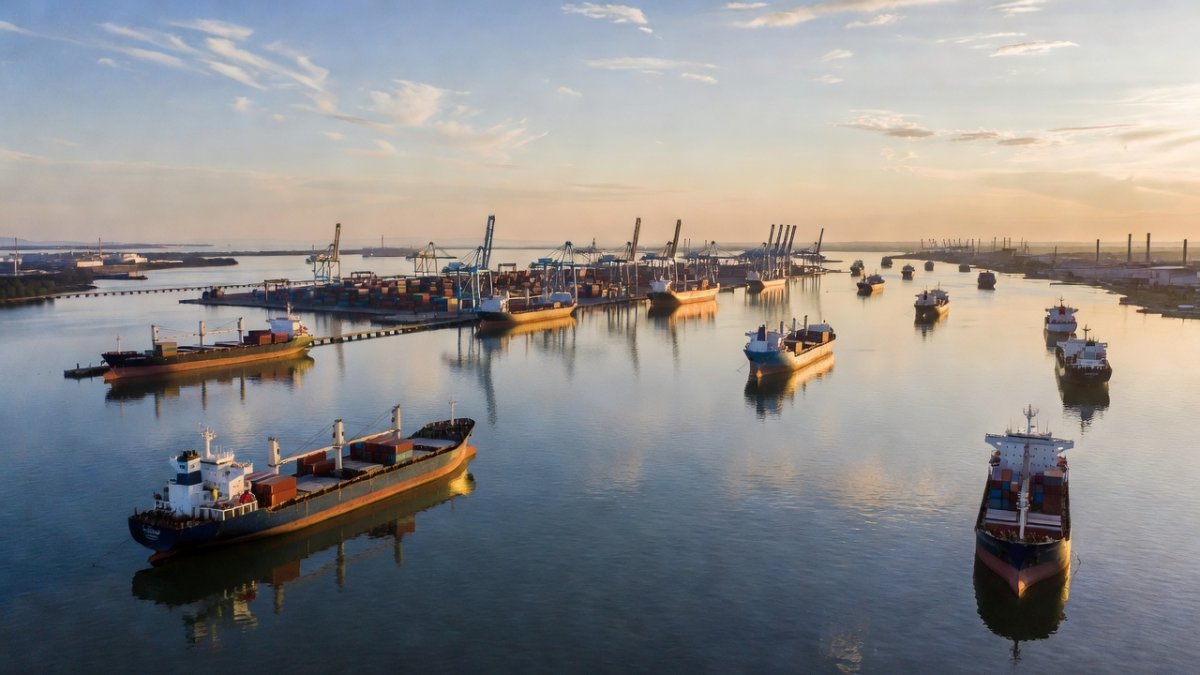
The Strait of Hormuz crisis has deepened dramatically. Centcom said five commercial vessels had been "redirected" and one disabled under the reimposed US blockade. Iran's closure of the strait has brought traffic through the vital shipping channel to a halt. Trump on Monday proposed a 20% fee on all vessels transiting the strait, including those of US allies — before abandoning the idea on Tuesday, saying it would be replaced by trade deals with Gulf allies. Global oil markets have reacted with extreme volatility. For Russia and China, the Hormuz blockade presents both a strategic headache and an opportunity: higher energy prices benefit Russian exports, but Beijing's dependence on Gulf oil leaves it exposed.
Chinese officials have urged restraint in public statements while quietly exploring alternative supply routes through overland corridors. Russian energy firms stand to gain from sustained price increases, though broader sanctions risks could offset short-term advantages. The situation underscores shifting global power dynamics as both Moscow and Beijing navigate the fallout from disrupted maritime trade.
Gulf States Caught in the Crossfire
The Gulf Cooperation Council accused Tehran of deliberately targeting civilian infrastructure. Kuwait reported that a power plant and water distillation plant had been hit by Iranian strikes. Jasem Mohamed Albudaiwi, the GCC secretary-general representing Saudi Arabia, Kuwait, Qatar, Bahrain, UAE and Oman, said such action amounted to "war crimes." Under international law, attacking civilians or civilian areas is illegal, though civilian objects can lose their protection if used to support an enemy's war effort. The strikes on Gulf infrastructure represent a dangerous escalation — Tehran is demonstrating that it can and will strike US allies to widen the front.
Gulf states have increased defensive postures at key facilities while coordinating with US forces on maritime security. Jasem Mohamed Albudaiwi emphasized that the targeting of essential services threatens regional stability beyond the immediate combatants. These developments have prompted emergency meetings among GCC members to assess collective responses.
Analysis — The Escalatory Spiral
The killing of US troops on Jordanian soil represents a dangerous inflection point in a conflict that has already seen extraordinary violence. The collapse of the June ceasefire within weeks of its signing demonstrates the depth of mutual distrust between Washington and Tehran. Each side's logic of escalation — the US bombing to force Iran back to talks, Iran striking US allies to demonstrate its reach — creates a cycle that becomes increasingly difficult to break. The humanitarian toll continues to mount across the Middle East, with no clear diplomatic off-ramp in sight. Russia watches from the sidelines, benefiting from higher energy prices while warning of wider regional catastrophe. The coming days will determine whether this escalation burns out or expands into a broader Middle Eastern conflagration.
Regional powers remain wary of being drawn deeper into the confrontation. Diplomatic channels appear frozen, leaving military momentum as the dominant force. Observers note that sustained operations risk miscalculation on multiple fronts, particularly given the involvement of proxy networks and naval assets in confined waters. For Moscow, the crisis presents a strategic dilemma: higher energy revenues flow from the Hormuz disruption, but the precedent of great-power blockade warfare sets an uncomfortable template that could one day be applied to Russian maritime interests in the Baltic or Black Sea. The window for renewed diplomacy appears closed for now, with both sides betting that military pressure will produce better terms than the negotiating table could offer.
By Irina Volkov, Staff Writer
This article was produced with AI-assisted research and editorial support. Reporting is based on sources cited in the article.
What's Your Reaction?
 Like
0
Like
0
 Dislike
0
Dislike
0
 Love
0
Love
0
 Funny
0
Funny
0
 Wow
0
Wow
0
 Sad
0
Sad
0
 Angry
0
Angry
0

Russia/Eastern Europe Correspondent at Global1.News. Covering Russian politics, energy, security, and the shifting dynamics of the post-Soviet space. Provides clear-eyed analysis on one of the world's most opaque regions.














Comments (0)