
Netanyahu's US Utility Wanes as Knesset Dissolves
John Kavulich discusses Netanyahu's transactional value to Washington amid Knesset dissolution, diverging Iran war goals, and the escalating Hormuz crisis. Analysis of the Al Arabiya English segment on US-Israel relations and the October 2026 Israeli elections.
The July 17, 2026 Al Arabiya segment laid bare a transactional truth: Netanyahu serves American interests only until those interests pivot toward de-escalation. With the Knesset dissolved and the Iran war entering its fifth month, the gap between Washington’s containment aims and Jerusalem’s pursuit of decisive victory has widened into open friction. This moment echoes past U.S.-Israel divergences yet carries fresh weight amid oil-market volatility and regional economic stakes.
Netanyahu Utility to US Faces New Test in Iran War
Beirut, Lebanon — Article continues...
The Segment and Its Timing
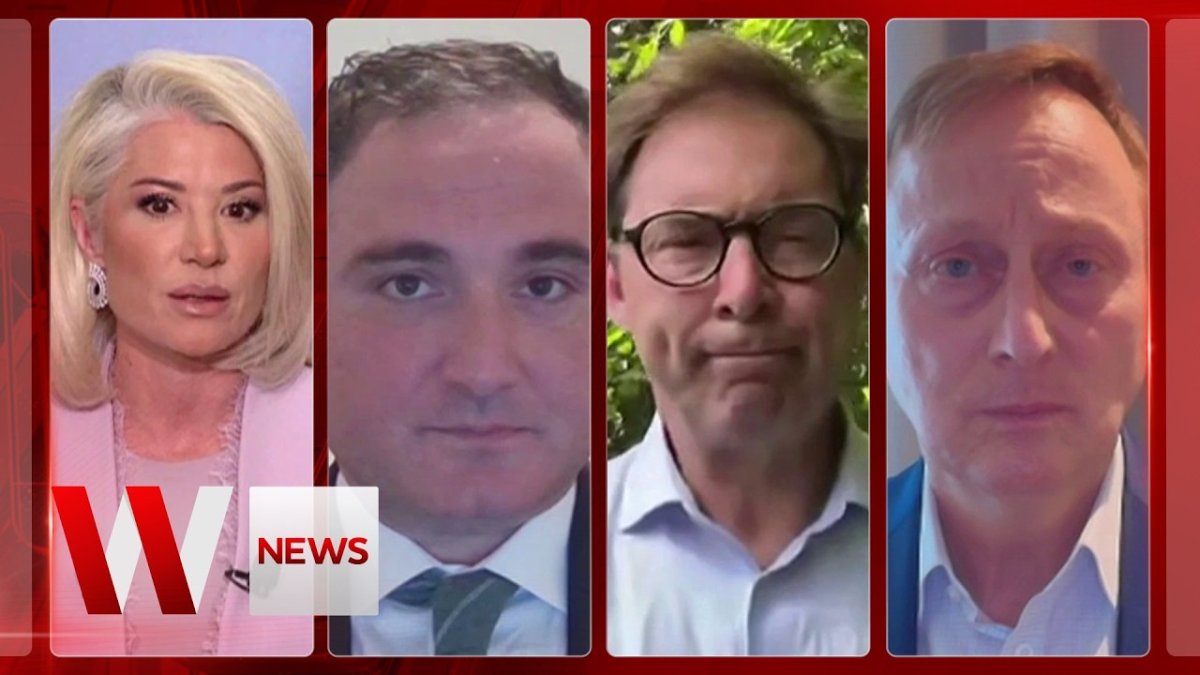
On July 17, 2026, Al Arabiya English aired a pointed segment titled "Netanyahu Is Useful Until He's Not to the Americans." John Kavulich, Senior Editor for Outcome Modeling Analysis at Issue Insight and spokesman for Republicans Overseas, delivered the core argument. The broadcast coincided exactly with the Israeli Knesset's dissolution, the first full-term dissolution since 1988.
Knesset Dissolution Details
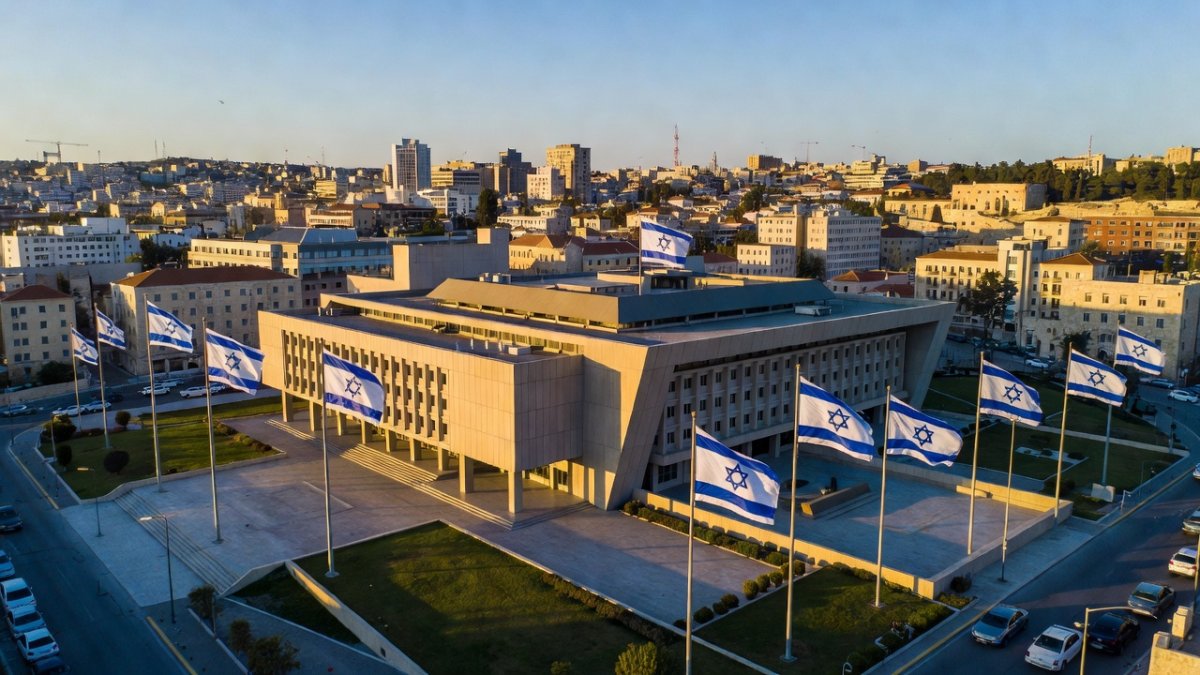
The Knesset voted 62-0 to dissolve itself. Opposition members boycotted the session. Netanyahu had secured passage of the Party Funding Law, military service draft laws, and media regulation bills to keep coalition partners in line before the vote. These measures locked in support from smaller parties ahead of the October 27, 2026 elections.
Current polling shows Likud trailing former military chief Gadi Eizenkot. The opposition bloc sits two seats short of a majority. These figures reflect voter fatigue after months of war and domestic legislation controversies.
The 2026 Iran War Backdrop
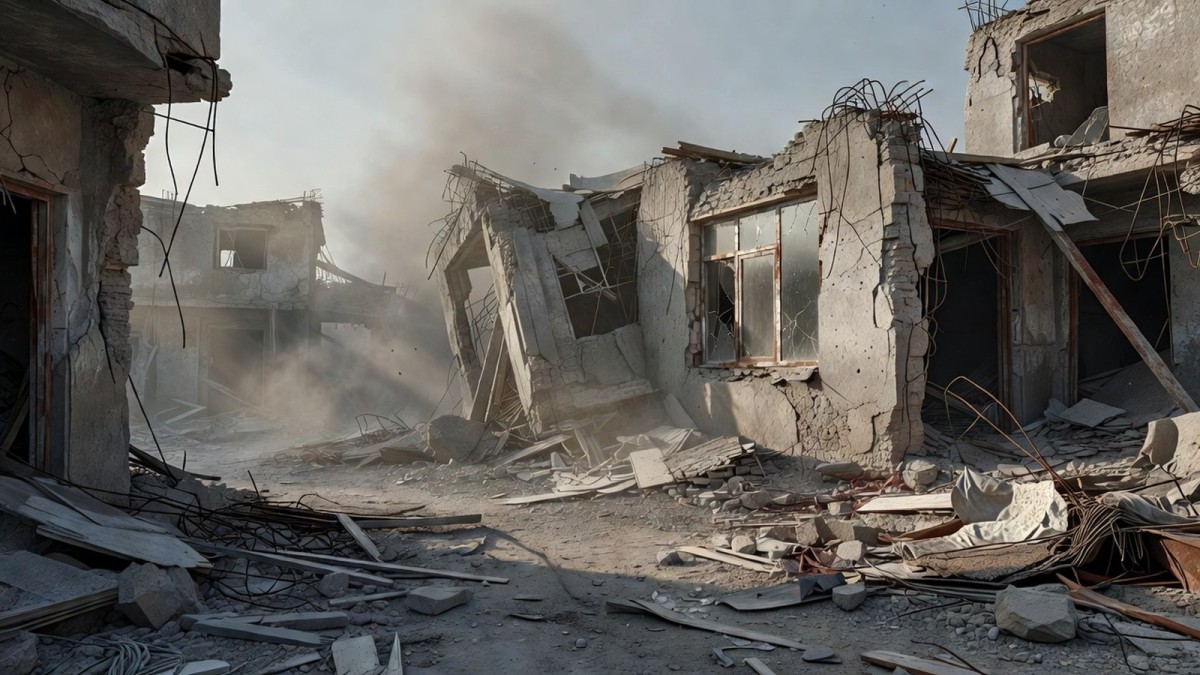
The dissolution occurs in the fifth month of the Iran war that began February 28, 2026. US forces have conducted strikes on Iranian targets for eight consecutive nights. Two US soldiers were killed in Jordan on July 18, 2026, by Iranian missile attacks. Oil prices have surged due to tensions over a potential Strait of Hormuz blockade.
Diverging US and Israeli Objectives
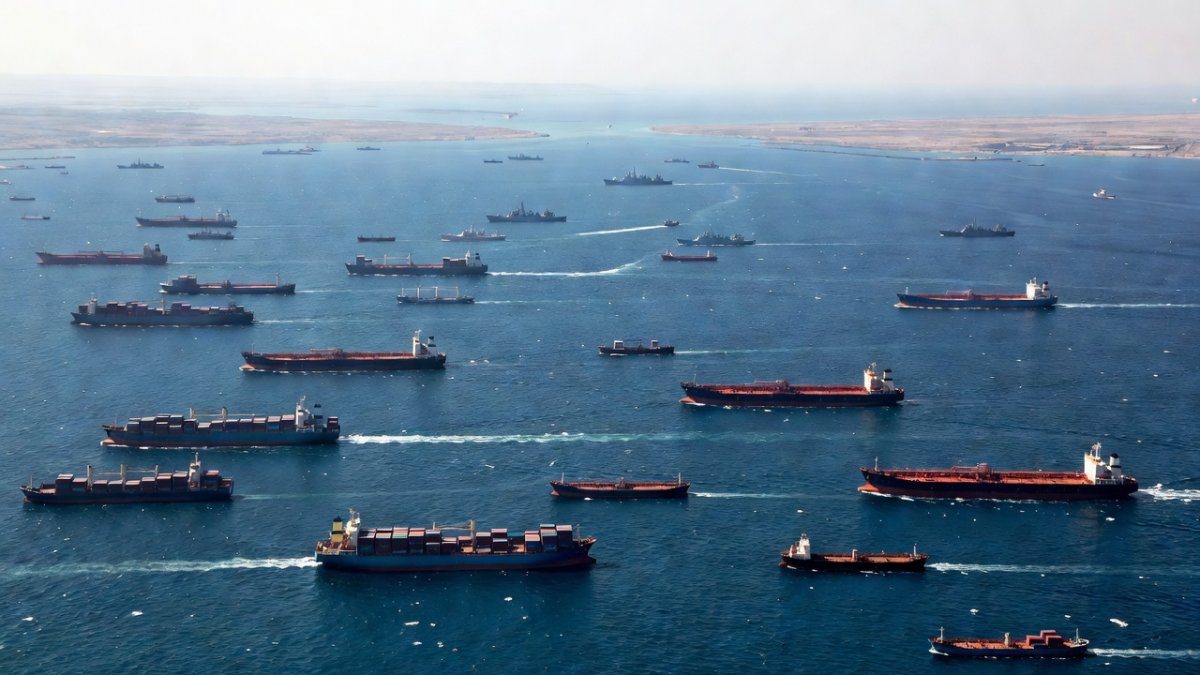
President Trump stated that US objectives for ending the conflict "might be a little different" from Netanyahu's. Washington seeks containment and an exit strategy. Israeli leadership continues to press for decisive military victory against Iran's nuclear and missile programs. This gap in goals has produced visible friction over operational tempo and targeting priorities.
Historical Context of US-Israel Relations During Conflicts
During the 1973 Yom Kippur War, the Nixon administration authorized an emergency airlift of 22,000 tons of military supplies starting October 14, yet Secretary of State Henry Kissinger simultaneously pursued shuttle diplomacy that pressured Israel to halt advances short of Damascus and Cairo. Israeli forces had crossed the Suez Canal and encircled Egypt's Third Army, prompting Washington to enforce a ceasefire on October 22 that left Israeli commanders frustrated over unachieved strategic objectives.
The 2006 Lebanon War illustrated similar friction when the Bush administration initially backed Israel's operations against Hezbollah but shifted by mid-August toward a UN-brokered ceasefire after 33 days of fighting. Condoleezza Rice publicly described the conflict as the "birth pangs of a new Middle East," yet behind-the-scenes calls from the White House urged Prime Minister Ehud Olmert to accept Resolution 1701 limits on ground operations.
Netanyahu's March 3, 2015 address to a joint session of Congress against the emerging Iran nuclear framework further highlighted executive-legislative divides, as the Obama White House finalized the JCPOA in July 2015 despite Israeli objections. Successive US administrations have repeatedly supplied advanced munitions while imposing timelines or red lines that diverge from Israeli threat assessments. These historical patterns now frame the current divergence, where coalition survival tactics inside Israel intersect directly with external U.S. pressure for restraint.
Netanyahu's Coalition Survival Strategy
Netanyahu's legislative maneuvers have centered on securing fiscal and regulatory concessions that directly benefit smaller coalition partners, particularly through allocations that strengthen ultra-Orthodox and nationalist factions ahead of any early vote. These moves involve delicate balancing acts where concessions on draft exemptions for Haredi communities have been traded for support on judicial reforms and settlement expansion policies favored by Religious Zionism and Otzma Yehudit representatives.
Internal coalition dynamics reveal ongoing tensions between Shas and United Torah Judaism over the precise scope of yeshiva funding increases, with both parties demanding additional NIS allocations beyond the reported party financing framework. Netanyahu has also navigated demands from Otzma Yehudit for accelerated West Bank outpost legalization in exchange for backing media oversight measures that shield aligned broadcasters from regulatory scrutiny.
Analysts note that the strategy risks long-term erosion of Likud's electoral base, as repeated reliance on sectoral legislation has shifted public perception toward governance paralysis rather than decisive wartime leadership.
Kavulich's Transactional Assessment
Kavulich framed the US-Israel relationship as strictly transactional. In his view, Netanyahu remains useful to Washington only while his government delivers results aligned with American interests. Once those interests shift toward de-escalation, the utility calculation changes. The segment highlighted how coalition survival tactics inside Israel now intersect with this external pressure.
Broader Middle East Repercussions
Saudi Arabia's Vision 2030 economic diversification plan faces direct headwinds from prolonged US-Israel friction, as Crown Prince Mohammed bin Salman has prioritized de-escalation to attract foreign direct investment exceeding $1 trillion in non-oil sectors. Riyadh has quietly urged Washington to clarify exit parameters that would reduce Iranian proxy activity along the Yemen border.
The UAE has expressed parallel concerns over Hormuz-related disruptions, given that Dubai's Jebel Ali port handles over 15 million TEUs annually and serves as a hub for re-export trade with Asian markets. Jordan balances hosting US forces at bases like Al-Azraq with domestic pressures from Iranian-backed groups threatening cross-border retaliation.
Egypt's reliance on Suez Canal revenues, which totaled $9.4 billion in the previous fiscal year, adds another layer of regional calculation as Houthi threats in the Red Sea divert shipping around the Cape of Good Hope. These cross-border economic vulnerabilities underscore why Gulf and Levantine capitals now view Washington’s containment priority as the decisive variable.
Energy Markets and the Hormuz Factor
Oil markets have registered sustained volatility as traders price in the possibility of Iranian mining operations or Revolutionary Guard interdictions that could remove up to 21 million barrels per day from global supply. Gulf sovereign wealth funds, including Saudi Arabia's Public Investment Fund and Abu Dhabi's Mubadala, have begun reallocating portions of their combined $4 trillion-plus portfolios toward energy transition assets.
OPEC+ coordination has grown strained, with Saudi Arabia and the UAE advocating for measured production increases to stabilize prices while Iran faces secondary sanctions that curtail its ability to export beyond 1.5 million barrels daily. Shipping insurers have imposed war-risk premiums exceeding $200,000 per transit for vessels entering the Gulf.
Global energy security assessments now incorporate scenarios where a six-month closure of the Strait of Hormuz could trigger recessionary pressures in import-dependent economies.
Regional Strategic Calculus
Lebanon, Jordan, and Gulf states watch the US-Israel divergence closely. A prolonged Israeli campaign risks drawing Hezbollah and other non-state actors into wider fighting. Gulf producers face direct economic pain from Hormuz disruptions. Regional capitals therefore calculate that Washington may prioritize rapid stabilization over Israeli maximalist goals.
The October 2026 Election Landscape
Gadi Eizenkot's National Unity party has positioned itself around a platform emphasizing professional military oversight of the Iran campaign, drawing on his tenure as IDF Chief of Staff from 2015 to 2019 when he oversaw operations against Hezbollah and Iranian entrenchment in Syria.
Formation of a narrow coalition would likely require support from Arab-led lists including Ra'am and Hadash-Ta'al, whose leaders have signaled willingness to join centrist blocs in exchange for increased budget allocations to Arab municipalities.
With the election scheduled for October 2026, Netanyahu retains authority over interim military authorizations until a new government is sworn in, including decisions on reserve call-ups and munitions procurement that could lock in operational momentum.
Outlook and Constraints
October 27 elections remain the next fixed point. Any new Israeli government will inherit the same war and the same US pressure for an exit. Netanyahu's legislative maneuvers bought short-term coalition stability but did not resolve the deeper strategic mismatch with Washington. The coming months will test whether Israeli voters reward continuity or seek leaders more aligned with American containment priorities.
By Malik Hassan, Staff WriterThis article was produced with AI-assisted research and editorial support. Reporting is based on sources cited in the article.
What's Your Reaction?
 Like
0
Like
0
 Dislike
0
Dislike
0
 Love
0
Love
0
 Funny
0
Funny
0
 Wow
0
Wow
0
 Sad
0
Sad
0
 Angry
0
Angry
0

Middle East Correspondent at Global1.News. Based in Beirut, covering politics, conflict, energy, and society across the Middle East. Brings context and depth to a region often reduced to headlines.













Comments (0)