
Nollywood's June 2026 Lineup: Political Drama, Streaming Hits, and Cross-Cultural Stories
As a Senegalese journalist who has followed African storytelling for years, I find the June 2026 Nollywood releases offer a window into how our continent's cinema continues to mature. These films blend personal stories with larger questions about democracy, family, and identity, reaching audiences through cinemas, streaming platforms, and local productions. From Lagos to Dakar,
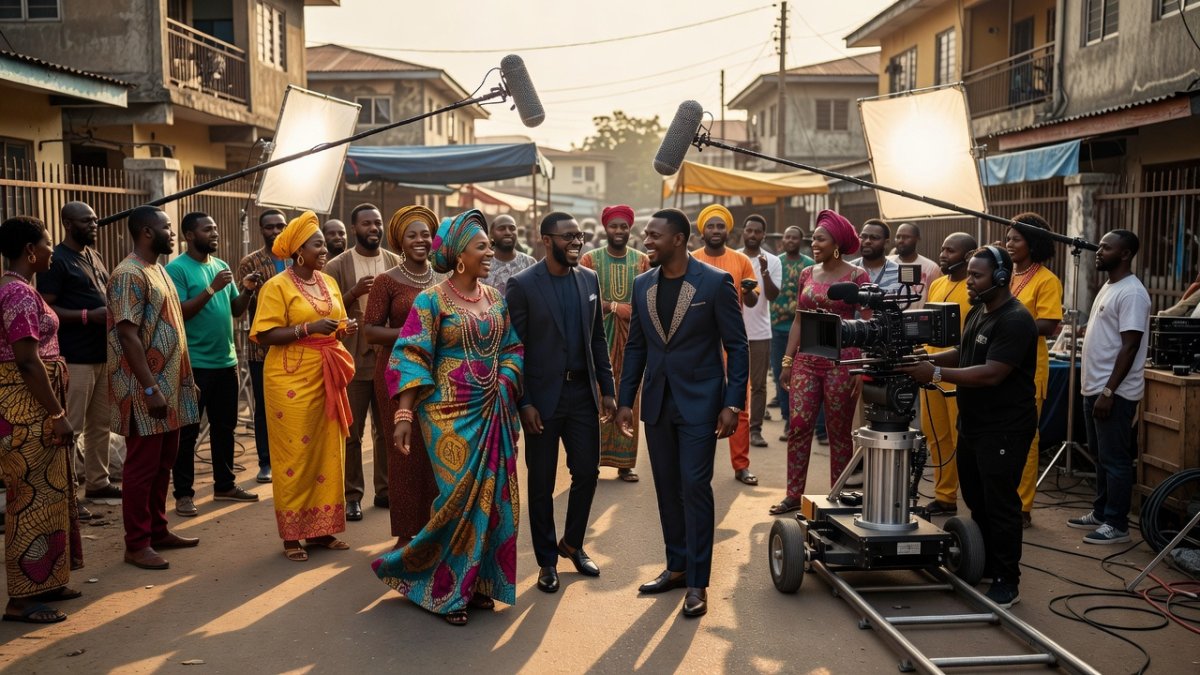
As a Senegalese journalist who has followed African storytelling for years, I find the June 2026 Nollywood releases offer a window into how our continent's cinema continues to mature. These films blend personal stories with larger questions about democracy, family, and identity, reaching audiences through cinemas, streaming platforms, and local productions. From Lagos to Dakar, viewers are engaging with narratives that echo shared West African experiences of political change and cultural exchange.
Streaming Thrillers That Keep Audiences Connected
Blood Sisters Season 2 arrives on Netflix on June 5, bringing back a cast that includes Ini Dima-Okojie, Nancy Isime, Kate Henshaw, Uche Jombo, Kehinde Bankole, Genoveva Umeh, Bolaji Ogunmola, and Anita Asuoha, known as Real Warri Pikin. The return of this thriller series shows how Nigerian productions have secured space on global platforms while staying rooted in local tensions and relationships. In Senegal, families often gather around screens to watch similar stories, discussing the bonds of sisterhood that cross borders and generations.
This season continues a pattern where streaming services allow West African creators to reach viewers in real time, whether in urban centers or rural areas with improving internet access. The ensemble cast reflects the diversity of Nigerian talent, much like how Senegalese theater groups draw from multiple ethnic backgrounds to tell unified tales.
Political Dramas That Examine Democratic Journeys
My Father's Shadow opens in cinemas on June 5, directed by Akinola Davies Jr. The story follows two brothers navigating Lagos during Nigeria's 1993 election crisis alongside a father they barely know, as political chaos unfolds. The cast features Sope Dirisu, Olarotimi Fakunle, Martha Ehinome Orhiere, and Patrick Diabuah, and the film has already earned multiple international awards. Such works remind us across West Africa how elections shape daily life, from market conversations in Dakar to family debates in Abuja.
The setting in 1993 invites reflection on the long road toward stable governance, a theme familiar in Senegal where citizens recall their own transitions with both pride and caution. By focusing on family bonds amid national upheaval, the film connects personal healing to collective memory, offering viewers a chance to consider how past events still influence present choices in economies and communities.
Stories of Women Rising in Indigenous Languages
Iyalode premieres on June 11 through KAVA as a Yoruba-language drama produced by Toyin Abraham and Kolawole Ajeyemi. It centers on a woman fighting to reach the top of her kingdom, with performances by Toyin Abraham, Muyiwa Ademola, Gabriel Afolayan, Iyabo Ojo, Bukky Wright, and Kehinde Bankole. Language choices like this preserve cultural depth while inviting broader African audiences to appreciate regional flavors.
In my own country, Wolof and other local tongues carry similar tales of resilience, and this production highlights how women navigate power structures. The theme resonates with economic realities where female leadership in markets and households drives communities forward, linking Nigerian and Senegalese experiences of strength amid tradition.
Activism and the Cost of Freedom Explored on Screen
Kalakiri: The Price of Freedom reaches cinemas on June 12, directed by Chika C. Onu. The plot follows a pro-democracy activist who disappears on the eve of a presidential nomination, starring Nancy Isime, Charles Okocha, Segun Arinze, Caleb Richard, and Aisha Mohammed. This narrative draws attention to the risks faced by those who push for change, a reality known throughout West Africa where activists balance hope with personal sacrifice.
Viewers in Senegal might see parallels to local movements that have shaped our political landscape, where ordinary citizens step forward during pivotal moments. The film adds to conversations about accountability and the value of sustained civic engagement, grounding abstract ideals in human stories that feel immediate and relevant.
Cross-Cultural Romances That Expand Horizons
On Different Grounds arrives in cinemas on June 12 as a Nollywood-Bollywood romantic comedy directed by Mildred Okwo. It presents a cross-cultural love story that experiments with blending two major film industries. Such collaborations point to growing exchanges between African and Asian creators, opening doors for new audiences and creative influences.
From a Senegalese viewpoint, these partnerships mirror the way our music and fashion already travel across continents, enriching daily life with fresh perspectives. The romantic comedy format makes complex cultural meetings accessible, encouraging laughter while quietly exploring identity and belonging in an interconnected world.
Industry Moments That Shape the Larger Picture
Alongside these releases, recent industry notes include the passing of Alexx Ekubo at age 40 after an illness, a reminder of the personal toll within creative circles. At the 2026 AMVCA, Lateef Adedimeji dedicated his win to his wife Mo Bimpe, who had just welcomed triplets, highlighting family support that sustains artists across the continent. These details sit alongside the June lineup, showing how personal milestones intersect with professional output.
Together, the films illustrate an evolution where political reflection meets entertainment, indigenous voices gain platforms, and cross-border experiments thrive. In West Africa, from Senegal's vibrant cultural scenes to Nigeria's bustling productions, such works strengthen connections and invite ongoing dialogue about our shared futures.
By Amara Diop, Staff WriterThis article was produced with AI-assisted research and editorial support. Reporting is based on sources cited in the article.
What's Your Reaction?
 Like
0
Like
0
 Dislike
0
Dislike
0
 Love
0
Love
0
 Funny
0
Funny
0
 Wow
0
Wow
0
 Sad
0
Sad
0
 Angry
0
Angry
0
Canada Correspondent at Global1.News. Based in Toronto, covering Canadian politics, energy, trade, and US-Canada relations. Provides the Canadian perspective on North American and global affairs.












Comments (0)