
Child Stunting Hits 25% in Philippines, First Rise in Decade
The Sudden Reversal in Child Nutrition Trends Child stunting in the Philippines has climbed back to 25 percent in 2025, marking the first increase in ten years according to the latest nationwide survey from the DOST-Food and Nutrition Research Institute. This means that roughly one in every four children under five years old is too short for their age because of long-term under
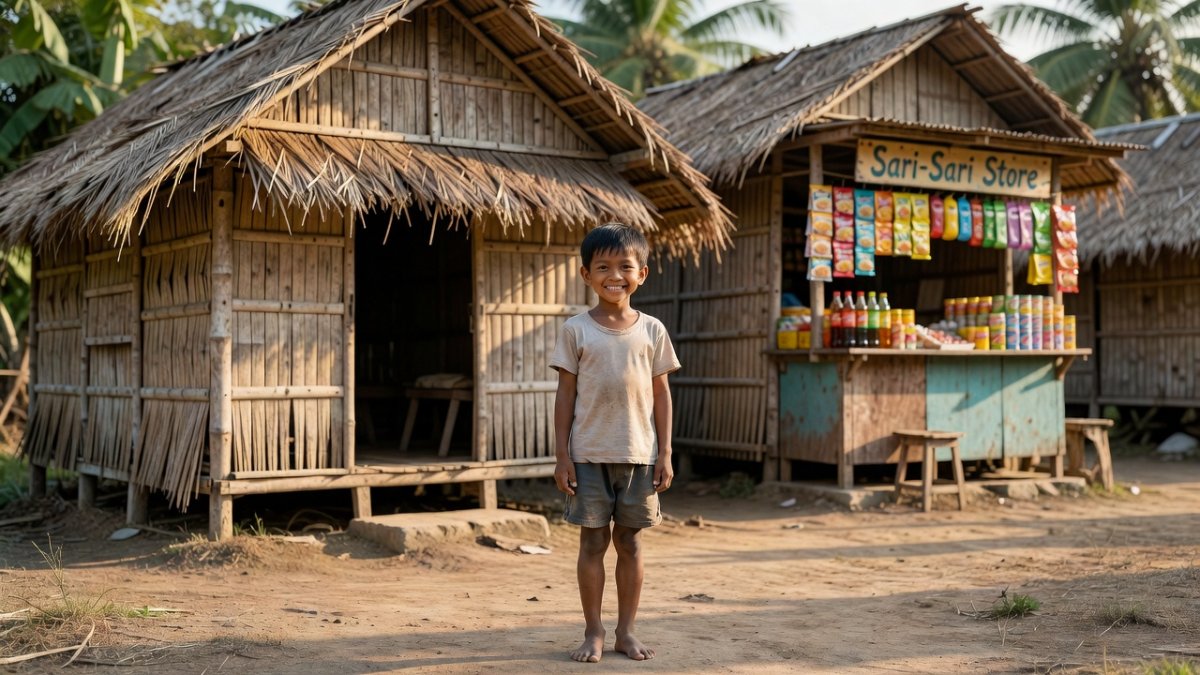
The Sudden Reversal in Child Nutrition Trends
Child stunting in the Philippines has climbed back to 25 percent in 2025, marking the first increase in ten years according to the latest nationwide survey from the DOST-Food and Nutrition Research Institute. This means that roughly one in every four children under five years old is too short for their age because of long-term undernourishment. The figure rose 1.7 percentage points from 2023 and now falls into the range the World Health Organization calls a high public health concern.
For families in barangays across the country, these numbers are not abstract. They represent children who may struggle to keep up with playmates or later with lessons in school. The survey, conducted between April 23, 2025 and March 31, 2026, shows the steady progress made since 2015 has been interrupted, leaving parents and kapitbahays worried about what comes next for their little ones.
Why Early Nutrition Shapes Success in the Classroom
The Second Congressional Commission on Education, known as EDCOM 2, has linked this nutrition setback directly to the country's learning crisis. Children who arrive in Grade 1 already stunted often face disadvantages in language development, attention, and basic numeracy. Rep. Roman Romulo, EDCOM 2 co-chair and chair of the House basic education committee, put it plainly: the increase after a decade of decline should serve as a wake-up call.
Ordinary Filipino households feel this connection every school day. A child who cannot focus because of chronic hunger may fall behind in reading circles or struggle during group activities. EDCOM 2 research shows these early gaps are difficult to close later, no matter how dedicated teachers and parents try to help. Families in rural areas, where stunting sits at 28 percent compared with 23 percent in cities, often see this play out in their own children and neighbors.
Regional Differences That Hit Some Communities Harder
Stunting rates vary sharply across the archipelago. The Bangsamoro Autonomous Region in Muslim Mindanao recorded 36 percent, the Zamboanga Peninsula 34 percent, the Negros Island Region 31 percent, and MIMAROPA 30 percent. These figures remind us that geography and local economies still shape how easily families can put nutritious food on the table.
In these areas, tricycle drivers, small farmers, and sari-sari store owners watch the same pattern repeat across generations. Older children are not spared either. The survey found stunting at 19 percent among five- to ten-year-olds and 21 percent among adolescents aged ten to nineteen. When entire provinces carry higher burdens, the effects ripple through classrooms, future job prospects, and the quiet hopes parents hold for their kids.
How Families Stretch Limited Resources Every Day
Food insecurity affects one-third of Filipinos, with many turning to familiar coping strategies. Sixty-five percent of those households buy food on credit, most often from the neighborhood sari-sari store, while 69 percent borrow from relatives to make sure there is something to eat. These quiet arrangements keep meals on the table but also add pressure to already tight budgets.
Think of a mother in a coastal barangay who keeps a running tab at the corner store so her children can have rice and a bit of fish. Or the jeepney driver who asks his brother for a small loan before payday. These everyday acts of bayanihan show resilience, yet they also highlight how close many families live to the edge when prices rise or work becomes scarce. The survey data makes clear that moderate to severe food insecurity remains a daily reality for millions.
The Added Strain on Expectant Mothers
Seventeen percent of pregnant women were flagged as nutritionally at-risk in the same DOST-FNRI survey. This raises the chance of complications during pregnancy and increases the likelihood that newborns will weigh less than they should. For young couples preparing for their first child, the finding adds another layer of concern to an already anxious time.
In many communities, extended families rally around the expectant mother with traditional dishes and extra care. Yet when resources are stretched, even these supports can fall short. The data suggests that addressing stunting requires looking beyond the child alone and supporting the whole household, including the women who carry the next generation.
Looking Ahead with Community Strength
The reversal in stunting trends after years of improvement calls for renewed attention from Congress, local government units, and barangay captains who know their communities best. While national agencies continue to track the numbers every two to three years, the lived experience of families offers the clearest picture of what is at stake.
Filipino parents have always found ways to nurture their children through fiestas, shared meals, and quiet sacrifices. The current data shows that more support is needed so those efforts can succeed. By focusing on the first years of life, communities can help ensure that children enter school ready to learn and thrive, protecting both their health and their future contributions to the nation.
By Bella Reyes, Staff WriterThis article was produced with AI-assisted research and editorial support. Reporting is based on sources cited in the article.
What's Your Reaction?
 Like
0
Like
0
 Dislike
0
Dislike
0
 Love
0
Love
0
 Funny
0
Funny
0
 Wow
0
Wow
0
 Sad
0
Sad
0
 Angry
0
Angry
0

Philippines/Southeast Asia Correspondent at Global1.News. Manila-based journalist covering Philippine politics, environment, maritime security, and social issues. Passionate about marine conservation and the communities protecting the Philippines' natural heritage.















Comments (0)