
NEET UG 2026 Paper Leak Triggers Parliamentary Scrutiny and Systemic Reforms in Medical Admissions
NEET UG 2026 Paper Leak Triggers Parliamentary Scrutiny and Systemic Reforms in Medical Admissions New Delhi, India – June 9, 2026 — The cancellation of the National Eligibility cum Entrance Test Undergraduate (NEET UG) 2026 just nine days after its conduct has exposed critical vulnerabilities in India’s high-stakes medical entrance examination system. With 22.79 lakh candidate
NEET UG 2026 Paper Leak Triggers Parliamentary Scrutiny and Systemic Reforms in Medical Admissions
New Delhi, India – June 9, 2026 — The cancellation of the National Eligibility cum Entrance Test Undergraduate (NEET UG) 2026 just nine days after its conduct has exposed critical vulnerabilities in India’s high-stakes medical entrance examination system. With 22.79 lakh candidates appearing across 5,432 centres in 565 cities, including 14 abroad, the leak of the Biology paper has forced a re-examination on June 21, 2026, in computer-based test mode and triggered a full-scale CBI probe.
The Scale of NEET UG 2026 and the Biology Paper Breach
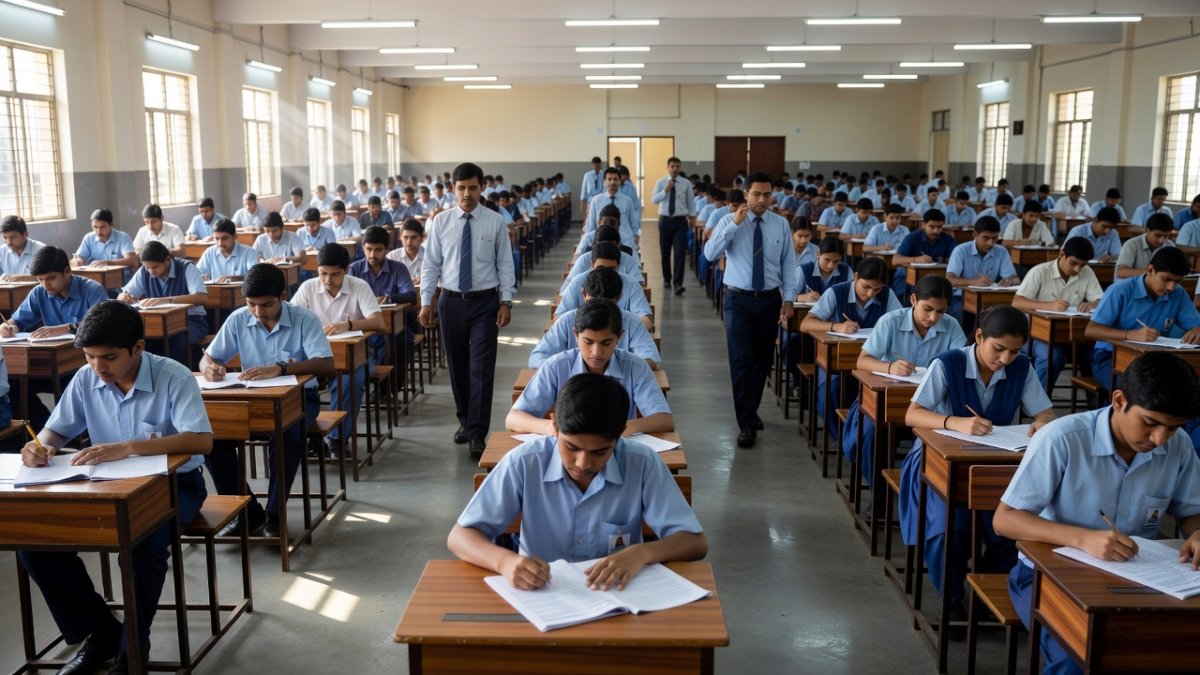
The National Testing Agency conducted NEET UG 2026 on May 3, 2026, drawing 22.79 lakh medical aspirants to 5,432 centres. The exam determines access to roughly 1 lakh MBBS seats nationwide. Within days, evidence emerged that the Botany and Zoology sections had been leaked in advance. The breach prompted the NTA to cancel the entire examination on May 12, 2026, nine days after the original test date. This scale of disruption directly affects students from every state, particularly those in rural districts of Uttar Pradesh, Bihar, and Rajasthan who often travel long distances and incur significant costs for coaching and accommodation.
How the Leak Unfolded: Pune's Role as Ground Zero
Investigations have identified Pune as the epicentre of the operation. CBI teams arrested PV Kulkarni, described as a key accused in the network, along with Manisha Mandhare, a Pune-based teacher accused of accessing the Botany and Zoology questions. The agency has established that the leak originated through local channels in Pune before spreading to other regions. Multiple arrests have followed, and the CBI continues to trace the full extent of the syndicate. The involvement of a teacher and organised local networks highlights how coaching hubs in certain cities can become points of compromise in national-level examinations.
Parliamentary Oversight: Rajya Sabha Panel Summons Top Officials
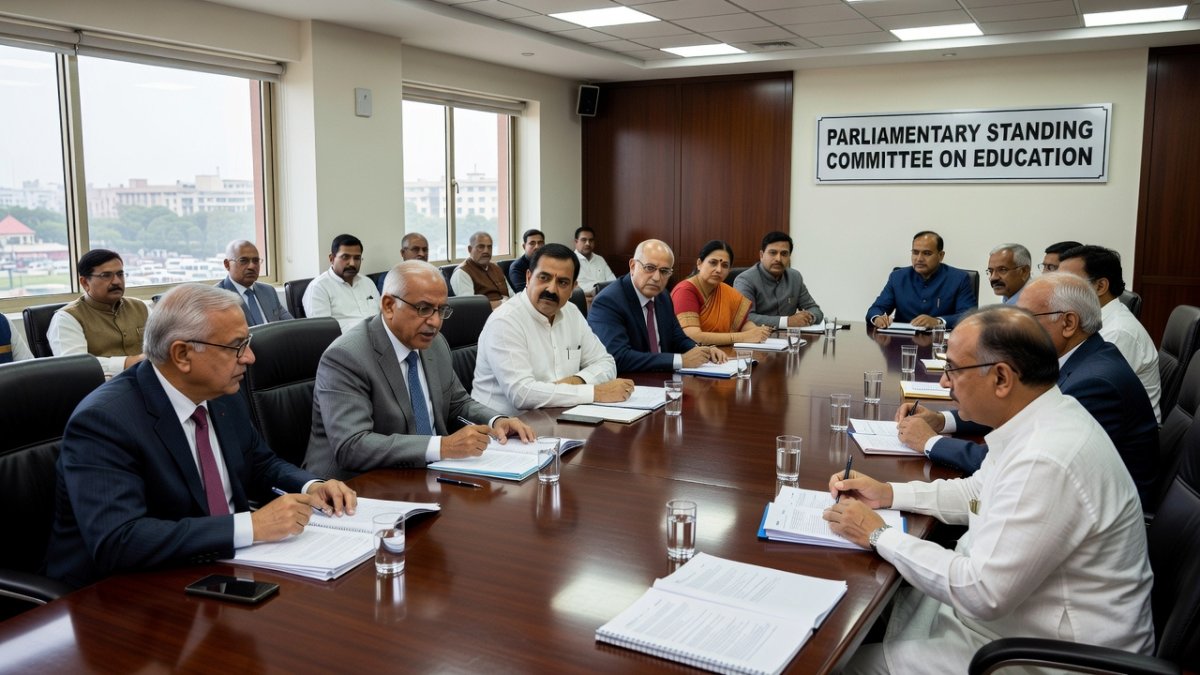
The Rajya Sabha Parliamentary Standing Committee on Education, Women, Children, Youth and Sports, chaired by Congress MP Digvijaya Singh, summoned NTA Chairperson Pradeep Kumar Joshi and Secretary of Higher Education Vineet Joshi for detailed questioning. On May 29, 2026, CBI Director Praveen Sood briefed the panel on the progress of the investigation. The committee is also examining the K Radhakrishnan Committee report on examination reforms. Opposition members have demanded the resignation of Education Minister Dharmendra Pradhan, turning the issue into a political flashpoint. Protests at Jantar Mantar in Delhi have drawn hundreds of affected students and parents. An India Today video dated June 9, 2026, titled “Parliamentary Panel Summons NTA, Ministry Officials Over NEET Paper Leak; CBI Probe Underway,” captures the intensity of the proceedings and the public anger surrounding the episode.
Government Response: Review Meetings, Re-Exam, and CBT Transition
Education Minister Dharmendra Pradhan conducted a high-level review meeting at NTA headquarters and urged state chief ministers to extend full cooperation. The NTA has announced that the re-examination on June 21, 2026, will be conducted entirely in computer-based test mode. Looking ahead, the agency plans to implement structural changes, including ensuring that question setters will not know which specific examination they are preparing papers for. From 2027 onwards, NEET itself is scheduled to transition fully to the CBT format. These measures aim to reduce opportunities for physical paper leaks that have repeatedly undermined public trust in the process.
Impact on Medical Aspirants and the Public Health Pipeline
The Indian Medical Association has condemned the leak, citing the immense mental trauma, stress, hardship, and uncertainty inflicted on candidates. Telangana Chief Minister Revanth Reddy described the episode as the “demonetization of students’ futures.” With only about 1 lakh MBBS seats available for 22.79 lakh aspirants, even a single compromised examination creates cascading effects on the future doctor workforce. Students who invested years in preparation now face additional financial burdens for travel and coaching during the re-examination window. The episode also raises concerns about equity, as candidates from economically weaker sections and remote areas bear disproportionate costs when examinations are postponed or cancelled.
What These Reforms Mean for India's Examination System
The shift to CBT and the anonymisation of question paper setting represent significant departures from the traditional pen-and-paper model. These changes will require substantial investment in digital infrastructure across 5,432 centres and robust cybersecurity protocols. The K Radhakrishnan Committee recommendations, currently under examination, are expected to influence broader examination governance. For Indian students and taxpayers who fund the NTA, the reforms signal an attempt to restore credibility, yet their success will depend on transparent implementation and independent audits. The political face-off between the government and opposition further underscores how examination integrity has become a matter of national governance rather than a purely administrative issue.
The Bottom Line
The NEET UG 2026 paper leak has laid bare systemic weaknesses that affect the aspirations of 22.79 lakh young Indians and the quality of the country’s future healthcare workforce. Parliamentary scrutiny, CBI arrests in Pune, and the planned move to CBT from 2027 mark the beginning of corrective action. However, sustained political will, technological safeguards, and accountability mechanisms will be essential to prevent recurrence. The coming months will test whether these reforms translate into genuine fairness for medical aspirants across India.
— By Dr. Raj Patel, Staff WriterThis article was produced with AI-assisted research and editorial support. Reporting is based on sources cited in the article.
What's Your Reaction?
 Like
0
Like
0
 Dislike
0
Dislike
0
 Love
0
Love
0
 Funny
0
Funny
0
 Wow
0
Wow
0
 Sad
0
Sad
0
 Angry
0
Angry
0

India/South Asia Correspondent at Global1.News. Analytical voice with a background in science and health journalism. Based in New Delhi, covering Indian politics, education, healthcare, technology, and policy. Breaks down complex data into clear, actionable reporting.














Comments (0)