
Cuba Energy Crisis: US Fuel Blockade Causes Blackouts
Cuba's Fuel Blockade Intensifies Energy Crisis Cuba heads into another month of blackouts due to the near-total fuel blockade imposed by the US. Many residents report that their lives now revolve around these power outages. The situation stems from ongoing US measures including an oil blockade and sanctions. According to reports, the blockade has created constant uncertainty fo
Cuba's Fuel Blockade Intensifies Energy Crisis
Cuba heads into another month of blackouts due to the near-total fuel blockade imposed by the US. Many residents report that their lives now revolve around these power outages. The situation stems from ongoing US measures including an oil blockade and sanctions.
According to reports, the blockade has created constant uncertainty for high-rise residents across the country. This energy shortage occurs amid broader pressures that include accusations of national security threats leveled by US officials.
Daily Life Disrupted by Persistent Blackouts
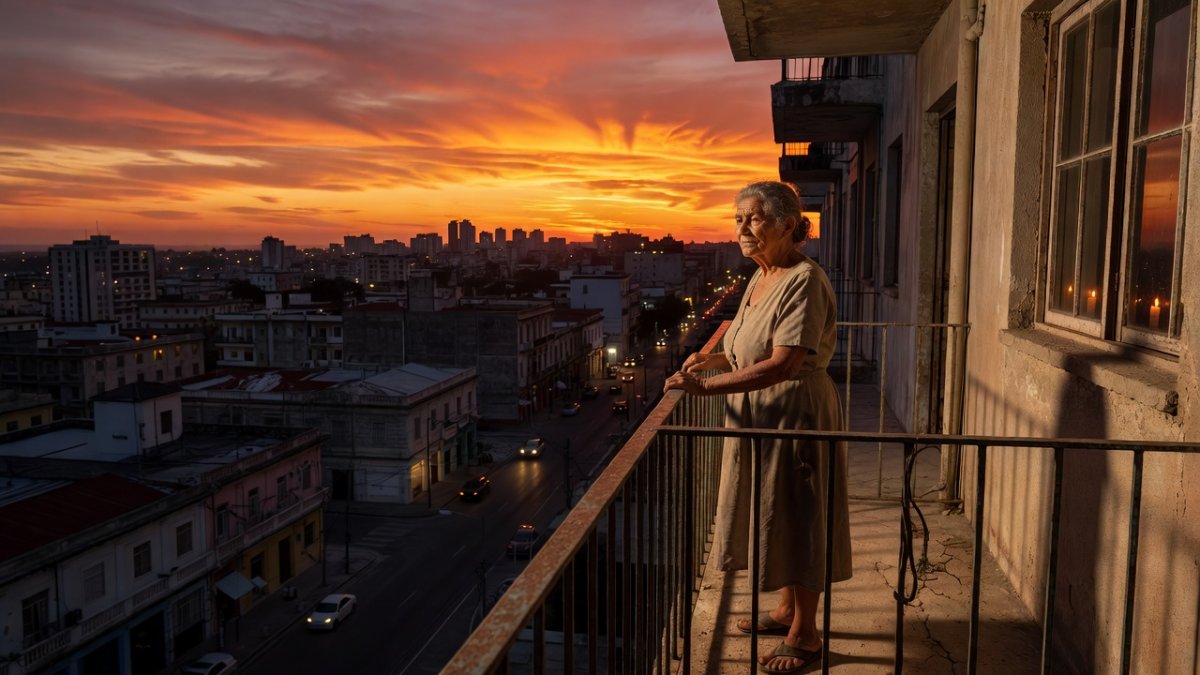
For Ana Rosa Romero, a 70-year-old widow living in a high-rise building, the constant power cuts have transformed her daily life. BBC's Will Grant spoke to her about the impact of the blackouts, highlighting how routine activities now depend on unpredictable electricity supply.
Residents describe planning around outages that affect lighting, appliances, and essential services in multi-story buildings. The near-total fuel blockade leaves communities with limited options during extended periods without power.
US Policies and Accusations of National Security Threats
The relationship between the United States and Cuba has been rapidly deteriorating. Accusing Cuba of posing a national security threat, the US has imposed an oil blockade along with sanctions and an unprecedented murder indictment against former leader Raúl Castro.
Washington warns that a peaceful agreement with the Caribbean nation is unlikely. There has been no announcement of plans for any military intervention, yet Cuba remains on edge as surveillance activity in the Caribbean increases.
Over the past week, the US military has been publicly broadcasting the location of its aircraft near Cuba on plane-tracking websites. UK drone expert Dr Steve Wright noted that this is likely deliberate, with the US intending to send a clear message that it has eyes in the sky to maintain the squeeze.
Diplomatic Tensions and Reactions from Cuban Officials
US Secretary of State Marco Rubio said the White House's preference was a diplomatic solution but added that Trump had the right and obligation to protect his country against any threat. He also called Cuba a national security threat and said the likelihood of a peaceful agreement is not high.
Cuba's foreign minister, Bruno Rodríguez, reacted by accusing Rubio of trying to instigate a military aggression. Cuba says the US is using a fraudulent case to justify military intervention.
Historical Context and Current Leadership
Cuba's Communist Party leaders view themselves as the inheritors of Fidel Castro's 1959 Cuban Revolution. Raúl Castro served as Cuba's president between 2008 and 2018. Miguel Díaz-Canel currently holds both the Cuban presidency and leads the Communist Party.
Rubio specifically focused on GAESA, a military conglomerate run by Cuban generals, calling it a state within a state. The recent charges against Castro date back to an incident 30 years ago when Cuban fighter jets shot down two civilian aircraft operated by the US-based group Brothers to the Rescue, killing four people.
Implications for Latin American Energy Security and Climate Resilience
The energy challenges facing Cuba underscore vulnerabilities tied to fuel supply disruptions that affect daily routines in urban centers. According to reports, similar pressures on energy access appear in other parts of Latin America where reliance on imported fuels intersects with shifting climate conditions.
In nations across the region, agencies such as Brazil's IBAMA and Colombia's Ministry of Environment monitor how power shortages influence local economies and community adaptation efforts. The Cuban situation illustrates how external blockades can compound existing difficulties in building climate resilience.
Broader regional discussions, according to reports, emphasize the need for diversified energy sources to support agriculture, transportation, and household needs amid changing weather patterns. Cuba's experience with prolonged blackouts offers one example of how fuel access issues ripple through high-density living environments.
Analysts note that without stable energy supplies, efforts to strengthen infrastructure against extreme events face added hurdles in multiple Latin American countries. The blockade's effects on Cuba highlight connections between geopolitical actions and the practical challenges of maintaining consistent power for residents.
By Elena Vasquez, Staff WriterThis article was produced with AI-assisted research and editorial support. Reporting is based on sources cited in the article.
What's Your Reaction?
 Like
0
Like
0
 Dislike
0
Dislike
0
 Love
0
Love
0
 Funny
0
Funny
0
 Wow
0
Wow
0
 Sad
0
Sad
0
 Angry
0
Angry
0

Latin America Correspondent at Global1.News. Based in Mexico City, covering politics, economics, energy, and culture across the region. Brings an on-the-ground perspective to stories spanning from the Rio Grande to Patagonia.














Comments (0)