
Marcos Calls Congress to Special Session on June 17 for Education, Health, and Social Aid Bills
The ANC 24/7 video titled "Marcos calls for special session of Congress on June 17 | ANC" aired on The World Tonight on June 15, 2026, reports that President Ferdinand Marcos Jr. has summoned Congress to convene at 9:00 AM on Wednesday, June 17, 2026, to address seven pending measures on education, healthcare, and social aid. Marcos Calls Congress to Special Session on June 17
The ANC 24/7 video titled "Marcos calls for special session of Congress on June 17 | ANC" aired on The World Tonight on June 15, 2026, reports that President Ferdinand Marcos Jr. has summoned Congress to convene at 9:00 AM on Wednesday, June 17, 2026, to address seven pending measures on education, healthcare, and social aid.
Marcos Calls Congress to Special Session on June 17 for Education, Health, and Social Aid Bills
Manila, Philippines — June 15, 2026 — President Ferdinand Marcos Jr. has called a special session of Congress for Wednesday, June 17 at 9:00 AM to tackle priority bills focused on education, healthcare, social protection, and economic opportunity that lawmakers say will directly affect the lives of ordinary Filipino families.
President Marcos Sets Special Session Date and Focus
President Ferdinand Marcos Jr. issued the call for the special session on Wednesday, June 17, 2026, at 9:00 AM. The session targets bills on social protection, education, healthcare, and economic opportunity that remain unresolved after the House of Representatives completed its work before sine die adjournment on June 3. The President identified seven specific measures for immediate Senate action.
The House of Representatives has already passed all seven bills. Senate concurrence is now required before the measures can reach the President for signature. House Speaker Faustino "Bojie" Dy III stated that these priority bills address pressing concerns of ordinary Filipinos and will have a direct effect on the lives of countrymen across the archipelago.

Education Reforms Target Private School Aid and Tertiary Access
The first two measures amend the Government Assistance to Students and Teachers in Private Education Act and the Universal Access to Quality Tertiary Education Act. These changes aim to expand support for students enrolled in private institutions and improve access to college education for low-income families. Students in provinces such as Batangas and Cebu stand to benefit from adjusted subsidy formulas that reflect current tuition costs.
The Last Mile and Geographically Isolated and Disadvantaged and Conflict-Affected Areas Schools Act seeks to build and upgrade classrooms in remote barangays. Families in Mindanao conflict zones and upland communities in the Cordillera have long reported children traveling hours to reach the nearest functional school. Passage would allocate targeted funding for infrastructure in these GIDA locations.
Amendments to the Masustansyang Pagkain para sa Batang Pilipino Act would strengthen the national school feeding program. The measure addresses documented cases of stunting among elementary students in Regions VIII and XII, where local governments have struggled to sustain daily meal provisions without additional national support.
Healthcare and Senior Citizen Measures Address Aging Population Needs
The National Center for Geriatric Health Act would establish specialized facilities and training programs for elderly care. Senior citizens in Metro Manila and Davao City have faced long waits at general hospitals lacking dedicated geriatric wards. The bill creates a national center to coordinate services and research focused on age-related conditions prevalent among Filipinos over 60.
These provisions respond to census data showing the Philippine population aged 60 and above growing faster than overall population growth. Families caring for aging parents in provinces such as Ilocos Norte and Negros Occidental would gain access to coordinated medical support rather than relying solely on overburdened local health centers.
Social Aid Bill Institutionalizes Crisis Assistance Nationwide
The Assistance to Individuals in Crisis Situation Act would convert the current AICS program into a permanent statute. The measure covers medical emergencies, funeral expenses, and temporary shelter for families displaced by typhoons or fires. Households in flood-prone areas of Cagayan Valley and storm-hit Eastern Visayas have repeatedly sought one-time aid from the Department of Social Welfare and Development during past disasters.
By institutionalizing the program, the bill removes annual budget uncertainties that have delayed releases in previous years. Families in crisis would receive standardized processing times and clearer eligibility rules applied uniformly across all regions.
Anti-Political Dynasty Proposal Added to Senate Agenda
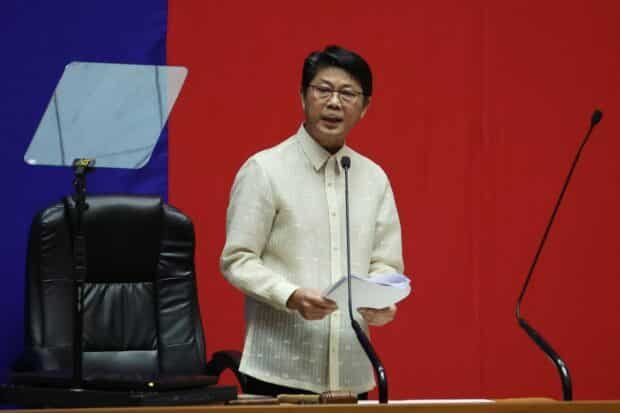
Senator Sherwin Gatchalian highlighted the Anti-Political Dynasty bill as an additional item for the special session. The measure seeks to limit family members from simultaneously holding elective positions in the same province or city. Proponents argue it would open opportunities for new candidates in local races across the country.
The House version has already passed. Senate action would determine whether the restrictions take effect before the next election cycle. Communities in provinces with long-dominant political families have expressed interest in broader candidate choices during local contests.
Senate Leadership Dispute Threatens Attendance and Quorum
Acting Senate President Sherwin Gatchalian urged all senators to attend the June 17 proceedings. On the final session day of June 3, only 12 of 24 senators were present because of an ongoing leadership crisis. The low turnout prevented final action on multiple measures already cleared by the House.
The crisis stems from the arrest of Senator Jinggoy Estrada in connection with the flood control scandal; he is now detained at the Quezon City jail. Senator Ronald "Bato" dela Rosa has remained in hiding since the International Criminal Court ordered his arrest in November. Both senators belong to the faction led by Senator Alan Peter Cayetano.
A motion declaring all Senate seats vacant was adopted during the June 3 session, installing new officers including Gatchalian. Cayetano and nine allies were absent when the changes occurred. Cayetano maintains he remains Senate president because the required 13 votes were not secured. Gatchalian has stated that the Senate recognizes its constitutional duty to the Filipino people regardless of internal disputes.
House Record on LEDAC Priorities Sets Stage for Senate Action
Before adjourning on June 3, the House acted on 26 of 52 LEDAC priority measures. Additional House-approved reforms include the National Land Use Act, Right to Information Act, amendments to the Pantawid Pamilyang Pilipino Program, Department of Water Resources Act, Energy Regulatory Commission restructuring, Waste-to-Energy Act, Digital Payments Act, and Anti-Fake News Act.
These completed bills now await Senate counterparts or bicameral reconciliation. The special session on June 17 provides the Senate an opportunity to match the House output on the seven education, health, and social aid measures before the end of the current congressional period.
The convening of Congress on Wednesday, June 17, 2026, will test whether the Senate can overcome its internal divisions to deliver concrete benefits to students, senior citizens, and families facing emergencies in every region of the country.
By Bella Reyes, Staff Writer
This article was produced with AI-assisted research and editorial support. Reporting is based on sources cited in the article.
What's Your Reaction?
 Like
0
Like
0
 Dislike
0
Dislike
0
 Love
0
Love
0
 Funny
0
Funny
0
 Wow
0
Wow
0
 Sad
0
Sad
0
 Angry
0
Angry
0

Philippines/Southeast Asia Correspondent at Global1.News. Manila-based journalist covering Philippine politics, environment, maritime security, and social issues. Passionate about marine conservation and the communities protecting the Philippines' natural heritage.














Comments (0)