
Quebec Paramedics Reach Tentative Deal with Province
Quebec paramedics reach tentative deal with province after years without contract The Fédération de la santé et des services sociaux, affiliated with the Confédération des syndicats nationaux, has reached a tentative labour agreement with the Quebec government covering 3,500 paramedics. The deal ends more than three years without a collective agreement and follows a year-long strike that began in July 2025.
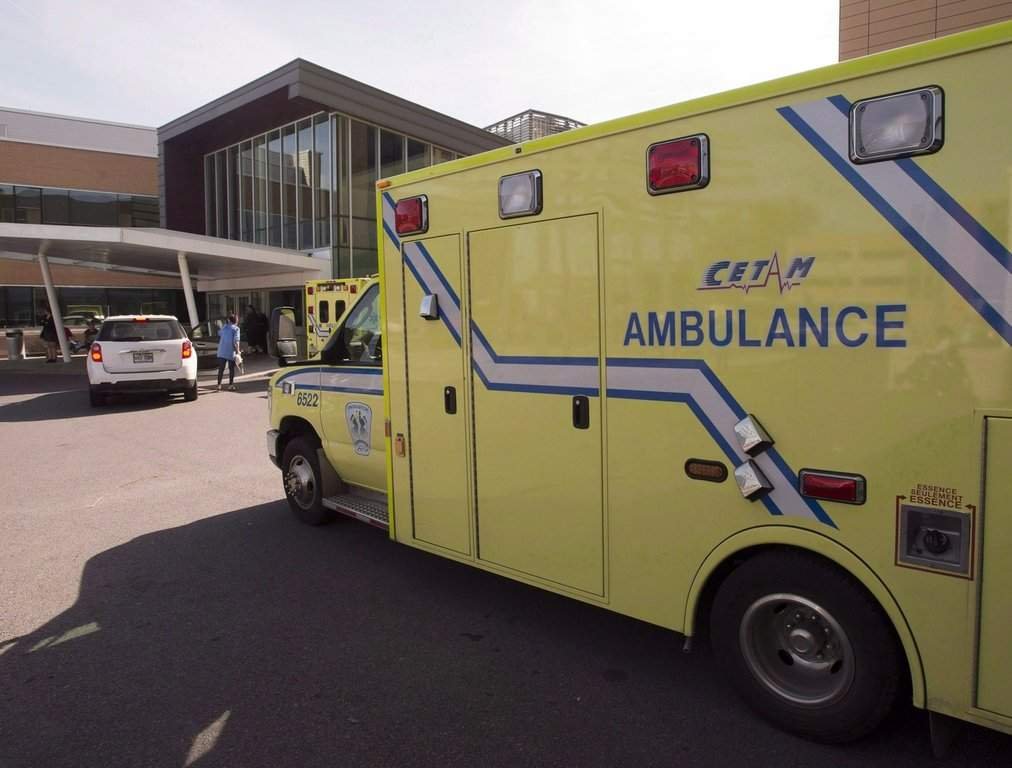
Quebec paramedics reach tentative deal with province after years without contract
The Fédération de la santé et des services sociaux, affiliated with the Confédération des syndicats nationaux, has reached a tentative labour agreement with the Quebec government covering 3,500 paramedics. The deal ends more than three years without a collective agreement and follows a year-long strike that began in July 2025.
More than 1,000 of the affected workers are employed by Urgences-santé, the public ambulance service that covers Montreal and Laval. The Fédération de la santé et des services sociaux represents paramedics across nearly 40 ambulance services province-wide. Daniel Chouinard, president of the union, confirmed the agreement emerged after six days of intensive negotiations.
Quebec paramedics reach tentative deal with province after years without contract
The Roots of the Prolonged Dispute
Paramedics had not received a wage increase since 2022, when their previous collective agreement expired. The central issue remained compensation, with the union seeking adjustments that reflected rising living costs and the demanding nature of emergency response work. Quebec offered a 17.4 per cent pay increase, though the proposal required concessions on other working conditions.
Throughout the strike, essential services continued under Quebec's essential services legislation. This framework prevented full withdrawal of ambulance coverage and kept response times within regulated limits in most regions. The approach reflected long-standing provincial rules that balance labour rights with public safety obligations in healthcare.
Quebec paramedics have long trailed their counterparts in other provinces when it comes to compensation. In Ontario, experienced paramedics earn an average of $48 per hour, while those in British Columbia reach $52 after several years of service. By contrast, Quebec rates have hovered around $39 per hour for comparable positions, creating a persistent gap that has driven recruitment difficulties. This disparity reflects decades of restrained public-sector bargaining in the province, where successive governments prioritised fiscal restraint over aligning wages with national benchmarks.
The cost of living in Montreal has compounded these pressures. Housing prices in the metropolitan area have risen 68 per cent since 2019, outpacing wage growth for essential workers. Many paramedics report spending more than 40 per cent of their income on rent or mortgages, forcing some to take second jobs that further erode recovery time between shifts. The 17.4 per cent offer tabled earlier this year included demands for extended shift rotations and reduced overtime premiums, measures that unions viewed as eroding the very gains sought in negotiations.
These structural issues echo earlier disputes in 2015 and 2020, when similar wage stagnation led to brief work stoppages. Analysts note that without addressing the interprovincial gap, Quebec risks continued attrition to higher-paying jurisdictions, a pattern already visible in border regions near Ontario.
Key Elements of the Tentative Agreement
Details of the full package remain limited until members review the text. Union representatives have indicated the agreement addresses wage stagnation while preserving core protections. The 17.4 per cent increase forms the financial foundation, though the precise distribution across years and classifications will be clarified during ratification meetings.
Negotiators also examined scheduling practices and overtime provisions that affect daily operations for crews in both urban centres and rural areas. These operational matters often determine whether paramedics can maintain sustainable careers amid high call volumes.
Effects on Paramedic Working Conditions
Three years without a contract created uncertainty around benefits and career progression. Many paramedics reported delayed decisions on equipment upgrades and training opportunities while talks dragged on. The tentative deal offers a path to restore predictability in these areas.
Working conditions for Quebec paramedics involve irregular shifts, exposure to traumatic incidents, and physical demands that contribute to long-term health concerns. A renewed agreement could support retention by clarifying how compensation and leave provisions will evolve in the coming years.
Mental health strains within the profession have intensified amid chronic understaffing. National data indicate that nearly one in three Canadian paramedics experiences symptoms consistent with post-traumatic stress disorder, with rates climbing during periods of high call volume. In Quebec, staffing shortages have forced mandatory overtime, leaving crews with fewer opportunities for decompression after traumatic incidents. The February 2026 survey of Montreal paramedics revealed that 47 per cent were actively considering departure, citing burnout and inadequate support services as primary factors.
Recruitment challenges extend across the country, yet Quebec faces particularly acute shortfalls. Training programs graduate fewer than 300 new paramedics annually against an estimated need of 450 to maintain current service levels. Retention efforts have faltered because competing provinces offer signing bonuses and faster advancement tracks. This exodus threatens response times in rural areas, where coverage gaps already exceed 20 minutes on average.
The survey findings served as a stark indicator that working conditions had reached a tipping point. Without meaningful improvements to shift scheduling and access to psychological care, experts warn that the tentative agreement may only delay further departures rather than resolve underlying retention problems.
Implications for Quebec's Healthcare Delivery
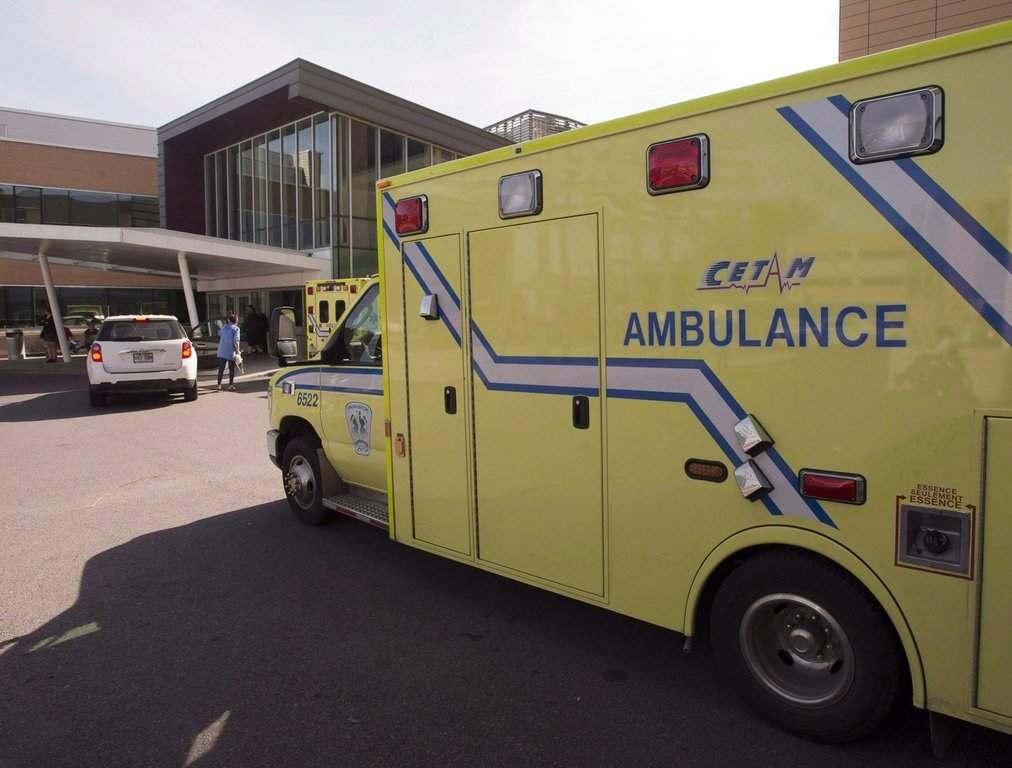
Ambulance services form a critical link in the province's medicare system, transporting patients to hospitals and providing on-scene stabilisation. Prolonged labour uncertainty placed additional pressure on emergency departments already managing wait times and staffing challenges.
Urgences-santé operations in Montreal and Laval illustrate the scale: these services handle thousands of calls monthly and coordinate closely with hospital networks. Stable labour relations here support smoother patient flow and reduce the risk of service disruptions that affect downstream care.
During the recent labour action, emergency department wait times in Montreal hospitals increased by an average of 35 per cent as ambulances queued outside facilities. Offload delays, already averaging 45 minutes per patient before the dispute, stretched beyond two hours at peak periods, directly linking paramedic shortages to broader system congestion. Urgences-santé reported call volumes 12 per cent above pre-pandemic baselines, driven by an aging population and post-COVID health complications.
These pressures highlight how paramedic staffing directly influences hospital throughput. When crews remain tied up at emergency entrances, fewer units are available for new emergencies, creating a cascading effect on response reliability. Data from the Institut national de santé publique du Québec shows that regions with the highest offload delays also recorded elevated rates of patient deterioration during transport.
The connection between workforce shortages and these delays underscores the need for integrated planning between ambulance services and hospital capacity. Without coordinated reforms, even a ratified agreement may struggle to restore pre-dispute service standards.
Broader Canadian Labour Landscape
The Quebec paramedic negotiations highlight recurring tensions in essential services across Canada. Provinces must reconcile collective bargaining rights with the need to maintain public safety functions, a balance that frequently leads to essential services legislation and mediated talks.
Federal-provincial dynamics also surface in healthcare labour matters, as Ottawa sets broad medicare principles while provinces manage delivery and workforce relations. Similar disputes in other jurisdictions have prompted discussions about national standards for paramedic compensation and training.
Next Steps in the Ratification Process
The agreement will be presented to union members for ratification as soon as possible. Daniel Chouinard and the Fédération de la santé et des services sociaux executive will outline the terms at information sessions across the province.
Member approval remains the decisive step. Past experience in Quebec healthcare negotiations shows that ratification votes can extend several weeks when large bargaining units are involved and regional differences require careful explanation.
Ratification votes are scheduled to begin in early August 2026, with results expected by mid-month. Should members reject the tentative deal, the union has indicated it would return to the bargaining table while maintaining limited job actions short of a full strike. This approach mirrors the 2023 settlement with Quebec nurses, where an initial rejection prompted modest enhancements to mental health provisions before final approval.
Recent public-sector agreements in the province, including those covering teachers and transit workers, have typically required two to three rounds of revisions before acceptance. If the current proposal fails, timelines could extend into September, potentially affecting fall budget planning for health authorities. Observers note that government willingness to adjust the 17.4 per cent framework will determine whether a swift resolution is possible.
Healthcare analysts point out that stable paramedic contracts contribute to overall system resilience, particularly as provinces address post-pandemic pressures on emergency response capacity. The current tentative deal, once ratified, would mark a return to structured bargaining cycles that support both workers and the communities they serve.
By Alex Thompson, Staff Writer
Tags: Quebec paramedics, FSSS-CSN, labour agreement, Urgences-santé, healthcare workforce, collective bargaining, paramedic wages, essential services, Montreal, healthcare workers
This article was produced with AI-assisted research and editorial support. Reporting is based on sources cited in the article.
What's Your Reaction?
 Like
0
Like
0
 Dislike
0
Dislike
0
 Love
0
Love
0
 Funny
0
Funny
0
 Wow
0
Wow
0
 Sad
0
Sad
0
 Angry
0
Angry
0
Canada Correspondent at Global1.News. Based in Toronto, covering Canadian politics, energy, trade, and US-Canada relations. Provides the Canadian perspective on North American and global affairs.















Comments (0)