
Mexico Navigates US Tariffs, Cartel Tensions Post-World Cup
Mexico Shifts Focus from World Cup Glory to Tariffs and Security Challenges As the excitement of the men's World Cup fades into memory, Mexico is turning its attention to pressing economic and security issues that directly impact families across the country. The Sheinbaum administration is navigatin
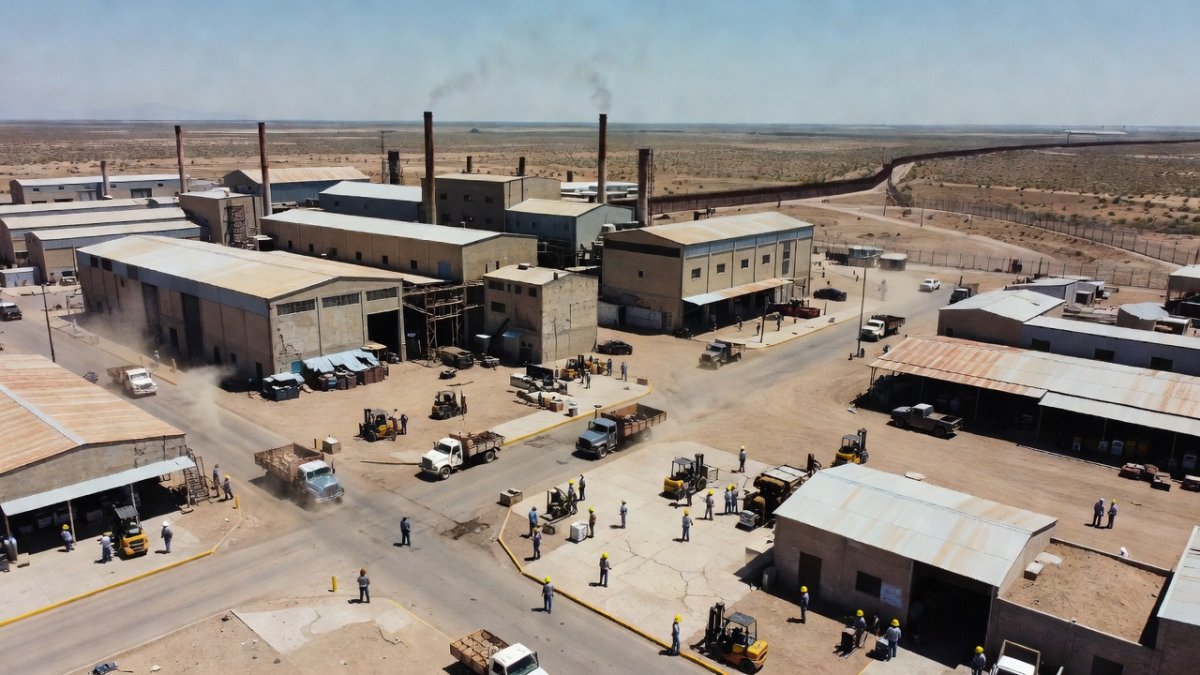
Mexico Shifts Focus from World Cup Glory to Tariffs and Security Challenges
As the excitement of the men's World Cup fades into memory, Mexico is turning its attention to pressing economic and security issues that directly impact families across the country. The Sheinbaum administration is navigating new U.S. tariff policies and ongoing cartel tensions while celebrating positive economic signs like falling inflation. Ordinary Mexicans in colonias and rural communities are watching closely, knowing these developments affect everything from the price of tortillas to job security in maquiladoras.
Tags: Mexico tariffs, Sinaloa cartel, USMCA, inflation, security, Sheinbaum, CJNG, US sanctions
Economic Resilience Amid Tariff Pressures
Inflation in Mexico has dropped to its lowest level since 2020, bringing relief to households struggling with rising costs of food, fuel, and basic goods. This progress brings the rate closer to the official target, a welcome development for working families in places like Guadalajara and Monterrey who have felt the pinch of higher prices in recent years. The Sheinbaum presidency continues to emphasize economic stability as a priority, building on the legacy of previous administrations while adapting to global pressures.
New U.S. tariffs have largely spared Mexico, a positive outcome for exporters and workers in border regions and industrial hubs. While other countries face higher duties, Mexico's strategic position under the USMCA framework has helped shield key sectors like automotive manufacturing and agriculture. This sparing comes as the 2026 USMCA joint review looms, with negotiators from Mexico, the U.S., and Canada preparing for talks that could reshape trade rules affecting millions of jobs on both sides of the border.
Economy Minister Marcelo Ebrard has highlighted targeted measures, including renewed tariffs on steel imports from certain Asian countries without free trade agreements. These steps aim to protect domestic industries and encourage nearshoring investments that bring manufacturing jobs closer to Mexican communities. For campesinos and small business owners, these policies could mean more stable markets and opportunities in the supply chain.
Security Developments and Cartel Dynamics
On the security front, overall homicide rates continue to decline, offering a measure of hope to families in violence-affected regions. However, high-profile incidents underscore the persistent challenges. In Zacatecas, authorities linked a multihomicide involving 10 people, including a former mayor, to extortion schemes and possible official collusion, highlighting the deep roots of organized crime in some local governments.
The Sinaloa Cartel remains in the spotlight following the life sentence handed to former leader “El Mayo” Zambada in the United States. Infighting within the organization has prompted the Mexican government to deploy an additional 900 troops to Mazatlán, Sinaloa, to bolster security after a series of targeted attacks. Residents in coastal communities there are feeling the strain, as increased military presence brings both reassurance and reminders of ongoing instability.
In a related development, the U.S. announced sweeping sanctions against 50 individuals and businesses linked to the Jalisco New Generation Cartel (CJNG). This move targets an opposing syndicate and reflects continued binational cooperation on dismantling criminal networks that affect communities on both sides of the border. For Mexican families, these actions represent efforts to curb the violence that has displaced many and disrupted daily life in affected states.
Impact on Mexican Communities and Families
These developments hit closest to home for ordinary Mexicans — from maquiladora workers in the north worried about trade disruptions to farmers in the south concerned about export markets. The falling inflation offers breathing room for families managing tight budgets, while tariff relief supports industries that employ thousands in regions like Baja California and Nuevo León. Community leaders and civil society groups are calling for continued focus on human rights and transparent governance as security operations expand.
Indigenous communities and rural ejidos also watch these shifts, as economic policies and security measures can influence land use, migration patterns, and access to resources. The Sheinbaum administration's approach, blending dialogue with enforcement, aims to balance these competing needs while maintaining Mexico's sovereignty in international relations.
Looking Ahead: USMCA Talks and Regional Stability
As the 2026 USMCA review approaches, Mexico is positioning itself as a reliable partner while protecting national interests. Negotiators are prepared to advocate for flexible rules of origin in the auto sector and other areas critical to Mexican manufacturing. The outcome will shape nearshoring trends and investment flows that benefit workers and entrepreneurs across the country.
Security challenges require sustained attention, with calls for addressing root causes like corruption and economic inequality alongside enforcement actions. President Sheinbaum's government continues to engage with U.S. counterparts on these issues, emphasizing mutual respect and shared responsibility.
What to Watch For
Observers will monitor the progress of USMCA negotiations, any further cartel-related developments in Sinaloa and Jalisco, and inflation trends in the coming weeks. Community organizations and opposition parties are likely to weigh in on how these policies affect everyday life for Mexican families. Staying informed and engaged remains key as Mexico balances global partnerships with domestic priorities.
By Rosa Martinez, Staff Writer
This article was produced with AI-assisted research and editorial support. Reporting is based on sources cited in the article.
What's Your Reaction?
 Like
1
Like
1
 Dislike
0
Dislike
0
 Love
0
Love
0
 Funny
0
Funny
0
 Wow
0
Wow
0
 Sad
0
Sad
0
 Angry
0
Angry
0
Latin America/Andes Correspondent at Global1.News. Based in Bogota, covering politics, environment, energy, and social movements across the Andean region. Passionate about environmental journalism and communities protecting their land.










Comments (0)