
Lytton BC Wildfire Recovery: Five Years of Struggle, $144M
**Meta Description:** Nearly five years after the devastating June 2021 wildfire, Lytton British Columbia's recovery remains incomplete amid funding disputes, administrative concerns, and financial sustainability questions. **Keywords:** Lytton wildfire, British Columbia recovery, heat dome 2021, disaster rebuilding Canada, municipal governance, Team Rubicon Canada The Fire Tha
The Fire That Changed Everything
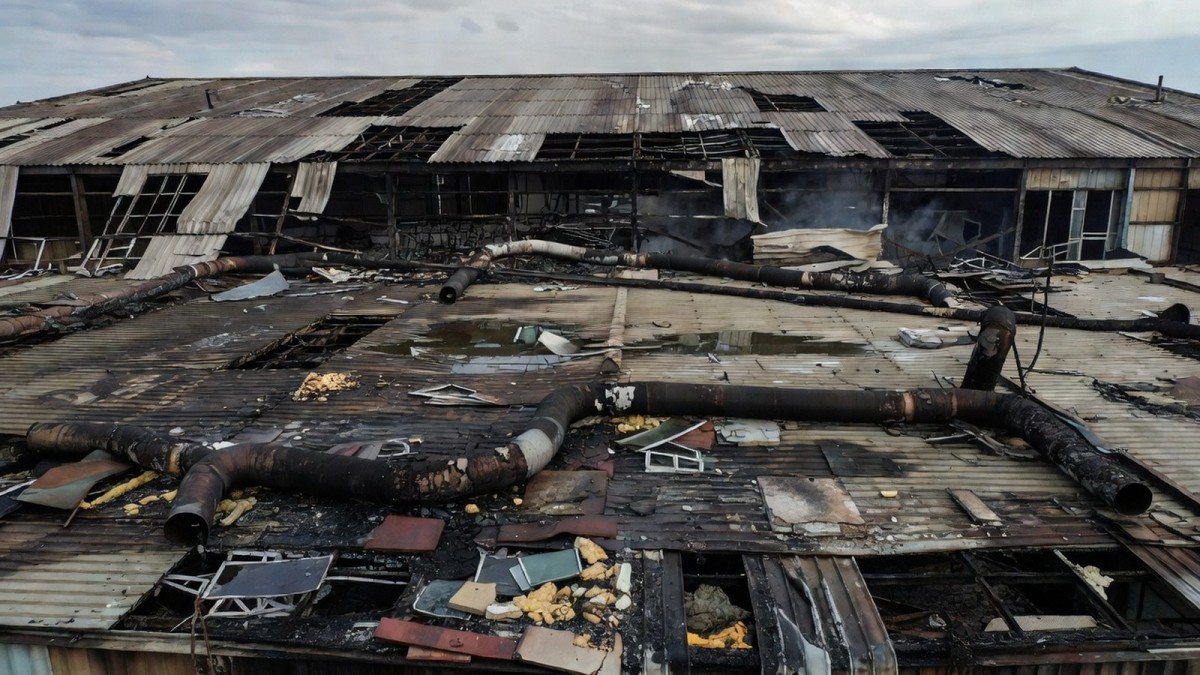
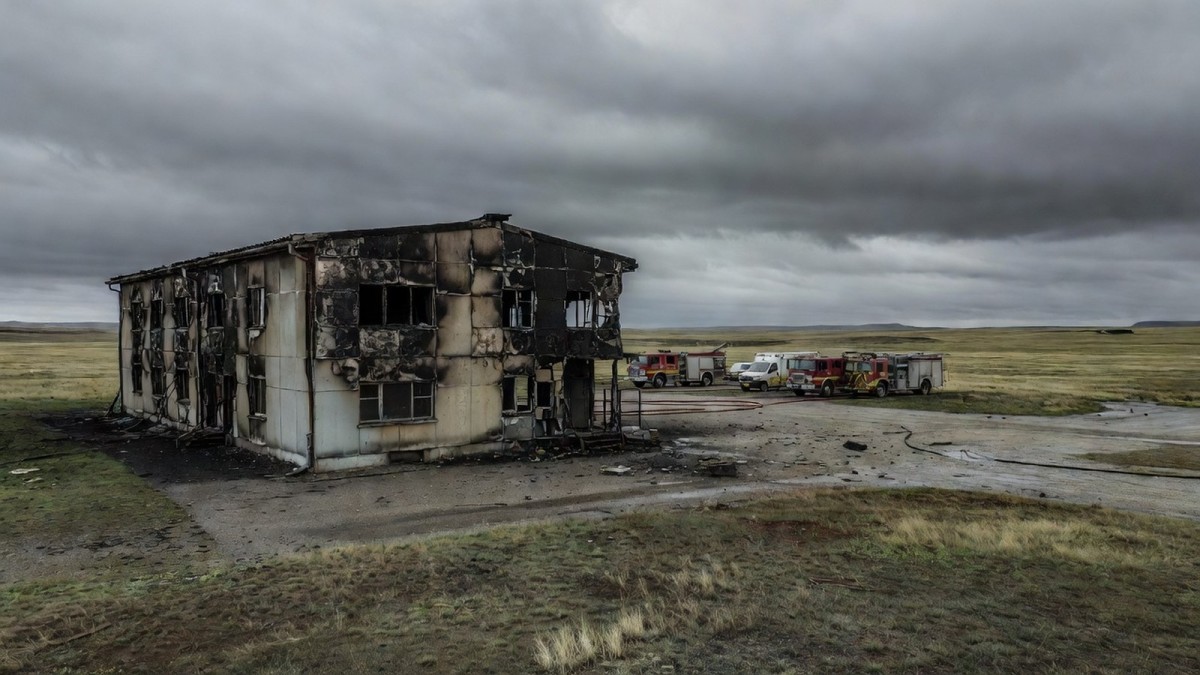
On June 30, 2021, the village of Lytton in British Columbia's Fraser Canyon was devastated by a wildfire that erupted amid an unprecedented heat dome. Temperatures had soared to a Canadian record of 49.6°C just the day before, creating tinderbox conditions across the region. The fire swept through the community with terrifying speed, destroying nearly every structure and forcing residents to flee for their lives. Two people lost their lives in the blaze, marking a tragic chapter in the village's history.
The heat dome that gripped British Columbia that late June had already strained infrastructure and residents alike, with power grids faltering and forests parched to dangerous levels. When the wildfire ignited, it consumed homes, businesses, and community buildings in a matter of hours. Survivors described scenes of chaos as flames jumped from rooftop to rooftop, leaving little time for organised evacuation. The event highlighted the growing intensity of climate-driven disasters in Canada.
In the immediate aftermath, the scale of destruction became clear as officials surveyed what remained of Lytton. More than 90 percent of the village's buildings were lost, including the historic downtown core that had served as a hub for travellers and locals for generations. The provincial and federal governments quickly pledged support, but the human toll extended far beyond property damage, with families displaced across the province and beyond.
Recovery efforts began almost at once, yet the sheer extent of the ruin meant that rebuilding would take years. Temporary shelters were established in nearby communities while assessments of soil contamination and infrastructure damage proceeded. The disaster prompted national discussions about wildfire preparedness and the need for stronger climate adaptation measures in vulnerable interior communities.
Five Years Later: A Town Still Waiting
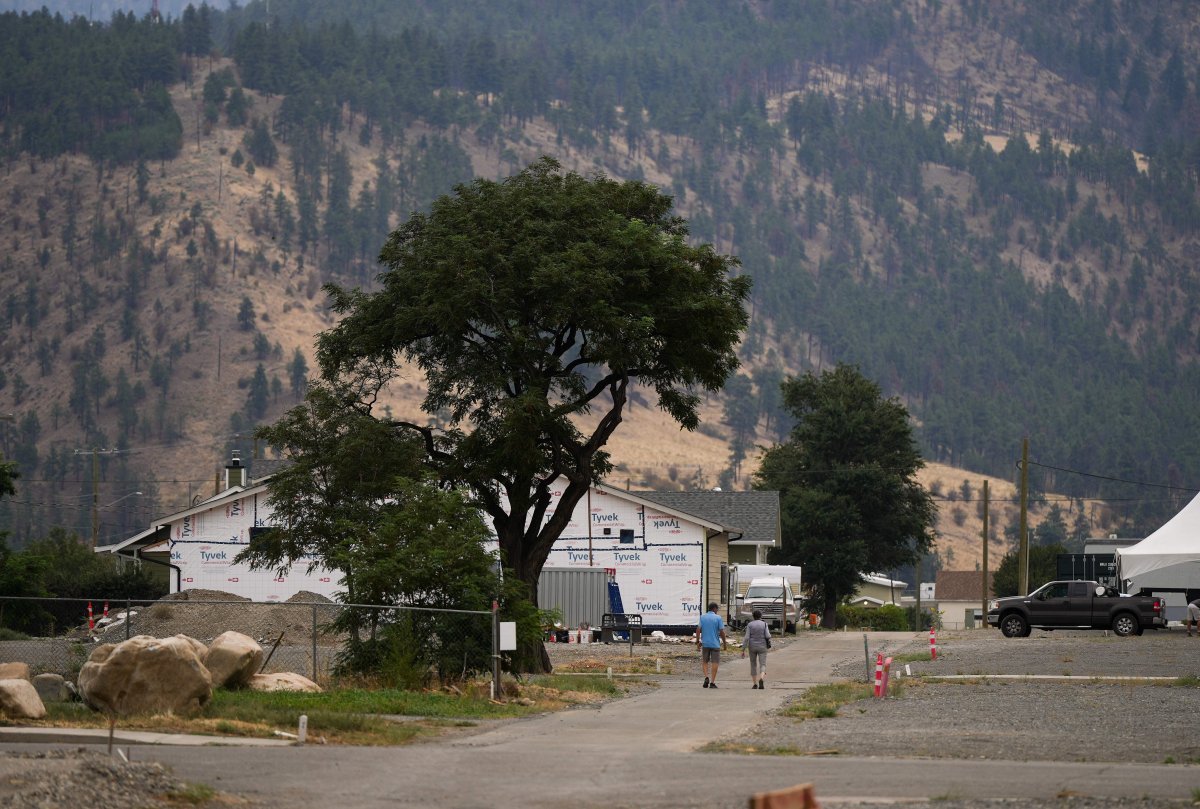
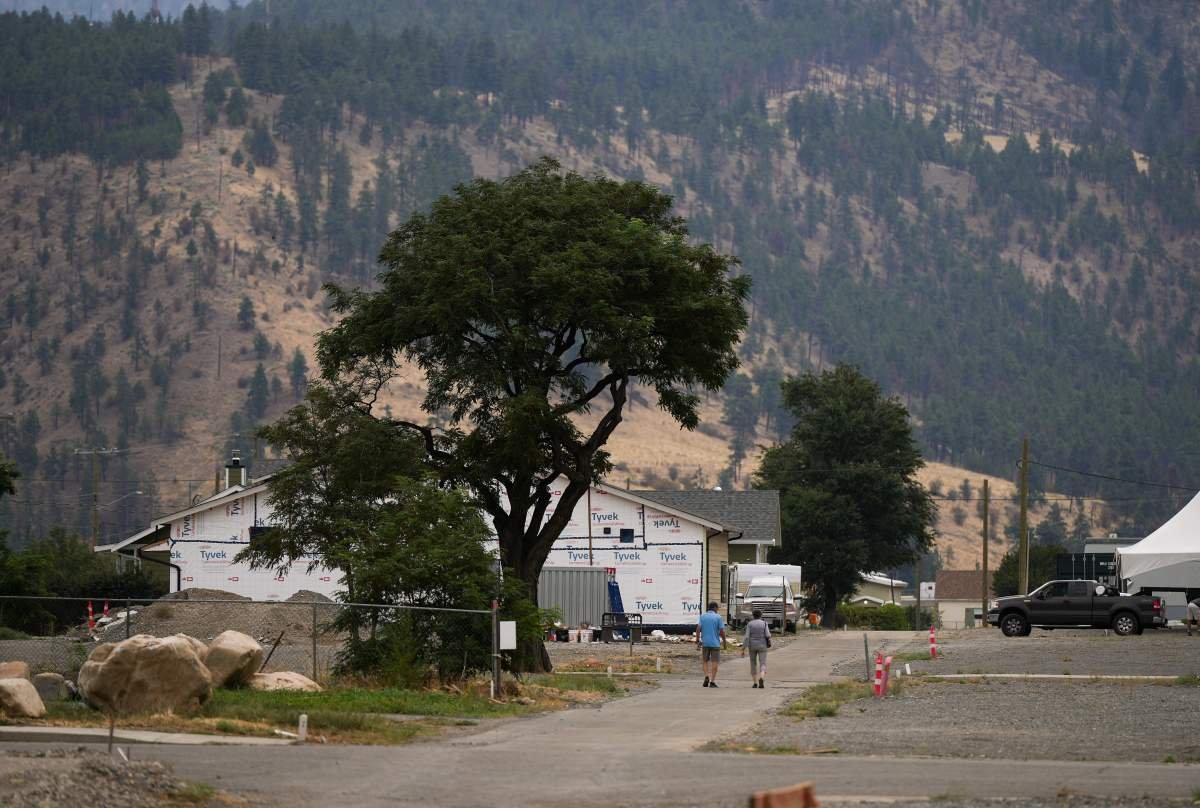
Nearly five years after the wildfire, Lytton presents a stark picture of incomplete recovery. Mayor O'Connor has described the village as looking "pretty empty," with only about 75 residents remaining compared to the roughly 250 who called it home before the fire. The absence of permanent housing options has kept many families from returning, leaving streets lined with vacant lots and temporary structures rather than the vibrant community that once existed.
Essential services remain limited, with no grocery store or playground available for those who have come back. Health care, banking, and postal services operate out of temporary facilities that were never intended for long-term use. Residents must travel significant distances for basic needs, adding to the daily challenges of life in the recovering village. This lack of amenities has further discouraged new arrivals and slowed any sense of normalcy returning.
Local leaders continue to push for accelerated construction of permanent buildings, yet bureaucratic delays and funding allocation disputes have hampered progress. The village centre remains a shadow of its former self, with few signs of the commercial activity that once sustained the local economy. Many former residents have settled elsewhere, unwilling to wait indefinitely for the promised rebuilding.
Seasonal weather patterns continue to test the community's resilience, reminding everyone that another extreme event could strike before full recovery is achieved. The population decline has also affected community cohesion, with fewer volunteers available for local initiatives and events that once brought neighbours together.
The Money Trail: $144 Million and Counting
Federal and provincial governments have committed a total of $144 million toward Lytton's recovery, a figure that underscores both the scale of the disaster and the complexities of large-scale rebuilding projects. Of this amount, plans for a new community hub have been allocated approximately $26 million, though recent reviews suggest costs may need trimming. A Canadian Press investigation revealed concerns over how portions of the funding have been managed since the initial pledges were made in 2021.
The hiring of a Halifax-based chief administrative officer has drawn scrutiny, particularly after reports emerged that staff positions were being filled by individuals from Atlantic Canada rather than local candidates. This approach has raised questions about whether recovery dollars are truly benefiting the affected community or supporting external contractors. Additionally, $230,000 was directed to Team Rubicon Canada for debris removal and volunteer coordination efforts in the early phases of cleanup.
The original CAO was dismissed amid disagreements over spending priorities and later launched a lawsuit against the village. These administrative upheavals have contributed to perceptions of inefficiency in how the substantial recovery funds are being deployed. Detailed audits have yet to fully clarify whether all expenditures align with the original recovery blueprint agreed upon by senior governments.
Despite the large total commitment, actual construction of permanent housing and core infrastructure has lagged behind projections. Officials cite supply chain issues and regulatory hurdles as primary factors, but critics argue that better oversight from the outset could have prevented some of the current shortfalls in visible progress on the ground.
The Human Cost of Recovery
Councillor Jennifer Thoss has publicly characterised aspects of the recovery process as a "grift," pointing to systemic problems in how contracts and resources have been distributed. Her comments reflect growing frustration among remaining residents who feel disconnected from decision-making processes happening far from Lytton. Thoss has emphasised that accountability mechanisms appear insufficient given the volume of public money involved.
Resident Leslie Groulx expressed being "gobsmacked" at the administrative costs associated with recovery coordination. With operational expenses running near $50 million against annual property tax revenue of only about $400,000, the village faces a genuine risk of financial insolvency without continued senior government support. This imbalance threatens the long-term viability of local governance structures.
Some residents have voiced concerns about preparedness for another potential disaster, noting that temporary facilities offer limited protection compared to the permanent buildings that were lost. The psychological strain of prolonged displacement and uncertainty has taken a toll, with mental health services stretched thin in the region. Families who lost everything continue to navigate insurance claims and rebuilding permits years later.
The disparity between funding announcements and tangible results on the ground has eroded trust in the recovery framework. Remaining community members worry that without swift corrections, Lytton may never regain its former character or population base, leaving a permanent scar on the landscape and local identity.
Canadian Context: Disaster Recovery Across the Country
Lytton's experience mirrors challenges seen in other Canadian communities recovering from major disasters, where federal-provincial coordination often determines the pace of rebuilding. British Columbia's increasing wildfire activity, driven by climate trends, has placed additional pressure on provincial resources already committed to multiple simultaneous recovery efforts. The Lytton case illustrates both strengths and gaps in how Canada manages large-scale disaster funding and oversight.
Comparisons to recoveries in places such as Fort McMurray after the 2016 wildfire or communities affected by the 2013 Alberta floods reveal recurring themes around administrative costs and local capacity. In each instance, substantial public investments were required, yet questions of efficiency and equitable distribution persisted long after initial pledges. Lytton's situation highlights the need for clearer benchmarks tied to visible community outcomes rather than solely financial reporting.
Accountability frameworks for disaster aid have evolved in recent years, yet the scale of funding in Lytton tests these systems. Municipal governments with limited staff and expertise frequently struggle to manage multimillion-dollar projects while also addressing day-to-day resident needs. This dynamic can lead to reliance on external consultants, further complicating local ownership of the recovery narrative.
What Lytton's prolonged recovery reveals is the importance of integrating long-term sustainability planning into immediate disaster response. Canadian disaster management continues to adapt, but cases like this one underscore that financial commitments alone do not guarantee swift restoration of community life or economic stability in small, remote centres.
What Happens Next for Lytton
Plans are now underway to reduce the scope of the proposed community hub by trimming between $4 million and $6 million from the original budget in an effort to control costs. Village officials hope these adjustments will allow construction to begin without further delays, though residents remain cautious given past setbacks. Bankruptcy concerns continue to loom if operational shortfalls are not addressed through additional provincial or federal assistance.
The need for sustained senior government support remains critical as the fifth anniversary of the wildfire approaches. Without renewed commitments, the village risks losing momentum entirely, leaving the remaining 75 residents in a precarious position. Discussions are ongoing about potential governance restructuring that could help stabilise finances over the coming decade.
Long-term viability for Lytton depends on attracting new residents and businesses back to the area, yet current conditions make that difficult. Anniversary commemorations planned for late June 2026 are expected to renew public attention on the recovery's shortcomings and successes alike. Community leaders are using the milestone to advocate for policy changes that could benefit other at-risk Canadian communities.
Ultimately, the path forward requires balancing fiscal responsibility with the urgent human need for closure and stability. Whether Lytton can emerge as a model of resilient rebuilding or become a cautionary tale will depend on decisions made in the months ahead by all levels of government and the residents themselves.
Tags: Lytton wildfire, British Columbia recovery, heat dome 2021, disaster rebuilding Canada, municipal governance, Team Rubicon Canada
By Alex Thompson, Staff Writer
This article was produced with AI-assisted research and editorial support. Reporting is based on sources cited in the article.
What's Your Reaction?
 Like
0
Like
0
 Dislike
0
Dislike
0
 Love
0
Love
0
 Funny
0
Funny
0
 Wow
0
Wow
0
 Sad
0
Sad
0
 Angry
0
Angry
0

Canada Correspondent at Global1.News. Based in Toronto, covering Canadian politics, energy, trade, and US-Canada relations. Provides the Canadian perspective on North American and global affairs.













Comments (0)