
10 Nippon Yusen Freighters Still in Persian Gulf
10 Nippon Yusen Freighters Still in Persian Gulf Ten freighters operated by Nippon Yusen Kaisha remain positioned inside the Persian Gulf as of June 17, 2026, unable to complete transit through the Strait of Hormuz. The situation stems directly from Iran's closure of the strait that began on February 28, 2026. Company president Takaya Soga addressed shareholders at the firm's a
10 Nippon Yusen Freighters Still in Persian Gulf
Ten freighters operated by Nippon Yusen Kaisha remain positioned inside the Persian Gulf as of June 17, 2026, unable to complete transit through the Strait of Hormuz. The situation stems directly from Iran's closure of the strait that began on February 28, 2026.
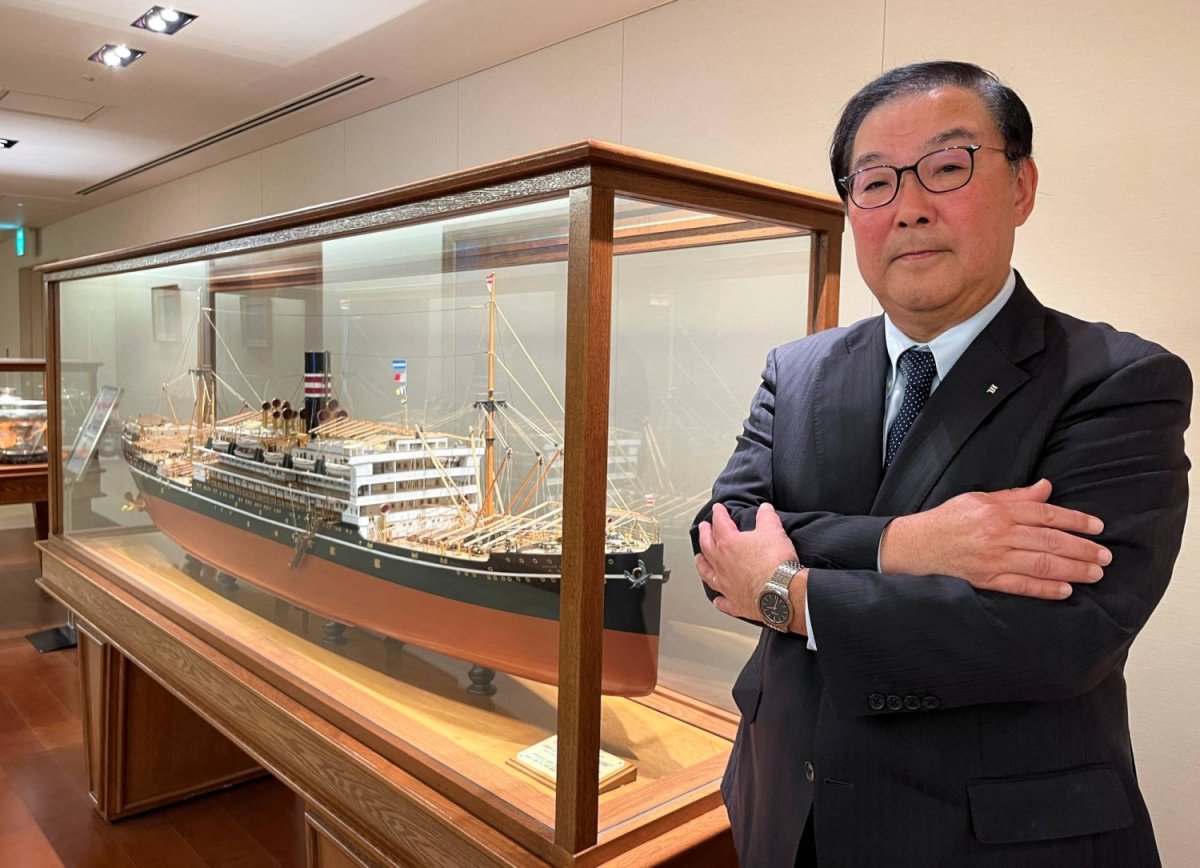
Company president Takaya Soga addressed shareholders at the firm's annual general meeting in Tokyo, stating that "the situation is beyond what a private firm can handle." His remarks underscore the limits of commercial shipping operations under sustained geopolitical restrictions that continue to disrupt one of the world's most critical maritime chokepoints.
Tags: Nippon Yusen, Strait of Hormuz, Japan oil imports, NYK Line, Persian Gulf shipping, Takaya Soga, energy security, METI
Geopolitical Context of the Strait of Hormuz Blockade
Iran formally announced on March 21, 2026 that it would permit Japanese-flagged and Japanese-operated vessels to pass through the strait, yet ten NYK Line vessels remain unable to exit the Gulf. The selective exemption, extended by Iranian authorities following diplomatic engagement with Tokyo, has not translated into immediate operational clearance for all affected ships.
The blockade follows the February 2026 air campaign conducted by the United States and Israel that led to the assassination of Iran's supreme leader, Ali Khamenei. No timeline for full reopening has been confirmed by Iranian authorities or by international observers monitoring the strait's shipping traffic.
Japan's Heavy Reliance on Middle Eastern Oil Imports
Japan sources approximately 57 percent of its crude oil imports via the Strait of Hormuz. More than 90 percent of Japan's total crude oil originates from Middle Eastern suppliers. According to data from the International Energy Agency and Japan's Ministry of Economy, Trade and Industry (METI), any prolonged disruption directly threatens refinery feedstock availability and downstream fuel supply chains.
NYK Line vessels form part of the broader logistics network that moves both crude oil and refined products across Asia-Pacific routes. Extended delays increase demurrage costs for each detained vessel and complicate overall scheduling for other Japanese carriers operating in Gulf waters.
Executive Insights from Nippon Yusen's Annual Shareholder Meeting
During the annual general meeting held in Tokyo on June 17, 2026, Takaya Soga emphasized that commercial operators lack the diplomatic or military means to resolve access restrictions imposed by Iranian authorities. He specifically called for coordinated public-sector involvement to protect Japanese maritime interests in the Gulf region.
"The situation is beyond what a private firm can handle," Soga told shareholders, according to remarks reported by the Japan Times. Shareholders received no specific date for the release of the ten vessels, and the company continues to monitor Iranian statements while maintaining regular contact with relevant Japanese ministries.
Government and Industry Responses to Energy Security Challenges
METI has begun consultations with major shipping lines and domestic refiners to assess current inventory levels and evaluate potential alternative sourcing routes. No formal directive to release national petroleum reserves has been issued to date, though such a measure remains available under Japan's Oil Stockpiling Law if supply conditions deteriorate further.
Discussions at METI have also touched on possible diplomatic channels through the Ministry of Foreign Affairs (MOFA) to clarify the practical terms of Iran's March exemption for Japanese vessels. Japanese diplomats in Tehran and at the United Nations have raised the matter, but concrete outcomes remain pending as of mid-June 2026.
Broader Impact on Japanese Trade and Shipping Industry
The Strait of Hormuz crisis has affected not only Nippon Yusen but also other Japanese shipping lines, including Mitsui O.S.K. Lines and Kawasaki Kisen Kaisha, which operate similar routes through the Gulf. Industry-wide consultations have intensified, with the Japanese Shipowners' Association calling for stronger government-led navigation security measures.
Japanese trading houses with exposure to Gulf energy markets — including Mitsubishi Corporation, Mitsui & Co., and Sumitomo Corporation — are also monitoring the situation closely. Any sustained disruption would force adjustments to long-term supply contracts and potentially accelerate Japan's push for energy source diversification.
Economic Implications for Japanese Corporations and Consumers
Extended transit delays are raising freight rates on Middle East-to-Japan shipping routes. Japanese refiners face higher landed costs for crude, which may eventually be passed through to domestic fuel prices if inventories cannot be replenished at normal volumes.
Corporate Japan — including petrochemical producers, power utilities, and manufacturers reliant on stable energy costs — continues to monitor developments. Any sustained shortfall would require either increased spot-market purchases from non-Gulf sources such as the United States or Southeast Asia, or temporary adjustments to production schedules across energy-intensive industries.
What to Watch For
Several factors will determine how this situation evolves in the coming weeks. The diplomatic track through MOFA remains the primary channel for securing vessel release, while METI's contingency planning may lead to emergency stockpile measures if the blockade extends beyond existing inventory buffers.
Japan's broader energy strategy — already under review following the 2022-2023 global energy crisis — may face renewed pressure to accelerate investments in renewable energy, nuclear restart approvals, and LNG diversification away from Middle Eastern transit chokepoints. For the near term, the fate of the ten NYK Line vessels will serve as a bellwether for the effectiveness of Japan's diplomatic engagement with Iran and its partners in the Gulf region.
By Kenji Tanaka, Staff Writer
This article was produced with AI-assisted research and editorial support. Reporting is based on sources cited in the article.
What's Your Reaction?
 Like
0
Like
0
 Dislike
0
Dislike
0
 Love
0
Love
0
 Funny
0
Funny
0
 Wow
0
Wow
0
 Sad
0
Sad
0
 Angry
0
Angry
0

Japan Correspondent at Global1.News. Tokyo-based voice covering Japanese politics, technology, economy, and culture. Tracks the intersection of tradition and innovation in one of the world's most dynamic societies.















Comments (0)