
Jusidman Family Donates NIS 200 Million for Israel's Largest Rehabilitation Hospital in Sde Dov
A Transformative Donation for Israel's Healthcare The Jusidman Family Charitable Foundation has committed a NIS 200 million anchor donation toward the construction of a new rehabilitation hospital in north Tel Aviv. This contribution represents the foundation's largest single donation to date and will support what is planned to become Israel's largest rehabilitation facility. T
A Transformative Donation for Israel's Healthcare
The Jusidman Family Charitable Foundation has committed a NIS 200 million anchor donation toward the construction of a new rehabilitation hospital in north Tel Aviv. This contribution represents the foundation's largest single donation to date and will support what is planned to become Israel's largest rehabilitation facility. The project is owned and will be operated by the Reuth Association, a long-standing non-profit organization focused on rehabilitation services.
Daniel Jusidman, a hardware magnate based in Mexico, and his family have directed the funds to address pressing gaps in long-term care. The total project cost is estimated at approximately NIS 1.1 billion, with the Jusidman gift serving as the cornerstone that enables additional fundraising from public and private sources. Israeli philanthropic support for medical infrastructure has historically played a complementary role alongside government funding, particularly in specialized fields such as rehabilitation.
Sde Dov: From Airport to Medical Campus
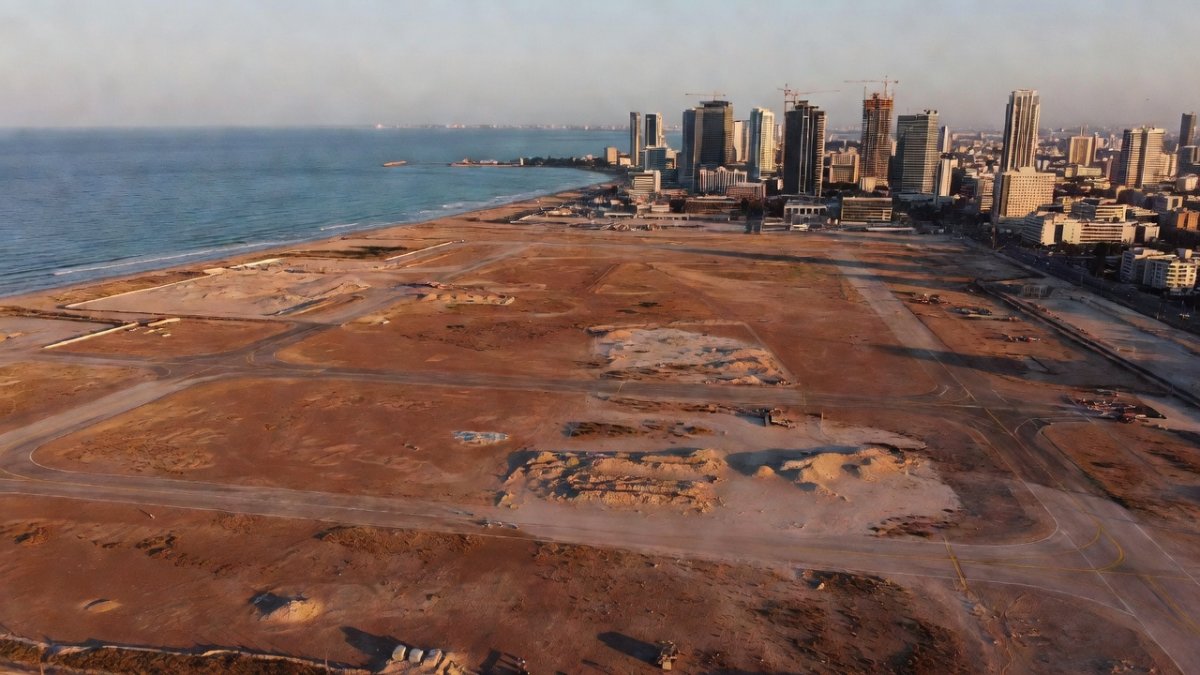
The hospital will occupy the former site of Sde Dov Airport in north Tel Aviv. Sde Dov Airport, named for aviation pioneer Dov Hoz, ceased operations in 2019 and was demolished the following year. The cleared land has since been designated for urban redevelopment, with the rehabilitation campus forming a central component of the new medical precinct.
Moore Yaski Sivan Architects have been commissioned to design the campus, which is expected to include 540 beds dedicated exclusively to rehabilitation. The location offers convenient access for residents of Tel Aviv and central Israel while integrating into the broader redevelopment of the coastal area previously used for aviation. Conversion of the site from airport infrastructure to healthcare use reflects ongoing urban planning shifts in Tel Aviv following the airport's closure.
Meeting the Post-October 7 Rehabilitation Challenge
The project responds directly to increased rehabilitation needs arising from the October 7 war and its aftermath. Thousands of IDF soldiers and civilians have required extended rehabilitation care for physical injuries and trauma-related conditions. Israel's existing rehabilitation capacity has faced sustained pressure since the conflict began, prompting both government and non-profit initiatives to expand services.
The new facility will treat wounded soldiers referred through the IDF's Rehabilitation Department as well as civilian trauma survivors. Reuth Association officials have noted that the 540-bed capacity is intended to alleviate waiting times and provide specialized programs not widely available elsewhere in the country. Construction is projected to take several years, meaning the hospital will come online progressively as demand remains elevated.
The Broader Healthcare Landscape in Israel
Israel's health system has managed rehabilitation services through a combination of public hospitals, Health Ministry allocations, and non-profit providers such as the Reuth Association. The October 7 war intensified existing strains on these resources, particularly for complex cases involving multiple injuries and prolonged recovery periods. Policy discussions within the Health Ministry and the IDF have centered on expanding dedicated rehabilitation beds and integrating psychological support with physical therapy.
Philanthropic contributions from diaspora families, including the Jusidman Foundation, have supplemented state budgets in previous large-scale medical projects. The current initiative follows this pattern while addressing a specific post-war shortfall. Coordination between the Reuth Association, municipal authorities in Tel Aviv, and national health planners will determine how the new campus fits into the national network of rehabilitation centers.
What This Means for Patients and Families
For patients recovering from war-related injuries or civilian trauma, the future Jusidman Rehabilitation Hospital is expected to offer extended-stay programs in a single, purpose-built campus. Families in the Tel Aviv region will gain access to services closer to home, reducing the need for travel to more distant facilities. The scale of 540 beds is intended to accommodate both acute rehabilitation phases and longer-term recovery.
Reuth Association representatives have emphasized that the hospital will maintain the organization's established model of combining medical treatment with social and psychological support. While completion remains several years away, the anchor donation provides a concrete timeline for planning additional staffing and specialized equipment. Patients currently navigating the existing system will continue to receive care through interim arrangements until the new facility opens.
By Hannah Berg, Staff WriterThis article was produced with AI-assisted research and editorial support. Reporting is based on sources cited in the article.
What's Your Reaction?
 Like
0
Like
0
 Dislike
0
Dislike
0
 Love
0
Love
0
 Funny
0
Funny
0
 Wow
0
Wow
0
 Sad
0
Sad
0
 Angry
0
Angry
0

Israel Correspondent at Global1.News. Based in Tel Aviv, covering Israeli politics, security, technology, and society. Provides balanced, deeply-sourced reporting on one of the most closely-watched regions in the world.














Comments (0)